


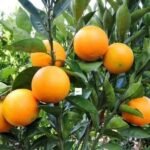


Pixel Orange Seedling
Original price was: KSh 1,500.00.KSh 999.00Current price is: KSh 999.00.
Key Features
✅ High-Quality, Grafted Seedlings – Grown from superior parent trees.
✅ Fast-Growing & High-Yielding – Produces abundant, sweet oranges.
✅ Tolerant to Warm Climates – Thrives in tropical and subtropical regions.
✅ Rich in Vitamin C & Antioxidants – Boosts immunity and overall health.
Introduction
Start your fruit orchard with our Pixel Orange Seedlings, a premium citrus variety known for its sweet, juicy, and vitamin-rich oranges. Perfect for both commercial farming and home gardening, these seedlings grow into high-yielding orange trees that thrive in warm climates.
Best Uses
- Ideal for home gardens, farms, and citrus orchards.
- Produces delicious, vitamin C-rich oranges great for fresh consumption, juices, and desserts.
- Thrives in tropical and subtropical climates.
- Perfect for sustainable farming and agroforestry projects.
Planting & Care Tips
- Sunlight: Prefers full sun (at least 6-8 hours daily).
- Soil: Grows best in well-drained, sandy loam soil rich in organic matter.
- Watering: Requires regular watering but avoid waterlogging.
- Spacing: Plant seedlings 4-5 meters apart for healthy growth.
- Fertilization: Use organic compost and citrus-specific fertilizer for maximum yield.
- Time to Fruit: Begins fruiting in 2-4 years with proper care.
Placement Ideas
- Home Gardens & Backyard Orchards – Enjoy fresh oranges right from your garden.
- Commercial Farms & Citrus Groves – High-yield variety for profitable farming.
- Urban Gardening & Container Planting – Suitable for growing in pots with proper care.
- Greenhouse Cultivation – Controlled environment for year-round production.
Call to Action
Start your journey to growing sweet and juicy Pixel Oranges! Order your Pixel Orange Seedling today and enjoy fresh, homegrown citrus fruits.
Only logged in customers who have purchased this product may leave a review.
You may also like…


Chandler Strawberry Seedling
Key Features
- Vigorous Growth: Chandler strawberry plants are hardy and develop strong runners, making them easy to propagate.
- Large Fruits: Produces medium to large, bright red berries with a glossy finish and firm texture.
- Mid-Season Variety: Typically fruits in mid to late spring, depending on the planting zone.
- Disease Resistance: Demonstrates good resistance to common strawberry diseases like leaf spot and powdery mildew.
- Attractive Appearance: The plants have lush green foliage, and the berries are uniformly shaped, adding aesthetic appeal to gardens and markets.
By cultivating Chandler strawberry seedlings with proper care and attention, growers can enjoy a bountiful harvest of high-quality, flavorful strawberries that cater to a variety of uses.


Guava Seedlings
Key Features of Guava Seedlings
- Fast Growth: Guava seedlings establish quickly, with trees starting to bear fruit within 2–3 years.
- High yield: Produces abundant fruit with proper care and maintenance.
- Drought tolerance: can thrive in semi-arid regions with minimal water requirements.
- Versatile Varieties: Available in different types, including red-fleshed, white-fleshed, and seedless varieties.
- Compact Size: Ideal for smallholder farmers or urban gardeners with limited space.

Pawpaw Plant Seedling
Key Features
- Edible Fruits: Produces sweet, juicy pawpaw fruits rich in vitamins A and C, perfect for fresh eating, smoothies, and salads.
- Fast-Growing: Known for its rapid growth, providing fruits within a few years when given optimal conditions.
- Attractive Foliage: Features large, lobed leaves that create a tropical appearance and provide shade in gardens.
- Compact Growth: Suitable for garden beds or large containers, making it adaptable for different spaces.
- Low Maintenance: Requires minimal care, making it perfect for both beginner and experienced gardeners.


Pawpaw Seedlings
Key Features of Pawpaw Seedlings:
- Fast Growth: Pawpaw seedlings mature quickly, producing fruit within 6–12 months.
- High Yield: Each tree can produce up to 50–100 fruits annually under optimal conditions.
- Drought Tolerance: Thrives in regions with moderate rainfall and well-drained soil.
- Compact Size: Suitable for small-scale farming or home gardens due to its manageable size.
- Nutritional Value: Produces fruits rich in vitamins A, C, and E, as well as fiber and antioxidants.


Strawberry Guava Seedling
Key Features
- Edible Fruits: Produces small, sweet, and aromatic guava fruits with a hint of strawberry flavor, perfect for snacking or making jams.
- Compact Growth: Ideal for small spaces, this tree can be grown in containers or garden beds, making it versatile for various settings.
- Attractive Foliage: Features shiny, deep green leaves that add lush greenery and tropical appeal to gardens or patios.
- Hardy and Resilient: Known for its ability to thrive in various conditions, including drought and moderate cold.
- Pollinator Attraction: The plant’s fragrant flowers attract bees and other pollinators, enhancing garden biodiversity.


Wild Strawberry Plant Seedling
Key Features
- Edible Fruits: Produces small, aromatic berries that are perfect for fresh eating, baking, or adding to desserts.
- Compact Growth: Ideal for pots, hanging baskets, or garden beds, making it versatile for small spaces or larger garden areas.
- Attractive Foliage: Features bright green, lobed leaves that provide a lush and delicate look.
- Ground Cover Ability: Can spread to create a natural ground cover, adding texture and greenery to your garden.
- Pollinator-Friendly: The plant’s small white flowers attract bees and other beneficial insects, promoting biodiversity.
Related products


Canna Discolor Plant Seedling
Key Features
- Bold Foliage: Features large, bronze-colored leaves that create a dramatic, tropical effect in any garden.
- Vibrant Blooms: Produces bright, showy flowers that add a splash of color and attract pollinators like bees and butterflies.
- Fast-Growing: Known for its rapid growth, providing lush greenery and flowers in a short time.
- Compact Size: As a seedling, it’s perfect for planting in small garden spaces, pots, or borders.
- Tropical Appeal: Brings an exotic, lush look that enhances the visual appeal of any garden or outdoor space.

Cordyline Fruticosa Seedling
Key Features
- Colorful Foliage: Features vibrant, multi-colored leaves in shades of green, pink, red, and purple, adding a tropical flair.
- Compact Size: Ideal for small pots or garden beds, making it suitable for various planting arrangements.
- Versatile Placement: Can be grown indoors or outdoors, providing flexibility in design and style.
- Low Maintenance: Requires minimal care, making it perfect for beginners or those with busy lifestyles.
- Air Purifying: Helps improve indoor air quality, contributing to a healthier environment


Lemongrass Plant Seedling
Key Features
- Citrus Aroma: Emits a refreshing lemon scent, enhancing the ambiance of any space.
- Culinary Uses: Perfect for cooking, teas, and herbal remedies, making it a valuable addition to any garden.
- Fast-Growing: Quickly establishes and spreads, providing a steady supply of fresh lemongrass.
- Versatile Growth: Suitable for pots, raised beds, or garden soil, offering flexibility in planting locations.
- Natural Mosquito Repellent: Known to repel mosquitoes, making it an excellent choice for outdoor gardens.


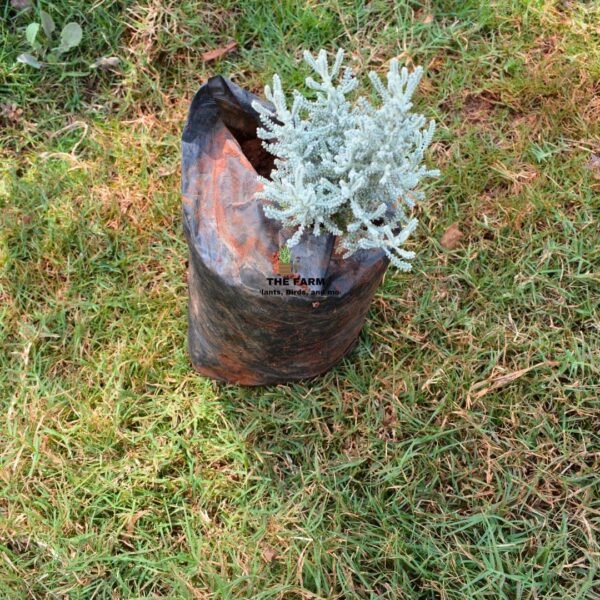

Santolina Chamaecyparissus Seedling in Kenya
Key Features of Santolina Chamaecyparissus Seedlings
- Common Name: Lavender Cotton
- Scientific Name: Santolina Chamaecyparissus
- Growth Habit: Compact, bushy shrub with silver-gray foliage and yellow button-like flowers
- Sunlight: Full sun
- Watering Needs: Regular watering when young; drought-tolerant once established
- Soil Type: Well-drained, sandy, or rocky soils; prefers slightly alkaline conditions
- Maintenance Level: Low; light pruning to maintain shape and promote growth
- Ideal Temperature: 15°C - 30°C
- Uses: Borders, rock gardens, low hedges, herb gardens, and ornamental accents
Use in Kenya
Santolina is ideal for Kenyan landscapes due to its resilience to heat and dry conditions. It is often used in Mediterranean-style gardens, mixed borders, or as a low-maintenance ground cover that adds texture and color contrast. Its aromatic qualities make it a lovely addition to pathways and garden beds where its fragrance can be enjoyed. By planting Santolina Chamaecyparissus seedlings, you bring a touch of elegance and practicality to your garden, enhancing both the aesthetics and functionality of your outdoor space.


Reviews
There are no reviews yet.