


Wild Strawberry Plant Seedling
Original price was: KSh 700.00.KSh 599.00Current price is: KSh 599.00.
Key Features
- Edible Fruits: Produces small, aromatic berries that are perfect for fresh eating, baking, or adding to desserts.
- Compact Growth: Ideal for pots, hanging baskets, or garden beds, making it versatile for small spaces or larger garden areas.
- Attractive Foliage: Features bright green, lobed leaves that provide a lush and delicate look.
- Ground Cover Ability: Can spread to create a natural ground cover, adding texture and greenery to your garden.
- Pollinator-Friendly: The plant’s small white flowers attract bees and other beneficial insects, promoting biodiversity.
Introduction
The wild strawberry (Fragaria vesca) is a charming and productive plant known for its small, sweet fruits and delicate foliage. Growing a wild strawberry plant seedling is an excellent way to enjoy fresh, home-grown berries while enhancing your garden, patio, or even indoor space with a touch of greenery. These seedlings are perfect for gardeners seeking a low-maintenance plant that offers both aesthetic and culinary benefits
Benefits
- Fresh Fruit Harvest: Enjoy home-grown wild strawberries, which are rich in vitamins and perfect for a healthy snack.
- Aesthetic Appeal: The combination of vibrant green foliage, white flowers, and red berries adds visual interest to gardens and patios.
- Versatile Placement: Suitable for garden beds, containers, or hanging baskets, offering flexibility in display and use.
- Pollinator Attraction: Supports local ecosystems by attracting beneficial insects like bees, enhancing garden health.
- Low Maintenance: Easy to grow and care for, making it suitable for beginner gardeners and those with busy lifestyles.
Growth Conditions
- Light: Prefers full sun to partial shade for optimal fruit production. Ensure it receives at least 4-6 hours of sunlight daily.
- Water: Water moderately; keep the soil moist but not waterlogged, especially during the growing season.
- Temperature: Thrives in temperate climates with an ideal temperature range of 15°C to 25°C. Protect from extreme heat and frost.
- Humidity: Adapts well to moderate humidity levels but can tolerate drier conditions once established.
- Soil: Best grown in well-draining soil rich in organic matter for healthy growth and abundant fruiting.
Conclusion
The wild strawberry plant seedling is a wonderful addition for gardeners looking to grow their own sweet, nutritious berries while enhancing their space with a lush, productive plant. With its attractive foliage, delicious fruits, and low maintenance needs, it is perfect for gardens, patios, or balconies. Whether you’re an experienced gardener or a beginner, the wild strawberry offers both beauty and practicality, making it a valuable addition to any garden.
| plant type | Berries plant |
|---|
Only logged in customers who have purchased this product may leave a review.
Related products
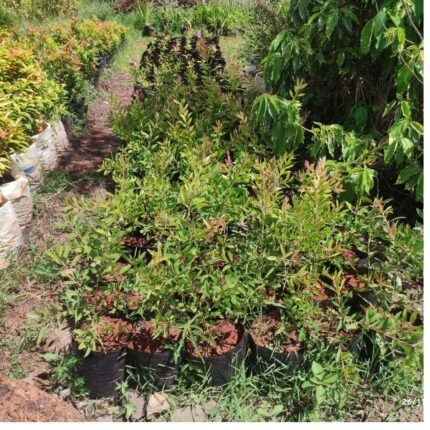
1ft Bottle Brush Tree Seedlings
Key Features of Bottle Brush Tree Seedlings
- Sizes for All Needs: Available from 1ft to 5ft, catering to gardeners and landscapers alike.
- Low Maintenance: Easy to care for, drought-tolerant, and pest-resistant.
- Year-Round Greenery: Evergreen foliage adds beauty and structure to any garden.
- Pollinator-Friendly: Attracts bees, butterflies, and birds to support biodiversity.
- Eco-Friendly Benefits: Improves air quality and stabilizes soil.
Conclusion
Bottle Brush Tree Seedlings 1ft are an exceptional choice for anyone looking to add vibrant color, charm, and environmental benefits to their garden or landscape. With their stunning red flowers, year-round greenery, and pollinator-friendly nature, these trees provide beauty and functionality for years to come.
By providing the right growing conditions—such as well-draining soil, full sunlight, and proper watering—you can enjoy the vibrant blossoms and lush foliage of these remarkable trees.


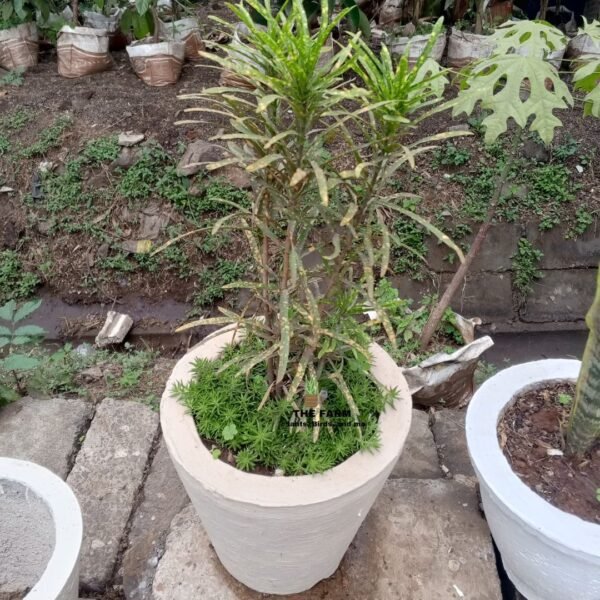
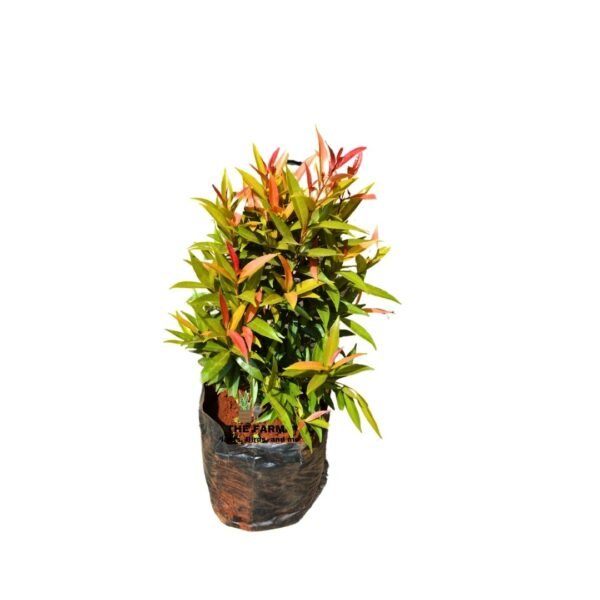
Coleus in Kenya
Key Features of Coleus
- Local Name: Mbarika
- Scientific Name: Coleus blumei or Plectranthus scutellarioides
- Growth Habit: Bushy, with a wide range of leaf colors and patterns
- Sunlight: Partial to full shade
- Watering Needs: Regular watering; keep the soil moist but not soggy
- Soil Type: Well-drained, fertile, loamy soil
- Maintenance Level: Low
- Ideal Temperature: 18°C - 30°C
- Propagation: Easy from cuttings
Use in Kenya
Coleus is a popular plant in Kenyan homes, gardens, and landscapes, often used to add color and texture to outdoor and indoor settings. Its ease of growth and maintenance makes it a preferred choice for anyone looking to brighten up their space with minimal effort. The local love for Mbarika continues to grow, as it not only beautifies spaces but also embodies the vibrant spirit of Kenyan gardening culture.


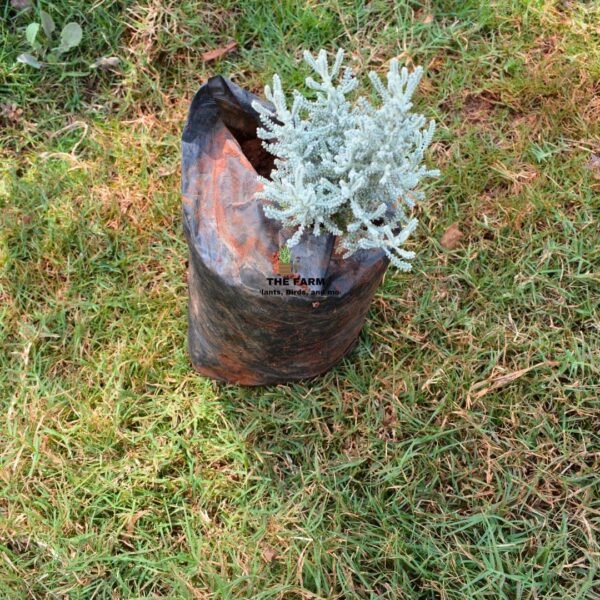

Santolina Chamaecyparissus Seedling in Kenya
Key Features of Santolina Chamaecyparissus Seedlings
- Common Name: Lavender Cotton
- Scientific Name: Santolina Chamaecyparissus
- Growth Habit: Compact, bushy shrub with silver-gray foliage and yellow button-like flowers
- Sunlight: Full sun
- Watering Needs: Regular watering when young; drought-tolerant once established
- Soil Type: Well-drained, sandy, or rocky soils; prefers slightly alkaline conditions
- Maintenance Level: Low; light pruning to maintain shape and promote growth
- Ideal Temperature: 15°C - 30°C
- Uses: Borders, rock gardens, low hedges, herb gardens, and ornamental accents
Use in Kenya
Santolina is ideal for Kenyan landscapes due to its resilience to heat and dry conditions. It is often used in Mediterranean-style gardens, mixed borders, or as a low-maintenance ground cover that adds texture and color contrast. Its aromatic qualities make it a lovely addition to pathways and garden beds where its fragrance can be enjoyed. By planting Santolina Chamaecyparissus seedlings, you bring a touch of elegance and practicality to your garden, enhancing both the aesthetics and functionality of your outdoor space.


Reviews
There are no reviews yet.