


Pentas Lanceolata Seedlings in Kenya
Original price was: KSh 300.00.KSh 150.00Current price is: KSh 150.00.
Introduction
Pentas lanceolata, locally referred to as Pentas or Star Flower in Kenya, is a popular ornamental plant prized for its clusters of star-shaped flowers. These vibrant flowers, which come in shades of red, pink, white, and purple, attract a variety of pollinators, including bees and butterflies. Pentas are commonly planted in gardens, flower beds, and containers, providing a burst of color and a tropical feel to outdoor spaces. Its hardiness and ability to thrive in sunny conditions make it a favorite among Kenyan gardeners.
Benefits of Pentas Lanceolata Seedlings (Pentas or Star Flower)
- Attracts Pollinators: Pentas are well-known for attracting butterflies and bees, making them ideal for gardeners looking to create a pollinator-friendly environment.
- Prolonged Flowering Season: Pentas produce blooms almost year-round in warm climates like Kenya, adding constant beauty and color to gardens and landscapes.
- Heat and Drought Tolerance: Once established, Pentas are drought-tolerant, making them perfect for Kenya’s sunny and warm regions.
- Low Maintenance: These seedlings require minimal care, making them a great option for both experienced and beginner gardeners.
- Versatile Landscaping Use: Pentas can be used in a variety of settings, including flower beds, borders, containers, and as ground cover, making them highly versatile.
Conditions for Optimal Growth of Pentas Lanceolata Seedlings (Pentas or Star Flower) in Kenya
- Soil Type: Pentas thrive in well-drained, fertile soil. Adding organic matter like compost will help improve soil structure and nutrient availability.
- Sunlight: Pentas prefer full sun, which encourages strong growth and more prolific flowering. They need at least 6 hours of direct sunlight daily for optimal performance.
- Water Requirements: Regular watering is essential during the early growth phase, but once established, Pentas can tolerate dry conditions. Watering should be moderate, allowing the soil to dry slightly between watering sessions.
- Temperature: Pentas are well-suited to Kenya’s warm climate, with an ideal temperature range of 20°C to 30°C. They can handle heat but should be protected from extreme cold or frost.
- Fertilization: Monthly feeding with a balanced fertilizer will help promote healthy growth and abundant flowering. Avoid over-fertilizing, as this can lead to excessive foliage growth at the expense of flowers.
- Pruning: Light pruning to remove spent flowers encourages more blooms. Trimming leggy growth helps maintain the plant’s shape and compactness.
Conclusion
Pentas lanceolata seedlings, locally known as Pentas or Star Flower, are an excellent choice for gardeners looking to add vibrant, long-lasting color to their outdoor spaces. With their easy-care nature and ability to attract pollinators, Pentas are perfect for both novice and experienced gardeners in Kenya. Their versatility and drought tolerance make them ideal for various landscapes, from garden beds to potted arrangements.
Only logged in customers who have purchased this product may leave a review.
Related products
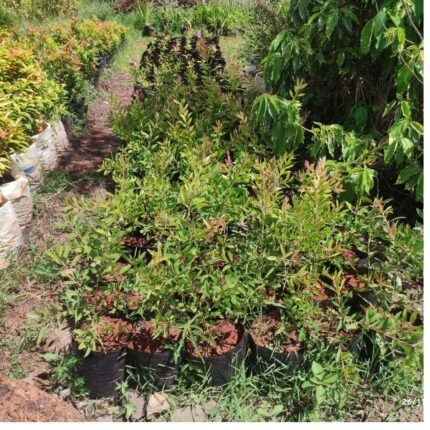
1ft Bottle Brush Tree Seedlings
Key Features of Bottle Brush Tree Seedlings
- Sizes for All Needs: Available from 1ft to 5ft, catering to gardeners and landscapers alike.
- Low Maintenance: Easy to care for, drought-tolerant, and pest-resistant.
- Year-Round Greenery: Evergreen foliage adds beauty and structure to any garden.
- Pollinator-Friendly: Attracts bees, butterflies, and birds to support biodiversity.
- Eco-Friendly Benefits: Improves air quality and stabilizes soil.
Conclusion
Bottle Brush Tree Seedlings 1ft are an exceptional choice for anyone looking to add vibrant color, charm, and environmental benefits to their garden or landscape. With their stunning red flowers, year-round greenery, and pollinator-friendly nature, these trees provide beauty and functionality for years to come.
By providing the right growing conditions—such as well-draining soil, full sunlight, and proper watering—you can enjoy the vibrant blossoms and lush foliage of these remarkable trees.


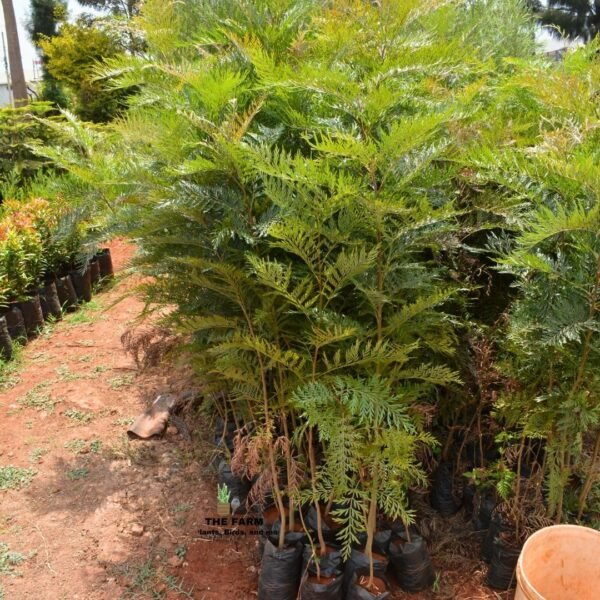


Royal Palm (Roystonea regia)
Introduction
The Royal Palm is a symbol of grace and grandeur in tropical landscapes. Its towering presence and iconic look make it a standout plant in gardens, parks, and urban settings. Whether lining streets or serving as a centerpiece in large open spaces, the Royal Palm brings a sense of tropical luxury to any environment.
Benefits
- Aesthetic Beauty: With its tall trunk and large, arching fronds, the Royal Palm adds elegance and tropical charm to landscapes, making it perfect for formal avenues and expansive gardens.
- Wind and Salt Tolerant: The Royal Palm can tolerate coastal conditions and is resilient to salt spray, making it an ideal choice for beachfront properties or tropical climates.
- Low Maintenance: Once established, Royal Palms require little care and can adapt to a variety of soil types and conditions.
- Wildlife Habitat: Its fruits and leaves provide habitat and food for birds and other wildlife.
- Shade Provider: The wide, expansive fronds provide shade and create a cooling effect, which can be especially beneficial in hot climates.
Conditions for Optimal Growth
- Soil: Prefers well-draining, slightly acidic soil. It can tolerate a variety of soil types but grows best in rich, loamy soil.
- Sunlight: Thrives in full sun, needing at least 6-8 hours of direct sunlight per day for optimal growth.
- Watering: Requires regular watering, especially when young. Once established, it becomes more drought-tolerant, though it prefers consistent moisture.
- Temperature: Best grown in tropical or subtropical climates, withstanding temperatures as low as 28°F (-2°C) but thriving in warmer conditions.
- Fertilization: Benefits from regular fertilization with a palm-specific fertilizer, especially in nutrient-deficient soils, to prevent yellowing leaves and encourage healthy growth.
Conclusion
The Royal Palm is a symbol of grandeur and elegance, perfect for those looking to make a dramatic statement in their landscaping. With its tall, smooth trunk and graceful, arching fronds, this tropical palm brings a lush, luxurious feel to any garden or avenue. Low maintenance and resilient, the Royal Palm is an excellent choice for coastal, tropical, and subtropical environments where its beauty and stature can be fully appreciated.

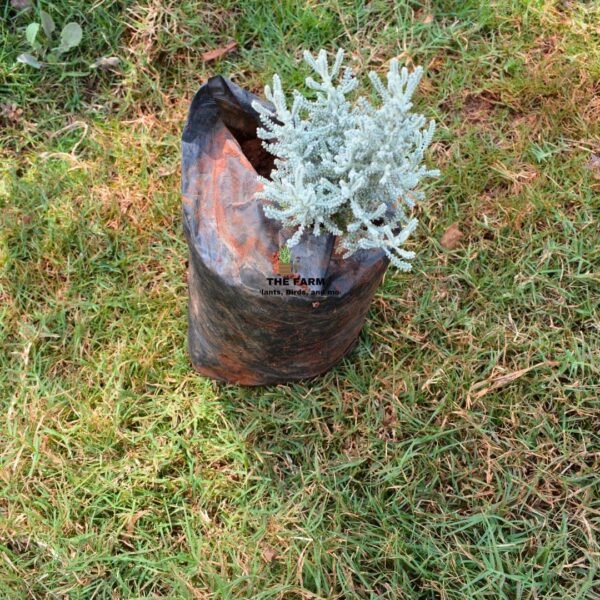

Santolina Chamaecyparissus Seedling in Kenya
Key Features of Santolina Chamaecyparissus Seedlings
- Common Name: Lavender Cotton
- Scientific Name: Santolina Chamaecyparissus
- Growth Habit: Compact, bushy shrub with silver-gray foliage and yellow button-like flowers
- Sunlight: Full sun
- Watering Needs: Regular watering when young; drought-tolerant once established
- Soil Type: Well-drained, sandy, or rocky soils; prefers slightly alkaline conditions
- Maintenance Level: Low; light pruning to maintain shape and promote growth
- Ideal Temperature: 15°C - 30°C
- Uses: Borders, rock gardens, low hedges, herb gardens, and ornamental accents
Use in Kenya
Santolina is ideal for Kenyan landscapes due to its resilience to heat and dry conditions. It is often used in Mediterranean-style gardens, mixed borders, or as a low-maintenance ground cover that adds texture and color contrast. Its aromatic qualities make it a lovely addition to pathways and garden beds where its fragrance can be enjoyed. By planting Santolina Chamaecyparissus seedlings, you bring a touch of elegance and practicality to your garden, enhancing both the aesthetics and functionality of your outdoor space.


Reviews
There are no reviews yet.