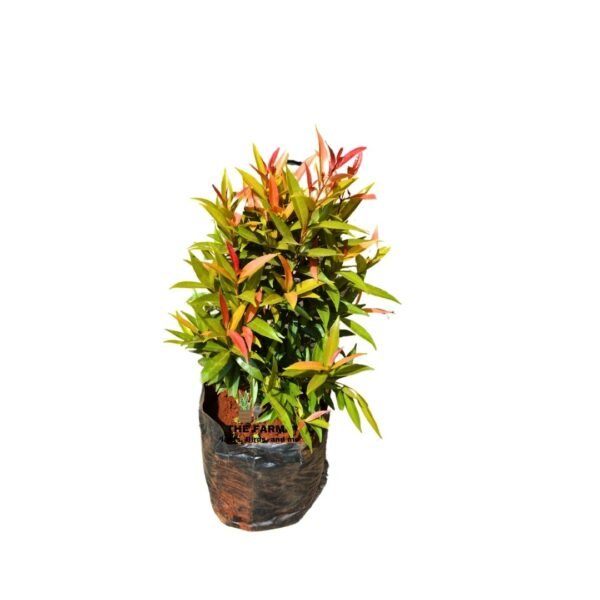


Cordyline Red Seedlings in Kenya
KSh 300.00 Original price was: KSh 300.00.KSh 150.00Current price is: KSh 150.00.
Key Features of Cordyline Red Seedlings (Mti Mwekundu or Red Ti Plant)
- Local Name: Mti Mwekundu or Red Ti Plant
- Scientific Name: Cordyline fruticosa (Red variety)
- Growth Habit: Upright plant with large, lance-shaped red leaves
- Sunlight: Full sun to partial shade
- Watering Needs: Moderate; water regularly but allow soil to dry slightly between watering
- Soil Type: Well-drained, fertile soil enriched with organic matter
- Maintenance Level: Low; occasional pruning to remove old leaves
- Ideal Temperature: 18°C – 30°C
- Uses: Ornamental plant, indoor decoration, garden borders, pots
Use in Kenya
In Kenya, Cordyline Red is widely used in residential and commercial landscaping for its bold color and ability to thrive in warm climates. It is commonly planted in garden beds, along pathways, or in large pots for patios and verandas. Its striking appearance makes it a popular choice for adding a tropical touch to outdoor spaces, while its air-purifying qualities enhance indoor environments. Mti Mwekundu is particularly appreciated for its resilience, requiring minimal care while providing maximum visual impact in any garden or home.
Introduction
Cordyline Red, locally referred to as Mti Mwekundu or Red Ti Plant in Kenya, is a stunning ornamental plant known for its vivid, red-tinted foliage. This tropical plant adds vibrant color and visual interest to gardens and indoor spaces with its bold, lance-shaped leaves. The Red Ti Plant is widely used for landscaping due to its hardy nature and ability to thrive in various conditions. Its striking red foliage makes it a popular choice among Kenyan gardeners looking to add a dramatic flair to their gardens or homes.
Benefits of Cordyline Red Seedlings (Mti Mwekundu or Red Ti Plant)
- Bright, Colorful Foliage: The vibrant red leaves of Cordyline Red add a splash of color to any garden or indoor space, making it a favorite for creating visually striking landscapes.
- Easy to Care For: This plant is low maintenance, making it ideal for gardeners seeking a hardy, showy plant that requires minimal attention.
- Drought Tolerance: Once established, Cordyline Red is relatively drought-tolerant, making it perfect for Kenyan climates where water can sometimes be scarce.
- Versatile Landscaping Use: Cordyline Red can be used in garden beds, borders, or as a container plant, offering a variety of options for outdoor and indoor decoration.
- Air Purifying: Like other Cordyline species, this plant can help purify the air when grown indoors, improving air quality in homes and offices.
Conditions for Optimal Growth of Cordyline Red Seedlings (Mti Mwekundu or Red Ti Plant) in Kenya
- Soil Type: Cordyline Red thrives in well-drained, fertile soil with moderate moisture content. Incorporating compost or organic matter into the soil improves growth and helps retain moisture.
- Sunlight: For the best color display, this plant prefers full to partial sunlight. In Kenya, planting Cordyline Red in bright, indirect sunlight or partial shade ensures vibrant red foliage.
- Water Requirements: Water regularly during the initial growth phase, but allow the soil to dry out between watering once established. While it can tolerate short periods of drought, regular watering during dry spells is essential for optimal growth.
- Temperature: Cordyline Red thrives in warm temperatures between 18°C and 30°C, making it suitable for Kenya’s warm climate. It should be protected from frost in colder areas.
- Pruning: Occasional pruning to remove old or damaged leaves keeps the plant looking tidy and encourages new growth.
Conclusion
Cordyline Red seedlings, locally known as Mti Mwekundu or Red Ti Plant, are a fantastic choice for adding bold color and visual interest to both gardens and indoor spaces. Their bright red foliage creates a stunning contrast in landscapes, while their low-maintenance nature makes them easy to care for. Whether used as a focal point in garden beds or as a decorative houseplant, Mti Mwekundu offers vibrant, year-round beauty with minimal effort.
| plant type | Cordyline plants |
|---|
Only logged in customers who have purchased this product may leave a review.
Related products
Bougainvillea Plant Seedlings Red
Key Features of Bougainvillea Seedlings
- Local Name: Bougainvillea
- Scientific Name: Bougainvillea spp.
- Growth Habit: Climbing vine or bushy shrub with thorny stems and colorful bracts
- Sunlight: Full sun
- Watering Needs: Regular watering when young; highly drought-tolerant once established
- Soil Type: Well-drained, sandy, or loamy soils; tolerates poor soil conditions
- Maintenance Level: Low; light pruning to encourage blooming and maintain shape
- Ideal Temperature: 20°C - 35°C
- Uses: Ornamental climbing vine, hedging, ground cover, bonsai, security barriers
Use in Kenya
Bougainvillea is widely planted across Kenya for its brilliant display of colors and ease of maintenance. It is often used to adorn fences, walls, and trellises, creating vibrant floral cascades that beautify homes, hotels, public spaces, and roadsides. Its resilience and adaptability to Kenya’s diverse climates make it an enduring favorite among gardeners and landscapers alike. With proper care and pruning, Bougainvillea seedlings will grow into stunning plants that provide eye-catching color and a touch of nature’s charm wherever they are planted.
Catharanthus Roseus Seedlings in Kenya
Key Features of Catharanthus Roseus Seedlings (Vinca or Sadaa)
- Local Name: Vinca or Sadaa
- Scientific Name: Catharanthus roseus
- Growth Habit: Compact, bushy plant with glossy green leaves and bright flowers
- Sunlight: Full sun to partial shade
- Watering Needs: Regular watering for seedlings; drought-tolerant once established
- Soil Type: Well-drained, sandy, or loamy soils with moderate fertility
- Maintenance Level: Low; occasional pruning for bushier growth
- Ideal Temperature: 20°C - 30°C
- Uses: Garden beds, borders, potted plants, medicinal use, ground cover
Use in Kenya
In Kenya, Vinca or Sadaa is a common choice for home gardens, roadsides, and public spaces due to its ability to flourish in a wide range of conditions. It’s especially valued in water-scarce regions, where its drought resistance allows it to survive with minimal irrigation. Whether used as ground cover, border plants, or grown in containers, Vinca or Sadaa offers vibrant, low-maintenance beauty for any garden setting.
Eugenia Seedling in Kenya
Key Features of Eugenia Seedlings
- Local Name: Muthiga Seedlings
- Scientific Name: Eugenia uniflora or Syzygium paniculatum
- Growth Habit: Dense, bushy growth with glossy green leaves and red new shoots
- Sunlight: Full sun to partial shade
- Watering Needs: Regular watering, especially when young; moderately drought-tolerant once established
- Soil Type: Well-drained, fertile soils with good organic content
- Maintenance Level: Low; requires minimal pruning
- Ideal Temperature: 18°C - 28°C
- Uses: Hedges, privacy screens, ornamental shrubs, topiaries
Use in Kenya
Eugenia seedlings are widely used across Kenya for creating lush, green landscapes that are both functional and attractive. Their popularity continues to grow among homeowners, landscapers, and garden designers due to their adaptability and easy maintenance. By planting Muthiga seedlings, you can quickly transform your outdoor space into a beautiful, green haven that offers privacy, beauty, and environmental benefits.
Gazania Plant Seedling in Kenya
Key Features of Gazania Seedlings
- Local Name: Gazania
- Scientific Name: Gazania rigens
- Growth Habit: Low-growing, spreading plant with large, daisy-like flowers
- Sunlight: Full sun
- Watering Needs: Regular watering when young; drought-tolerant once established
- Soil Type: Well-drained, sandy, or loamy soils; adaptable to poor soil conditions
- Maintenance Level: Low; minimal care required, deadhead spent blooms
- Ideal Temperature: 20°C - 35°C
- Uses: Borders, ground cover, rock gardens, containers, and hanging baskets
Use in Kenya
Gazania is widely used in Kenyan gardens due to its vibrant flowers and ability to withstand heat and drought. It is often seen brightening up garden borders, used as ground cover in rock gardens, or planted in containers to add color to patios and balconies. Its resilience and adaptability to Kenya’s sunny climate make it a favored choice for those seeking a colorful, low-maintenance garden. By planting Gazania seedlings, you add a cheerful, eye-catching element to your outdoor space that thrives with little effort.
Green Grevillea Tree Seedling 3.5ft in Kenya
Key Features of Green Grevillea Tree Seedlings 3.5ft
- Perfect Size for Planting
- At 3.5ft tall, these seedlings are ideal for easy transplanting and rapid establishment in your garden.
- Vibrant Foliage and Unique Flowers
- Grevillea trees are known for their bright green foliage and striking, nectar-rich flowers that attract pollinators.
- Low Maintenance
- Requires minimal care once established; drought-tolerant and adaptable to various soil conditions.
- Eco-Friendly Benefits
- Supports biodiversity, reduces soil erosion, and sequesters carbon for environmental improvement.
- Versatile Uses
- Ideal for ornamental landscaping, privacy screens, and erosion control.
Use in Kenya
Grevillea seedlings are widely used across Kenya for both commercial and ecological purposes. They are commonly planted on farms to provide shade for coffee and tea, along boundaries as windbreaks, and in reforestation efforts to combat deforestation. The tree’s fast growth, versatility, and minimal care requirements make it an invaluable asset to Kenyan agriculture and environmental management. By planting Grevillea seedlings, you contribute to sustainable farming, protect your crops, and support Kenya’s green initiatives.
Pentas Lanceolata Seedlings in Kenya
Key Features of Pentas Lanceolata Seedlings (Pentas or Star Flower)
- Local Name: Pentas or Star Flower
- Scientific Name: Pentas lanceolata
- Growth Habit: Bushy, upright plant with clusters of star-shaped flowers
- Sunlight: Full sun
- Watering Needs: Moderate watering; drought-tolerant once established
- Soil Type: Well-drained, fertile soil
- Maintenance Level: Low; deadheading and light pruning for bushier growth
- Ideal Temperature: 20°C - 30°C
- Uses: Garden beds, borders, containers, pollinator gardens
Use in Kenya
In Kenya, Pentas is widely used in gardens, parks, and along walkways due to its vibrant flowers and resilience in the country’s warm climate. It is especially valued for its ability to attract butterflies, adding life and movement to gardens. The plant’s long blooming season and low maintenance requirements make it a go-to choice for enhancing both private and public green spaces. Whether planted in beds, borders, or containers, Pentas seedlings bring continuous beauty and charm to any Kenyan garden.
Petra Croton Seedling in Kenya
Key Features of Petra Croton Seedlings
- Local Name: Petra Croton
- Scientific Name: Codiaeum variegatum
- Growth Habit: Compact, bushy shrub with variegated, colorful leaves
- Sunlight: Bright, indirect light; tolerates some morning sun but avoids harsh afternoon rays
- Watering Needs: Regular watering; keep soil moist but not waterlogged
- Soil Type: Well-drained, fertile soil with good organic content
- Maintenance Level: Low; occasional pruning of dead leaves and light cleaning
- Ideal Temperature: 18°C - 30°C
- Uses: Indoor plant, outdoor landscaping, decorative pots, patio and balcony displays
Use in Kenya
Petra Croton is widely used in Kenyan homes, offices, and gardens for its striking colors and easy maintenance. It is often grown indoors in decorative pots or used outdoors as a colorful accent in mixed borders, along walkways, or in garden beds. The plant’s bold foliage adds a tropical touch to any setting, making it a vibrant addition to both urban and rural landscapes. By planting Petra Croton seedlings, you are enhancing your space with a splash of color that brings joy and a touch of nature’s art to your environment.
Zanzibar Croton Seedling in Kenya
Key Features of Zanzibar Croton Seedlings
- Local Name: Zanzibar Croton
- Scientific Name: Codiaeum variegatum ‘Zanzibar’
- Growth Habit: Upright, bushy plant with long, slender, colorful leaves
- Sunlight: Bright, indirect light; tolerates some morning sun but avoids harsh afternoon rays
- Watering Needs: Regular watering; keep soil moist but avoid waterlogging
- Soil Type: Well-drained, fertile soils with good organic content
- Maintenance Level: Low; occasional pruning of dead leaves and light cleaning
- Ideal Temperature: 18°C - 30°C
- Uses: Indoor plant, outdoor landscaping, decorative pots, balconies, and patios
Use in Kenya
Zanzibar Croton is widely grown in Kenya for its vibrant colors and unique foliage. It is often used in garden borders, along pathways, or as an accent plant in pots and mixed displays. Indoors, it adds a bold splash of color to living rooms, offices, and other spaces where its vibrant leaves can be showcased. The plant’s resilience to Kenya’s climate and its low-maintenance nature make it a valuable addition to any garden or indoor plant collection, bringing tropical vibes and lively color year-round.


Reviews
There are no reviews yet.