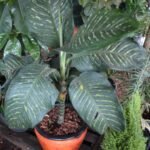


Pawpaw Seedlings
KSh 1,000.00 Original price was: KSh 1,000.00.KSh 799.00Current price is: KSh 799.00.
Key Features of Pawpaw Seedlings:
- Fast Growth: Pawpaw seedlings mature quickly, producing fruit within 6–12 months.
- High Yield: Each tree can produce up to 50–100 fruits annually under optimal conditions.
- Drought Tolerance: Thrives in regions with moderate rainfall and well-drained soil.
- Compact Size: Suitable for small-scale farming or home gardens due to its manageable size.
- Nutritional Value: Produces fruits rich in vitamins A, C, and E, as well as fiber and antioxidants.
Introduction
Pawpaw seedlings are a must-have for Kenyan farmers and gardeners looking to grow nutritious, high-demand fruit. Known for their fast growth and high yield, pawpaw plants produce delicious and vitamin-rich fruits, making them a valuable crop for both personal consumption and commercial purposes. With minimal care, pawpaw seedlings thrive in Kenya’s tropical climate, offering a sustainable and profitable farming option.
Benefits of Growing Pawpaw Seedlings:
- Economic Potential: Pawpaw fruits have high market demand, ensuring steady income for farmers.
- Food Security: Provides a reliable source of nutritious fruit for families.
- Environmental Impact: Enhances green cover and promotes sustainable farming.
- Low Maintenance: Requires minimal care and input, making it ideal for both experienced and beginner farmers.
- Versatility: Pawpaw can be eaten fresh, processed into juice, or used in value-added products like jam or dried fruit.
Conditions for Optimal Growth:
- Soil: Prefers well-drained, fertile soil with a neutral to slightly acidic pH.
- Sunlight: Requires full sun exposure for healthy growth and maximum fruiting.
- Watering: Moderate watering is essential; avoid waterlogged conditions.
- Spacing: Plant seedlings 2.5–3 meters apart to allow room for root and canopy development.
- Temperature: Thrives in warm climates with temperatures between 20–30°C.
- Pest Management: Protect against common pests like fruit flies and aphids using organic or chemical treatments.
Care Tips:
- Fertilization: Apply organic manure or balanced fertilizer every 4–6 weeks to promote growth and fruiting.
- Pruning: Remove old or diseased leaves to maintain plant health.
- Mulching: Use mulch to retain soil moisture and suppress weeds.
- Support: Young plants may need staking to prevent wind damage.
Conclusion:
Pawpaw seedlings are a rewarding investment for Kenyan farmers and gardeners. Their fast growth, high yields, and nutritional benefits make them a versatile crop for both home and commercial use. With minimal care and optimal growing conditions, pawpaw seedlings offer a sustainable way to improve food security and generate income. Plant pawpaw seedlings today and enjoy the benefits of this high-value crop!
Only logged in customers who have purchased this product may leave a review.
You may also like…
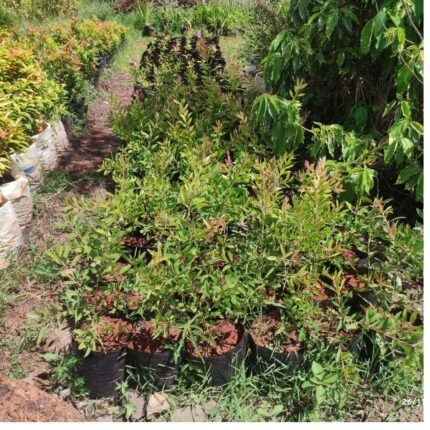
1ft Bottle Brush Tree Seedlings
Key Features of Bottle Brush Tree Seedlings
- Sizes for All Needs: Available from 1ft to 5ft, catering to gardeners and landscapers alike.
- Low Maintenance: Easy to care for, drought-tolerant, and pest-resistant.
- Year-Round Greenery: Evergreen foliage adds beauty and structure to any garden.
- Pollinator-Friendly: Attracts bees, butterflies, and birds to support biodiversity.
- Eco-Friendly Benefits: Improves air quality and stabilizes soil.
Conclusion
Bottle Brush Tree Seedlings 1ft are an exceptional choice for anyone looking to add vibrant color, charm, and environmental benefits to their garden or landscape. With their stunning red flowers, year-round greenery, and pollinator-friendly nature, these trees provide beauty and functionality for years to come.
By providing the right growing conditions—such as well-draining soil, full sunlight, and proper watering—you can enjoy the vibrant blossoms and lush foliage of these remarkable trees.
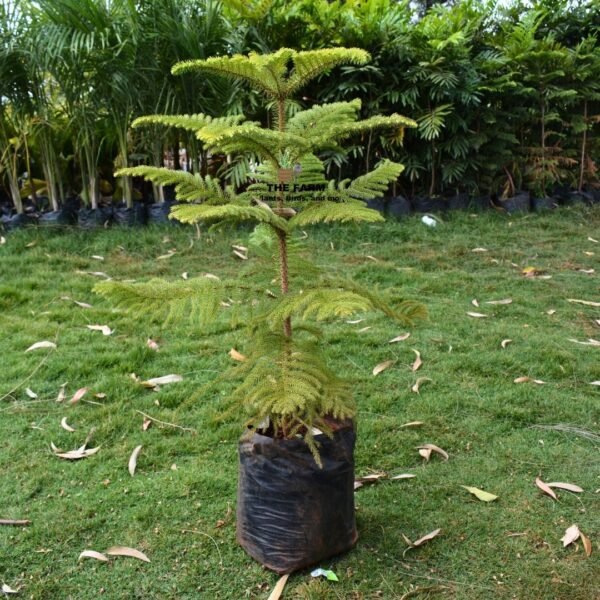
Alkeria Tree Seedling
Key Features of Alkeria Tree Seedlings
- Fast-Growing: Alkeria tree seedlings are known for their rapid growth rate, making them ideal for reforestation and landscaping projects that require quick vegetation coverage.
- Resilient to Various Soil Types: These seedlings adapt well to a range of soil conditions, though they thrive best in fertile, well-draining soil rich in organic matter.
- High Carbon Absorption: Alkeria trees are effective carbon sinks, making them valuable for carbon offset projects and environmentally conscious planting initiatives.
- Attractive Foliage: The trees often feature vibrant, dense foliage that adds aesthetic appeal to any landscape, contributing to both decorative and practical uses.
- Soil-Enriching Properties: As they mature, Alkeria trees contribute to soil health through natural leaf litter and organic matter, improving the soil structure and fertility.
- Support for Biodiversity: These trees provide habitat and food sources for various wildlife, supporting local ecosystems and enhancing biodiversity in the area where they are planted.
- Drought Tolerance: Alkeria seedlings, once established, are relatively drought-resistant, making them suitable for regions with limited rainfall.
- Pest and Disease Resistance: Alkeria species typically have natural defenses against common pests and diseases, requiring minimal intervention once established.
- Versatile Uses: Apart from environmental benefits, mature Alkeria trees can be utilized for timber, shade, windbreaks, and ornamental purposes, adding value for landowners and communities.
Bougainvillea Plant Seedlings Red
Key Features of Bougainvillea Seedlings
- Local Name: Bougainvillea
- Scientific Name: Bougainvillea spp.
- Growth Habit: Climbing vine or bushy shrub with thorny stems and colorful bracts
- Sunlight: Full sun
- Watering Needs: Regular watering when young; highly drought-tolerant once established
- Soil Type: Well-drained, sandy, or loamy soils; tolerates poor soil conditions
- Maintenance Level: Low; light pruning to encourage blooming and maintain shape
- Ideal Temperature: 20°C - 35°C
- Uses: Ornamental climbing vine, hedging, ground cover, bonsai, security barriers
Use in Kenya
Bougainvillea is widely planted across Kenya for its brilliant display of colors and ease of maintenance. It is often used to adorn fences, walls, and trellises, creating vibrant floral cascades that beautify homes, hotels, public spaces, and roadsides. Its resilience and adaptability to Kenya’s diverse climates make it an enduring favorite among gardeners and landscapers alike. With proper care and pruning, Bougainvillea seedlings will grow into stunning plants that provide eye-catching color and a touch of nature’s charm wherever they are planted.
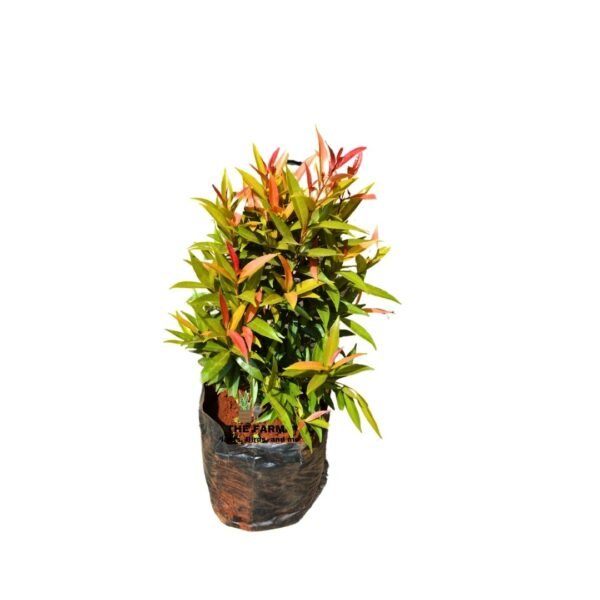
Eugenia Seedling in Kenya
Key Features of Eugenia Seedlings
- Local Name: Muthiga Seedlings
- Scientific Name: Eugenia uniflora or Syzygium paniculatum
- Growth Habit: Dense, bushy growth with glossy green leaves and red new shoots
- Sunlight: Full sun to partial shade
- Watering Needs: Regular watering, especially when young; moderately drought-tolerant once established
- Soil Type: Well-drained, fertile soils with good organic content
- Maintenance Level: Low; requires minimal pruning
- Ideal Temperature: 18°C - 28°C
- Uses: Hedges, privacy screens, ornamental shrubs, topiaries
Use in Kenya
Eugenia seedlings are widely used across Kenya for creating lush, green landscapes that are both functional and attractive. Their popularity continues to grow among homeowners, landscapers, and garden designers due to their adaptability and easy maintenance. By planting Muthiga seedlings, you can quickly transform your outdoor space into a beautiful, green haven that offers privacy, beauty, and environmental benefits.
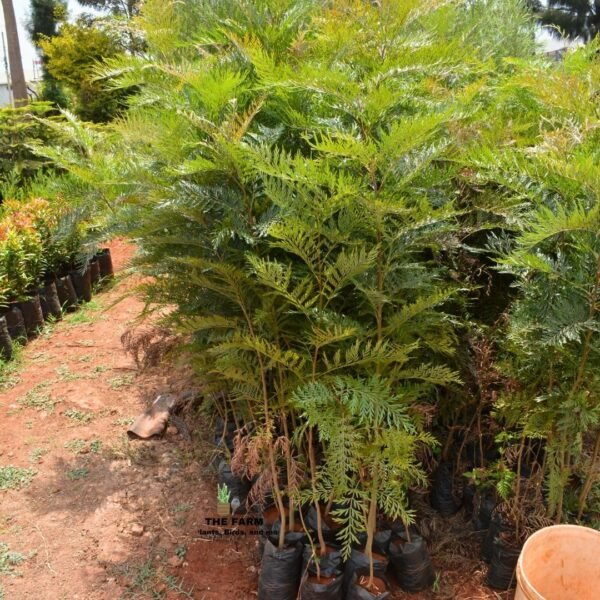
Green Grevillea Tree Seedling 3.5ft in Kenya
Key Features of Green Grevillea Tree Seedlings 3.5ft
- Perfect Size for Planting
- At 3.5ft tall, these seedlings are ideal for easy transplanting and rapid establishment in your garden.
- Vibrant Foliage and Unique Flowers
- Grevillea trees are known for their bright green foliage and striking, nectar-rich flowers that attract pollinators.
- Low Maintenance
- Requires minimal care once established; drought-tolerant and adaptable to various soil conditions.
- Eco-Friendly Benefits
- Supports biodiversity, reduces soil erosion, and sequesters carbon for environmental improvement.
- Versatile Uses
- Ideal for ornamental landscaping, privacy screens, and erosion control.
Use in Kenya
Grevillea seedlings are widely used across Kenya for both commercial and ecological purposes. They are commonly planted on farms to provide shade for coffee and tea, along boundaries as windbreaks, and in reforestation efforts to combat deforestation. The tree’s fast growth, versatility, and minimal care requirements make it an invaluable asset to Kenyan agriculture and environmental management. By planting Grevillea seedlings, you contribute to sustainable farming, protect your crops, and support Kenya’s green initiatives.
Related products
Alkeria Tree (4 ft) in Kenya seedling.
Key Features of the Alkeria Tree
- Rapid Growth: The Alkeria tree grows quickly, reaching up to 4 feet in a relatively short time, making it ideal for reforestation and soil stabilization projects.
- Drought Tolerance: With its resilience in dry conditions, the Alkeria tree is well-suited for arid and semi-arid areas, requiring minimal water once established.
- Soil Enrichment: Known for improving soil fertility, the Alkeria tree adds organic matter, enhancing soil health and benefiting surrounding plants.
- Carbon Absorption: High carbon sequestration ability makes it effective in reducing carbon footprint, contributing positively to climate change mitigation.
- Biodiversity Support: Provides a habitat and food source for various wildlife species, promoting biodiversity and supporting local ecosystems.
- Adaptability: Grows well in a variety of soils and climates, making it versatile for different Kenyan landscapes, from highlands to plains.
- Low Maintenance: Once established, the tree requires minimal upkeep, making it a practical choice for long-term sustainability projects.
Coleus in Kenya
Key Features of Coleus
- Local Name: Mbarika
- Scientific Name: Coleus blumei or Plectranthus scutellarioides
- Growth Habit: Bushy, with a wide range of leaf colors and patterns
- Sunlight: Partial to full shade
- Watering Needs: Regular watering; keep the soil moist but not soggy
- Soil Type: Well-drained, fertile, loamy soil
- Maintenance Level: Low
- Ideal Temperature: 18°C - 30°C
- Propagation: Easy from cuttings
Use in Kenya
Coleus is a popular plant in Kenyan homes, gardens, and landscapes, often used to add color and texture to outdoor and indoor settings. Its ease of growth and maintenance makes it a preferred choice for anyone looking to brighten up their space with minimal effort. The local love for Mbarika continues to grow, as it not only beautifies spaces but also embodies the vibrant spirit of Kenyan gardening culture.
Cordyline Red Seedlings in Kenya
Key Features of Cordyline Red Seedlings (Mti Mwekundu or Red Ti Plant)
- Local Name: Mti Mwekundu or Red Ti Plant
- Scientific Name: Cordyline fruticosa (Red variety)
- Growth Habit: Upright plant with large, lance-shaped red leaves
- Sunlight: Full sun to partial shade
- Watering Needs: Moderate; water regularly but allow soil to dry slightly between watering
- Soil Type: Well-drained, fertile soil enriched with organic matter
- Maintenance Level: Low; occasional pruning to remove old leaves
- Ideal Temperature: 18°C - 30°C
- Uses: Ornamental plant, indoor decoration, garden borders, pots
Use in Kenya
In Kenya, Cordyline Red is widely used in residential and commercial landscaping for its bold color and ability to thrive in warm climates. It is commonly planted in garden beds, along pathways, or in large pots for patios and verandas. Its striking appearance makes it a popular choice for adding a tropical touch to outdoor spaces, while its air-purifying qualities enhance indoor environments. Mti Mwekundu is particularly appreciated for its resilience, requiring minimal care while providing maximum visual impact in any garden or home.
Eugenia Plant
Introduction
The Eugenia plant is a beautiful, evergreen shrub that is prized for its ability to be shaped into intricate designs or used as a lush hedge. Its fast growth and ease of maintenance make it a favorite for landscaping, while its small fruits offer a delightful, edible bonus.
Benefits
- Ornamental Appeal: The plant's dense, glossy foliage is perfect for creating formal gardens, privacy screens, or decorative topiaries.
- Edible Fruits: Some species produce small, cherry-like fruits that are both ornamental and edible, adding a unique touch to the garden.
- Low Maintenance: Once established, Eugenia requires minimal care and is resistant to most pests and diseases.
- Versatile Landscaping: It can be grown as a hedge, privacy screen, container plant, or topiary, adding greenery to a variety of spaces.
- Fast Growth: It’s a great option for those looking to quickly fill out hedges or create a green backdrop in their gardens.
Conditions for Optimal Growth
- Soil: Prefers well-draining soil rich in organic matter. It can tolerate a variety of soils but thrives in slightly acidic conditions.
- Sunlight: Grows best in full sun to partial shade. For optimal growth and fruit production, provide at least 6 hours of sunlight daily.
- Watering: Regular watering is required, especially during the growing season. Allow the soil to dry slightly between waterings to prevent waterlogging.
- Temperature: Best suited for warm, tropical, and subtropical climates (USDA zones 9-11). It can tolerate mild frost but should be protected from freezing temperatures.
- Pruning: Prune regularly to maintain shape, especially when used for topiaries or hedging. Pruning encourages denser growth and helps control its size.
Conclusion
The Eugenia plant is a fantastic choice for gardeners looking for a versatile, fast-growing shrub that serves both ornamental and practical purposes. Its lush, evergreen foliage and ease of pruning make it perfect for hedging, topiary, or container gardening, while its edible fruits add an extra layer of interest. With the right care, the Eugenia plant can be a beautiful and functional addition to any landscape.
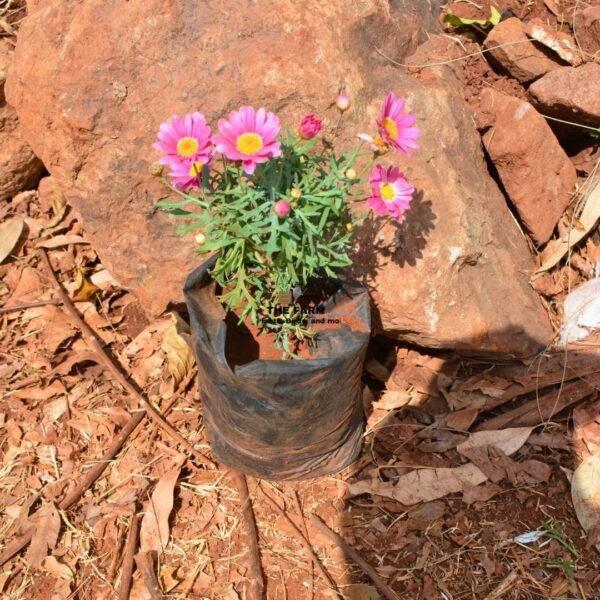
Marguerite Daisy Seedling in Kenya
Key Features of Marguerite Daisy Seedlings (Daisy)
- Local Name: Daisy
- Scientific Name: Argyranthemum frutescens
- Growth Habit: Bushy, upright plant with daisy-like flowers
- Sunlight: Full sun
- Watering Needs: Regular watering; drought-tolerant once established
- Soil Type: Well-drained, fertile soils with moderate moisture content
- Maintenance Level: Low; deadheading and light pruning recommended
- Ideal Temperature: 15°C - 25°C
- Uses: Garden beds, borders, containers, low hedges, and ornamental displays
Use in Kenya
In Kenya, Marguerite Daisies are often used to brighten gardens, driveways, and patios. Their ability to bloom profusely even in warm climates makes them a common choice for gardeners looking for low-maintenance, high-impact flowers. These plants also do well in pots, allowing gardeners to enjoy their cheerful blooms on balconies or verandas. With Marguerite Daisy seedlings, you can add lasting beauty and charm to your garden spaces with minimal effort.
Oleander (Nerium Oleander) Seedling in Kenya
Key Features of Oleander Seedlings
- Local Name: Oleander
- Scientific Name: Nerium oleander
- Growth Habit: Evergreen shrub with dense foliage and fragrant, colorful flowers
- Sunlight: Full sun to partial shade
- Watering Needs: Regular watering when young; drought-tolerant once established
- Soil Type: Well-drained, sandy, or loamy soils; adaptable to poor soil conditions
- Maintenance Level: Low; light pruning after flowering
- Ideal Temperature: 20°C - 35°C
- Uses: Ornamental shrub, hedging, privacy screens, mixed garden beds
Use in Kenya
Oleander is widely planted in Kenya for its ornamental value and resilience in hot, dry conditions. It is often used along roadsides, in public parks, and in private gardens as a low-maintenance option that brings color and fragrance to outdoor spaces. Despite its beauty, it’s important to note that Oleander is toxic if ingested, so it should be planted with caution in areas accessible to pets and small children. Overall, Oleander remains a favored choice for Kenyan gardeners seeking a hardy, attractive shrub that stands up to the country’s climate challenges while enhancing the aesthetic appeal of their landscapes.
Pentas Lanceolata Seedlings in Kenya
Key Features of Pentas Lanceolata Seedlings (Pentas or Star Flower)
- Local Name: Pentas or Star Flower
- Scientific Name: Pentas lanceolata
- Growth Habit: Bushy, upright plant with clusters of star-shaped flowers
- Sunlight: Full sun
- Watering Needs: Moderate watering; drought-tolerant once established
- Soil Type: Well-drained, fertile soil
- Maintenance Level: Low; deadheading and light pruning for bushier growth
- Ideal Temperature: 20°C - 30°C
- Uses: Garden beds, borders, containers, pollinator gardens
Use in Kenya
In Kenya, Pentas is widely used in gardens, parks, and along walkways due to its vibrant flowers and resilience in the country’s warm climate. It is especially valued for its ability to attract butterflies, adding life and movement to gardens. The plant’s long blooming season and low maintenance requirements make it a go-to choice for enhancing both private and public green spaces. Whether planted in beds, borders, or containers, Pentas seedlings bring continuous beauty and charm to any Kenyan garden.


Reviews
There are no reviews yet.