


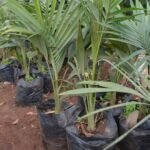

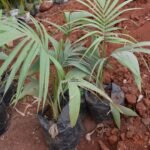


Piccabeen Palm Seedlings
Original price was: KSh 1,000.00.KSh 899.00Current price is: KSh 899.00.
Key Features of Piccabeen Palm Seedlings
- Slender and Elegant Appearance: Features a smooth, gray trunk with feathery, arching fronds.
- Fast Growth: Quickly establishes itself, reaching heights of 15–20 meters at maturity.
- Low Maintenance: Easy to care for, requiring minimal pruning and attention.
- Climate Adaptability: Thrives in tropical, subtropical, and temperate climates, suitable for many Kenyan regions.
- Versatile Usage: Perfect for landscaping gardens, lining driveways, or as a feature tree.
Introduction
Piccabeen Palm seedlings, also known as Archontophoenix cunninghamiana, are an excellent choice for adding elegance and a tropical vibe to gardens, landscapes, and urban spaces in Kenya. Native to subtropical and tropical regions, these palms are valued for their slender trunks and lush green fronds, making them ideal for ornamental and landscaping purposes. Their ability to thrive in diverse climates makes them a versatile and sustainable choice for Kenyan environments.
Benefits of Piccabeen Palm Seedlings
- Ornamental Appeal: Adds a lush, tropical aesthetic to any outdoor or indoor space.
- Environmental Contribution: Enhances green cover and provides shade in hot climates.
- Durable and Resilient: Withstands various weather conditions, including occasional droughts.
- Soil Stabilization: Helps prevent erosion when planted in sloped or degraded areas.
- Commercial Value: High demand in landscaping and urban beautification projects.
Conditions for Optimal Growth
To ensure Piccabeen Palm seedlings thrive:
- Soil: Prefers well-draining, fertile soil enriched with organic matter.
- Sunlight: Grows best in full sun but tolerates partial shade.
- Watering: Requires regular watering when young; becomes drought-tolerant as it matures.
- Spacing: Plant seedlings 3–5 meters apart to allow sufficient space for growth.
- Temperature: Thrives in warm climates but can tolerate cooler conditions.
- Fertilization: Apply palm-specific fertilizer for healthy and vibrant growth.
Conclusion
Piccabeen Palm seedlings are the perfect addition to Kenyan gardens and landscapes, offering elegance, resilience, and minimal maintenance. Their slender trunks and lush fronds create a tropical ambiance, enhancing outdoor spaces, driveways, and urban areas. Whether you’re a homeowner, landscaper, or urban planner, Piccabeen Palm seedlings are a sustainable investment in beautifying the environment. Plant Piccabeen Palm seedlings today and enjoy the beauty and benefits of this tropical gem!
| plant type | Palm trees |
|---|
Only logged in customers who have purchased this product may leave a review.
You may also like…


Christmas Palm Tree Seedling
Key Features of the Christmas Palm Tree Seedling
- Tropical palm with a slender trunk and feathery fronds
- Compact size, perfect for small gardens, patios, or large pots
- Bright red berries around Christmas time add seasonal color
- Low maintenance and easy to care for once established
- Thrives in full sunlight and well-draining soil
- Ideal for warm climates like those in Kenya


Mexican Fan Palm (Washingtonia robusta) Seedling.
Key Features
- Height: Grows rapidly to a height of 70-100 feet (21-30 meters), making it one of the tallest ornamental palms.
- Fronds: Large, fan-shaped fronds that can reach up to 5 feet (1.5 meters) wide, creating a lush canopy.
- Trunk: Slender, slightly tapering, and typically brownish-gray with a rough texture.
- Flowers: Produces small, white flowers on long inflorescences, blooming in spring and summer.
- Fruits: Round, black berries that attract wildlife such as birds and small mammals.


Royal Palm (Roystonea regia)
Introduction
The Royal Palm is a symbol of grace and grandeur in tropical landscapes. Its towering presence and iconic look make it a standout plant in gardens, parks, and urban settings. Whether lining streets or serving as a centerpiece in large open spaces, the Royal Palm brings a sense of tropical luxury to any environment.
Benefits
- Aesthetic Beauty: With its tall trunk and large, arching fronds, the Royal Palm adds elegance and tropical charm to landscapes, making it perfect for formal avenues and expansive gardens.
- Wind and Salt Tolerant: The Royal Palm can tolerate coastal conditions and is resilient to salt spray, making it an ideal choice for beachfront properties or tropical climates.
- Low Maintenance: Once established, Royal Palms require little care and can adapt to a variety of soil types and conditions.
- Wildlife Habitat: Its fruits and leaves provide habitat and food for birds and other wildlife.
- Shade Provider: The wide, expansive fronds provide shade and create a cooling effect, which can be especially beneficial in hot climates.
Conditions for Optimal Growth
- Soil: Prefers well-draining, slightly acidic soil. It can tolerate a variety of soil types but grows best in rich, loamy soil.
- Sunlight: Thrives in full sun, needing at least 6-8 hours of direct sunlight per day for optimal growth.
- Watering: Requires regular watering, especially when young. Once established, it becomes more drought-tolerant, though it prefers consistent moisture.
- Temperature: Best grown in tropical or subtropical climates, withstanding temperatures as low as 28°F (-2°C) but thriving in warmer conditions.
- Fertilization: Benefits from regular fertilization with a palm-specific fertilizer, especially in nutrient-deficient soils, to prevent yellowing leaves and encourage healthy growth.
Conclusion
The Royal Palm is a symbol of grandeur and elegance, perfect for those looking to make a dramatic statement in their landscaping. With its tall, smooth trunk and graceful, arching fronds, this tropical palm brings a lush, luxurious feel to any garden or avenue. Low maintenance and resilient, the Royal Palm is an excellent choice for coastal, tropical, and subtropical environments where its beauty and stature can be fully appreciated.
Related products


Coleus in Kenya
Key Features of Coleus
- Local Name: Mbarika
- Scientific Name: Coleus blumei or Plectranthus scutellarioides
- Growth Habit: Bushy, with a wide range of leaf colors and patterns
- Sunlight: Partial to full shade
- Watering Needs: Regular watering; keep the soil moist but not soggy
- Soil Type: Well-drained, fertile, loamy soil
- Maintenance Level: Low
- Ideal Temperature: 18°C - 30°C
- Propagation: Easy from cuttings
Use in Kenya
Coleus is a popular plant in Kenyan homes, gardens, and landscapes, often used to add color and texture to outdoor and indoor settings. Its ease of growth and maintenance makes it a preferred choice for anyone looking to brighten up their space with minimal effort. The local love for Mbarika continues to grow, as it not only beautifies spaces but also embodies the vibrant spirit of Kenyan gardening culture.


Coleus Seedling Plants
Key Features of Coleus Seedling Plants
- Bright and Diverse Foliage: Available in striking shades of red, purple, green, yellow, and pink, with intricate patterns.
- Compact Size: Seedlings are easy to handle and transplant, typically ranging from 10–15 cm tall.
- Fast Growth: Rapidly matures into a bushy plant, filling gardens with vibrant colors.
- Shade Tolerance: Thrives in partially shaded environments, perfect for gardens with limited sunlight.
- Low Maintenance: Requires minimal care and grows well with basic gardening skills.


Ficus Benjamina
Key Features of the Ficus Benjamina
- Elegant, arching branches with glossy green leaves
- Ideal for both indoor and outdoor environments
- Air-purifying properties that improve indoor air quality
- Versatile plant that can be pruned to suit any space
- Thrives in bright, indirect light with regular watering
- Low maintenance, perfect for homes and offices

Green Dieffenbachia Indoor Plant
Key Features of Green Dieffenbachia Indoor Plant
- Vibrant Foliage
The Green Dieffenbachia is renowned for its large, broad leaves with intricate patterns and markings. The leaves are usually green with white or light-colored veins, creating a striking contrast that enhances the plant's visual appeal. - Height and Spread
The plant can grow up to 5 feet tall indoors, making it an impressive statement piece in any room. Its bushy growth habit adds volume and lushness to your indoor garden, making it a perfect addition to spacious areas. - Adaptability to Indoor Conditions
One of the standout features of the Green Dieffenbachia is its adaptability. It can thrive in various indoor environments, from low-light corners to brightly lit areas. This versatility makes it an ideal choice for different rooms in your home, whether it's the living room, bedroom, or office. - Toxicity Warning
It's essential to note that the Green Dieffenbachia is toxic to pets and humans if ingested. Its sap contains calcium oxalate crystals, which can cause irritation and swelling in the mouth and throat. Therefore, it’s important to keep it out of reach of children and pets. - Longevity
With proper care, the Green Dieffenbachia can live for many years, becoming a long-term companion in your indoor plant collection. Its slow to moderate growth rate ensures that it remains manageable and doesn’t outgrow its space too quickly. - Ease of Propagation
The plant is relatively easy to propagate through stem cuttings. Simply cut a section of the stem with at least one leaf node and place it in water or directly into soil. Within a few weeks, roots will start to develop, and you'll have a new Green Dieffenbachia plant to enjoy or share with friends.


Snake Plant Seedlings
Key Features
- Low Maintenance: Easy to grow, even for beginners, and requires minimal care.
- Air Purifying: Known for improving air quality by filtering toxins and releasing oxygen.
- Compact Size: Seedlings are perfect for small spaces, growing gradually into tall, elegant plants.
- Durable: Hardy and resilient to varying conditions, including low light and irregular watering.
- Unique Aesthetic: Features sword-like, upright leaves with striking green patterns.


Umbrella Tree – Schefflera Actinophylla
Key Features:
- Local Name (Kenya): Nzasi
- Air Purification: Schefflera plants are known for their ability to filter toxins from indoor air.
- Easy Maintenance: Low-maintenance and ideal for busy individuals.
- Modern Décor: Concrete planters provide a contemporary and minimalist look, enhancing the overall appeal of the Schefflera.
- Stability: Concrete planters offer a sturdy base, ensuring the plant remains healthy and upright.


Reviews
There are no reviews yet.