


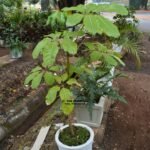


Umbrella Tree – Schefflera Actinophylla
Original price was: KSh 5,000.00.KSh 3,999.00Current price is: KSh 3,999.00.
Key Features:
- Local Name (Kenya): Nzasi
- Air Purification: Schefflera plants are known for their ability to filter toxins from indoor air.
- Easy Maintenance: Low-maintenance and ideal for busy individuals.
- Modern Décor: Concrete planters provide a contemporary and minimalist look, enhancing the overall appeal of the Schefflera.
- Stability: Concrete planters offer a sturdy base, ensuring the plant remains healthy and upright.
Introduction
Schefflera, locally known as “Nzasi” in Kenya, is a popular houseplant known for its attractive, umbrella-like leaves. This versatile plant brings an elegant touch of greenery to any indoor or outdoor space. When placed in a sleek concrete planter, Schefflera adds a modern and stylish element to contemporary décor, making it a perfect choice for those looking to enhance their living or working environments.
Benefits of Schefflera in Concrete Planters
Schefflera plants offer numerous benefits, especially when potted in durable concrete planters:
- Air purification: Schefflera is known for its ability to cleanse the air by removing harmful toxins, contributing to a healthier indoor environment.
- Visual appeal: The lush, green foliage of Schefflera adds a refreshing, natural touch to modern interiors, while concrete planters provide a stylish contrast.
- Easy maintenance: This plant is low-maintenance, making it an excellent choice for busy individuals who want to enjoy the beauty of greenery without extensive care.
- Stability and durability: Concrete planters provide a sturdy base, ensuring the Schefflera remains upright and healthy as it grows.
Conditions for Optimal Growth of Schefflera in Concrete Planters
To ensure that your Schefflera thrives in a concrete planter, it’s essential to provide the ideal growing conditions:
- Light: Schefflera thrives in bright, indirect sunlight. While it can tolerate lower light, more light will encourage healthier and faster growth.
- Watering: Allow the soil to dry slightly between waterings. Overwatering can lead to root rot, so proper drainage in the concrete planter is crucial.
- Soil: Use a well-draining potting mix to prevent water retention and promote healthy root development.
- Humidity: Schefflera prefers moderate humidity. Misting the plant occasionally or placing it near a humidity source will keep it thriving.
Conclusion
Schefflera, or “Nzasi” in Kenya, is a visually stunning and functional plant that can enhance any space. When paired with a stylish concrete planter, it not only adds modern appeal but also contributes to a healthier indoor environment by purifying the air. With proper care, Schefflera can thrive for years, bringing both beauty and well-being to your home or office.
| plant type | Schefflera/Umbrella trees |
|---|
Only logged in customers who have purchased this product may leave a review.
Related products


Aglaonema Pearl in a Spherical Fiber Glass Planter
Key Features of the Aglaonema Pearl in a Spherical Fiber Glass Planter
- Striking variegated leaves with silver, green, and cream hues
- Low-light tolerance, ideal for indoor spaces
- Low-maintenance care with minimal watering needs
- Air-purifying properties for a healthier environment
- Sleek and durable spherical fiber glass planter
- Perfect for homes and offices in Kenya


Alocasia Micholitziana ‘Frydek’ (Green Velvet) seedling.
Key Features of Alocasia Micholitziana 'Frydek'
- Velvety Texture The standout feature of Alocasia ‘Frydek’ is its soft, velvety leaves. The deep green foliage contrasts beautifully with the sharp white veins, creating an eye-catching display that adds luxury and elegance to any indoor space.
- Arrow-Shaped Leaves The large, arrow-shaped leaves are one of the most distinctive characteristics of this plant. Each leaf can grow up to 18 inches long, making it a striking addition to any plant collection. The unique shape, combined with the velvet texture, gives it a sculptural quality that adds depth and dimension to any room.
- Compact Growth Unlike some other Alocasias, the ‘Frydek’ tends to maintain a more compact growth habit, reaching around 2 to 3 feet tall indoors. This makes it an ideal choice for homes or apartments with limited space.
- Tuberous Growth Alocasia ‘Frydek’ grows from underground tubers, which store nutrients and help the plant survive during periods of dormancy. These tubers also make it easy to propagate the plant, either by dividing the tubers or growing new plants from cuttings.
- Dormancy Like many tropical plants, Alocasia ‘Frydek’ may enter a period of dormancy in the winter. During this time, its growth may slow down, and it may even lose some leaves. This is normal, and the plant will resume growth in the spring. Reduce watering during this period and avoid fertilization.
- Toxicity It's important to note that Alocasia ‘Frydek’ is toxic to both pets and humans if ingested. The plant contains calcium oxalate crystals, which can cause irritation, swelling, and discomfort in the mouth and throat. Be sure to keep it out of reach of curious pets and small children.


Ficus Benjamina
Key Features of the Ficus Benjamina
- Elegant, arching branches with glossy green leaves
- Ideal for both indoor and outdoor environments
- Air-purifying properties that improve indoor air quality
- Versatile plant that can be pruned to suit any space
- Thrives in bright, indirect light with regular watering
- Low maintenance, perfect for homes and offices

Lavandula x allardii Seedling
Key Features of Lavandula x Allardii Seedlings
- Foliage Lavandula x allardii is characterized by its silvery-green foliage. The leaves are narrow and evergreen, retaining their beautiful silver hue year-round, even in cooler climates. The foliage also exudes a mild fragrance, adding to its appeal.
- Flowers This lavender hybrid produces clusters of violet-blue flowers on long, slender stems. Blooming typically occurs from late spring to early fall, and deadheading the spent flowers can encourage a second round of blooms later in the season.
- Growth Habit Lavandula x allardii grows into a compact, bushy plant with an upright growth habit. When fully matured, the plant can reach heights of 2 to 3 feet, making it a manageable size for most gardens or patio containers.
- Aroma The distinct fragrance of Lavandula x allardii sets it apart from other lavender varieties. Its aroma has a more camphor-like undertone, making it ideal for use in essential oils and scented products. This aromatic quality also makes it a popular choice for herbal and medicinal purposes.
- Longevity When properly cared for, Lavandula x allardii can be a long-lived plant. Regular pruning, adequate sunlight, and well-drained soil will help ensure the plant remains healthy and blooms year after year.
- Hybrid Vigor Being a hybrid variety, Lavandula x allardii exhibits hybrid vigor, which means it is often more resilient and robust than its parent species. This hybridization has resulted in a plant that is particularly hardy and adaptable to different growing conditions.


Sansevieria Trifasciata Green Hahnii Snake Plant in a Plastic Planter
Key Features of the Snake Plant (Local Name: Ndovu)
- Compact and stylish, fitting small spaces
- Deep green leaves with elegant variation
- It requires minimal care and infrequent watering
- Air-purifying abilities for healthier indoor air
- Thrives in indirect light and low-light conditions
- Durable plastic planter for easy placement and mobility


Reviews
There are no reviews yet.