

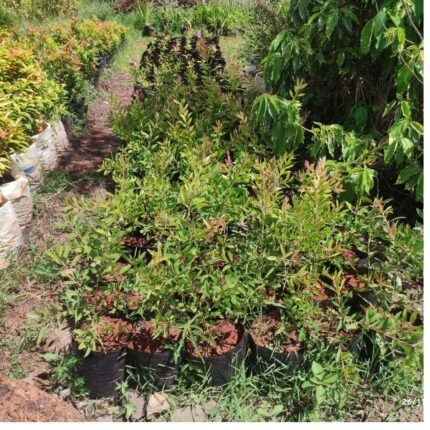
Jatropha Curcas Plant Seedlings
KSh 1,500.00 Original price was: KSh 1,500.00.KSh 999.00Current price is: KSh 999.00.
Key Features of Jatropha Curcas Plant Seedlings
- Biofuel Potential: Seeds are a rich source of oil, used to produce biodiesel.
- Drought Tolerance: Thrives in arid and semi-arid conditions with minimal water.
- Soil Conservation: Prevents erosion and restores degraded soils.
- Fast Growth: Establishes quickly, with mature plants producing seeds within 2–3 years.
- Low Maintenance: Requires minimal inputs, making it suitable for marginal lands.
Out of stock
Introduction
Jatropha curcas plant seedlings, also known as physic nut seedlings, are a revolutionary choice for farmers and environmentalists in Kenya. These seedlings are ideal for biofuel production, soil conservation, and agroforestry projects. With their drought tolerance and ability to thrive in marginal soils, Jatropha curcas seedlings offer a sustainable and profitable solution for reforestation, energy generation, and land rehabilitation.
Benefits of Jatropha Curcas Plant Seedlings
- Renewable Energy Source: Seeds are converted into biodiesel, reducing dependency on fossil fuels.
- Environmental Conservation: Promotes reforestation, reduces carbon emissions, and supports biodiversity.
- Economic Opportunity: High demand for biodiesel offers a profitable market for farmers.
- Soil Restoration: Improves soil fertility and prevents desertification.
- Versatility: Can be used as a living fence or integrated into agroforestry systems.
Conditions for Optimal Growth
To ensure Jatropha curcas plant seedlings thrive:
- Soil: Grows well in well-drained sandy or loamy soils, even in poor soil conditions.
- Sunlight: Requires full sun exposure for optimal growth and seed production.
- Watering: Minimal water requirements; drought-tolerant once established.
- Spacing: Plant seedlings 2–3 meters apart for seed production or 1 meter for living fences.
- Temperature: Thrives in warm climates, withstanding temperatures of up to 40°C.
- Pest and Disease Management: Rarely affected by pests; occasional monitoring ensures healthy growth.
Conclusion
Jatropha curcas plant seedlings are an excellent investment for Kenyan farmers and environmental conservationists. Their ability to produce biofuel, rehabilitate degraded lands, and thrive in harsh conditions makes them a sustainable and versatile choice. Whether for large-scale energy production, agroforestry projects, or land restoration, Jatropha seedlings provide immense economic and environmental benefits. Plant Jatropha curcas seedlings today and contribute to Kenya’s greener and more sustainable future!
Only logged in customers who have purchased this product may leave a review.
You may also like…
1ft Bottle Brush Tree Seedlings
Key Features of Bottle Brush Tree Seedlings
- Sizes for All Needs: Available from 1ft to 5ft, catering to gardeners and landscapers alike.
- Low Maintenance: Easy to care for, drought-tolerant, and pest-resistant.
- Year-Round Greenery: Evergreen foliage adds beauty and structure to any garden.
- Pollinator-Friendly: Attracts bees, butterflies, and birds to support biodiversity.
- Eco-Friendly Benefits: Improves air quality and stabilizes soil.
Conclusion
Bottle Brush Tree Seedlings 1ft are an exceptional choice for anyone looking to add vibrant color, charm, and environmental benefits to their garden or landscape. With their stunning red flowers, year-round greenery, and pollinator-friendly nature, these trees provide beauty and functionality for years to come.
By providing the right growing conditions—such as well-draining soil, full sunlight, and proper watering—you can enjoy the vibrant blossoms and lush foliage of these remarkable trees.
2ft Bottle Brush Tree Seedlings
Key Features of 2ft Bottle Brush Tree Seedlings:
- Height: 2ft tall, compact and easy to manage.
- Growth Potential: Quickly establishes and grows into a mature flowering tree.
- Aesthetic Appeal: Features evergreen foliage and iconic red, brush-like flowers.
- Versatility: Suitable for small gardens, borders, and ornamental planting.
- Eco-Friendly Benefits: Attracts pollinators, stabilizes soil, and improves air quality.
Conclusion:
The 2ft bottle brush tree seedlings are a versatile and manageable choice for gardeners and landscapers looking to add vibrant color and greenery to their outdoor spaces. With their compact size, low maintenance needs, and fast-growing nature, these seedlings are perfect for creating hedges, borders, or standalone features.
By providing proper soil, full sun exposure, and regular watering during the establishment phase, you’ll enjoy the beauty and ecological benefits of these trees for years to come.
Call to Action:
Transform your garden with 2ft bottle brush tree seedlings! Order today and enjoy a stunning, eco-friendly addition to your landscape that grows into a vibrant and iconic tree.
Alkeria Tree Seedling
Key Features of Alkeria Tree Seedlings
- Fast-Growing: Alkeria tree seedlings are known for their rapid growth rate, making them ideal for reforestation and landscaping projects that require quick vegetation coverage.
- Resilient to Various Soil Types: These seedlings adapt well to a range of soil conditions, though they thrive best in fertile, well-draining soil rich in organic matter.
- High Carbon Absorption: Alkeria trees are effective carbon sinks, making them valuable for carbon offset projects and environmentally conscious planting initiatives.
- Attractive Foliage: The trees often feature vibrant, dense foliage that adds aesthetic appeal to any landscape, contributing to both decorative and practical uses.
- Soil-Enriching Properties: As they mature, Alkeria trees contribute to soil health through natural leaf litter and organic matter, improving the soil structure and fertility.
- Support for Biodiversity: These trees provide habitat and food sources for various wildlife, supporting local ecosystems and enhancing biodiversity in the area where they are planted.
- Drought Tolerance: Alkeria seedlings, once established, are relatively drought-resistant, making them suitable for regions with limited rainfall.
- Pest and Disease Resistance: Alkeria species typically have natural defenses against common pests and diseases, requiring minimal intervention once established.
- Versatile Uses: Apart from environmental benefits, mature Alkeria trees can be utilized for timber, shade, windbreaks, and ornamental purposes, adding value for landowners and communities.
Australia Umbrella Tree Seedling
Key Features
- Lush Foliage: The tree features broad, glossy green leaves arranged in an umbrella-like pattern, creating a striking visual appeal.
- Fast Growth: Known for its rapid growth, making it an ideal choice for quickly filling spaces.
- Versatile Placement: Suitable for indoor pots or outdoor gardens, adding a tropical ambiance wherever it is placed.
- Air-purifying Qualities: Helps filter indoor air, promoting a healthier living environment.
- Low Maintenance: Requires minimal care, making it suitable for both beginners and seasoned plant enthusiasts.
Christmas Palm Tree (Adonidia merrillii) in a fiberglass pot
Introduction
The Christmas Palm Tree is an eye-catching addition to any tropical or subtropical landscape. With its elegant silhouette and festive fruits, it brings a unique charm, especially during the holiday season. Whether used as a focal point in a garden or planted along streets, this palm tree enhances the beauty of its surroundings.
Benefits
- Aesthetic Appeal: The graceful fronds and slender trunk provide a tropical, ornamental look, ideal for enhancing garden spaces and outdoor areas.
- Fast Growth: Quick to establish and grow, making it a great option for those looking to create an instant landscape effect.
- Wildlife Attraction: The bright fruits attract birds and other wildlife, adding life to the garden.
- Low Maintenance: Once established, the Christmas Palm requires minimal care, making it suitable for busy gardeners.
- Versatility: It can be planted as a solitary specimen, in clusters, or as part of a tropical garden design.
Conditions for Optimal Growth
- Soil: Prefers well-draining, sandy, or loamy soil. It thrives in slightly acidic to neutral pH levels.
- Sunlight: Requires full sun for best growth and fruit production. It can tolerate partial shade but may not grow as vigorously.
- Watering: Regular watering is important, especially during dry periods. However, avoid overwatering as it can lead to root rot.
- Temperature: Best suited for warm, tropical climates. It can tolerate brief cooler temperatures but is sensitive to frost.
- Fertilization: Benefits from regular feeding with a balanced fertilizer during the growing season to promote healthy growth and fruiting.
Conclusion
The Christmas Palm Tree is a delightful addition to any tropical landscape, known for its slender stature, lush foliage, and vibrant red fruits. Its quick growth and low maintenance requirements make it ideal for a variety of settings, from residential gardens to public spaces. With its festive appearance, the Christmas Palm not only enhances the beauty of outdoor environments but also brings a touch of holiday cheer year-round.
Christmas Palm Tree Seedling
Key Features of the Christmas Palm Tree Seedling
- Tropical palm with a slender trunk and feathery fronds
- Compact size, perfect for small gardens, patios, or large pots
- Bright red berries around Christmas time add seasonal color
- Low maintenance and easy to care for once established
- Thrives in full sunlight and well-draining soil
- Ideal for warm climates like those in Kenya
Related products
Bougainvillea Plant Seedlings Red
Key Features of Bougainvillea Seedlings
- Local Name: Bougainvillea
- Scientific Name: Bougainvillea spp.
- Growth Habit: Climbing vine or bushy shrub with thorny stems and colorful bracts
- Sunlight: Full sun
- Watering Needs: Regular watering when young; highly drought-tolerant once established
- Soil Type: Well-drained, sandy, or loamy soils; tolerates poor soil conditions
- Maintenance Level: Low; light pruning to encourage blooming and maintain shape
- Ideal Temperature: 20°C - 35°C
- Uses: Ornamental climbing vine, hedging, ground cover, bonsai, security barriers
Use in Kenya
Bougainvillea is widely planted across Kenya for its brilliant display of colors and ease of maintenance. It is often used to adorn fences, walls, and trellises, creating vibrant floral cascades that beautify homes, hotels, public spaces, and roadsides. Its resilience and adaptability to Kenya’s diverse climates make it an enduring favorite among gardeners and landscapers alike. With proper care and pruning, Bougainvillea seedlings will grow into stunning plants that provide eye-catching color and a touch of nature’s charm wherever they are planted.
Catharanthus Roseus Seedlings in Kenya
Key Features of Catharanthus Roseus Seedlings (Vinca or Sadaa)
- Local Name: Vinca or Sadaa
- Scientific Name: Catharanthus roseus
- Growth Habit: Compact, bushy plant with glossy green leaves and bright flowers
- Sunlight: Full sun to partial shade
- Watering Needs: Regular watering for seedlings; drought-tolerant once established
- Soil Type: Well-drained, sandy, or loamy soils with moderate fertility
- Maintenance Level: Low; occasional pruning for bushier growth
- Ideal Temperature: 20°C - 30°C
- Uses: Garden beds, borders, potted plants, medicinal use, ground cover
Use in Kenya
In Kenya, Vinca or Sadaa is a common choice for home gardens, roadsides, and public spaces due to its ability to flourish in a wide range of conditions. It’s especially valued in water-scarce regions, where its drought resistance allows it to survive with minimal irrigation. Whether used as ground cover, border plants, or grown in containers, Vinca or Sadaa offers vibrant, low-maintenance beauty for any garden setting.
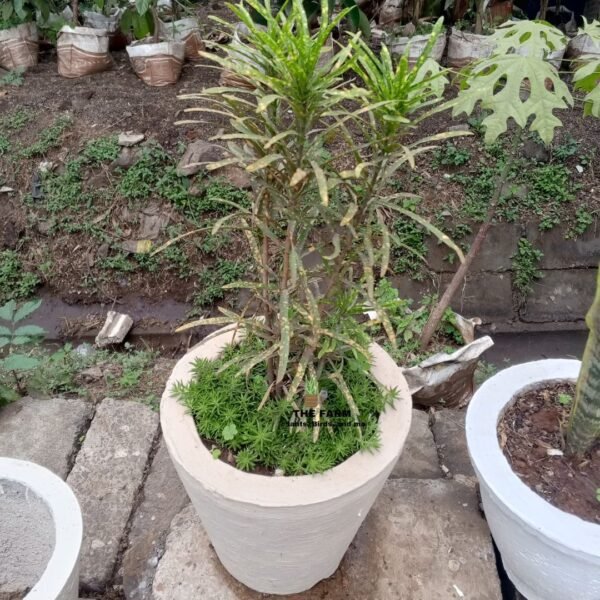
Croton Plant
Introduction
The Croton plant is a stunning and bold addition to any garden or indoor plant collection. Known for its vibrant, multicolored leaves, this tropical beauty brings an explosion of color and life to any space. Its variety of leaf shapes and striking hues make it a favorite among plant enthusiasts looking for something unique and eye-catching.
Benefits
- Aesthetic Appeal: The vibrant colors and varied leaf shapes of Croton make it an excellent choice for adding visual interest to gardens or homes.
- Air Purification: Croton helps filter indoor air, improving air quality by removing pollutants like formaldehyde and benzene.
- Low Maintenance: Despite its dramatic appearance, Croton requires relatively little care once its growing conditions are met.
- Versatile Use: It can be grown as a houseplant, or in outdoor gardens as a border or accent plant.
- Durable: With proper care, Croton can be a long-lasting, robust plant that provides year-round color.
Conditions for Optimal Growth
- Soil: Croton prefers well-draining soil rich in organic matter. A mix of peat-based potting soil or loamy soil works best.
- Sunlight: Bright, indirect light is essential for Croton to maintain its vivid colors. While it can tolerate some shade, lack of light can dull its foliage.
- Watering: Keep the soil evenly moist but not waterlogged. Crotons like high humidity, so misting the plant occasionally helps. Allow the top layer of soil to dry between waterings.
- Temperature: Best grown in warm environments between 60°F and 85°F (16°C to 29°C). Avoid cold drafts and temperatures below 50°F (10°C), as Croton is sensitive to cold.
- Fertilization: Feed with a balanced liquid fertilizer once a month during the growing season (spring and summer). Reduce feeding in fall and winter.
Conclusion
The Croton plant is a bold, eye-catching option for anyone looking to add color and texture to their garden or home. Its dazzling foliage, combined with its low maintenance needs, makes it an ideal choice for both indoor and outdoor gardening. With proper care, the Croton plant will reward you with vivid, ever-changing colors, providing year-round tropical beauty to any space.
Gazania Plant Seedling in Kenya
Key Features of Gazania Seedlings
- Local Name: Gazania
- Scientific Name: Gazania rigens
- Growth Habit: Low-growing, spreading plant with large, daisy-like flowers
- Sunlight: Full sun
- Watering Needs: Regular watering when young; drought-tolerant once established
- Soil Type: Well-drained, sandy, or loamy soils; adaptable to poor soil conditions
- Maintenance Level: Low; minimal care required, deadhead spent blooms
- Ideal Temperature: 20°C - 35°C
- Uses: Borders, ground cover, rock gardens, containers, and hanging baskets
Use in Kenya
Gazania is widely used in Kenyan gardens due to its vibrant flowers and ability to withstand heat and drought. It is often seen brightening up garden borders, used as ground cover in rock gardens, or planted in containers to add color to patios and balconies. Its resilience and adaptability to Kenya’s sunny climate make it a favored choice for those seeking a colorful, low-maintenance garden. By planting Gazania seedlings, you add a cheerful, eye-catching element to your outdoor space that thrives with little effort.
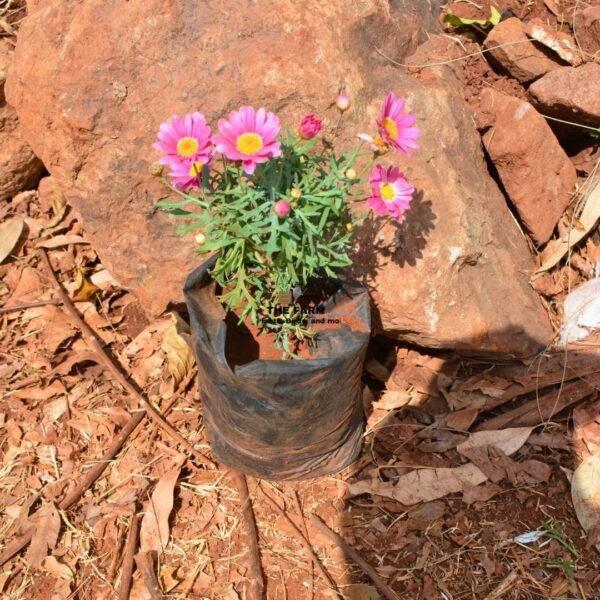
Marguerite Daisy Seedling in Kenya
Key Features of Marguerite Daisy Seedlings (Daisy)
- Local Name: Daisy
- Scientific Name: Argyranthemum frutescens
- Growth Habit: Bushy, upright plant with daisy-like flowers
- Sunlight: Full sun
- Watering Needs: Regular watering; drought-tolerant once established
- Soil Type: Well-drained, fertile soils with moderate moisture content
- Maintenance Level: Low; deadheading and light pruning recommended
- Ideal Temperature: 15°C - 25°C
- Uses: Garden beds, borders, containers, low hedges, and ornamental displays
Use in Kenya
In Kenya, Marguerite Daisies are often used to brighten gardens, driveways, and patios. Their ability to bloom profusely even in warm climates makes them a common choice for gardeners looking for low-maintenance, high-impact flowers. These plants also do well in pots, allowing gardeners to enjoy their cheerful blooms on balconies or verandas. With Marguerite Daisy seedlings, you can add lasting beauty and charm to your garden spaces with minimal effort.
Oleander (Nerium Oleander) Seedling in Kenya
Key Features of Oleander Seedlings
- Local Name: Oleander
- Scientific Name: Nerium oleander
- Growth Habit: Evergreen shrub with dense foliage and fragrant, colorful flowers
- Sunlight: Full sun to partial shade
- Watering Needs: Regular watering when young; drought-tolerant once established
- Soil Type: Well-drained, sandy, or loamy soils; adaptable to poor soil conditions
- Maintenance Level: Low; light pruning after flowering
- Ideal Temperature: 20°C - 35°C
- Uses: Ornamental shrub, hedging, privacy screens, mixed garden beds
Use in Kenya
Oleander is widely planted in Kenya for its ornamental value and resilience in hot, dry conditions. It is often used along roadsides, in public parks, and in private gardens as a low-maintenance option that brings color and fragrance to outdoor spaces. Despite its beauty, it’s important to note that Oleander is toxic if ingested, so it should be planted with caution in areas accessible to pets and small children. Overall, Oleander remains a favored choice for Kenyan gardeners seeking a hardy, attractive shrub that stands up to the country’s climate challenges while enhancing the aesthetic appeal of their landscapes.
Ruby Red Alternanthera Seedling in Kenya
Key Features of Ruby Red Alternanthera Seedlings
- Local Name: Ruby Leaf
- Scientific Name: Alternanthera dentata
- Growth Habit: Low-growing, bushy plant with vibrant red to purple foliage
- Sunlight: Full sun to partial shade
- Watering Needs: Regular watering; prefers consistently moist but well-drained soil
- Soil Type: Well-drained, fertile soils; adaptable to sandy and loamy conditions
- Maintenance Level: Low; occasional pruning to maintain shape and promote bushiness
- Ideal Temperature: 18°C - 30°C
- Uses: Borders, ground cover, mixed plantings, decorative pots, and accent plants
Use in Kenya
Ruby Red Alternanthera is widely used in Kenyan gardens for its striking foliage and versatility in landscaping. It is often planted along garden edges, in flower beds, or as a colorful ground cover that contrasts beautifully with green-leafed plants. Its heat tolerance and minimal care requirements make it a perfect choice for both urban and rural gardens across Kenya. By planting Ruby Red Alternanthera seedlings, you are enhancing your garden with vibrant colors and easy-to-manage plants that thrive in the local climate.
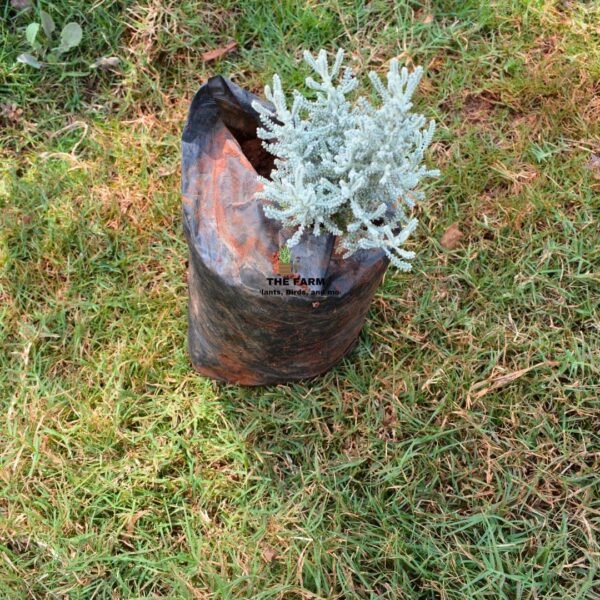
Santolina Chamaecyparissus Seedling in Kenya
Key Features of Santolina Chamaecyparissus Seedlings
- Common Name: Lavender Cotton
- Scientific Name: Santolina Chamaecyparissus
- Growth Habit: Compact, bushy shrub with silver-gray foliage and yellow button-like flowers
- Sunlight: Full sun
- Watering Needs: Regular watering when young; drought-tolerant once established
- Soil Type: Well-drained, sandy, or rocky soils; prefers slightly alkaline conditions
- Maintenance Level: Low; light pruning to maintain shape and promote growth
- Ideal Temperature: 15°C - 30°C
- Uses: Borders, rock gardens, low hedges, herb gardens, and ornamental accents
Use in Kenya
Santolina is ideal for Kenyan landscapes due to its resilience to heat and dry conditions. It is often used in Mediterranean-style gardens, mixed borders, or as a low-maintenance ground cover that adds texture and color contrast. Its aromatic qualities make it a lovely addition to pathways and garden beds where its fragrance can be enjoyed. By planting Santolina Chamaecyparissus seedlings, you bring a touch of elegance and practicality to your garden, enhancing both the aesthetics and functionality of your outdoor space.


Reviews
There are no reviews yet.