


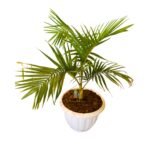
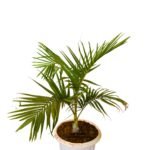


Growing Palm Trees
KSh 2,850.00
Introduction
Welcome to our guide on growing palm tree plants! Whether you are a seasoned gardener or a beginner, palm trees can add a touch of exotic beauty to any space. In this article, we will explore the various factors involved in successfully growing and caring for palm tree plants, including watering, soils, pruning, propagation, sunlight, fertilization, diseases, time taken to mature, and flowering. Additionally, we will discuss the benefits of having palm tree plants as house plants and provide information on where to buy them in Kenya.
Watering
Palm trees require regular watering to thrive. While the frequency may vary depending on the species and climate, a general rule of thumb is to water deeply and allow the soil to dry out slightly between waterings. Avoid overwatering, as this can lead to root rot. It is important to note that palm trees are relatively drought-tolerant once established.
Soils
Palm trees prefer well-draining soils that are rich in organic matter. A sandy loam soil with a pH level between 6 and 7 is ideal. If your soil is heavy or clayey, consider amending it with sand or organic compost to improve drainage.
Pruning
Pruning palm trees is primarily done for aesthetic purposes or to remove dead or damaged fronds. It is important to avoid excessive pruning, as this can weaken the tree. When pruning, always use clean, sharp tools and make clean cuts to minimize the risk of disease transmission.
Propagation
There are several methods of propagating palm trees, including seed propagation and division. Growing palm trees from seeds can be a lengthy process, as they can take several months to germinate. Division involves separating the offshoots from the parent tree and replanting them. This method allows for quicker establishment.
Sunlight
Palm trees thrive in bright, indirect sunlight. While they can tolerate some shade, they generally require several hours of direct sunlight each day to grow and develop properly. Place your palm tree in a location where it can receive adequate light, such as near a south-facing window.
Fertilize
Proper fertilization is essential for the healthy growth of palm trees. Use a slow-release, balanced fertilizer specifically formulated for palm trees. Apply the fertilizer according to the package instructions, usually every three to four months during the growing season. Avoid over-fertilization, as this can cause nutrient burn.
Diseases
Palm trees can be susceptible to certain diseases, including fungal infections, nutrient deficiencies, and pest infestations. Regularly inspect your palm tree for any signs of disease or pest damage, such as yellowing fronds or small holes in the leaves. Promptly address any issues to prevent further damage.
Time Taken to Mature and Flowering
The time taken for a palm tree to mature and flower varies depending on the species. Some palm trees can take several years to reach maturity and produce flowers. It is important to research the specific species you are growing to understand its growth and flowering patterns.
Benefits of Palm Tree Plants as House Plants
Palm tree plants offer numerous benefits when grown indoors. They not only add a tropical and elegant touch to any space but also help purify the air by removing toxins. Additionally, palm trees are known for their resilience and ability to adapt to various indoor conditions, making them suitable for different rooms in the house.
Where to Buy Palm Tree Plants in Kenya
If you are looking to buy palm tree plants in Kenya, we recommend visiting thefarm.co.ke. They offer a wide selection of palm tree species, including popular varieties such as the Areca Palm, Kentia Palm, and Lady Palm. With their convenient online platform, you can easily browse and select the palm tree plants of your choice. The Farm also provides reliable delivery services, ensuring that your plants arrive safely at your doorstep.
Now that you have a comprehensive understanding of how to grow and care for palm tree plants, you can confidently embark on your palm tree gardening journey. With proper attention and care, your palm tree plants will thrive and bring a touch of tropical beauty to your home or garden.
Only logged in customers who have purchased this product may leave a review.
You may also like…


Related products


Jade plant
Key Features:
- Appearance: Glossy, oval-shaped green leaves with thick, fleshy stems.
- Size: Compact and manageable, ideal for small spaces or as a tabletop plant.
- Drought Tolerant: Stores water in its leaves, making it perfect for busy gardeners.
- Symbolism: Often considered a symbol of wealth and prosperity.


Sansevieria Trifasciata Green Hahnii Snake Plant in a Plastic Planter
Key Features of the Snake Plant (Local Name: Ndovu)
- Compact and stylish, fitting small spaces
- Deep green leaves with elegant variation
- It requires minimal care and infrequent watering
- Air-purifying abilities for healthier indoor air
- Thrives in indirect light and low-light conditions
- Durable plastic planter for easy placement and mobility


Reviews
There are no reviews yet.