

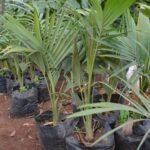
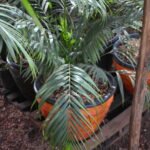
Piccabeen Palm in Rattan Flower Pot
Original price was: KSh 15,000.00.KSh 12,999.00Current price is: KSh 12,999.00.
Key Features:
- Elegant Appearance: Features a slender Piccabeen Palm with graceful, arching fronds housed in a chic rattan flower pot.
- Compact Size: The palm stands at approximately 1–1.2 meters tall, making it suitable for various spaces.
- Durable Planter: The rattan pot (60–70 cm tall and 30–40 cm wide) is sturdy and adds a natural, modern aesthetic.
- Climate Adaptability: Thrives in Kenya’s warm climate, both indoors and outdoors.
- Low Maintenance: Requires minimal care and pruning, making it a convenient plant for busy homeowners.
Introduction:
The Piccabeen Palm in a rattan flower pot is a stylish and practical addition to any space, combining tropical charm with modern decor. Standing at approximately 1–1.2 meters tall, this beautiful palm is housed in a durable rattan planter, making it perfect for both indoor and outdoor use. Whether you’re decorating your home, office, or garden, this tropical plant enhances your space with elegance and natural beauty. Its low maintenance needs make it an excellent choice for plant lovers of all experience levels in Kenya.
Benefits:
- Aesthetic Enhancement: Adds a calming, tropical vibe to any space, whether indoors or outdoors.
- Stress Relief: The greenery creates a relaxing environment, promoting mental well-being.
- Eco-Friendly: Contributes to improving air quality and environmental aesthetics.
- Versatile Use: Suitable for homes, patios, balconies, offices, or gardens.
- Durable and Long-Lasting: The rattan planter is sturdy, and the palm itself thrives with proper care.
Care Tips:
- Lighting: Prefers bright, indirect sunlight but can tolerate partial shade.
- Watering: Water moderately; allow the topsoil to dry slightly before the next watering.
- Fertilization: Use palm-specific fertilizer every 6–8 weeks to promote lush growth.
- Cleaning: Wipe the fronds with a damp cloth to remove dust and keep them vibrant.
- Pruning: Remove any dried or dead fronds to maintain a neat appearance.
Conditions for Optimal Growth:
- Soil: Prefers well-draining, fertile soil enriched with organic matter.
- Sunlight: Thrives in partial shade to full sun, making it adaptable for both indoor and outdoor settings.
- Water Requirements: Moderate watering is essential; overwatering should be avoided.
- Temperature: Grows well in Kenya’s warm tropical climate but should be protected from frost.
- Spacing: Allow sufficient space around the pot for the fronds to spread comfortably.
Conclusion:
The Piccabeen Palm in a rattan flower pot is a versatile and elegant choice for Kenyan homes, offices, and gardens. Its lush green fronds and stylish planter make it a standout decorative feature, while its low maintenance needs make it accessible to both beginners and experienced plant enthusiasts. Whether you’re looking to elevate your indoor decor or create a serene outdoor ambiance, the Piccabeen Palm is the perfect addition to your space. Invest in this tropical beauty today and enjoy a lifetime of elegance and tranquility!
| plant type | Palm trees |
|---|
Only logged in customers who have purchased this product may leave a review.
You may also like…

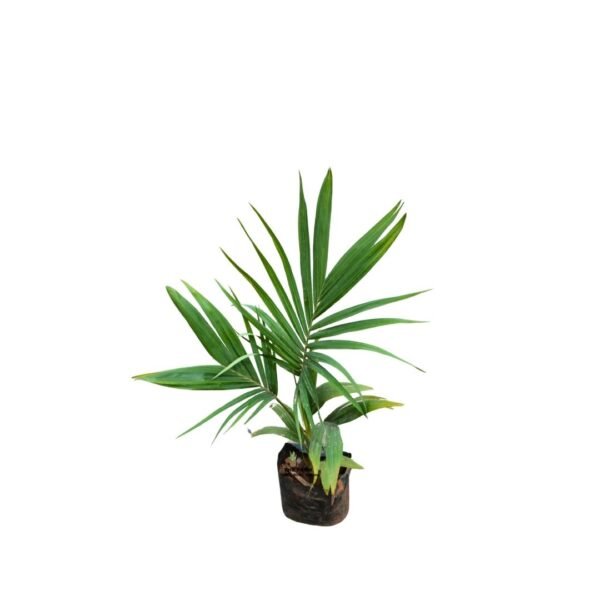
Christmas Palm Tree Seedling
Key Features of the Christmas Palm Tree Seedling
- Tropical palm with a slender trunk and feathery fronds
- Compact size, perfect for small gardens, patios, or large pots
- Bright red berries around Christmas time add seasonal color
- Low maintenance and easy to care for once established
- Thrives in full sunlight and well-draining soil
- Ideal for warm climates like those in Kenya


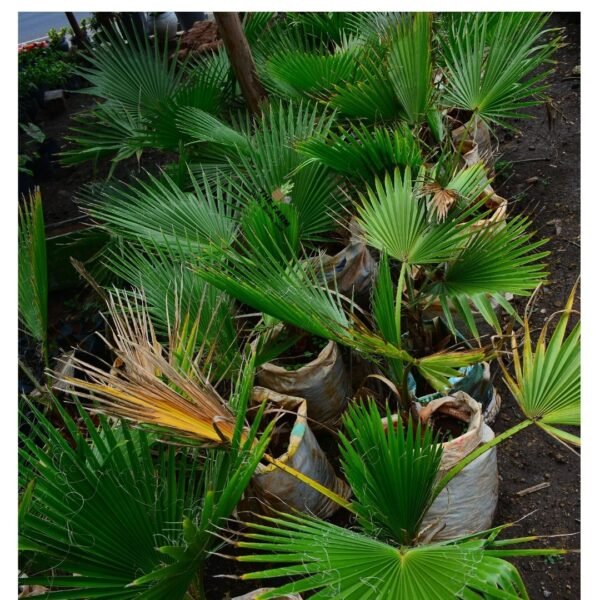
Mexican Fan Palm (Washingtonia robusta) Seedling.
Key Features
- Height: Grows rapidly to a height of 70-100 feet (21-30 meters), making it one of the tallest ornamental palms.
- Fronds: Large, fan-shaped fronds that can reach up to 5 feet (1.5 meters) wide, creating a lush canopy.
- Trunk: Slender, slightly tapering, and typically brownish-gray with a rough texture.
- Flowers: Produces small, white flowers on long inflorescences, blooming in spring and summer.
- Fruits: Round, black berries that attract wildlife such as birds and small mammals.
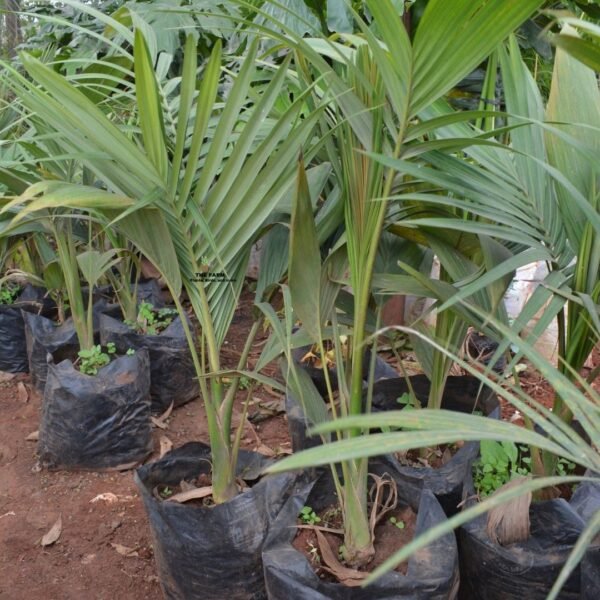
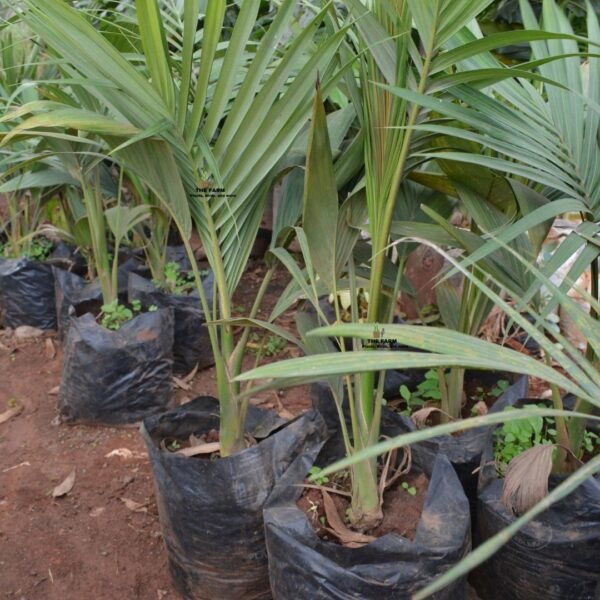
Piccabeen Palm Seedlings
Key Features of Piccabeen Palm Seedlings
- Slender and Elegant Appearance: Features a smooth, gray trunk with feathery, arching fronds.
- Fast Growth: Quickly establishes itself, reaching heights of 15–20 meters at maturity.
- Low Maintenance: Easy to care for, requiring minimal pruning and attention.
- Climate Adaptability: Thrives in tropical, subtropical, and temperate climates, suitable for many Kenyan regions.
- Versatile Usage: Perfect for landscaping gardens, lining driveways, or as a feature tree.


Royal Palm (Roystonea regia)
Introduction
The Royal Palm is a symbol of grace and grandeur in tropical landscapes. Its towering presence and iconic look make it a standout plant in gardens, parks, and urban settings. Whether lining streets or serving as a centerpiece in large open spaces, the Royal Palm brings a sense of tropical luxury to any environment.
Benefits
- Aesthetic Beauty: With its tall trunk and large, arching fronds, the Royal Palm adds elegance and tropical charm to landscapes, making it perfect for formal avenues and expansive gardens.
- Wind and Salt Tolerant: The Royal Palm can tolerate coastal conditions and is resilient to salt spray, making it an ideal choice for beachfront properties or tropical climates.
- Low Maintenance: Once established, Royal Palms require little care and can adapt to a variety of soil types and conditions.
- Wildlife Habitat: Its fruits and leaves provide habitat and food for birds and other wildlife.
- Shade Provider: The wide, expansive fronds provide shade and create a cooling effect, which can be especially beneficial in hot climates.
Conditions for Optimal Growth
- Soil: Prefers well-draining, slightly acidic soil. It can tolerate a variety of soil types but grows best in rich, loamy soil.
- Sunlight: Thrives in full sun, needing at least 6-8 hours of direct sunlight per day for optimal growth.
- Watering: Requires regular watering, especially when young. Once established, it becomes more drought-tolerant, though it prefers consistent moisture.
- Temperature: Best grown in tropical or subtropical climates, withstanding temperatures as low as 28°F (-2°C) but thriving in warmer conditions.
- Fertilization: Benefits from regular fertilization with a palm-specific fertilizer, especially in nutrient-deficient soils, to prevent yellowing leaves and encourage healthy growth.
Conclusion
The Royal Palm is a symbol of grandeur and elegance, perfect for those looking to make a dramatic statement in their landscaping. With its tall, smooth trunk and graceful, arching fronds, this tropical palm brings a lush, luxurious feel to any garden or avenue. Low maintenance and resilient, the Royal Palm is an excellent choice for coastal, tropical, and subtropical environments where its beauty and stature can be fully appreciated.
Related products
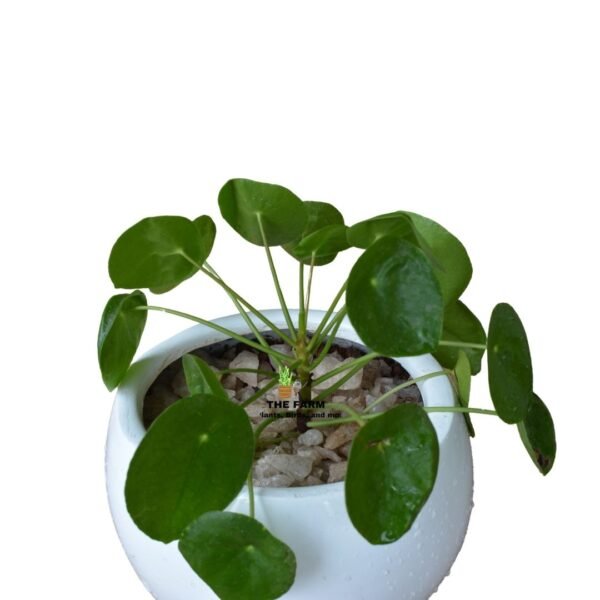
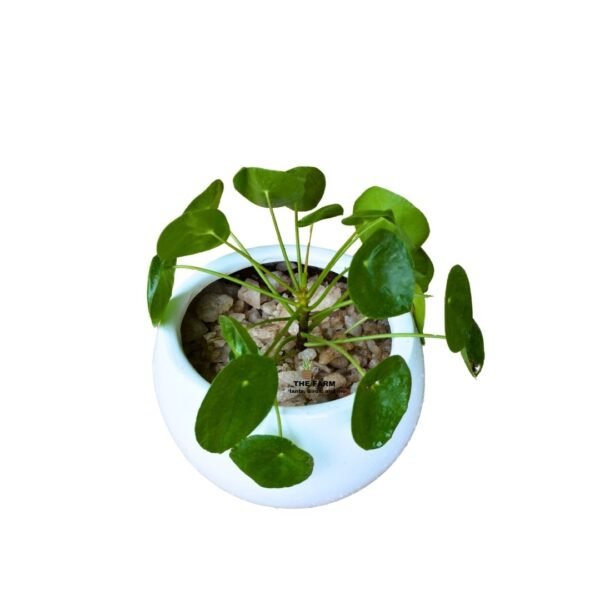
Chinese Money Plant in a Fiberglass Planter
Key Features of the Chinese Money Plant (Local Name: Mti wa Pesa)
- Symbolizes prosperity and good fortune
- Round, coin-shaped leaves that are visually striking
- Easy to maintain, needing minimal watering and indirect light
- Air-purifying properties for improved indoor air quality
- Stylish fiberglass planter, lightweight and durable
- Ideal for homes and offices in Kenya, enhancing décor while promoting positive energy
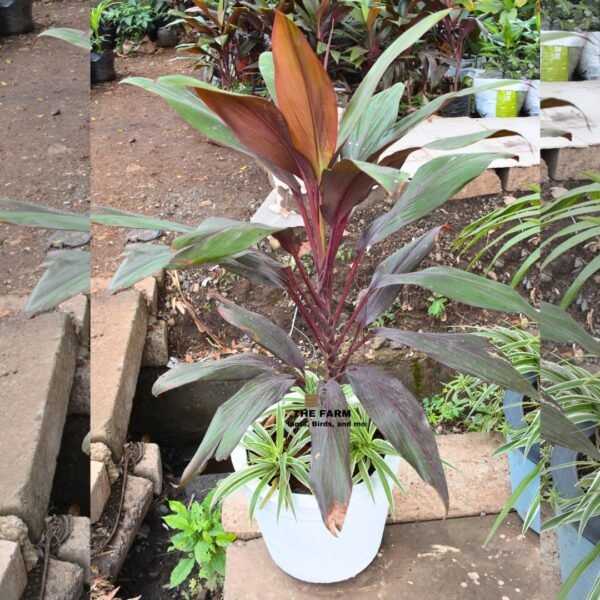
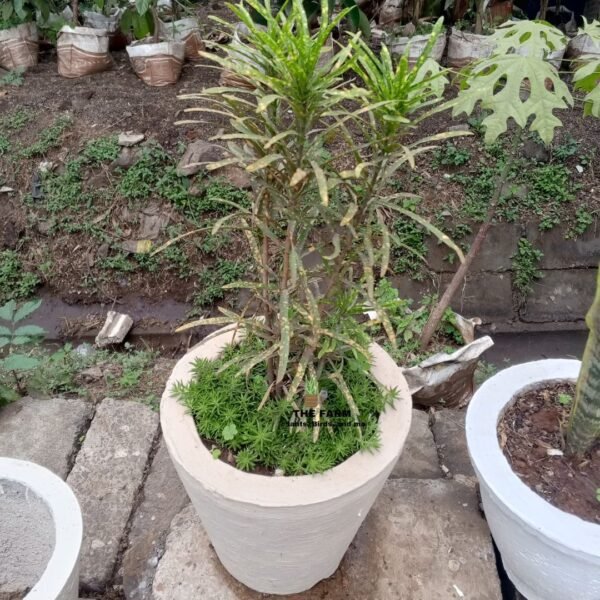

Lavandula x allardii Seedling
Key Features of Lavandula x Allardii Seedlings
- Foliage Lavandula x allardii is characterized by its silvery-green foliage. The leaves are narrow and evergreen, retaining their beautiful silver hue year-round, even in cooler climates. The foliage also exudes a mild fragrance, adding to its appeal.
- Flowers This lavender hybrid produces clusters of violet-blue flowers on long, slender stems. Blooming typically occurs from late spring to early fall, and deadheading the spent flowers can encourage a second round of blooms later in the season.
- Growth Habit Lavandula x allardii grows into a compact, bushy plant with an upright growth habit. When fully matured, the plant can reach heights of 2 to 3 feet, making it a manageable size for most gardens or patio containers.
- Aroma The distinct fragrance of Lavandula x allardii sets it apart from other lavender varieties. Its aroma has a more camphor-like undertone, making it ideal for use in essential oils and scented products. This aromatic quality also makes it a popular choice for herbal and medicinal purposes.
- Longevity When properly cared for, Lavandula x allardii can be a long-lived plant. Regular pruning, adequate sunlight, and well-drained soil will help ensure the plant remains healthy and blooms year after year.
- Hybrid Vigor Being a hybrid variety, Lavandula x allardii exhibits hybrid vigor, which means it is often more resilient and robust than its parent species. This hybridization has resulted in a plant that is particularly hardy and adaptable to different growing conditions.


Reviews
There are no reviews yet.