
-30%



Concrete Trough - 5ft
Original price was: KSh 15,000.00.KSh 9,999.00Current price is: KSh 9,999.00.

Guava Tree Seedling
Original price was: KSh 1,000.00.KSh 699.00Current price is: KSh 699.00.
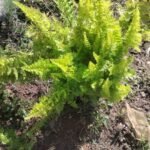
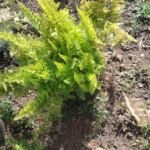
Boston Fern seedling.
Original price was: KSh 1,000.00.KSh 699.00Current price is: KSh 699.00.
Key Features of the Boston Fern
- Lush Appearance: Elegant, feathery fronds with a vibrant green hue add a touch of nature to any setting.
- Air Purifier: Naturally cleans the air by removing toxins and increasing indoor humidity.
- Low Maintenance: Requires simple care with moderate watering and indirect light.
- Pet-Friendly: Non-toxic to cats and dogs, making it a safe choice for pet owners.
- Versatile Placement: Perfect for indoor decor, shaded outdoor gardens, or humid areas like bathrooms.
- Timeless Appeal: Complements all decor styles, from modern to rustic.
Description
The Boston Fern (Nephrolepis exaltata) is a timeless favorite among plant enthusiasts, renowned for its lush, feathery fronds and graceful arching appearance. This classic houseplant not only adds a vibrant splash of greenery to any interior but also enhances the ambiance with its natural charm. A versatile and low-maintenance plant, the Boston Fern thrives in various environments, making it an excellent choice for homes, offices, and gardens.
Additional information
| plant type | Fern plants |
|---|
Reviews (0)
Only logged in customers who have purchased this product may leave a review.
Shipping & Delivery
You may also like…


-32%

Bamboo and Sphere Fiber Glass Planter
features
- Made from durable materials.
- Lightweight and easy to move.
- the planter is Weather-resistant
- suitable for both indoor and outdoor use.
- Stylish design that complements modern interiors.
- Bamboo plants are versatile and can be used for:
1. Air purification.
2. Adding a touch of greenery to your home.
3. Creating a natural aesthetic in any room.


-14%
Lavandula x allardii Seedling
Key Features of Lavandula x Allardii Seedlings
- Foliage Lavandula x allardii is characterized by its silvery-green foliage. The leaves are narrow and evergreen, retaining their beautiful silver hue year-round, even in cooler climates. The foliage also exudes a mild fragrance, adding to its appeal.
- Flowers This lavender hybrid produces clusters of violet-blue flowers on long, slender stems. Blooming typically occurs from late spring to early fall, and deadheading the spent flowers can encourage a second round of blooms later in the season.
- Growth Habit Lavandula x allardii grows into a compact, bushy plant with an upright growth habit. When fully matured, the plant can reach heights of 2 to 3 feet, making it a manageable size for most gardens or patio containers.
- Aroma The distinct fragrance of Lavandula x allardii sets it apart from other lavender varieties. Its aroma has a more camphor-like undertone, making it ideal for use in essential oils and scented products. This aromatic quality also makes it a popular choice for herbal and medicinal purposes.
- Longevity When properly cared for, Lavandula x allardii can be a long-lived plant. Regular pruning, adequate sunlight, and well-drained soil will help ensure the plant remains healthy and blooms year after year.
- Hybrid Vigor Being a hybrid variety, Lavandula x allardii exhibits hybrid vigor, which means it is often more resilient and robust than its parent species. This hybridization has resulted in a plant that is particularly hardy and adaptable to different growing conditions.

-40%


-20%
Lemon Cypress Tree Seedling
Key Features of the Lemon Cypress Tree Seedling
- Bright yellow-green foliage with a unique lemon-like fragrance
- Suitable for both indoor and outdoor planting
- Low-maintenance, requiring minimal care once established
- Thrives in full sunlight with regular watering
- Perfect for gardens, patios, or indoor pots
- Adds beauty and fragrance to any space
Related products

-33%

Chinese Money Plant in a Fiberglass Planter
Key Features of the Chinese Money Plant (Local Name: Mti wa Pesa)
- Symbolizes prosperity and good fortune
- Round, coin-shaped leaves that are visually striking
- Easy to maintain, needing minimal watering and indirect light
- Air-purifying properties for improved indoor air quality
- Stylish fiberglass planter, lightweight and durable
- Ideal for homes and offices in Kenya, enhancing décor while promoting positive energy


-33%
Green Dieffenbachia Indoor Plant
Key Features of Green Dieffenbachia Indoor Plant
- Vibrant Foliage
The Green Dieffenbachia is renowned for its large, broad leaves with intricate patterns and markings. The leaves are usually green with white or light-colored veins, creating a striking contrast that enhances the plant's visual appeal. - Height and Spread
The plant can grow up to 5 feet tall indoors, making it an impressive statement piece in any room. Its bushy growth habit adds volume and lushness to your indoor garden, making it a perfect addition to spacious areas. - Adaptability to Indoor Conditions
One of the standout features of the Green Dieffenbachia is its adaptability. It can thrive in various indoor environments, from low-light corners to brightly lit areas. This versatility makes it an ideal choice for different rooms in your home, whether it's the living room, bedroom, or office. - Toxicity Warning
It's essential to note that the Green Dieffenbachia is toxic to pets and humans if ingested. Its sap contains calcium oxalate crystals, which can cause irritation and swelling in the mouth and throat. Therefore, it’s important to keep it out of reach of children and pets. - Longevity
With proper care, the Green Dieffenbachia can live for many years, becoming a long-term companion in your indoor plant collection. Its slow to moderate growth rate ensures that it remains manageable and doesn’t outgrow its space too quickly. - Ease of Propagation
The plant is relatively easy to propagate through stem cuttings. Simply cut a section of the stem with at least one leaf node and place it in water or directly into soil. Within a few weeks, roots will start to develop, and you'll have a new Green Dieffenbachia plant to enjoy or share with friends.

-30%

Guava Tree Seedling
Key Features of Guava Tree Seedlings
- Fast-Growing: Reaches maturity quickly, producing fruits within 2-4 years.
- Delicious Fruits: Yields sweet and aromatic guavas, packed with vitamin C, antioxidants, and dietary fiber.
- Low Maintenance: Requires minimal care and is adaptable to various climates.
- Hardy Plant: Tolerates drought and thrives in a range of soil types, from sandy to loamy.
- Versatile Uses: Fruits can be enjoyed fresh, juiced, or used in desserts and preserves.

-30%

Schefflera Heptaphylla Plant Seedlings
Key Features of Schefflera Heptaphylla Plant Seedlings
- Distinct Foliage: Known for its glossy, dark green, and radiating leaves that resemble an umbrella.
- Compact Seedlings: Easy to transplant and ideal for both indoor and outdoor environments.
- Low Maintenance: Requires minimal care once established, making it beginner-friendly.
- Fast Growth: Quickly matures into a lush plant that can grow up to 10 meters when fully mature.
- Air-Purifying: Improves indoor air quality by filtering pollutants and releasing oxygen.


-20%

Umbrella Tree – Schefflera Actinophylla
Key Features:
- Local Name (Kenya): Nzasi
- Air Purification: Schefflera plants are known for their ability to filter toxins from indoor air.
- Easy Maintenance: Low-maintenance and ideal for busy individuals.
- Modern Décor: Concrete planters provide a contemporary and minimalist look, enhancing the overall appeal of the Schefflera.
- Stability: Concrete planters offer a sturdy base, ensuring the plant remains healthy and upright.


Reviews
There are no reviews yet.