


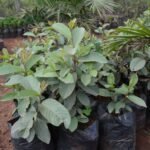
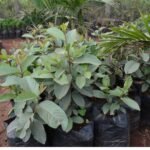
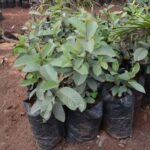
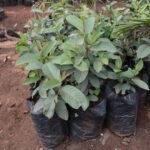


Guava Tree Seedling
Original price was: KSh 1,000.00.KSh 699.00Current price is: KSh 699.00.
Key Features of Guava Tree Seedlings
- Fast-Growing: Reaches maturity quickly, producing fruits within 2-4 years.
- Delicious Fruits: Yields sweet and aromatic guavas, packed with vitamin C, antioxidants, and dietary fiber.
- Low Maintenance: Requires minimal care and is adaptable to various climates.
- Hardy Plant: Tolerates drought and thrives in a range of soil types, from sandy to loamy.
- Versatile Uses: Fruits can be enjoyed fresh, juiced, or used in desserts and preserves.
Bring the essence of the tropics to your garden with a Guava Tree Seedling (Psidium guajava). Known for its lush foliage and sweet, fragrant fruits, the guava tree is a rewarding addition to any home garden or orchard. Easy to cultivate and fast-growing, this tree not only produces delicious guavas but also enhances your landscape with its evergreen charm.
Conditions for Optimal Growth
To ensure your guava tree seedling thrives, provide:
- Sunlight: Full sun is ideal for optimal growth and fruit production.
- Watering: Water regularly, but avoid waterlogging. The tree is drought-tolerant once established.
- Soil: Well-draining soil with a slightly acidic to neutral pH (5.5–7.0) is best.
- Fertilization: Apply a balanced fertilizer during the growing season for healthy growth and abundant fruits.
- Pruning: Prune to maintain shape and remove dead branches, encouraging better fruiting.
Benefits of Growing a Guava Tree
- Nutritional Richness: Homegrown guavas are a superfood, rich in vitamins, minerals, and antioxidants.
- Environmental Impact: A guava tree contributes to a greener environment and attracts pollinators like bees and butterflies.
- Cost-Effective: Save money by growing your own fruits instead of buying them.
- Aesthetic Appeal: Its evergreen leaves and seasonal blooms enhance any garden’s beauty.
Ideal Uses for Guava Tree Seedlings
- Home Gardens: A compact and fruitful addition to backyard gardens.
- Orchards: Ideal for those looking to grow fruit on a larger scale.
- Landscaping: Adds a lush, tropical look to your property.
- Fruit Production: Harvest guavas for fresh consumption, juicing, or culinary creations.
Only logged in customers who have purchased this product may leave a review.
You may also like…
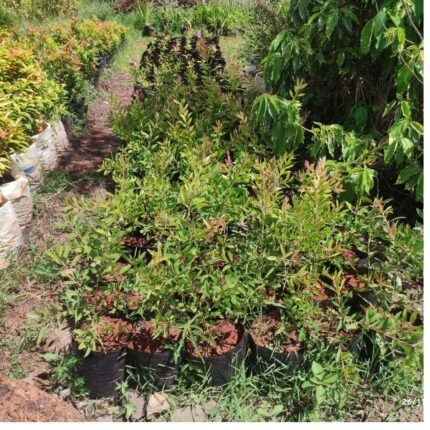
1ft Bottle Brush Tree Seedlings
Key Features of Bottle Brush Tree Seedlings
- Sizes for All Needs: Available from 1ft to 5ft, catering to gardeners and landscapers alike.
- Low Maintenance: Easy to care for, drought-tolerant, and pest-resistant.
- Year-Round Greenery: Evergreen foliage adds beauty and structure to any garden.
- Pollinator-Friendly: Attracts bees, butterflies, and birds to support biodiversity.
- Eco-Friendly Benefits: Improves air quality and stabilizes soil.
Conclusion
Bottle Brush Tree Seedlings 1ft are an exceptional choice for anyone looking to add vibrant color, charm, and environmental benefits to their garden or landscape. With their stunning red flowers, year-round greenery, and pollinator-friendly nature, these trees provide beauty and functionality for years to come.
By providing the right growing conditions—such as well-draining soil, full sunlight, and proper watering—you can enjoy the vibrant blossoms and lush foliage of these remarkable trees.
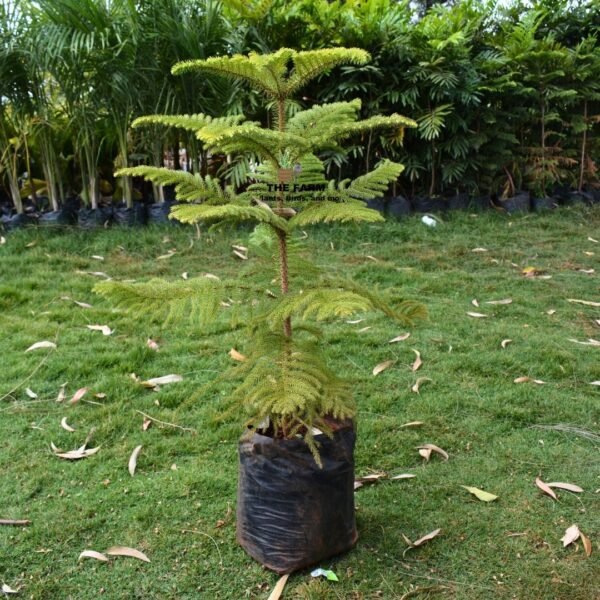
Alkeria Tree Seedling
Key Features of Alkeria Tree Seedlings
- Fast-Growing: Alkeria tree seedlings are known for their rapid growth rate, making them ideal for reforestation and landscaping projects that require quick vegetation coverage.
- Resilient to Various Soil Types: These seedlings adapt well to a range of soil conditions, though they thrive best in fertile, well-draining soil rich in organic matter.
- High Carbon Absorption: Alkeria trees are effective carbon sinks, making them valuable for carbon offset projects and environmentally conscious planting initiatives.
- Attractive Foliage: The trees often feature vibrant, dense foliage that adds aesthetic appeal to any landscape, contributing to both decorative and practical uses.
- Soil-Enriching Properties: As they mature, Alkeria trees contribute to soil health through natural leaf litter and organic matter, improving the soil structure and fertility.
- Support for Biodiversity: These trees provide habitat and food sources for various wildlife, supporting local ecosystems and enhancing biodiversity in the area where they are planted.
- Drought Tolerance: Alkeria seedlings, once established, are relatively drought-resistant, making them suitable for regions with limited rainfall.
- Pest and Disease Resistance: Alkeria species typically have natural defenses against common pests and diseases, requiring minimal intervention once established.
- Versatile Uses: Apart from environmental benefits, mature Alkeria trees can be utilized for timber, shade, windbreaks, and ornamental purposes, adding value for landowners and communities.


Blue Thuja Seedling
Key Features of the Blue Thuja Seedling
- Striking blue-green foliage that lasts year-round
- Perfect for hedges, privacy screens, or standalone specimens
- Thrives in full sun with minimal maintenance once established
- Adaptable to a range of soil conditions, including well-draining soil
- Suitable for Kenyan climates and gardens
- Easy to grow from seedling to mature tree


Related products


Aglaonema Pearl in a Spherical Fiber Glass Planter
Key Features of the Aglaonema Pearl in a Spherical Fiber Glass Planter
- Striking variegated leaves with silver, green, and cream hues
- Low-light tolerance, ideal for indoor spaces
- Low-maintenance care with minimal watering needs
- Air-purifying properties for a healthier environment
- Sleek and durable spherical fiber glass planter
- Perfect for homes and offices in Kenya

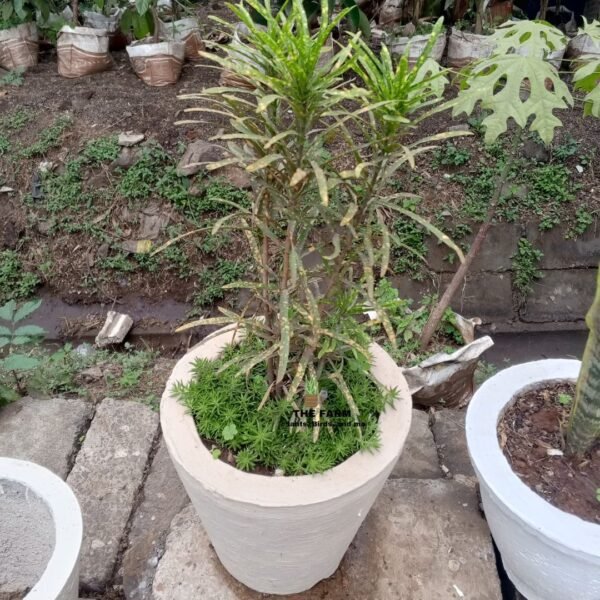

Ficus Benjamina
Key Features of the Ficus Benjamina
- Elegant, arching branches with glossy green leaves
- Ideal for both indoor and outdoor environments
- Air-purifying properties that improve indoor air quality
- Versatile plant that can be pruned to suit any space
- Thrives in bright, indirect light with regular watering
- Low maintenance, perfect for homes and offices


Philodendron Rugosum
⭐ Key Features
🟢 Thick, quilted leaves resembling pigskin—truly one of a kind
🪴 Slow-growing, making it manageable and easy to maintain
🔒 Hardy and disease-resistant, especially in controlled indoor conditions
🌍 Rare species, perfect for plant collectors or unique gift ideas
🌿 Can be grown in pots, decorative planters, or hanging baskets


Reviews
There are no reviews yet.