
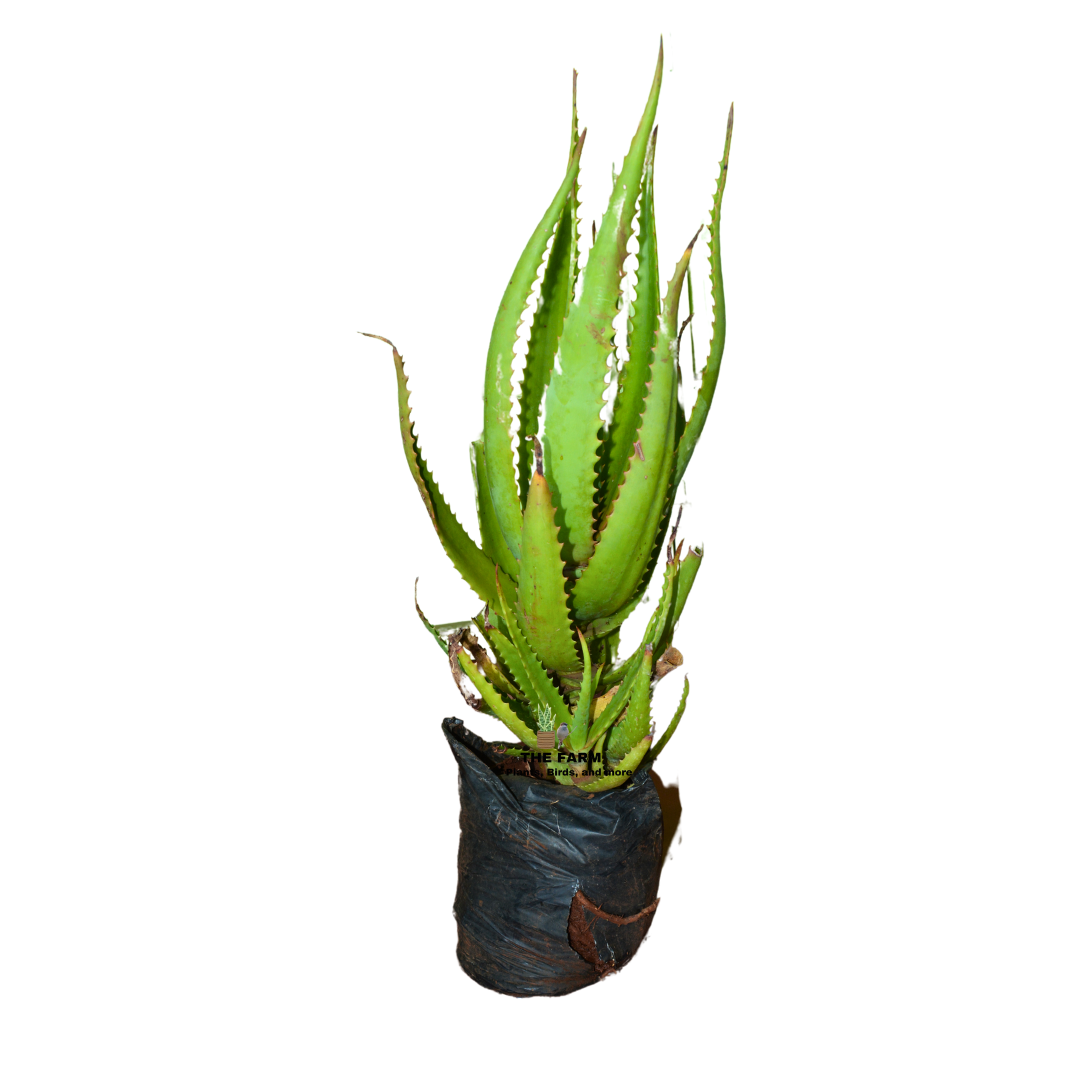
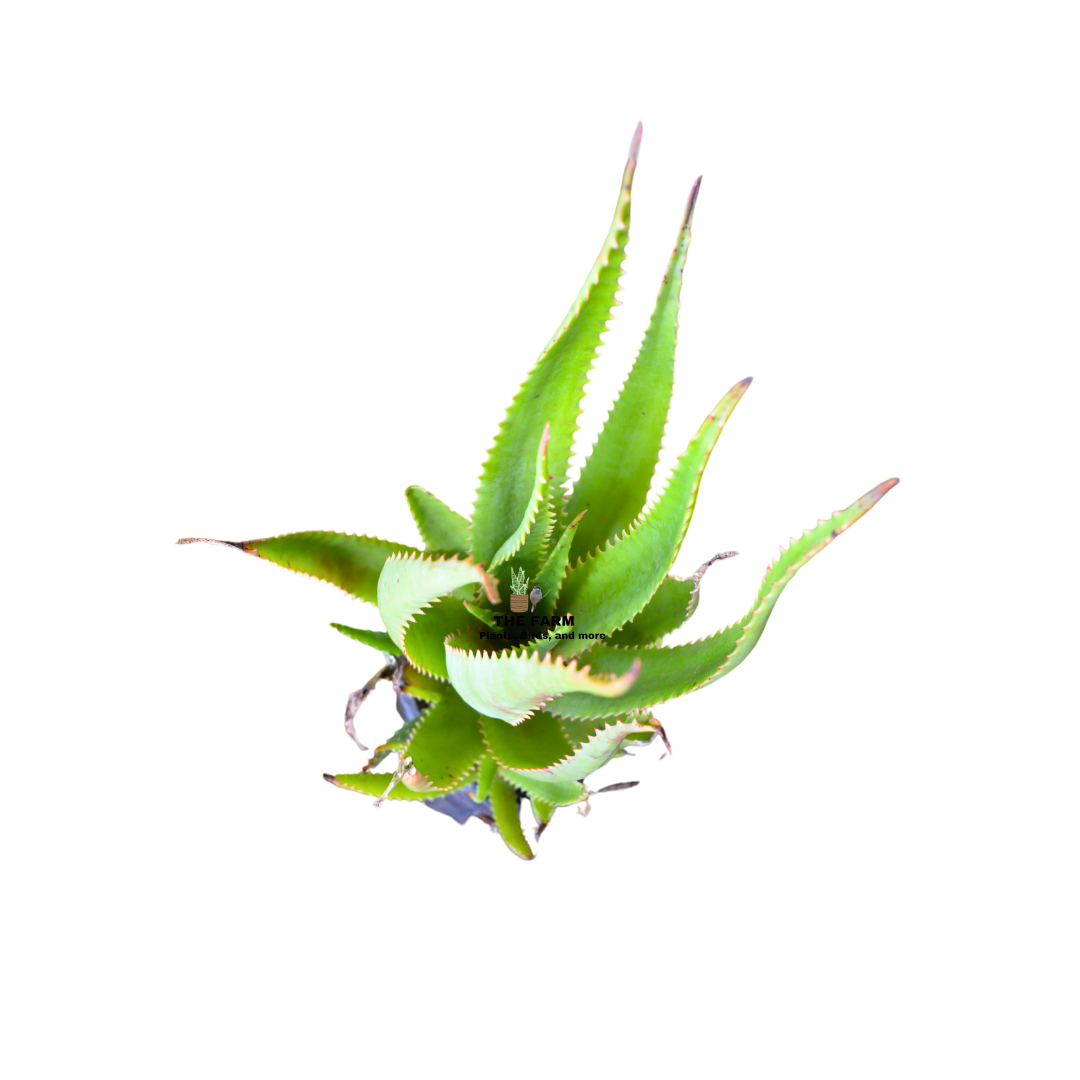

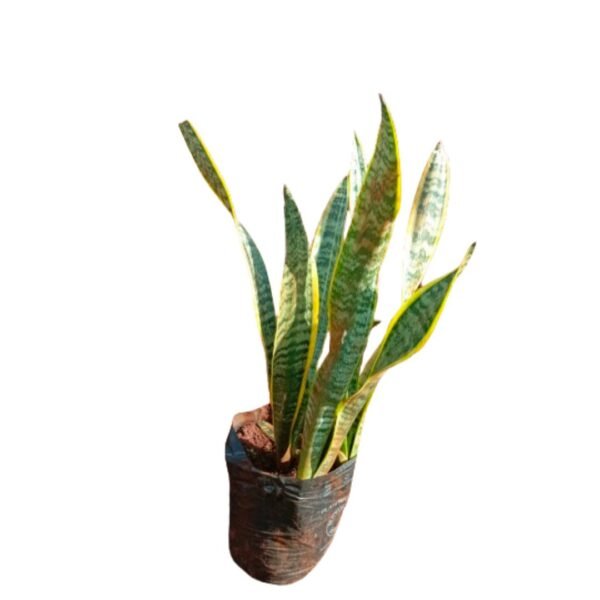
Aloe Vera plant seedlings.
Original price was: KSh 750.00.KSh 550.00Current price is: KSh 550.00.
Growing Aloe Vera: A Guide to Cultivating a Low-Maintenance House Plant
Welcome to our comprehensive guide on growing and caring for Aloe Vera, the versatile and low-maintenance house plant. Whether you’re a seasoned plant enthusiast or just starting your indoor gardening journey, Aloe Vera is an excellent choice that offers numerous benefits. In this guide, we will cover everything you need to know about growing and caring for Aloe Vera, including watering, soil requirements, pruning, propagation, sunlight, fertilization, common diseases, time taken to mature, and flowering. Read on to discover the secrets of successfully cultivating this remarkable plant.
Watering and Soil Requirements
Aloe Vera is known for its ability to thrive in dry conditions, making it an ideal choice for those who may forget to water their plants regularly. It is important to allow the soil to dry out between waterings to prevent overwatering and root rot. A well-draining soil mix, such as a cactus or succulent potting mix, is recommended to ensure proper moisture retention without becoming waterlogged.
Pruning and Propagation
Pruning Aloe Vera is relatively simple and mainly involves removing any dead or damaged leaves. This not only improves the plant’s appearance but also promotes new growth. Aloe Vera can be propagated through offsets, which are small plantlets that grow from the base of the mother plant. These offsets can be carefully removed and planted in separate pots to create new Aloe Vera plants.
Sunlight and Placement
Aloe Vera thrives in bright, indirect sunlight, making it an ideal plant for well-lit areas of your home. Place your Aloe Vera near a window that receives ample sunlight throughout the day. However, be cautious of exposing the plant to direct sunlight for extended periods, as it can lead to sunburn and damage the leaves.
Fertilization and Maintenance
Aloe Vera is a relatively low-maintenance plant and does not require frequent fertilization. However, a balanced houseplant fertilizer can be applied sparingly during the growing season to promote healthy growth. It is important to follow the instructions on the fertilizer packaging and avoid over-fertilizing, as this can lead to nutrient burn.
Common Diseases and Pests
Aloe Vera is generally resistant to most pests and diseases. However, overwatering can lead to root rot, while underwatering can cause the leaves to become dry and shriveled. It is important to find the right balance when it comes to watering. In some cases, mealybugs or scale insects may infest the plant. Regularly inspect your Aloe Vera for any signs of pests and treat them promptly with organic insecticidal soap or neem oil.
Time Taken to Mature and Flowering
Aloe Vera is a relatively slow-growing plant, and it can take several years to reach maturity. However, even young plants can produce flowers under the right conditions. The flowering period typically occurs during the summer months, and the plant produces tall stalks with vibrant, tubular flowers in shades of red, orange, or yellow. While the flowers are a beautiful sight, it’s important to note that they are not the primary reason for growing Aloe Vera.
Benefits of Aloe Vera as a House Plant
- Air purification: Aloe Vera releases oxygen at night, making it an excellent choice for improving indoor air quality.
- Low maintenance: Aloe Vera requires minimal care and attention, making it an ideal plant for busy individuals or those with a less green thumb.
- Medicinal properties: Aloe Vera gel has been used for centuries for its healing properties, including soothing burns, moisturizing the skin, and promoting overall skin health.
- Enhances aesthetics: With its striking rosette-shaped leaves and architectural appeal, Aloe Vera adds a touch of natural beauty to any indoor space.
If you’re looking to buy Aloe Vera plants in Kenya, look no further than thefarm.co.ke. We offer a wide selection of healthy Aloe Vera plants that can be conveniently delivered to your doorstep. Start enjoying the benefits of this remarkable house plant today!
| Weight | 5 kg |
|---|---|
| planting design | large seedlings, medium square planter |
| plant type | Aloe vera plants |
Only logged in customers who have purchased this product may leave a review.
You may also like…

Related products
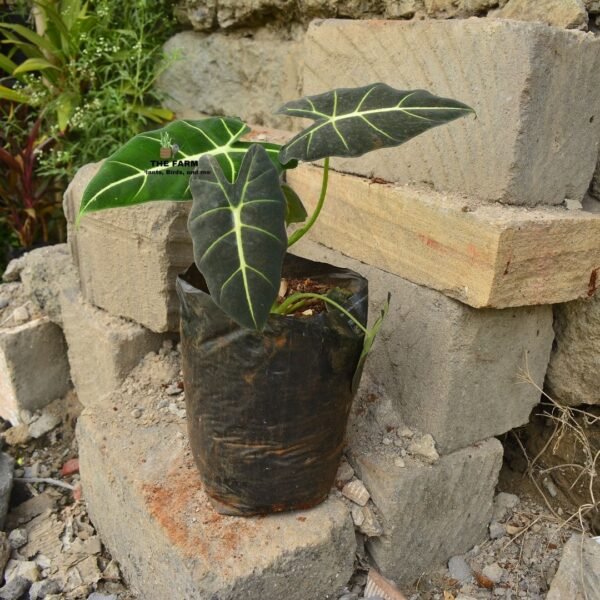
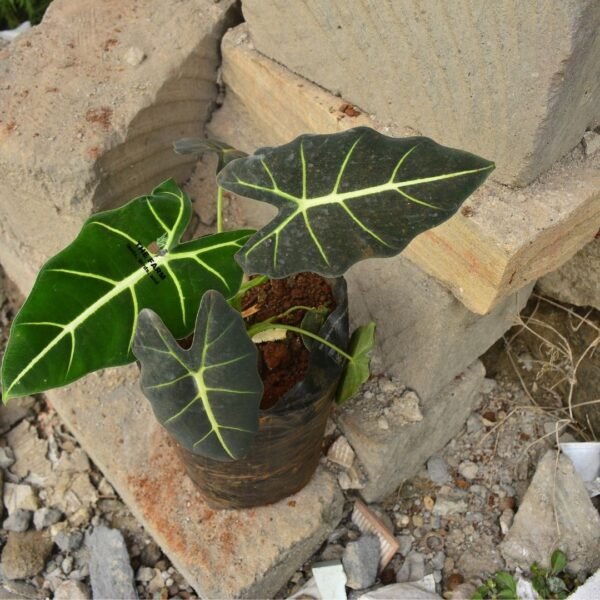
Alocasia Micholitziana ‘Frydek’ (Green Velvet) seedling.
Key Features of Alocasia Micholitziana 'Frydek'
- Velvety Texture The standout feature of Alocasia ‘Frydek’ is its soft, velvety leaves. The deep green foliage contrasts beautifully with the sharp white veins, creating an eye-catching display that adds luxury and elegance to any indoor space.
- Arrow-Shaped Leaves The large, arrow-shaped leaves are one of the most distinctive characteristics of this plant. Each leaf can grow up to 18 inches long, making it a striking addition to any plant collection. The unique shape, combined with the velvet texture, gives it a sculptural quality that adds depth and dimension to any room.
- Compact Growth Unlike some other Alocasias, the ‘Frydek’ tends to maintain a more compact growth habit, reaching around 2 to 3 feet tall indoors. This makes it an ideal choice for homes or apartments with limited space.
- Tuberous Growth Alocasia ‘Frydek’ grows from underground tubers, which store nutrients and help the plant survive during periods of dormancy. These tubers also make it easy to propagate the plant, either by dividing the tubers or growing new plants from cuttings.
- Dormancy Like many tropical plants, Alocasia ‘Frydek’ may enter a period of dormancy in the winter. During this time, its growth may slow down, and it may even lose some leaves. This is normal, and the plant will resume growth in the spring. Reduce watering during this period and avoid fertilization.
- Toxicity It's important to note that Alocasia ‘Frydek’ is toxic to both pets and humans if ingested. The plant contains calcium oxalate crystals, which can cause irritation, swelling, and discomfort in the mouth and throat. Be sure to keep it out of reach of curious pets and small children.

Alocasia Wentii Seedling
Key Features
- Dramatic Foliage: Features large, deep green leaves with a bronze underside, creating a striking visual contrast.
- Compact Size: Suitable for indoor pots or small garden spaces, making it ideal for tabletops or corners.
- Tropical Appeal: Brings an exotic look, enhancing the aesthetic of any interior space with a lush, green touch.
- Low Maintenance: Requires minimal care, making it perfect for beginners and experienced gardeners alike.
- Air Purifying: Helps improve indoor air quality, contributing to a fresher and healthier environment.

Angel wing begonia seedlings
Key Features
- Brown Foliage: Features glossy, brown leaves that add a bold and elegant contrast to gardens and containers, complementing the bright blooms.
- Vibrant Flowers: Produces blooms in shades of red, pink, white, or orange, standing out beautifully against the brown foliage.
- Compact Growth: Ideal for borders, pots, and hanging baskets, making it versatile for different planting locations.
- Low Maintenance: Easy to care for, making it perfect for beginner and busy gardeners alike.
- Adaptable Placement: Suitable for both indoor and outdoor environments, offering flexibility in use.


Coleus in Kenya
Key Features of Coleus
- Local Name: Mbarika
- Scientific Name: Coleus blumei or Plectranthus scutellarioides
- Growth Habit: Bushy, with a wide range of leaf colors and patterns
- Sunlight: Partial to full shade
- Watering Needs: Regular watering; keep the soil moist but not soggy
- Soil Type: Well-drained, fertile, loamy soil
- Maintenance Level: Low
- Ideal Temperature: 18°C - 30°C
- Propagation: Easy from cuttings
Use in Kenya
Coleus is a popular plant in Kenyan homes, gardens, and landscapes, often used to add color and texture to outdoor and indoor settings. Its ease of growth and maintenance makes it a preferred choice for anyone looking to brighten up their space with minimal effort. The local love for Mbarika continues to grow, as it not only beautifies spaces but also embodies the vibrant spirit of Kenyan gardening culture.


Schefflera Amate Soleil Seedling
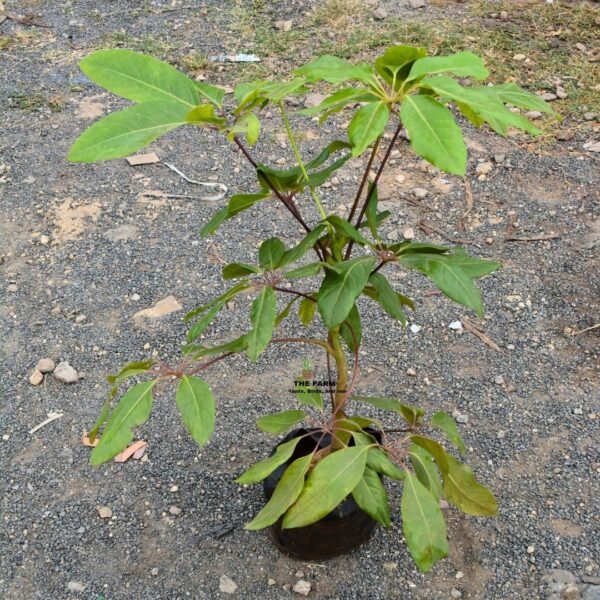
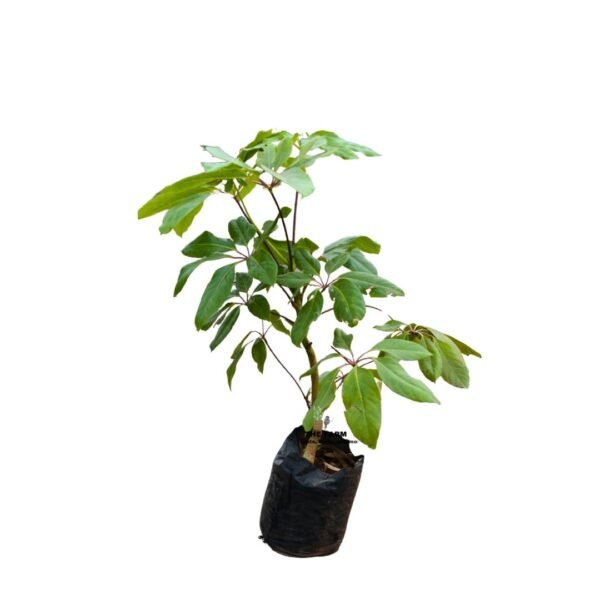
Key Features of the Schefflera Amate Soleil
- Bold and vibrant green-yellow leaves
- Perfect for brightening indoor spaces
- Air-purifying properties to improve indoor air quality
- Thrives in bright, indirect light with minimal care
- Ideal for homes and offices with warm temperatures
- Low maintenance and suitable for all plant lovers




Reviews
There are no reviews yet.