

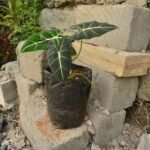
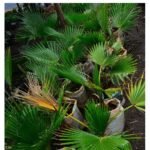
Lavandula x allardii Seedling
Original price was: KSh 700.00.KSh 599.00Current price is: KSh 599.00.
Key Features of Lavandula x Allardii Seedlings
- Foliage Lavandula x allardii is characterized by its silvery-green foliage. The leaves are narrow and evergreen, retaining their beautiful silver hue year-round, even in cooler climates. The foliage also exudes a mild fragrance, adding to its appeal.
- Flowers This lavender hybrid produces clusters of violet-blue flowers on long, slender stems. Blooming typically occurs from late spring to early fall, and deadheading the spent flowers can encourage a second round of blooms later in the season.
- Growth Habit Lavandula x allardii grows into a compact, bushy plant with an upright growth habit. When fully matured, the plant can reach heights of 2 to 3 feet, making it a manageable size for most gardens or patio containers.
- Aroma The distinct fragrance of Lavandula x allardii sets it apart from other lavender varieties. Its aroma has a more camphor-like undertone, making it ideal for use in essential oils and scented products. This aromatic quality also makes it a popular choice for herbal and medicinal purposes.
- Longevity When properly cared for, Lavandula x allardii can be a long-lived plant. Regular pruning, adequate sunlight, and well-drained soil will help ensure the plant remains healthy and blooms year after year.
- Hybrid Vigor Being a hybrid variety, Lavandula x allardii exhibits hybrid vigor, which means it is often more resilient and robust than its parent species. This hybridization has resulted in a plant that is particularly hardy and adaptable to different growing conditions.
Lavandula x allardii, commonly known as Allard’s Lavender, is a hybrid lavender species that results from crossing Lavandula dentata (French lavender) with Lavandula latifolia (Spike lavender). This lavender hybrid is prized for its fragrant, silvery-green foliage and resilient nature, making it a popular choice for gardeners seeking a low-maintenance yet aromatic plant. Allard’s Lavender is not only visually appealing but also highly aromatic, producing fragrant oils that are often used in perfumes, sachets, and essential oils.
Benefits of Growing Lavandula x allardii Seedlings
- Fragrance and Aromatherapy One of the most notable benefits of Lavandula x allardii is its intense fragrance. Its leaves and flowers emit a delightful lavender scent, making it an ideal plant for sensory gardens, aromatherapy, and even indoor settings. The scent has calming properties that can reduce anxiety, promote relaxation, and enhance sleep quality.
- Drought Tolerant Once established, Lavandula x allardii is highly drought-tolerant, making it an excellent choice for water-conscious gardeners or those in arid climates. Its ability to thrive in dry conditions reduces the need for frequent watering, making it a sustainable and low-maintenance plant.
- Pollinator-Friendly Lavandula x allardii attracts a variety of pollinators, including bees, butterflies, and hummingbirds. By planting this lavender in your garden, you’re providing a valuable food source for these pollinators, supporting biodiversity, and helping maintain healthy ecosystems.
- Herbal and Medicinal Uses Like other lavender varieties, Lavandula x allardii has long been used in traditional medicine. Its oils are known for their anti-inflammatory, antiseptic, and calming properties. Lavender oils can be used to treat minor cuts and burns, relieve headaches, or reduce anxiety through aromatherapy.
- Aesthetic Appeal With its silvery-green foliage and delicate purple flowers, Lavandula x allardii brings a touch of Mediterranean charm to any landscape. It’s perfect for use in borders, rock gardens, or containers, and its soft hues complement a wide range of garden styles.
Growth Conditions for Lavandula x allardii Seedlings
To ensure your Lavandula x allardii seedlings grow into healthy, vibrant plants, it’s important to provide the right care and conditions. Here’s what you need to know:
- Light Requirements Lavandula x allardii thrives in full sunlight. It requires at least six hours of direct sunlight each day to maintain its compact form and produce fragrant blooms. If you’re growing lavender indoors, place the seedling near a bright, sunny window to mimic outdoor light conditions.
- Soil Requirements The key to healthy lavender growth is well-draining soil. Lavandula x allardii prefers a sandy or loamy soil with good drainage to prevent waterlogged roots. The soil should be slightly alkaline to neutral (pH 6.5 to 8.0). If your garden soil is heavy or clay-like, consider amending it with sand or grit to improve drainage, or plant the seedling in a raised bed or container.
- Watering Needs Water your Lavandula x allardii seedlings sparingly. It’s important to let the soil dry out between waterings, as lavender is highly sensitive to overwatering and root rot. Once the plant is established, it can survive on minimal watering, only needing water during extended periods of drought.
- Temperature and Climate Lavandula x allardii is a hardy plant that thrives in warm, Mediterranean-like climates. It grows best in USDA hardiness zones 8 to 10, where temperatures are mild. It is not frost-tolerant, so if you live in a cooler climate, it’s recommended to grow lavender in containers that can be brought indoors during cold weather.
- Fertilization Lavandula x allardii doesn’t require heavy feeding. In fact, too much fertilizer can reduce its essential oil content and fragrance. Use a light application of organic compost or a slow-release fertilizer once a year in the spring to encourage healthy growth.
- Pruning Regular pruning helps maintain the compact shape of Lavandula x allardii and promotes new growth. After flowering, prune back the plant by cutting off one-third of the growth. This will encourage bushier growth and prevent the plant from becoming too woody at the base.
- Pest and Disease Resistance Lavandula x allardii is highly resistant to most pests and diseases. Its aromatic oils naturally repel pests such as aphids and moths. However, it is important to keep an eye out for root rot caused by poor drainage or excessive watering.
Only logged in customers who have purchased this product may leave a review.
Related products

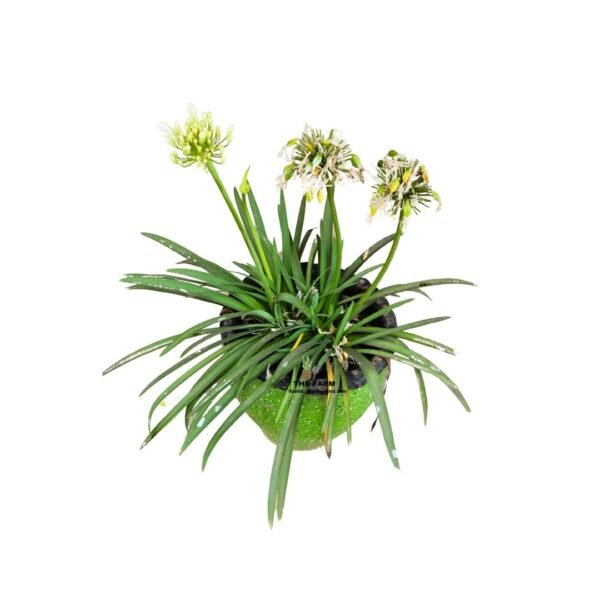
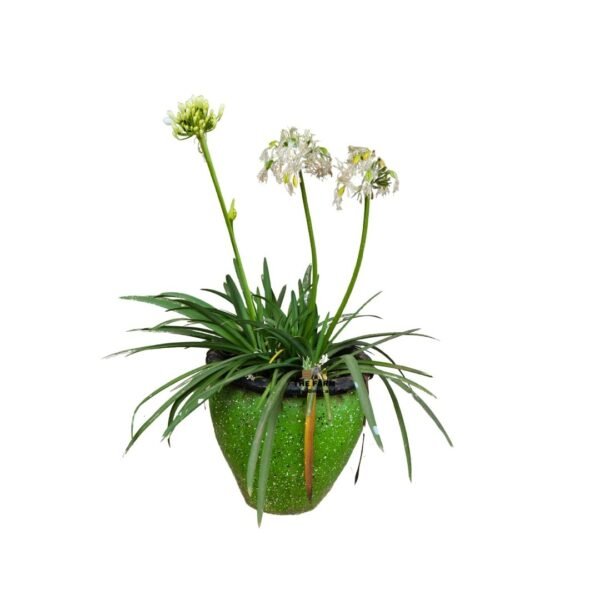
Agapanthus Eydori White in a Clay Pot Planter
Key Features of the Agapanthus Eydori White in a Clay Pot Planter
- Beautiful white flowers that bloom in clusters
- Thrives in full sunlight and can tolerate partial shade
- Low-maintenance and easy to care for
- Clay pot planter offers excellent drainage and breathability
- Ideal for outdoor gardens, patios, or sunny indoor spots
- Perfect for Kenyan climates with warm temperatures

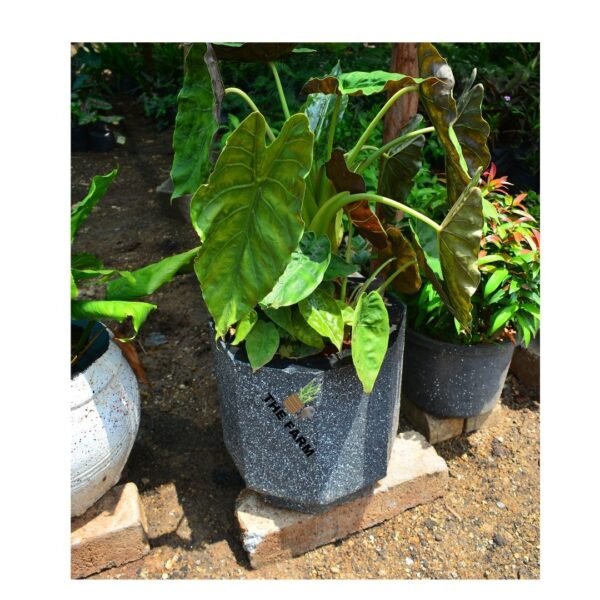
Alocasia Wentii in a Concrete Pot
Key Features
- Striking Foliage: Features large, glossy, deep green leaves with a bronze underside, creating a bold and dramatic visual effect.
- Compact and Elegant: The plant’s compact growth habit makes it suitable for indoor tables, corners, or outdoor patios.
- Concrete Pot Design: The modern concrete pot enhances the plant’s aesthetic, providing stability and complementing a variety of interior styles.
- Low Maintenance: Easy to care for, making it an excellent choice for both beginners and experienced gardeners.
- Air Purifying: Naturally filters the air, contributing to a fresher and healthier indoor environment.
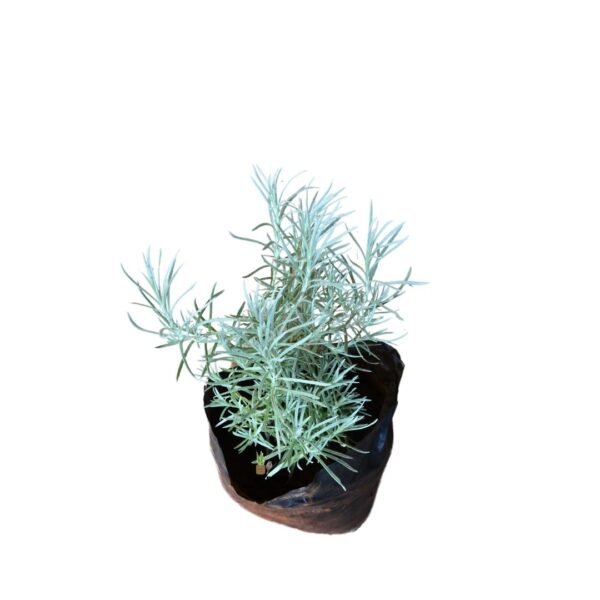
Curry Plant (Helichrysum italicum) seedling.
Key Features of the Curry Plant (Local Name: Pending)
- Distinct curry-like fragrance
- Silvery foliage with small yellow flowers
- Thrives in full sunlight and warm climates
- Low-maintenance and drought-tolerant
- Ideal for herb gardens, patios, or indoor containers
- Used in essential oils and alternative medicine
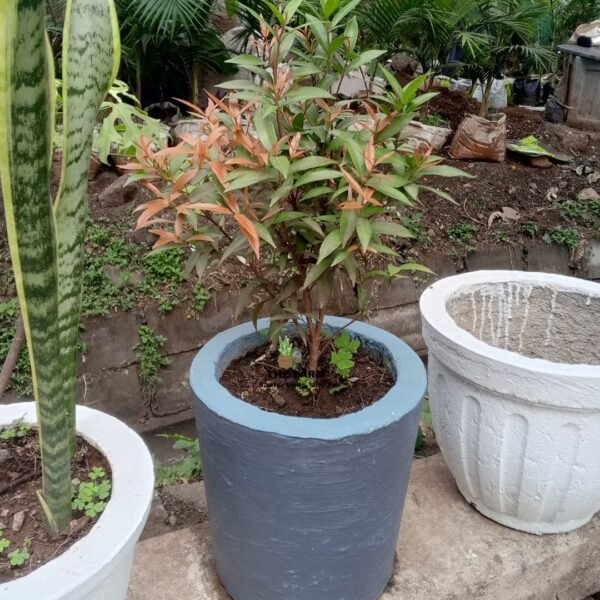
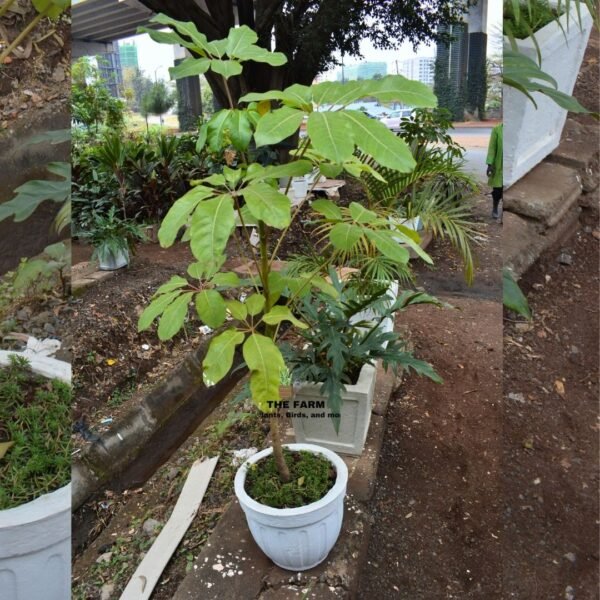
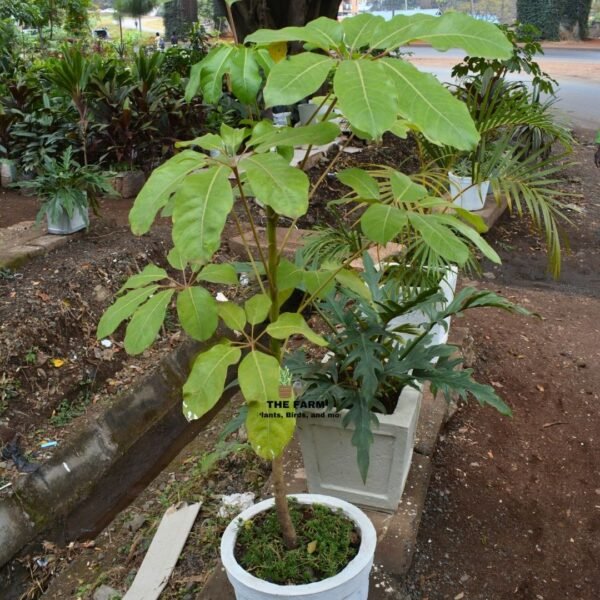
Umbrella Tree – Schefflera Actinophylla
Key Features:
- Local Name (Kenya): Nzasi
- Air Purification: Schefflera plants are known for their ability to filter toxins from indoor air.
- Easy Maintenance: Low-maintenance and ideal for busy individuals.
- Modern Décor: Concrete planters provide a contemporary and minimalist look, enhancing the overall appeal of the Schefflera.
- Stability: Concrete planters offer a sturdy base, ensuring the plant remains healthy and upright.




Reviews
There are no reviews yet.