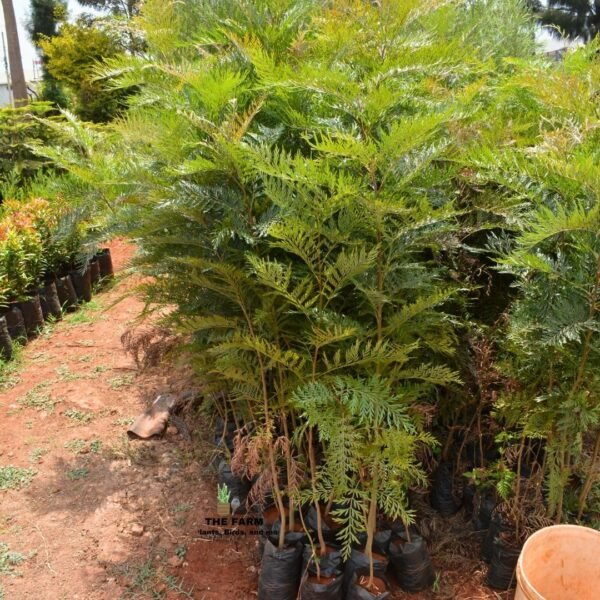
Areca Palm Seedling (4-Foot Tall)
KSh 3,000.00 Original price was: KSh 3,000.00.KSh 1,999.00Current price is: KSh 1,999.00.
Key Features
- Height: 4 feet tall; grows to 6-12 feet indoors and up to 30 feet outdoors in tropical climates.
- Fronds: Feathery, arching fronds with a vivid green color, forming dense and graceful foliage.
- Growth Rate: Moderate, with consistent growth when nurtured in optimal conditions.
- Air Purifier: Scientifically proven to filter and remove toxins, enhancing indoor air quality.
- Durability: Well-suited for both indoor and outdoor environments, thriving in diverse settings.
Introduction
The 4-foot Areca Palm (Dypsis lutescens), also known as the Butterfly Palm or Golden Cane Palm, is a sophisticated tropical plant that stands out with its vibrant greenery and natural elegance. Its impressive size makes it an excellent choice for creating a focal point in indoor spaces or enhancing outdoor landscapes with lush greenery.
Conditions for Optimal Growth
- Light Requirements: Enjoys bright, indirect sunlight but can tolerate partial shade. Avoid prolonged exposure to harsh direct sunlight to prevent leaf damage.
- Watering: Water thoroughly, allowing the soil to dry slightly between waterings. Overwatering should be avoided to prevent root rot.
- Temperature: Thrives in temperatures of 65-75°F (18-24°C) and is sensitive to frost or extreme cold.
- Humidity: Prefers high humidity; mist leaves regularly or use a pebble tray to maintain moisture.
- Soil: Requires well-draining, nutrient-rich soil. A mix of loam, peat, and sand is ideal with a pH range of 6.0-7.8.
- Fertilization: Feed once a month during the growing season (spring and summer) with a balanced fertilizer.
Benefits
- Air Purification: Effectively removes toxins such as formaldehyde and carbon monoxide from the air.
- Visual Appeal: Adds elegance and a tropical vibe to any indoor or outdoor setting.
- Stress Reduction: Creates a calming and peaceful environment, promoting relaxation.
- Natural Sound Barrier: Dense foliage helps absorb noise, making it ideal for urban areas.
- Pet-Safe: Non-toxic and safe for homes with pets or small children.
Ideal Uses
- Interior Design: A striking addition to living rooms, lobbies, or offices.
- Outdoor Landscaping: Serves as a centerpiece for gardens, patios, or walkways.
- Privacy Screen: Perfect for creating natural partitions when planted in groups.
- Container Planting: Grows beautifully in large pots for versatile placement indoors or outdoors.
- Event Styling: A stunning choice for enhancing event decor with a tropical touch.
| plant type | Palm trees |
|---|
Only logged in customers who have purchased this product may leave a review.
You may also like…
Areca Palm Seedling (1-Foot Tall)
Key Features
- Height: Currently 1-foot tall; matures to 6-12 feet indoors and up to 30 feet outdoors.
- Fronds: Graceful, feathery, arching fronds with a vibrant green hue.
- Growth Rate: Moderate, with proper care; adaptable to pot or ground planting.
- Air Purification: Known to filter indoor air pollutants like formaldehyde and benzene.
- Non-toxic: Safe for pets and children, making it a family-friendly choice.
Christmas Palm Tree (Adonidia merrillii) in a fiberglass pot
Introduction
The Christmas Palm Tree is an eye-catching addition to any tropical or subtropical landscape. With its elegant silhouette and festive fruits, it brings a unique charm, especially during the holiday season. Whether used as a focal point in a garden or planted along streets, this palm tree enhances the beauty of its surroundings.
Benefits
- Aesthetic Appeal: The graceful fronds and slender trunk provide a tropical, ornamental look, ideal for enhancing garden spaces and outdoor areas.
- Fast Growth: Quick to establish and grow, making it a great option for those looking to create an instant landscape effect.
- Wildlife Attraction: The bright fruits attract birds and other wildlife, adding life to the garden.
- Low Maintenance: Once established, the Christmas Palm requires minimal care, making it suitable for busy gardeners.
- Versatility: It can be planted as a solitary specimen, in clusters, or as part of a tropical garden design.
Conditions for Optimal Growth
- Soil: Prefers well-draining, sandy, or loamy soil. It thrives in slightly acidic to neutral pH levels.
- Sunlight: Requires full sun for best growth and fruit production. It can tolerate partial shade but may not grow as vigorously.
- Watering: Regular watering is important, especially during dry periods. However, avoid overwatering as it can lead to root rot.
- Temperature: Best suited for warm, tropical climates. It can tolerate brief cooler temperatures but is sensitive to frost.
- Fertilization: Benefits from regular feeding with a balanced fertilizer during the growing season to promote healthy growth and fruiting.
Conclusion
The Christmas Palm Tree is a delightful addition to any tropical landscape, known for its slender stature, lush foliage, and vibrant red fruits. Its quick growth and low maintenance requirements make it ideal for a variety of settings, from residential gardens to public spaces. With its festive appearance, the Christmas Palm not only enhances the beauty of outdoor environments but also brings a touch of holiday cheer year-round.
Growing Palm Trees
Ponytail Palm in a Rattan Planter (44x44cm)
Ponytail Palm Plant in a Large Plastic Planter (385 × 385 × 339 cm)
Royal Palm (Roystonea regia)
Introduction
The Royal Palm is a symbol of grace and grandeur in tropical landscapes. Its towering presence and iconic look make it a standout plant in gardens, parks, and urban settings. Whether lining streets or serving as a centerpiece in large open spaces, the Royal Palm brings a sense of tropical luxury to any environment.
Benefits
- Aesthetic Beauty: With its tall trunk and large, arching fronds, the Royal Palm adds elegance and tropical charm to landscapes, making it perfect for formal avenues and expansive gardens.
- Wind and Salt Tolerant: The Royal Palm can tolerate coastal conditions and is resilient to salt spray, making it an ideal choice for beachfront properties or tropical climates.
- Low Maintenance: Once established, Royal Palms require little care and can adapt to a variety of soil types and conditions.
- Wildlife Habitat: Its fruits and leaves provide habitat and food for birds and other wildlife.
- Shade Provider: The wide, expansive fronds provide shade and create a cooling effect, which can be especially beneficial in hot climates.
Conditions for Optimal Growth
- Soil: Prefers well-draining, slightly acidic soil. It can tolerate a variety of soil types but grows best in rich, loamy soil.
- Sunlight: Thrives in full sun, needing at least 6-8 hours of direct sunlight per day for optimal growth.
- Watering: Requires regular watering, especially when young. Once established, it becomes more drought-tolerant, though it prefers consistent moisture.
- Temperature: Best grown in tropical or subtropical climates, withstanding temperatures as low as 28°F (-2°C) but thriving in warmer conditions.
- Fertilization: Benefits from regular fertilization with a palm-specific fertilizer, especially in nutrient-deficient soils, to prevent yellowing leaves and encourage healthy growth.
Conclusion
The Royal Palm is a symbol of grandeur and elegance, perfect for those looking to make a dramatic statement in their landscaping. With its tall, smooth trunk and graceful, arching fronds, this tropical palm brings a lush, luxurious feel to any garden or avenue. Low maintenance and resilient, the Royal Palm is an excellent choice for coastal, tropical, and subtropical environments where its beauty and stature can be fully appreciated.
Related products
Alkeria Tree (4 ft) in Kenya seedling.
Key Features of the Alkeria Tree
- Rapid Growth: The Alkeria tree grows quickly, reaching up to 4 feet in a relatively short time, making it ideal for reforestation and soil stabilization projects.
- Drought Tolerance: With its resilience in dry conditions, the Alkeria tree is well-suited for arid and semi-arid areas, requiring minimal water once established.
- Soil Enrichment: Known for improving soil fertility, the Alkeria tree adds organic matter, enhancing soil health and benefiting surrounding plants.
- Carbon Absorption: High carbon sequestration ability makes it effective in reducing carbon footprint, contributing positively to climate change mitigation.
- Biodiversity Support: Provides a habitat and food source for various wildlife species, promoting biodiversity and supporting local ecosystems.
- Adaptability: Grows well in a variety of soils and climates, making it versatile for different Kenyan landscapes, from highlands to plains.
- Low Maintenance: Once established, the tree requires minimal upkeep, making it a practical choice for long-term sustainability projects.
Cordyline Stricta Seedlings in Kenya
Key Features of Cordyline Stricta Seedlings (Slender Palm Lily)
- Local Name: Slender Palm Lily
- Scientific Name: Cordyline stricta
- Growth Habit: Upright, bushy plant with slender, arching green leaves
- Sunlight: Full sun to partial shade
- Watering Needs: Moderate; drought-tolerant once established
- Soil Type: Well-drained, loamy soil enriched with organic matter
- Maintenance Level: Low; occasional pruning to remove old leaves
- Ideal Temperature: 20°C - 30°C
- Uses: Ornamental plant, indoor decoration, garden borders, pots
Use in Kenya
In Kenya, Cordyline stricta is a popular choice for both urban and rural gardens, valued for its ability to thrive in a variety of environments. Its slim, upright form makes it ideal for small gardens or tight spaces where vertical interest is needed. Additionally, its low water requirements and ease of care make it well-suited to Kenya’s sometimes dry climate. Slender Palm Lily is commonly planted in garden beds, along fences, or in pots, where it adds a sleek and tropical feel to the landscape.
Gold Dust Croton Seedlings in Kenya
Key Features of Gold Dust Croton Seedlings
- Local Name: Gold Dust Croton
- Scientific Name: Codiaeum variegatum ‘Gold Dust’
- Growth Habit: Compact, bushy shrub with green leaves speckled with yellow spots
- Sunlight: Bright, indirect light; tolerates some morning sun but avoids harsh afternoon rays
- Watering Needs: Regular watering; keep soil moist but not waterlogged
- Soil Type: Well-drained, fertile soils with good organic content
- Maintenance Level: Low; occasional pruning of dead leaves and light cleaning
- Ideal Temperature: 18°C - 30°C
- Uses: Indoor plant, outdoor landscaping, decorative pots, patio and balcony displays
Use in Kenya
Gold Dust Croton is widely appreciated in Kenya for its vibrant appearance and adaptability. It is often used in garden borders, along walkways, or as a colorful feature in mixed plantings. Indoors, it brightens up living spaces with its dazzling foliage, making it a popular choice for homes, offices, and hotels. The plant’s ability to thrive in Kenya’s warm climate and its striking visual appeal make it a valuable addition to any garden or indoor plant collection. By planting Gold Dust Croton seedlings, you can create a lively and welcoming atmosphere that stands out all year round.
Green Grevillea Tree Seedling 3.5ft in Kenya
Key Features of Green Grevillea Tree Seedlings 3.5ft
- Perfect Size for Planting
- At 3.5ft tall, these seedlings are ideal for easy transplanting and rapid establishment in your garden.
- Vibrant Foliage and Unique Flowers
- Grevillea trees are known for their bright green foliage and striking, nectar-rich flowers that attract pollinators.
- Low Maintenance
- Requires minimal care once established; drought-tolerant and adaptable to various soil conditions.
- Eco-Friendly Benefits
- Supports biodiversity, reduces soil erosion, and sequesters carbon for environmental improvement.
- Versatile Uses
- Ideal for ornamental landscaping, privacy screens, and erosion control.
Use in Kenya
Grevillea seedlings are widely used across Kenya for both commercial and ecological purposes. They are commonly planted on farms to provide shade for coffee and tea, along boundaries as windbreaks, and in reforestation efforts to combat deforestation. The tree’s fast growth, versatility, and minimal care requirements make it an invaluable asset to Kenyan agriculture and environmental management. By planting Grevillea seedlings, you contribute to sustainable farming, protect your crops, and support Kenya’s green initiatives.
Oleander (Nerium Oleander) Seedling in Kenya
Key Features of Oleander Seedlings
- Local Name: Oleander
- Scientific Name: Nerium oleander
- Growth Habit: Evergreen shrub with dense foliage and fragrant, colorful flowers
- Sunlight: Full sun to partial shade
- Watering Needs: Regular watering when young; drought-tolerant once established
- Soil Type: Well-drained, sandy, or loamy soils; adaptable to poor soil conditions
- Maintenance Level: Low; light pruning after flowering
- Ideal Temperature: 20°C - 35°C
- Uses: Ornamental shrub, hedging, privacy screens, mixed garden beds
Use in Kenya
Oleander is widely planted in Kenya for its ornamental value and resilience in hot, dry conditions. It is often used along roadsides, in public parks, and in private gardens as a low-maintenance option that brings color and fragrance to outdoor spaces. Despite its beauty, it’s important to note that Oleander is toxic if ingested, so it should be planted with caution in areas accessible to pets and small children. Overall, Oleander remains a favored choice for Kenyan gardeners seeking a hardy, attractive shrub that stands up to the country’s climate challenges while enhancing the aesthetic appeal of their landscapes.
Pentas Lanceolata Seedlings in Kenya
Key Features of Pentas Lanceolata Seedlings (Pentas or Star Flower)
- Local Name: Pentas or Star Flower
- Scientific Name: Pentas lanceolata
- Growth Habit: Bushy, upright plant with clusters of star-shaped flowers
- Sunlight: Full sun
- Watering Needs: Moderate watering; drought-tolerant once established
- Soil Type: Well-drained, fertile soil
- Maintenance Level: Low; deadheading and light pruning for bushier growth
- Ideal Temperature: 20°C - 30°C
- Uses: Garden beds, borders, containers, pollinator gardens
Use in Kenya
In Kenya, Pentas is widely used in gardens, parks, and along walkways due to its vibrant flowers and resilience in the country’s warm climate. It is especially valued for its ability to attract butterflies, adding life and movement to gardens. The plant’s long blooming season and low maintenance requirements make it a go-to choice for enhancing both private and public green spaces. Whether planted in beds, borders, or containers, Pentas seedlings bring continuous beauty and charm to any Kenyan garden.
Rubber Plant in a Stylish White Fiberglass Planter
Zanzibar Croton Seedling in Kenya
Key Features of Zanzibar Croton Seedlings
- Local Name: Zanzibar Croton
- Scientific Name: Codiaeum variegatum ‘Zanzibar’
- Growth Habit: Upright, bushy plant with long, slender, colorful leaves
- Sunlight: Bright, indirect light; tolerates some morning sun but avoids harsh afternoon rays
- Watering Needs: Regular watering; keep soil moist but avoid waterlogging
- Soil Type: Well-drained, fertile soils with good organic content
- Maintenance Level: Low; occasional pruning of dead leaves and light cleaning
- Ideal Temperature: 18°C - 30°C
- Uses: Indoor plant, outdoor landscaping, decorative pots, balconies, and patios
Use in Kenya
Zanzibar Croton is widely grown in Kenya for its vibrant colors and unique foliage. It is often used in garden borders, along pathways, or as an accent plant in pots and mixed displays. Indoors, it adds a bold splash of color to living rooms, offices, and other spaces where its vibrant leaves can be showcased. The plant’s resilience to Kenya’s climate and its low-maintenance nature make it a valuable addition to any garden or indoor plant collection, bringing tropical vibes and lively color year-round.


Reviews
There are no reviews yet.