

Areca Palm Seedling (1-Foot Tall)
Original price was: KSh 1,000.00.KSh 699.00Current price is: KSh 699.00.
Key Features
- Height: Currently 1-foot tall; matures to 6-12 feet indoors and up to 30 feet outdoors.
- Fronds: Graceful, feathery, arching fronds with a vibrant green hue.
- Growth Rate: Moderate, with proper care; adaptable to pot or ground planting.
- Air Purification: Known to filter indoor air pollutants like formaldehyde and benzene.
- Non-toxic: Safe for pets and children, making it a family-friendly choice.
Introduction
The Areca Palm (Dypsis lutescens), also known as the Butterfly Palm or Golden Cane Palm, is a popular tropical plant known for its elegant fronds and air-purifying qualities. At 1-foot tall, this seedling is the perfect start for your home or garden greenery. With proper care, it can grow into a stunning ornamental plant that enhances any space.
Conditions for Optimal Growth
- Light Requirements: Thrives in bright, indirect sunlight but tolerates some shade. Avoid direct sunlight, as it may scorch the leaves.
- Watering: Keep soil consistently moist but not soggy. Water when the top inch of soil feels dry.
- Temperature: Prefers warm conditions between 65-75°F (18-24°C). Avoid cold drafts and frost.
- Humidity: Requires high humidity; mist leaves regularly or place near a humidifier.
- Soil: Well-draining, rich potting mix; ideal pH range is 6.0-7.8.
- Fertilization: Feed monthly with a balanced liquid fertilizer during the growing season (spring and summer).
Benefits
- Air Quality: Acts as a natural air purifier, improving indoor air quality.
- Aesthetics: Enhances the beauty of indoor and outdoor spaces with its lush greenery.
- Stress Reduction: Provides a calming and soothing environment.
- Noise Reduction: Dense foliage helps dampen noise levels in urban areas.
Ideal Uses
- Indoor Decor: A perfect addition to living rooms, bedrooms, or office spaces for a tropical vibe.
- Garden Landscaping: Suitable for garden beds, patios, or as a centerpiece in tropical-themed gardens.
- Privacy Screen: When grown in clusters, the Areca Palm creates a natural privacy screen.
- Gift Idea: Makes an excellent gift for housewarmings or plant enthusiasts.
| plant type | Palm trees |
|---|
Only logged in customers who have purchased this product may leave a review.
You may also like…


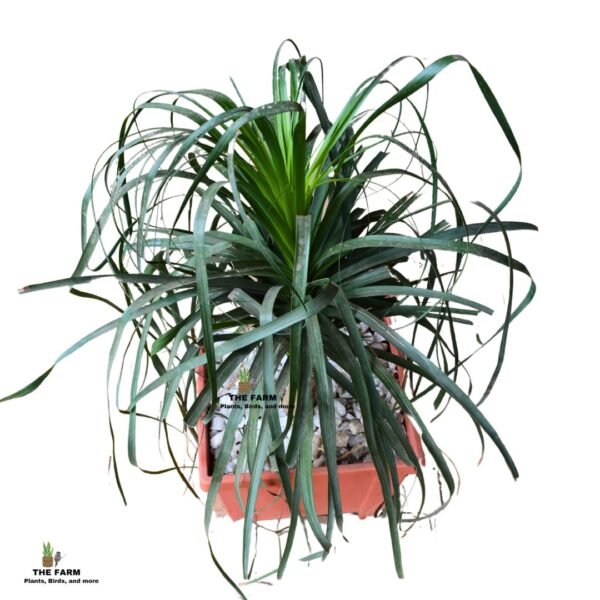

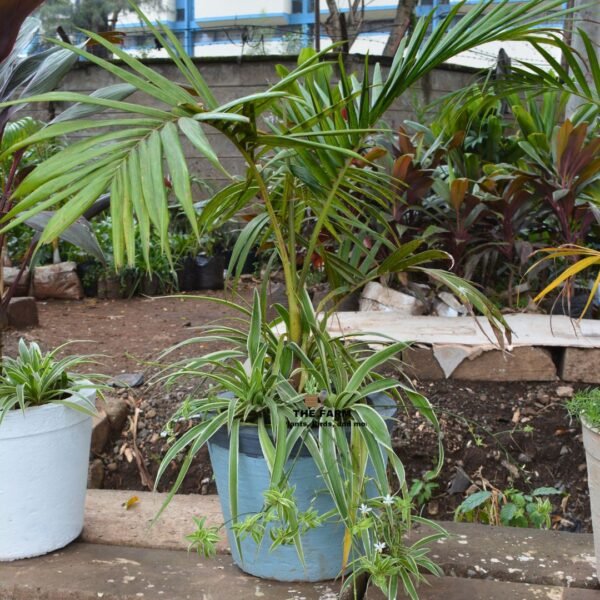
Royal Palm (Roystonea regia)
Introduction
The Royal Palm is a symbol of grace and grandeur in tropical landscapes. Its towering presence and iconic look make it a standout plant in gardens, parks, and urban settings. Whether lining streets or serving as a centerpiece in large open spaces, the Royal Palm brings a sense of tropical luxury to any environment.
Benefits
- Aesthetic Beauty: With its tall trunk and large, arching fronds, the Royal Palm adds elegance and tropical charm to landscapes, making it perfect for formal avenues and expansive gardens.
- Wind and Salt Tolerant: The Royal Palm can tolerate coastal conditions and is resilient to salt spray, making it an ideal choice for beachfront properties or tropical climates.
- Low Maintenance: Once established, Royal Palms require little care and can adapt to a variety of soil types and conditions.
- Wildlife Habitat: Its fruits and leaves provide habitat and food for birds and other wildlife.
- Shade Provider: The wide, expansive fronds provide shade and create a cooling effect, which can be especially beneficial in hot climates.
Conditions for Optimal Growth
- Soil: Prefers well-draining, slightly acidic soil. It can tolerate a variety of soil types but grows best in rich, loamy soil.
- Sunlight: Thrives in full sun, needing at least 6-8 hours of direct sunlight per day for optimal growth.
- Watering: Requires regular watering, especially when young. Once established, it becomes more drought-tolerant, though it prefers consistent moisture.
- Temperature: Best grown in tropical or subtropical climates, withstanding temperatures as low as 28°F (-2°C) but thriving in warmer conditions.
- Fertilization: Benefits from regular fertilization with a palm-specific fertilizer, especially in nutrient-deficient soils, to prevent yellowing leaves and encourage healthy growth.
Conclusion
The Royal Palm is a symbol of grandeur and elegance, perfect for those looking to make a dramatic statement in their landscaping. With its tall, smooth trunk and graceful, arching fronds, this tropical palm brings a lush, luxurious feel to any garden or avenue. Low maintenance and resilient, the Royal Palm is an excellent choice for coastal, tropical, and subtropical environments where its beauty and stature can be fully appreciated.
Related products
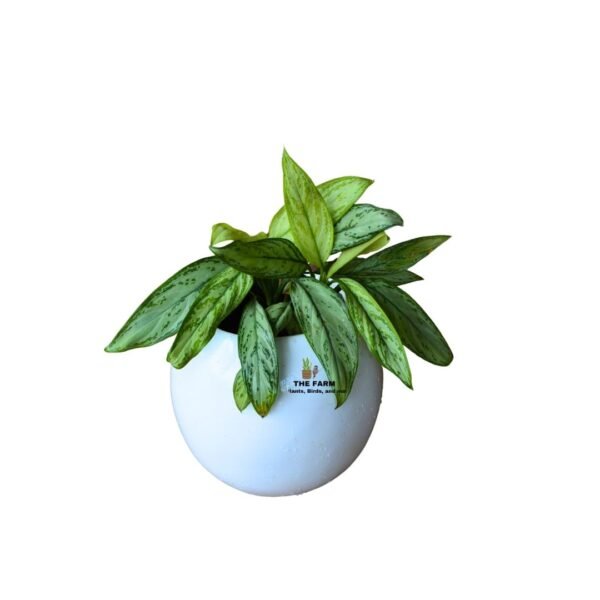
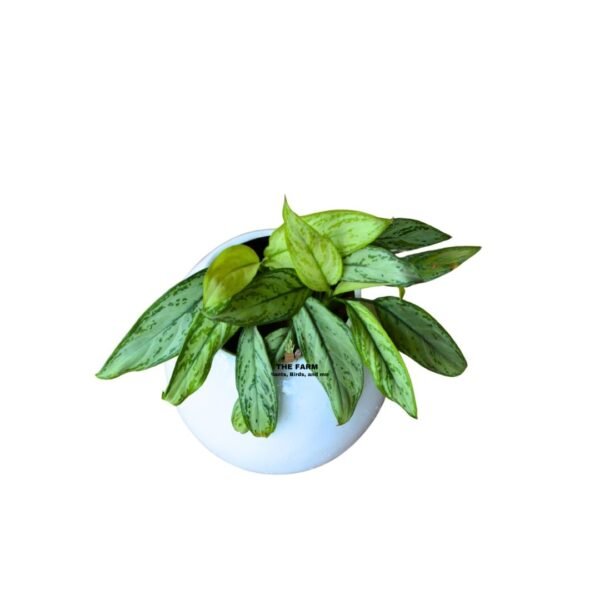
Aglaonema Pearl in a Spherical Fiber Glass Planter
Key Features of the Aglaonema Pearl in a Spherical Fiber Glass Planter
- Striking variegated leaves with silver, green, and cream hues
- Low-light tolerance, ideal for indoor spaces
- Low-maintenance care with minimal watering needs
- Air-purifying properties for a healthier environment
- Sleek and durable spherical fiber glass planter
- Perfect for homes and offices in Kenya
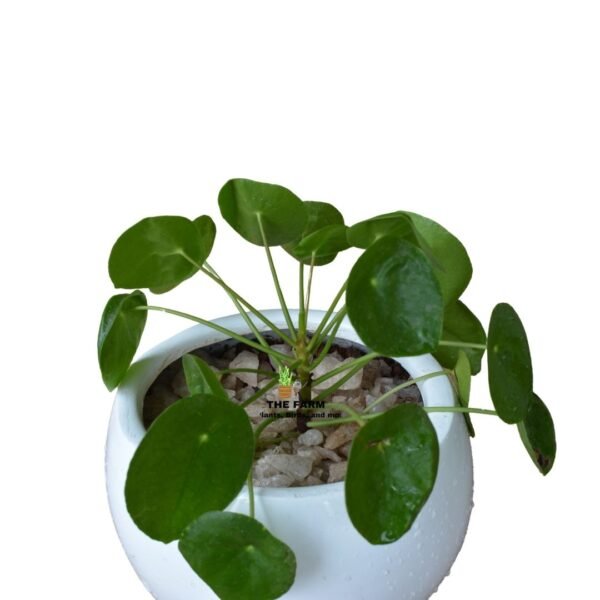
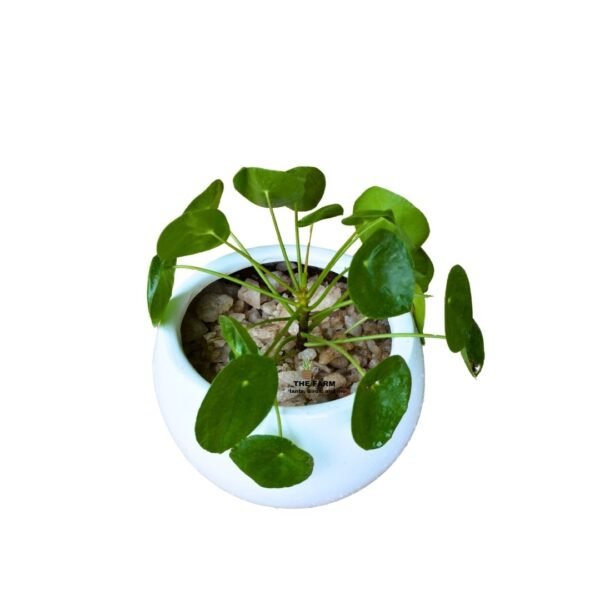
Chinese Money Plant in a Fiberglass Planter
Key Features of the Chinese Money Plant (Local Name: Mti wa Pesa)
- Symbolizes prosperity and good fortune
- Round, coin-shaped leaves that are visually striking
- Easy to maintain, needing minimal watering and indirect light
- Air-purifying properties for improved indoor air quality
- Stylish fiberglass planter, lightweight and durable
- Ideal for homes and offices in Kenya, enhancing décor while promoting positive energy
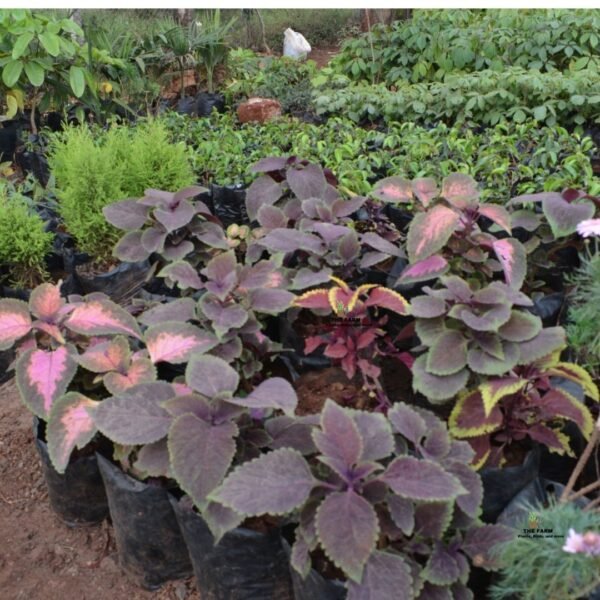
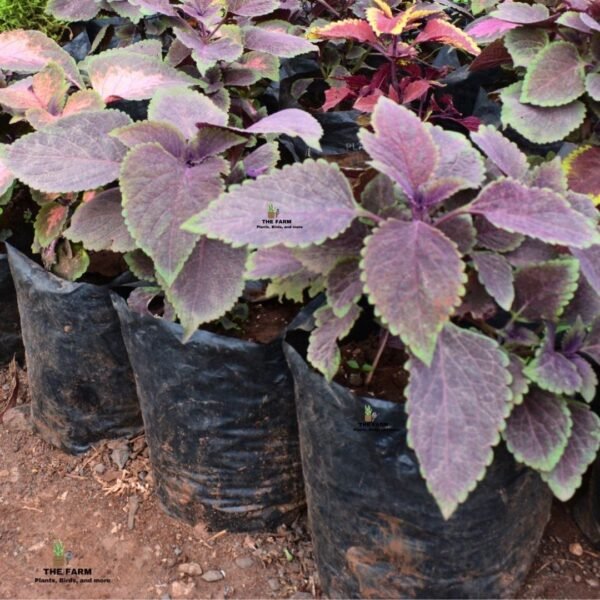
Coleus Seedling Plants
Key Features of Coleus Seedling Plants
- Bright and Diverse Foliage: Available in striking shades of red, purple, green, yellow, and pink, with intricate patterns.
- Compact Size: Seedlings are easy to handle and transplant, typically ranging from 10–15 cm tall.
- Fast Growth: Rapidly matures into a bushy plant, filling gardens with vibrant colors.
- Shade Tolerance: Thrives in partially shaded environments, perfect for gardens with limited sunlight.
- Low Maintenance: Requires minimal care and grows well with basic gardening skills.
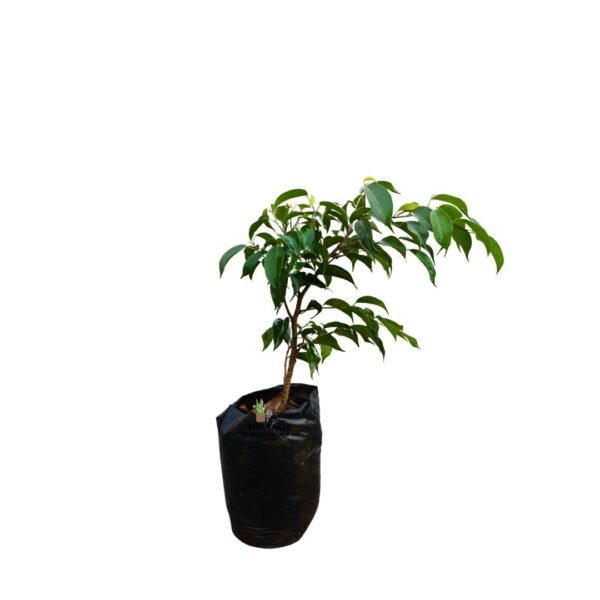
Ficus Benjamina
Key Features of the Ficus Benjamina
- Elegant, arching branches with glossy green leaves
- Ideal for both indoor and outdoor environments
- Air-purifying properties that improve indoor air quality
- Versatile plant that can be pruned to suit any space
- Thrives in bright, indirect light with regular watering
- Low maintenance, perfect for homes and offices
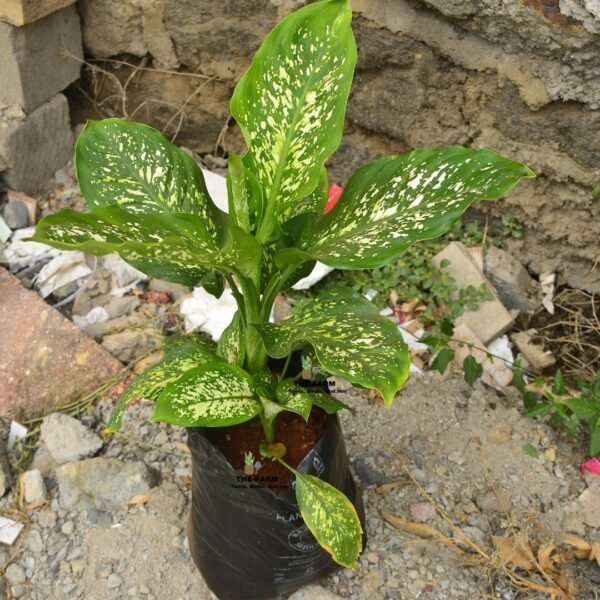
Green Dieffenbachia Indoor Plant
Key Features of Green Dieffenbachia Indoor Plant
- Vibrant Foliage
The Green Dieffenbachia is renowned for its large, broad leaves with intricate patterns and markings. The leaves are usually green with white or light-colored veins, creating a striking contrast that enhances the plant's visual appeal. - Height and Spread
The plant can grow up to 5 feet tall indoors, making it an impressive statement piece in any room. Its bushy growth habit adds volume and lushness to your indoor garden, making it a perfect addition to spacious areas. - Adaptability to Indoor Conditions
One of the standout features of the Green Dieffenbachia is its adaptability. It can thrive in various indoor environments, from low-light corners to brightly lit areas. This versatility makes it an ideal choice for different rooms in your home, whether it's the living room, bedroom, or office. - Toxicity Warning
It's essential to note that the Green Dieffenbachia is toxic to pets and humans if ingested. Its sap contains calcium oxalate crystals, which can cause irritation and swelling in the mouth and throat. Therefore, it’s important to keep it out of reach of children and pets. - Longevity
With proper care, the Green Dieffenbachia can live for many years, becoming a long-term companion in your indoor plant collection. Its slow to moderate growth rate ensures that it remains manageable and doesn’t outgrow its space too quickly. - Ease of Propagation
The plant is relatively easy to propagate through stem cuttings. Simply cut a section of the stem with at least one leaf node and place it in water or directly into soil. Within a few weeks, roots will start to develop, and you'll have a new Green Dieffenbachia plant to enjoy or share with friends.





Reviews
There are no reviews yet.