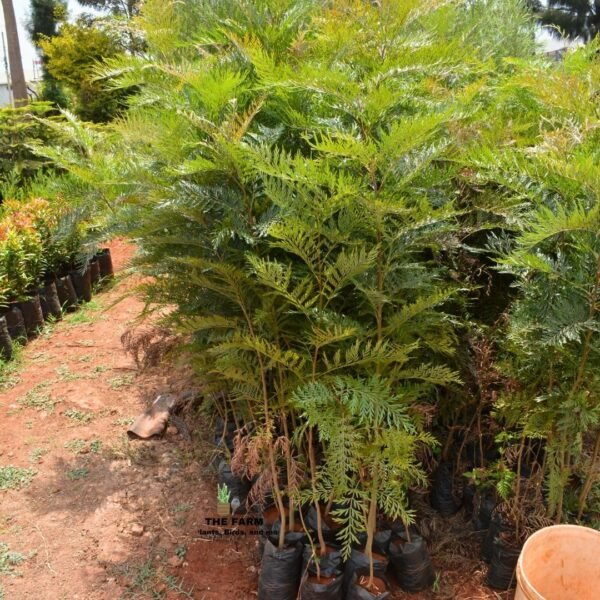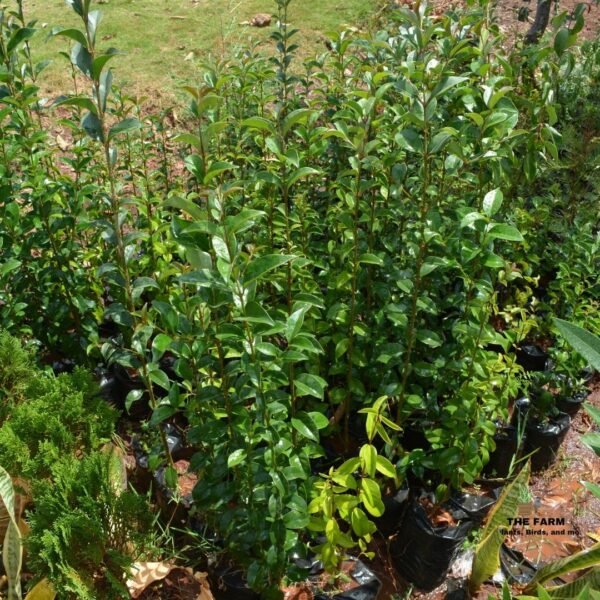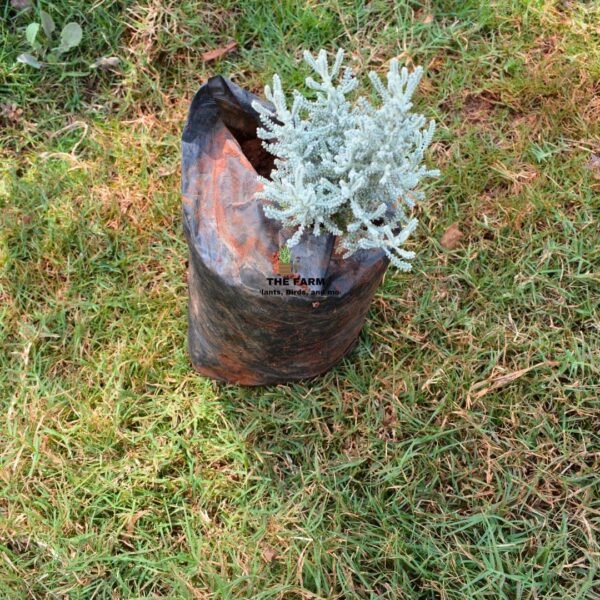


Alkeria Tree (4 ft) in Kenya seedling.
KSh 2,000.00 Original price was: KSh 2,000.00.KSh 1,000.00Current price is: KSh 1,000.00.
Key Features of the Alkeria Tree
- Rapid Growth: The Alkeria tree grows quickly, reaching up to 4 feet in a relatively short time, making it ideal for reforestation and soil stabilization projects.
- Drought Tolerance: With its resilience in dry conditions, the Alkeria tree is well-suited for arid and semi-arid areas, requiring minimal water once established.
- Soil Enrichment: Known for improving soil fertility, the Alkeria tree adds organic matter, enhancing soil health and benefiting surrounding plants.
- Carbon Absorption: High carbon sequestration ability makes it effective in reducing carbon footprint, contributing positively to climate change mitigation.
- Biodiversity Support: Provides a habitat and food source for various wildlife species, promoting biodiversity and supporting local ecosystems.
- Adaptability: Grows well in a variety of soils and climates, making it versatile for different Kenyan landscapes, from highlands to plains.
- Low Maintenance: Once established, the tree requires minimal upkeep, making it a practical choice for long-term sustainability projects.
Introduction
The Alkeria tree, a fast-growing species that reaches about 4 feet in early stages, is increasingly popular in Kenya for its environmental and economic benefits. Its rapid growth and adaptability to various climates make it suitable for Kenyan landscapes, from reforestation projects to ornamental use in gardens and parks.
Benefits of Planting Alkeria Trees in Kenya
- Environmental Conservation: The Alkeria tree helps combat deforestation by replenishing tree cover. Its high carbon absorption rate makes it effective in reducing greenhouse gases.
- Soil Health Improvement: The tree enriches the soil with organic matter, improving soil fertility and structure over time, benefiting other plants in the area.
- Drought Resilience: Alkeria trees are drought-tolerant, which is crucial for areas in Kenya with inconsistent rainfall.
- Biodiversity Support: These trees provide shelter and food for various wildlife species, contributing to ecosystem stability and biodiversity.
Conditions for Optimal Growth in Kenya
- Soil: Thrives in fertile, well-draining soil with high organic content, though it can adapt to different soil types.
- Sunlight: Requires full sunlight for optimal growth, making it ideal for open fields and sunny gardens.
- Water: Although drought-tolerant, regular watering is recommended during the early stages to establish a strong root system.
- Temperature: Suited to Kenya’s warm climate, as it prefers temperatures that do not drop below freezing.
Conclusion
The Alkeria tree, even at an early height of 4 feet, holds great potential for Kenya’s reforestation and landscaping efforts. Its resilience, soil-enhancing qualities, and support for local wildlife make it an excellent addition to both rural and urban environments in  Kenya.
| plant type | Alkeria trees |
|---|
Only logged in customers who have purchased this product may leave a review.
Related products
Coleus Seedling
Key Features of Coleus
- Local Name: Mbarika
- Scientific Name: Coleus blumei or Plectranthus scutellarioides
- Growth Habit: Bushy, with a wide range of leaf colors and patterns
- Sunlight: Partial to full shade
- Watering Needs: Regular watering; keep the soil moist but not soggy
- Soil Type: Well-drained, fertile, loamy soil
- Maintenance Level: Low
- Ideal Temperature: 18°C - 30°C
- Propagation: Easy from cuttings
Use in Kenya
Coleus is a popular plant in Kenyan homes, gardens, and landscapes, often used to add color and texture to outdoor and indoor settings. Its ease of growth and maintenance makes it a preferred choice for anyone looking to brighten up their space with minimal effort. The local love for Mbarika continues to grow, as it not only beautifies spaces but also embodies the vibrant spirit of Kenyan gardening culture.
Cordyline Fruticosa Seedlings in Kenya
Key Features of Cordyline Fruticosa Seedlings (Mti Wa Maisha or Ti Plant)
- Local Name: Mti Wa Maisha or Ti Plant
- Scientific Name: Cordyline fruticosa
- Growth Habit: Upright, bushy plant with long, colorful leaves
- Sunlight: Partial shade to full sun
- Watering Needs: Moderate; keep soil moist but not waterlogged
- Soil Type: Well-drained, loamy soil enriched with organic matter
- Maintenance Level: Low; occasional pruning for optimal appearance
- Ideal Temperature: 20°C - 30°C
- Uses: Ornamental plant, indoor decoration, garden borders, cultural significance
Use in Kenya
In Kenya, Cordyline fruticosa is widely used in both outdoor and indoor landscapes due to its vibrant leaves and adaptability to different environments. Its ability to tolerate partial shade makes it ideal for areas under trees or alongside walls. As a popular ornamental plant, it is often used in gardens, along pathways, or as a potted plant to enhance patios and balconies. Mti Wa Maisha is also culturally significant in some Kenyan communities, symbolizing life and good fortune when planted near homes.
Cordyline Stricta Seedlings in Kenya
Key Features of Cordyline Stricta Seedlings (Slender Palm Lily)
- Local Name: Slender Palm Lily
- Scientific Name: Cordyline stricta
- Growth Habit: Upright, bushy plant with slender, arching green leaves
- Sunlight: Full sun to partial shade
- Watering Needs: Moderate; drought-tolerant once established
- Soil Type: Well-drained, loamy soil enriched with organic matter
- Maintenance Level: Low; occasional pruning to remove old leaves
- Ideal Temperature: 20°C - 30°C
- Uses: Ornamental plant, indoor decoration, garden borders, pots
Use in Kenya
In Kenya, Cordyline stricta is a popular choice for both urban and rural gardens, valued for its ability to thrive in a variety of environments. Its slim, upright form makes it ideal for small gardens or tight spaces where vertical interest is needed. Additionally, its low water requirements and ease of care make it well-suited to Kenya’s sometimes dry climate. Slender Palm Lily is commonly planted in garden beds, along fences, or in pots, where it adds a sleek and tropical feel to the landscape.
Gazania Plant Seedling in Kenya
Key Features of Gazania Seedlings
- Local Name: Gazania
- Scientific Name: Gazania rigens
- Growth Habit: Low-growing, spreading plant with large, daisy-like flowers
- Sunlight: Full sun
- Watering Needs: Regular watering when young; drought-tolerant once established
- Soil Type: Well-drained, sandy, or loamy soils; adaptable to poor soil conditions
- Maintenance Level: Low; minimal care required, deadhead spent blooms
- Ideal Temperature: 20°C - 35°C
- Uses: Borders, ground cover, rock gardens, containers, and hanging baskets
Use in Kenya
Gazania is widely used in Kenyan gardens due to its vibrant flowers and ability to withstand heat and drought. It is often seen brightening up garden borders, used as ground cover in rock gardens, or planted in containers to add color to patios and balconies. Its resilience and adaptability to Kenya’s sunny climate make it a favored choice for those seeking a colorful, low-maintenance garden. By planting Gazania seedlings, you add a cheerful, eye-catching element to your outdoor space that thrives with little effort.
Green Grevillea Tree Seedling 3.5ft in Kenya
Key Features of Green Grevillea Tree Seedlings 3.5ft
- Perfect Size for Planting
- At 3.5ft tall, these seedlings are ideal for easy transplanting and rapid establishment in your garden.
- Vibrant Foliage and Unique Flowers
- Grevillea trees are known for their bright green foliage and striking, nectar-rich flowers that attract pollinators.
- Low Maintenance
- Requires minimal care once established; drought-tolerant and adaptable to various soil conditions.
- Eco-Friendly Benefits
- Supports biodiversity, reduces soil erosion, and sequesters carbon for environmental improvement.
- Versatile Uses
- Ideal for ornamental landscaping, privacy screens, and erosion control.
Use in Kenya
Grevillea seedlings are widely used across Kenya for both commercial and ecological purposes. They are commonly planted on farms to provide shade for coffee and tea, along boundaries as windbreaks, and in reforestation efforts to combat deforestation. The tree’s fast growth, versatility, and minimal care requirements make it an invaluable asset to Kenyan agriculture and environmental management. By planting Grevillea seedlings, you contribute to sustainable farming, protect your crops, and support Kenya’s green initiatives.
Ligustrum Ovalifolium Seedling in Kenya
Key Features of Ligustrum Ovalifolium Seedlings
- Common Name: Privet
- Scientific Name: Ligustrum ovalifolium
- Growth Habit: Dense, bushy shrub with glossy, oval-shaped leaves
- Sunlight: Full sun to partial shade
- Watering Needs: Regular watering when young; drought-tolerant once established
- Soil Type: Well-drained, fertile soils; adaptable to sandy and loamy conditions
- Maintenance Level: Low; regular pruning needed for shape and density
- Ideal Temperature: 15°C - 28°C
- Uses: Hedges, privacy screens, borders, ornamental shrub
Use in Kenya
Privet is widely used in Kenyan landscaping for its versatility and aesthetic value. It is often planted as a hedge along property lines, driveways, and garden borders to create a formal, manicured look. Its adaptability to Kenya’s diverse climates and its ability to thrive with minimal care make it a popular choice among homeowners and landscapers. By planting Ligustrum Ovalifolium seedlings, you are enhancing the beauty and functionality of your garden while contributing to a greener and healthier environment.
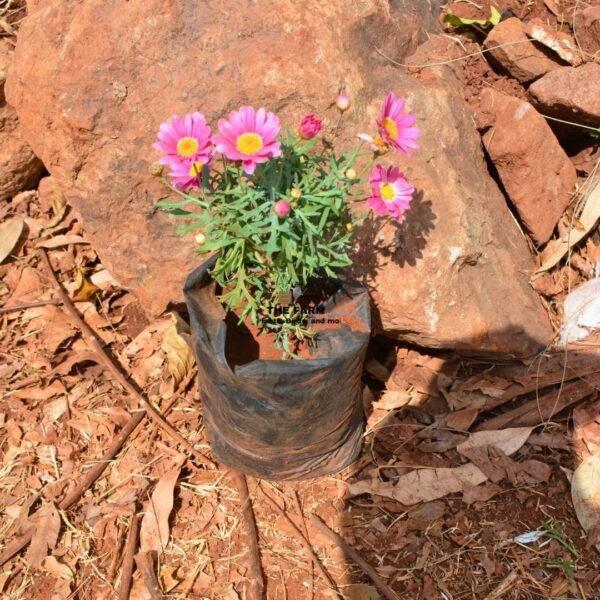
Marguerite Daisy Seedling in Kenya
Key Features of Marguerite Daisy Seedlings (Daisy)
- Local Name: Daisy
- Scientific Name: Argyranthemum frutescens
- Growth Habit: Bushy, upright plant with daisy-like flowers
- Sunlight: Full sun
- Watering Needs: Regular watering; drought-tolerant once established
- Soil Type: Well-drained, fertile soils with moderate moisture content
- Maintenance Level: Low; deadheading and light pruning recommended
- Ideal Temperature: 15°C - 25°C
- Uses: Garden beds, borders, containers, low hedges, and ornamental displays
Use in Kenya
In Kenya, Marguerite Daisies are often used to brighten gardens, driveways, and patios. Their ability to bloom profusely even in warm climates makes them a common choice for gardeners looking for low-maintenance, high-impact flowers. These plants also do well in pots, allowing gardeners to enjoy their cheerful blooms on balconies or verandas. With Marguerite Daisy seedlings, you can add lasting beauty and charm to your garden spaces with minimal effort.
Santolina Chamaecyparissus Seedling in Kenya
Key Features of Santolina Chamaecyparissus Seedlings
- Common Name: Lavender Cotton
- Scientific Name: Santolina Chamaecyparissus
- Growth Habit: Compact, bushy shrub with silver-gray foliage and yellow button-like flowers
- Sunlight: Full sun
- Watering Needs: Regular watering when young; drought-tolerant once established
- Soil Type: Well-drained, sandy, or rocky soils; prefers slightly alkaline conditions
- Maintenance Level: Low; light pruning to maintain shape and promote growth
- Ideal Temperature: 15°C - 30°C
- Uses: Borders, rock gardens, low hedges, herb gardens, and ornamental accents
Use in Kenya
Santolina is ideal for Kenyan landscapes due to its resilience to heat and dry conditions. It is often used in Mediterranean-style gardens, mixed borders, or as a low-maintenance ground cover that adds texture and color contrast. Its aromatic qualities make it a lovely addition to pathways and garden beds where its fragrance can be enjoyed. By planting Santolina Chamaecyparissus seedlings, you bring a touch of elegance and practicality to your garden, enhancing both the aesthetics and functionality of your outdoor space.


Reviews
There are no reviews yet.