


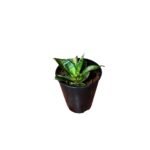

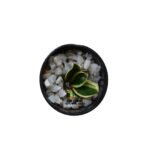
Sansevieria Trifasciata Green Hahnii Snake Plant in a Plastic Planter
Original price was: KSh 2,000.00.KSh 1,299.00Current price is: KSh 1,299.00.
Key Features of the Snake Plant (Local Name: Ndovu)
- Compact and stylish, fitting small spaces
- Deep green leaves with elegant variation
- It requires minimal care and infrequent watering
- Air-purifying abilities for healthier indoor air
- Thrives in indirect light and low-light conditions
- Durable plastic planter for easy placement and mobility
Introduction
The Sansevieria Trifasciata Green Hahnii, or simply the snake plant, is an excellent indoor plant choice due to its low maintenance and air-purifying properties. Known for its ability to thrive with minimal care, this variety is perfect for small spaces, from living rooms to work desks. Potted in a lightweight, durable plastic planter, it complements any décor while promoting a cleaner, healthier indoor environment.
Benefits of Snake Plant in a Plastic Planter
Owning a snake plant like the Sansevieria trifasciata green hahnii offers numerous benefits, making it a must-have for indoor spaces:
- Air-Purifying Abilities: The snake plant absorbs toxins such as formaldehyde, xylene, and benzene from the air, providing fresher indoor air and promoting better health.
- Low Maintenance: This snake plant requires minimal watering and can survive in various lighting conditions, making it perfect for both plant beginners and busy individuals.
- Stylish and Compact: With its rosette shape and striking green leaves, the snake plant adds a touch of elegance to any room. The compact size of the Green Hahnii is perfect for tight spaces.
- Durability: The plastic planter enhances the mobility and durability of the snake plant, making it easy to move and less prone to breakage compared to ceramic planters.
Conditions for Optimal Growth
To ensure your snake plant remains healthy and vibrant, consider the following conditions:
- Lighting: The snake plant thrives in indirect sunlight but is tolerant of low-light conditions, making it suitable for various indoor environments.
- Watering: The snake plant is drought-tolerant and requires minimal watering. Allow the soil to dry out between waterings to prevent root rot.
- Soil: Well-draining soil is essential. A cactus or succulent potting mix works best for the snake plant.
- Temperature: Ideal temperatures for this snake plant range between 15°C and 27°C, perfect for indoor environments in Kenya.
Conclusion
The Sansevieria trifasciata green hahnii snake plant is the perfect choice for anyone looking to enhance their indoor space with a touch of nature. Easy to care for and packed with health benefits, this snake plant is ideal for homes and offices. Paired with a plastic planter, it adds modern simplicity while thriving with little care. Whether you are a plant enthusiast or a beginner, the snake plant brings effortless beauty and well-being into your space.
| plant type | Snake plants |
|---|
Only logged in customers who have purchased this product may leave a review.
Related products
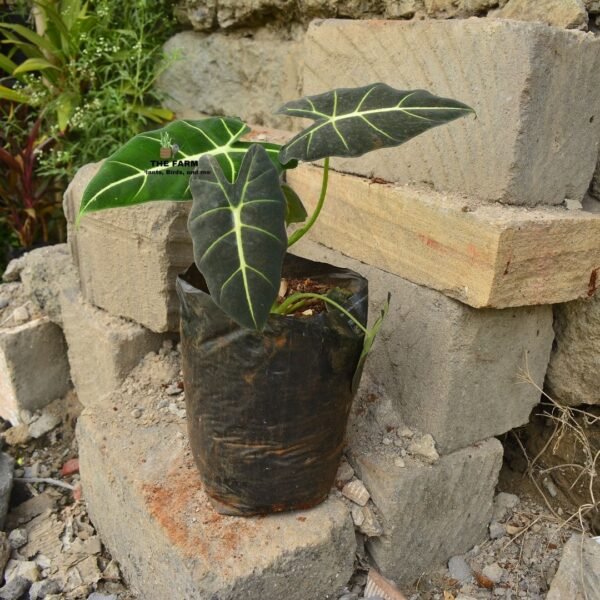
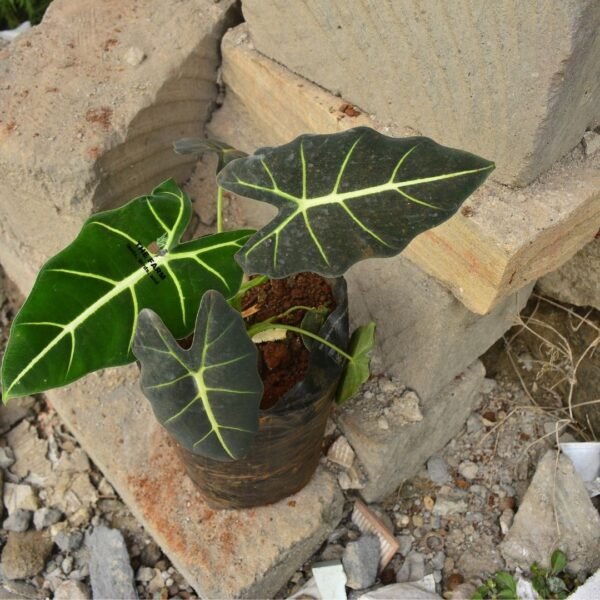
Alocasia Micholitziana ‘Frydek’ (Green Velvet) seedling.
Key Features of Alocasia Micholitziana 'Frydek'
- Velvety Texture The standout feature of Alocasia ‘Frydek’ is its soft, velvety leaves. The deep green foliage contrasts beautifully with the sharp white veins, creating an eye-catching display that adds luxury and elegance to any indoor space.
- Arrow-Shaped Leaves The large, arrow-shaped leaves are one of the most distinctive characteristics of this plant. Each leaf can grow up to 18 inches long, making it a striking addition to any plant collection. The unique shape, combined with the velvet texture, gives it a sculptural quality that adds depth and dimension to any room.
- Compact Growth Unlike some other Alocasias, the ‘Frydek’ tends to maintain a more compact growth habit, reaching around 2 to 3 feet tall indoors. This makes it an ideal choice for homes or apartments with limited space.
- Tuberous Growth Alocasia ‘Frydek’ grows from underground tubers, which store nutrients and help the plant survive during periods of dormancy. These tubers also make it easy to propagate the plant, either by dividing the tubers or growing new plants from cuttings.
- Dormancy Like many tropical plants, Alocasia ‘Frydek’ may enter a period of dormancy in the winter. During this time, its growth may slow down, and it may even lose some leaves. This is normal, and the plant will resume growth in the spring. Reduce watering during this period and avoid fertilization.
- Toxicity It's important to note that Alocasia ‘Frydek’ is toxic to both pets and humans if ingested. The plant contains calcium oxalate crystals, which can cause irritation, swelling, and discomfort in the mouth and throat. Be sure to keep it out of reach of curious pets and small children.


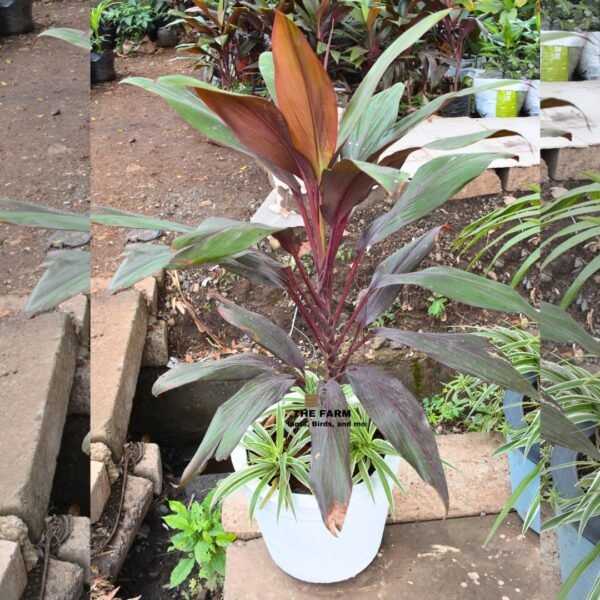
Boston Fern seedling.
Key Features of the Boston Fern
- Lush Appearance: Elegant, feathery fronds with a vibrant green hue add a touch of nature to any setting.
- Air Purifier: Naturally cleans the air by removing toxins and increasing indoor humidity.
- Low Maintenance: Requires simple care with moderate watering and indirect light.
- Pet-Friendly: Non-toxic to cats and dogs, making it a safe choice for pet owners.
- Versatile Placement: Perfect for indoor decor, shaded outdoor gardens, or humid areas like bathrooms.
- Timeless Appeal: Complements all decor styles, from modern to rustic.
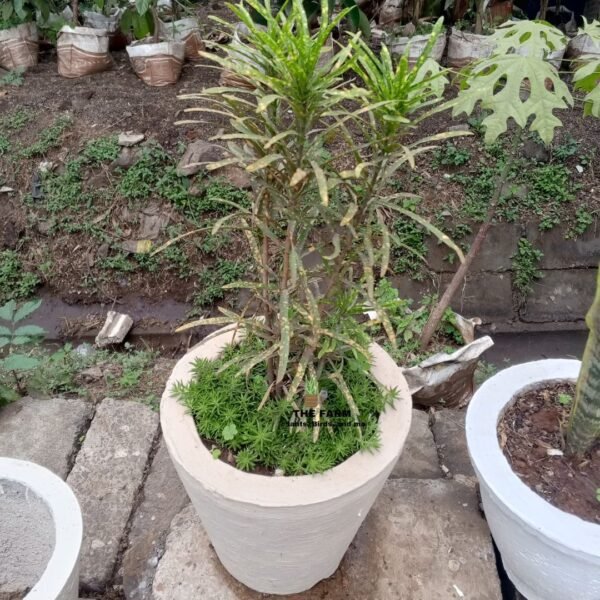
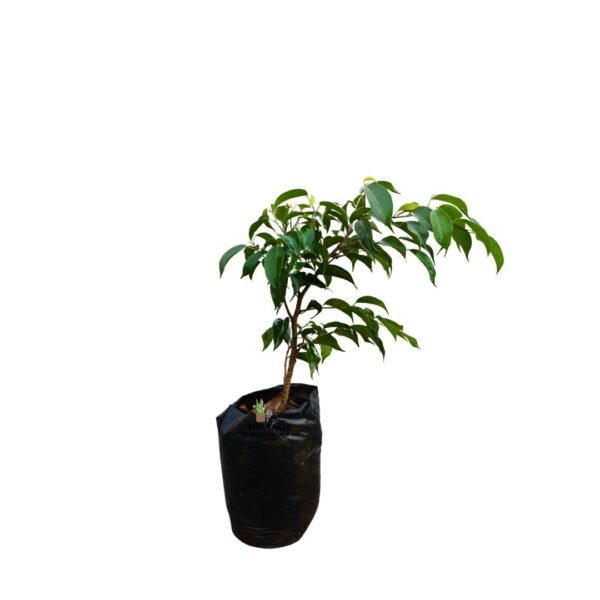
Ficus Benjamina
Key Features of the Ficus Benjamina
- Elegant, arching branches with glossy green leaves
- Ideal for both indoor and outdoor environments
- Air-purifying properties that improve indoor air quality
- Versatile plant that can be pruned to suit any space
- Thrives in bright, indirect light with regular watering
- Low maintenance, perfect for homes and offices
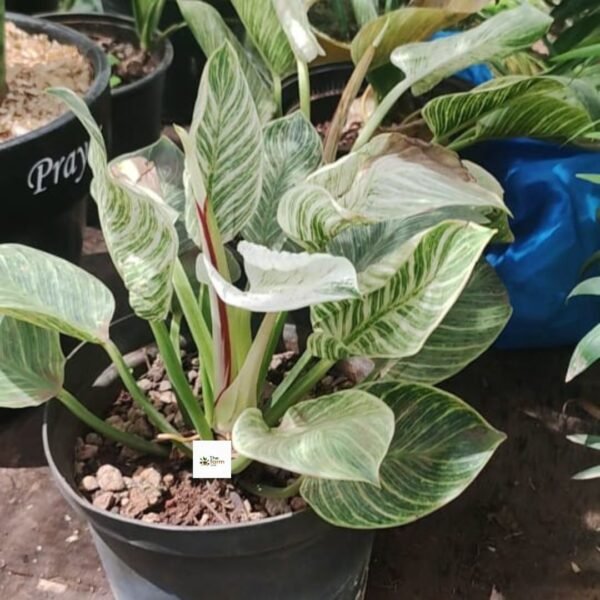
Philodendron Rugosum
⭐ Key Features
🟢 Thick, quilted leaves resembling pigskin—truly one of a kind
🪴 Slow-growing, making it manageable and easy to maintain
🔒 Hardy and disease-resistant, especially in controlled indoor conditions
🌍 Rare species, perfect for plant collectors or unique gift ideas
🌿 Can be grown in pots, decorative planters, or hanging baskets


Reviews
There are no reviews yet.