


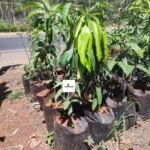
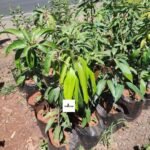
Apple Mango Tree Seedlings
Original price was: KSh 2,000.00.KSh 999.00Current price is: KSh 999.00.
Key Features
- Unique Fruit: Produces juicy mangoes with a distinctive apple-like flavor.
- Fast Growth: Grows rapidly under optimal conditions, yielding fruit within a few years.
- Shade Provider: The wide canopy offers shade and cools your garden space.
- Pollinator Magnet: The tree’s flowers attract bees, butterflies, and other pollinators.
- Long Lifespan: With proper care, these trees can produce fruit for decades.
Experience the joy of growing your apple mango tree and elevate your garden with tropical flair. This tree isn’t just a treat for your taste buds but also a stunning addition to your outdoor space. Start your apple mango journey today! 🥭🌴
Apple mango trees combine the irresistible sweetness of mangoes with a slight tang reminiscent of apples, offering a unique and delightful fruit experience. These trees are a must-have for gardeners looking to add an exotic touch to their space while enjoying the luxury of harvesting juicy, homegrown mangoes. With vibrant foliage and flavorful fruits, apple mango trees are both functional and decorative.
Benefits of Apple Mango Trees
- Exotic Flavor: Enjoy the best of both worlds with mangoes that carry a hint of apple-like tartness.
- Homegrown Health: Mangoes are packed with vitamins A, C, and E, as well as antioxidants and fiber.
- Tropical Beauty: The tree features lush green leaves and fragrant flowers that beautify your garden.
- Cost-Effective: Grow your tropical fruits and reduce reliance on store-bought produce.
Ideal Growth Conditions
To ensure healthy growth and high yields, provide the following for your apple mango tree:
- Climate: Thrives in warm, tropical, or subtropical climates with temperatures of 70°F-90°F.
- Sunlight: Needs full sunlight exposure for 8-10 hours daily.
- Soil: Well-draining, slightly acidic soil with a pH of 5.5-7.5.
- Watering: Water deeply but infrequently, ensuring the soil is moist but not waterlogged.
- Spacing: Maintain at least 10-20 feet of space between trees for proper growth and air circulation.
Usage Suggestions
- Fresh Snacks: Relish the sweet, juicy fruits right off the tree.
- Culinary Creations: Add apple mangoes to smoothies, desserts, chutneys, and salads.
- Garden Ornamentation: Use the tree as a striking focal point in your backyard.
- Gift Option: A thoughtful gift for gardening enthusiasts or tropical fruit lovers.
Only logged in customers who have purchased this product may leave a review.
You may also like…

Guava Plant Seedling
Key Features
- Edible Fruits: Produces sweet, aromatic guava fruits that are rich in vitamins and antioxidants.
- Attractive Foliage: The plant features dense, glossy green leaves that add a lush appearance to any garden or patio.
- Fast-Growing: Known for its rapid growth, providing fruits in a few years when given the right conditions.
- Compact and Versatile: Can be grown in garden beds or large containers, making it adaptable for different spaces.
- Low Maintenance: Requires minimal care, making it suitable for beginners and experienced gardeners alike.


Passion Plant Seedling
Key Features
- Edible Fruits: Produces flavorful passion fruits rich in vitamins and antioxidants, perfect for fresh eating or juicing.
- Beautiful Flowers: Features exotic, fragrant flowers that attract pollinators like bees and butterflies, adding life to your garden.
- Fast-Growing Vine: Known for its rapid growth, this vine can quickly cover trellises, fences, or garden spaces.
- Versatile Growth: Suitable for garden beds, containers, or growing against structures, offering flexibility in placement.
- Low Maintenance: Easy to care for, making it suitable for both beginners and experienced gardeners.

Pawpaw Plant Seedling
Key Features
- Edible Fruits: Produces sweet, juicy pawpaw fruits rich in vitamins A and C, perfect for fresh eating, smoothies, and salads.
- Fast-Growing: Known for its rapid growth, providing fruits within a few years when given optimal conditions.
- Attractive Foliage: Features large, lobed leaves that create a tropical appearance and provide shade in gardens.
- Compact Growth: Suitable for garden beds or large containers, making it adaptable for different spaces.
- Low Maintenance: Requires minimal care, making it perfect for both beginner and experienced gardeners.


Pawpaw Seedlings
Key Features of Pawpaw Seedlings:
- Fast Growth: Pawpaw seedlings mature quickly, producing fruit within 6–12 months.
- High Yield: Each tree can produce up to 50–100 fruits annually under optimal conditions.
- Drought Tolerance: Thrives in regions with moderate rainfall and well-drained soil.
- Compact Size: Suitable for small-scale farming or home gardens due to its manageable size.
- Nutritional Value: Produces fruits rich in vitamins A, C, and E, as well as fiber and antioxidants.


Strawberry Guava Seedling
Key Features
- Edible Fruits: Produces small, sweet, and aromatic guava fruits with a hint of strawberry flavor, perfect for snacking or making jams.
- Compact Growth: Ideal for small spaces, this tree can be grown in containers or garden beds, making it versatile for various settings.
- Attractive Foliage: Features shiny, deep green leaves that add lush greenery and tropical appeal to gardens or patios.
- Hardy and Resilient: Known for its ability to thrive in various conditions, including drought and moderate cold.
- Pollinator Attraction: The plant’s fragrant flowers attract bees and other pollinators, enhancing garden biodiversity.


Wild Strawberry Plant Seedling
Key Features
- Edible Fruits: Produces small, aromatic berries that are perfect for fresh eating, baking, or adding to desserts.
- Compact Growth: Ideal for pots, hanging baskets, or garden beds, making it versatile for small spaces or larger garden areas.
- Attractive Foliage: Features bright green, lobed leaves that provide a lush and delicate look.
- Ground Cover Ability: Can spread to create a natural ground cover, adding texture and greenery to your garden.
- Pollinator-Friendly: The plant’s small white flowers attract bees and other beneficial insects, promoting biodiversity.
Related products
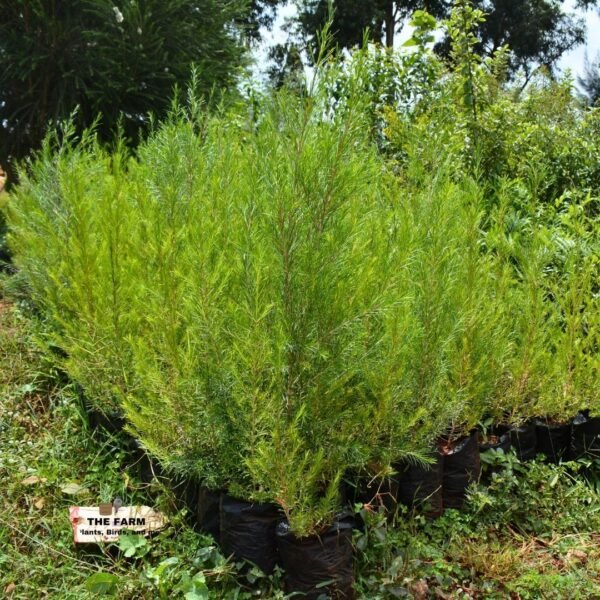


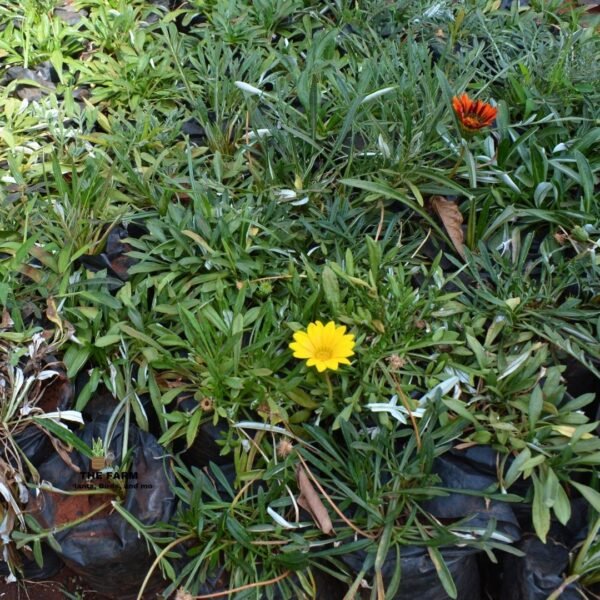
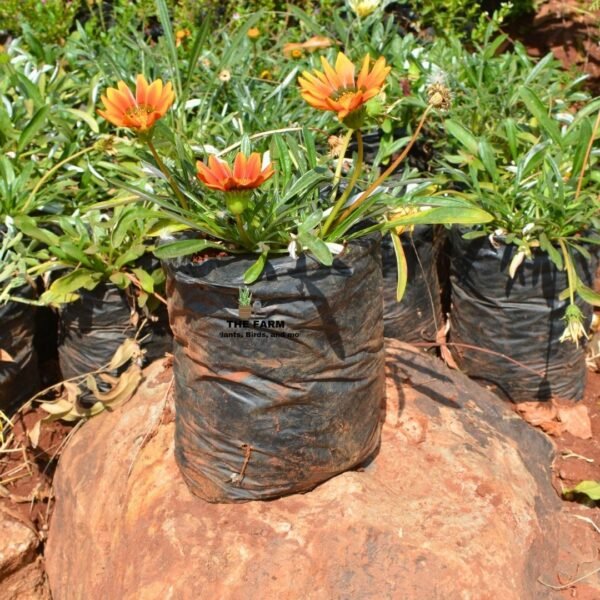
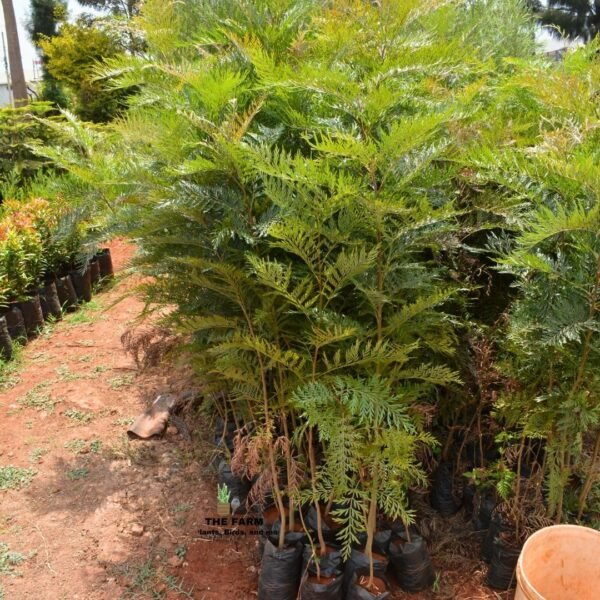
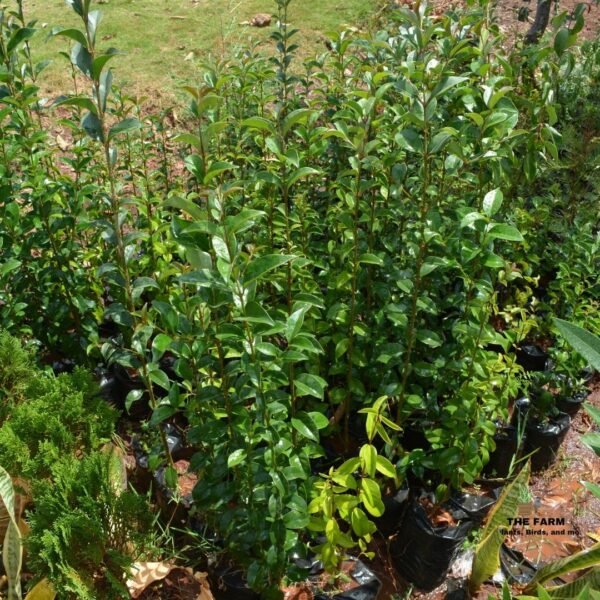

Ligustrum Ovalifolium Seedling in Kenya
Key Features of Ligustrum Ovalifolium Seedlings
- Common Name: Privet
- Scientific Name: Ligustrum ovalifolium
- Growth Habit: Dense, bushy shrub with glossy, oval-shaped leaves
- Sunlight: Full sun to partial shade
- Watering Needs: Regular watering when young; drought-tolerant once established
- Soil Type: Well-drained, fertile soils; adaptable to sandy and loamy conditions
- Maintenance Level: Low; regular pruning needed for shape and density
- Ideal Temperature: 15°C - 28°C
- Uses: Hedges, privacy screens, borders, ornamental shrub
Use in Kenya
Privet is widely used in Kenyan landscaping for its versatility and aesthetic value. It is often planted as a hedge along property lines, driveways, and garden borders to create a formal, manicured look. Its adaptability to Kenya’s diverse climates and its ability to thrive with minimal care make it a popular choice among homeowners and landscapers. By planting Ligustrum Ovalifolium seedlings, you are enhancing the beauty and functionality of your garden while contributing to a greener and healthier environment.
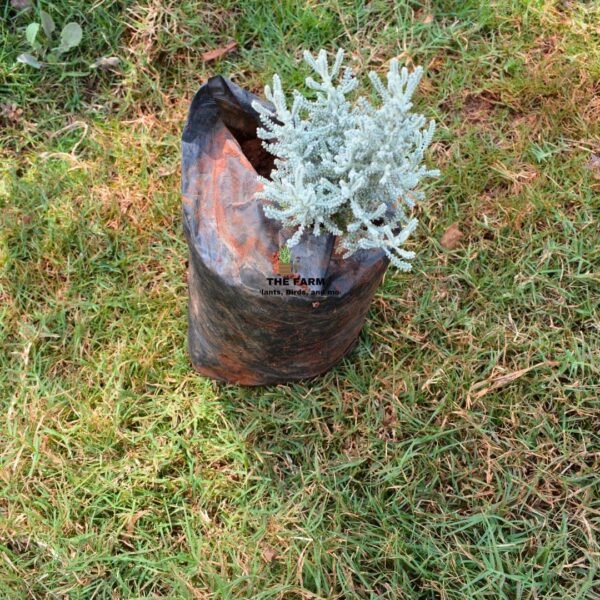

Santolina Chamaecyparissus Seedling in Kenya
Key Features of Santolina Chamaecyparissus Seedlings
- Common Name: Lavender Cotton
- Scientific Name: Santolina Chamaecyparissus
- Growth Habit: Compact, bushy shrub with silver-gray foliage and yellow button-like flowers
- Sunlight: Full sun
- Watering Needs: Regular watering when young; drought-tolerant once established
- Soil Type: Well-drained, sandy, or rocky soils; prefers slightly alkaline conditions
- Maintenance Level: Low; light pruning to maintain shape and promote growth
- Ideal Temperature: 15°C - 30°C
- Uses: Borders, rock gardens, low hedges, herb gardens, and ornamental accents
Use in Kenya
Santolina is ideal for Kenyan landscapes due to its resilience to heat and dry conditions. It is often used in Mediterranean-style gardens, mixed borders, or as a low-maintenance ground cover that adds texture and color contrast. Its aromatic qualities make it a lovely addition to pathways and garden beds where its fragrance can be enjoyed. By planting Santolina Chamaecyparissus seedlings, you bring a touch of elegance and practicality to your garden, enhancing both the aesthetics and functionality of your outdoor space.


Reviews
There are no reviews yet.