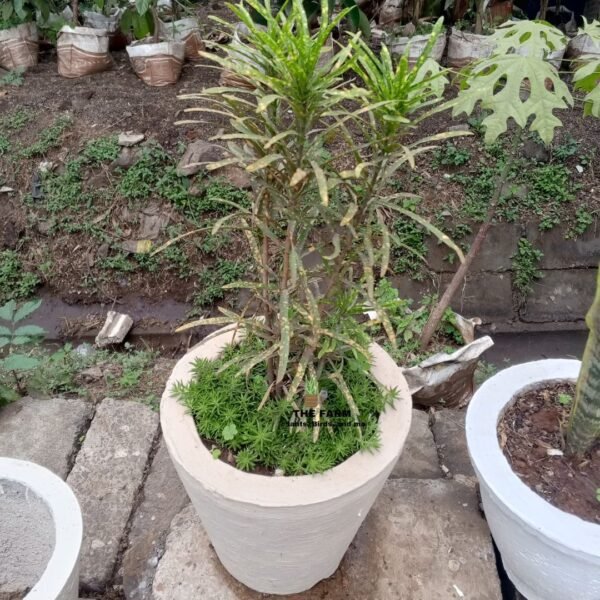


Macadamia Nut Tree Seedlings
KSh 2,000.00 Original price was: KSh 2,000.00.KSh 899.00Current price is: KSh 899.00.
Key Features
- High-Yield Tree: Produces an abundance of premium macadamia nuts once mature.
- Durable Lifespan: Can live and produce for over 50 years with proper care.
- Eco-Friendly: Attracts pollinators, contributing to a healthy ecosystem.
- Resilient Growth: Hardy against pests and diseases in suitable climates.
- Versatile Usage: Nuts can be roasted, ground into flour, or pressed for oil.
Start your journey with macadamia nut tree seedlings and enjoy the satisfaction of growing your gourmet nuts. Transform your garden into a thriving orchard and reap the benefits for generations to come! 🌳🥜
Macadamia nut tree seedlings are the perfect way to start growing one of the world’s most luxurious nuts right at home. Known for their creamy texture and rich flavor, macadamia nuts are a prized ingredient in gourmet dishes and a nutritious snack. These trees are a beautiful and valuable addition to gardens, providing shade, aesthetic appeal, and a consistent supply of high-quality nuts.
Benefits of Macadamia Nut Trees
- Nutritious Yield: Macadamia nuts are packed with healthy fats, protein, vitamins, and minerals, supporting heart health and overall well-being.
- Long-Term Productivity: With proper care, these trees can produce nuts for decades.
- Aesthetic Appeal: The tree’s glossy, dark-green leaves and beautiful blossoms enhance any garden space.
- Sustainable Living: Grow your macadamia nuts and reduce dependence on store-bought products.
Ideal Growth Conditions
For healthy growth and abundant harvests, macadamia nut trees require:
- Climate: Thrive in subtropical to tropical climates with temperatures between 60°F and 85°F.
- Sunlight: Full sun exposure for at least 6-8 hours daily.
- Soil: Well-draining, slightly acidic soil with a pH of 5.0-6.5.
- Watering: Regular watering, especially during the first few years of growth, while avoiding waterlogging.
- Space: Plant at least 20-30 feet apart to allow for the tree’s wide canopy.
Usage Suggestions
- Nut Harvesting: Enjoy macadamia nuts as a healthy snack or ingredient in baking and cooking.
- Oil Extraction: Use macadamia nuts to produce rich, high-quality cooking oil.
- Shady Retreat: The tree’s canopy provides a comfortable shaded area in gardens.
- Garden Centerpiece: Its attractive foliage and flowers make it a focal point in landscaping.
Only logged in customers who have purchased this product may leave a review.
You may also like…
Guava Plant Seedling
Key Features
- Edible Fruits: Produces sweet, aromatic guava fruits that are rich in vitamins and antioxidants.
- Attractive Foliage: The plant features dense, glossy green leaves that add a lush appearance to any garden or patio.
- Fast-Growing: Known for its rapid growth, providing fruits in a few years when given the right conditions.
- Compact and Versatile: Can be grown in garden beds or large containers, making it adaptable for different spaces.
- Low Maintenance: Requires minimal care, making it suitable for beginners and experienced gardeners alike.
Passion Plant Seedling
Key Features
- Edible Fruits: Produces flavorful passion fruits rich in vitamins and antioxidants, perfect for fresh eating or juicing.
- Beautiful Flowers: Features exotic, fragrant flowers that attract pollinators like bees and butterflies, adding life to your garden.
- Fast-Growing Vine: Known for its rapid growth, this vine can quickly cover trellises, fences, or garden spaces.
- Versatile Growth: Suitable for garden beds, containers, or growing against structures, offering flexibility in placement.
- Low Maintenance: Easy to care for, making it suitable for both beginners and experienced gardeners.
Pawpaw Plant Seedling
Key Features
- Edible Fruits: Produces sweet, juicy pawpaw fruits rich in vitamins A and C, perfect for fresh eating, smoothies, and salads.
- Fast-Growing: Known for its rapid growth, providing fruits within a few years when given optimal conditions.
- Attractive Foliage: Features large, lobed leaves that create a tropical appearance and provide shade in gardens.
- Compact Growth: Suitable for garden beds or large containers, making it adaptable for different spaces.
- Low Maintenance: Requires minimal care, making it perfect for both beginner and experienced gardeners.
Strawberry Guava Seedling
Key Features
- Edible Fruits: Produces small, sweet, and aromatic guava fruits with a hint of strawberry flavor, perfect for snacking or making jams.
- Compact Growth: Ideal for small spaces, this tree can be grown in containers or garden beds, making it versatile for various settings.
- Attractive Foliage: Features shiny, deep green leaves that add lush greenery and tropical appeal to gardens or patios.
- Hardy and Resilient: Known for its ability to thrive in various conditions, including drought and moderate cold.
- Pollinator Attraction: The plant’s fragrant flowers attract bees and other pollinators, enhancing garden biodiversity.
Related products
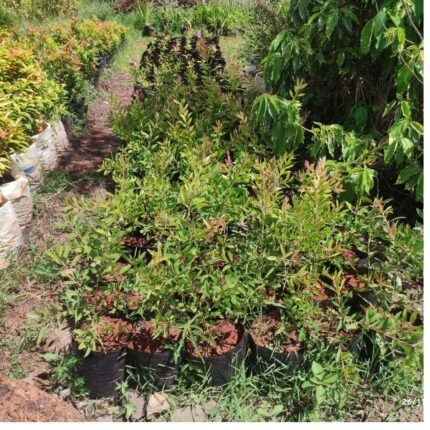
1ft Bottle Brush Tree Seedlings
Key Features of Bottle Brush Tree Seedlings
- Sizes for All Needs: Available from 1ft to 5ft, catering to gardeners and landscapers alike.
- Low Maintenance: Easy to care for, drought-tolerant, and pest-resistant.
- Year-Round Greenery: Evergreen foliage adds beauty and structure to any garden.
- Pollinator-Friendly: Attracts bees, butterflies, and birds to support biodiversity.
- Eco-Friendly Benefits: Improves air quality and stabilizes soil.
Conclusion
Bottle Brush Tree Seedlings 1ft are an exceptional choice for anyone looking to add vibrant color, charm, and environmental benefits to their garden or landscape. With their stunning red flowers, year-round greenery, and pollinator-friendly nature, these trees provide beauty and functionality for years to come.
By providing the right growing conditions—such as well-draining soil, full sunlight, and proper watering—you can enjoy the vibrant blossoms and lush foliage of these remarkable trees.
Coleus Seedling
Key Features of Coleus
- Local Name: Mbarika
- Scientific Name: Coleus blumei or Plectranthus scutellarioides
- Growth Habit: Bushy, with a wide range of leaf colors and patterns
- Sunlight: Partial to full shade
- Watering Needs: Regular watering; keep the soil moist but not soggy
- Soil Type: Well-drained, fertile, loamy soil
- Maintenance Level: Low
- Ideal Temperature: 18°C - 30°C
- Propagation: Easy from cuttings
Use in Kenya
Coleus is a popular plant in Kenyan homes, gardens, and landscapes, often used to add color and texture to outdoor and indoor settings. Its ease of growth and maintenance makes it a preferred choice for anyone looking to brighten up their space with minimal effort. The local love for Mbarika continues to grow, as it not only beautifies spaces but also embodies the vibrant spirit of Kenyan gardening culture.
Croton Plant
Introduction
The Croton plant is a stunning and bold addition to any garden or indoor plant collection. Known for its vibrant, multicolored leaves, this tropical beauty brings an explosion of color and life to any space. Its variety of leaf shapes and striking hues make it a favorite among plant enthusiasts looking for something unique and eye-catching.
Benefits
- Aesthetic Appeal: The vibrant colors and varied leaf shapes of Croton make it an excellent choice for adding visual interest to gardens or homes.
- Air Purification: Croton helps filter indoor air, improving air quality by removing pollutants like formaldehyde and benzene.
- Low Maintenance: Despite its dramatic appearance, Croton requires relatively little care once its growing conditions are met.
- Versatile Use: It can be grown as a houseplant, or in outdoor gardens as a border or accent plant.
- Durable: With proper care, Croton can be a long-lasting, robust plant that provides year-round color.
Conditions for Optimal Growth
- Soil: Croton prefers well-draining soil rich in organic matter. A mix of peat-based potting soil or loamy soil works best.
- Sunlight: Bright, indirect light is essential for Croton to maintain its vivid colors. While it can tolerate some shade, lack of light can dull its foliage.
- Watering: Keep the soil evenly moist but not waterlogged. Crotons like high humidity, so misting the plant occasionally helps. Allow the top layer of soil to dry between waterings.
- Temperature: Best grown in warm environments between 60°F and 85°F (16°C to 29°C). Avoid cold drafts and temperatures below 50°F (10°C), as Croton is sensitive to cold.
- Fertilization: Feed with a balanced liquid fertilizer once a month during the growing season (spring and summer). Reduce feeding in fall and winter.
Conclusion
The Croton plant is a bold, eye-catching option for anyone looking to add color and texture to their garden or home. Its dazzling foliage, combined with its low maintenance needs, makes it an ideal choice for both indoor and outdoor gardening. With proper care, the Croton plant will reward you with vivid, ever-changing colors, providing year-round tropical beauty to any space.
Gazania Plant Seedling in Kenya
Key Features of Gazania Seedlings
- Local Name: Gazania
- Scientific Name: Gazania rigens
- Growth Habit: Low-growing, spreading plant with large, daisy-like flowers
- Sunlight: Full sun
- Watering Needs: Regular watering when young; drought-tolerant once established
- Soil Type: Well-drained, sandy, or loamy soils; adaptable to poor soil conditions
- Maintenance Level: Low; minimal care required, deadhead spent blooms
- Ideal Temperature: 20°C - 35°C
- Uses: Borders, ground cover, rock gardens, containers, and hanging baskets
Use in Kenya
Gazania is widely used in Kenyan gardens due to its vibrant flowers and ability to withstand heat and drought. It is often seen brightening up garden borders, used as ground cover in rock gardens, or planted in containers to add color to patios and balconies. Its resilience and adaptability to Kenya’s sunny climate make it a favored choice for those seeking a colorful, low-maintenance garden. By planting Gazania seedlings, you add a cheerful, eye-catching element to your outdoor space that thrives with little effort.
Gold Dust Croton Seedlings in Kenya
Key Features of Gold Dust Croton Seedlings
- Local Name: Gold Dust Croton
- Scientific Name: Codiaeum variegatum ‘Gold Dust’
- Growth Habit: Compact, bushy shrub with green leaves speckled with yellow spots
- Sunlight: Bright, indirect light; tolerates some morning sun but avoids harsh afternoon rays
- Watering Needs: Regular watering; keep soil moist but not waterlogged
- Soil Type: Well-drained, fertile soils with good organic content
- Maintenance Level: Low; occasional pruning of dead leaves and light cleaning
- Ideal Temperature: 18°C - 30°C
- Uses: Indoor plant, outdoor landscaping, decorative pots, patio and balcony displays
Use in Kenya
Gold Dust Croton is widely appreciated in Kenya for its vibrant appearance and adaptability. It is often used in garden borders, along walkways, or as a colorful feature in mixed plantings. Indoors, it brightens up living spaces with its dazzling foliage, making it a popular choice for homes, offices, and hotels. The plant’s ability to thrive in Kenya’s warm climate and its striking visual appeal make it a valuable addition to any garden or indoor plant collection. By planting Gold Dust Croton seedlings, you can create a lively and welcoming atmosphere that stands out all year round.
Hibiscus Flower Seedling in Kenya
Key Features of Hibiscus Flower Seedlings
- Local Name: Hibiscus
- Scientific Name: Hibiscus rosa-sinensis
- Growth Habit: Bushy shrub with large, colorful flowers and glossy green leaves
- Sunlight: Full sun to partial shade
- Watering Needs: Regular watering; keep soil moist but not waterlogged
- Soil Type: Well-drained, fertile soils with good organic content
- Maintenance Level: Low; occasional pruning after flowering
- Ideal Temperature: 18°C - 30°C
- Uses: Garden shrub, hedge, potted plant, ornamental feature, and tea production
Use in Kenya
Hibiscus is widely grown in Kenyan gardens, parks, and along walkways for its vibrant and attractive flowers. It is also a popular choice for potted displays on patios and balconies, where its colorful blooms can be enjoyed up close. The plant’s adaptability to Kenya’s climate, combined with its low-maintenance nature, makes it an ideal addition to any garden. By planting Hibiscus flower seedlings, you can create a lively and beautiful garden space that bursts with color and tropical appeal year-round.
Rubber Plant in a Stylish White Fiberglass Planter
Ruby Red Alternanthera Seedling in Kenya
Key Features of Ruby Red Alternanthera Seedlings
- Local Name: Ruby Leaf
- Scientific Name: Alternanthera dentata
- Growth Habit: Low-growing, bushy plant with vibrant red to purple foliage
- Sunlight: Full sun to partial shade
- Watering Needs: Regular watering; prefers consistently moist but well-drained soil
- Soil Type: Well-drained, fertile soils; adaptable to sandy and loamy conditions
- Maintenance Level: Low; occasional pruning to maintain shape and promote bushiness
- Ideal Temperature: 18°C - 30°C
- Uses: Borders, ground cover, mixed plantings, decorative pots, and accent plants
Use in Kenya
Ruby Red Alternanthera is widely used in Kenyan gardens for its striking foliage and versatility in landscaping. It is often planted along garden edges, in flower beds, or as a colorful ground cover that contrasts beautifully with green-leafed plants. Its heat tolerance and minimal care requirements make it a perfect choice for both urban and rural gardens across Kenya. By planting Ruby Red Alternanthera seedlings, you are enhancing your garden with vibrant colors and easy-to-manage plants that thrive in the local climate.


Reviews
There are no reviews yet.