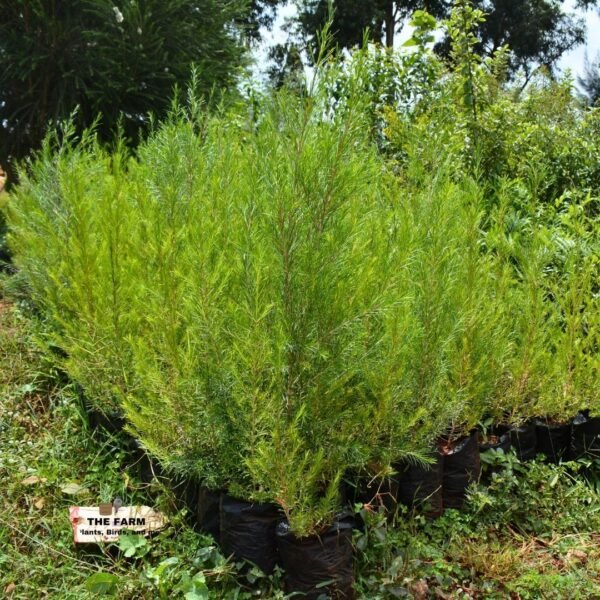
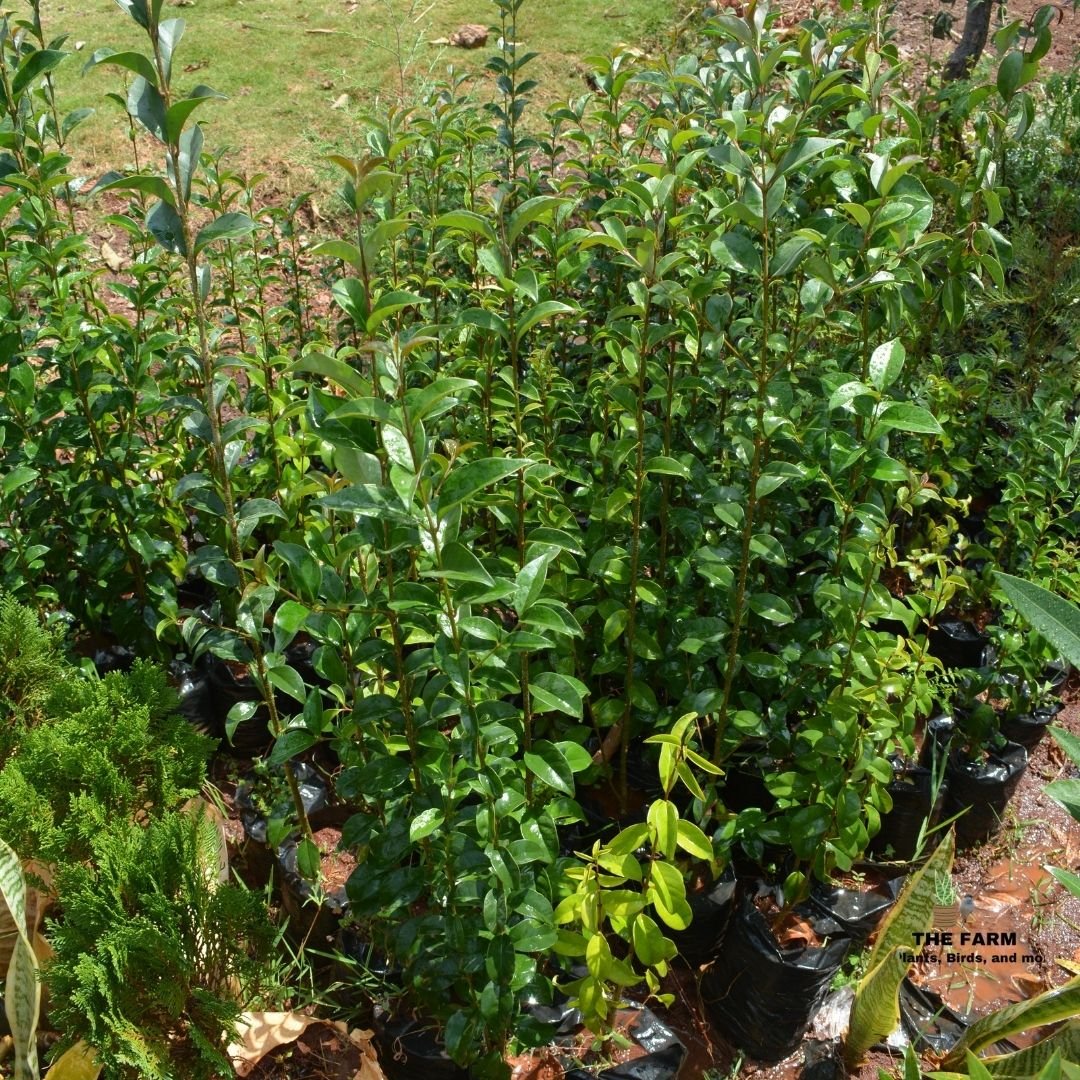
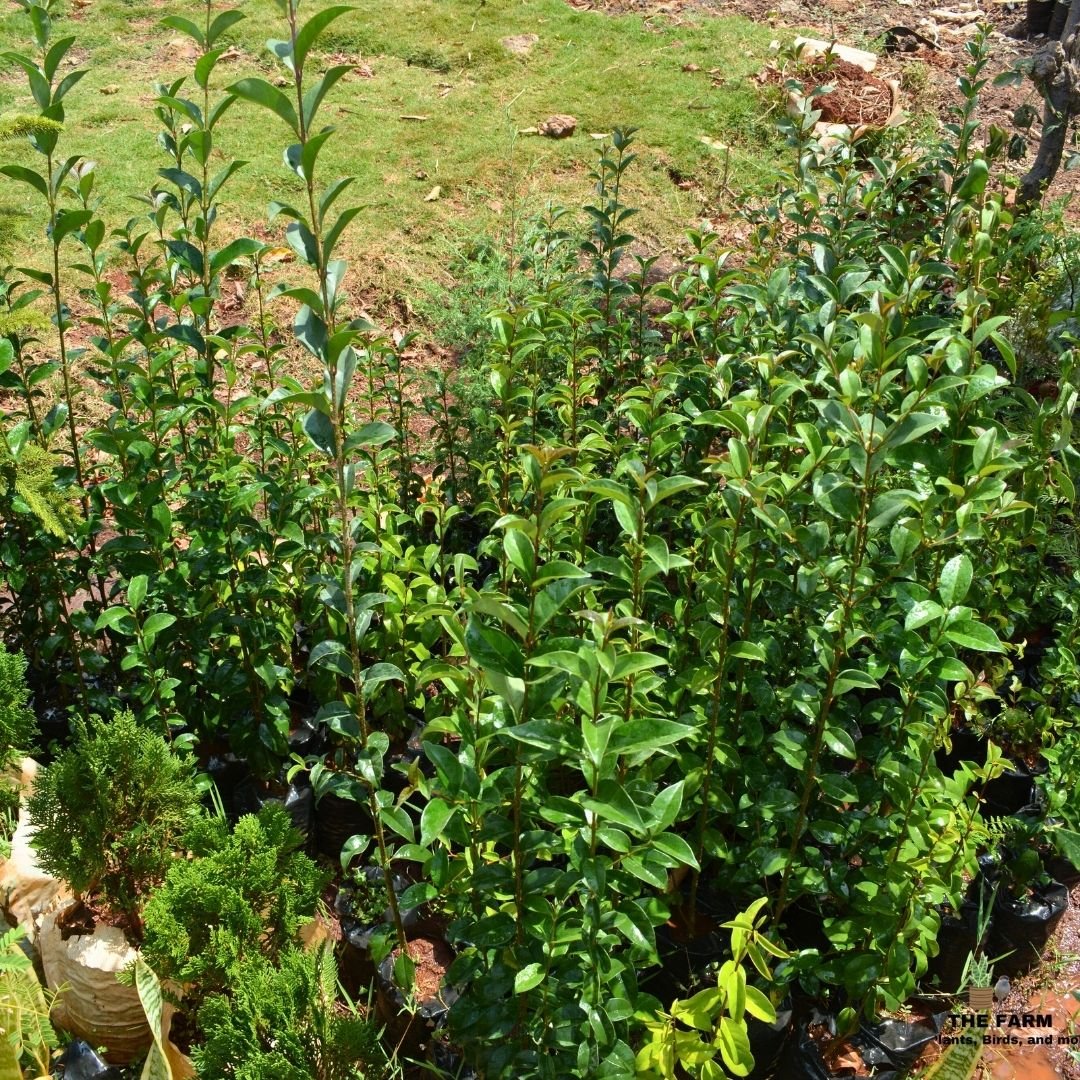
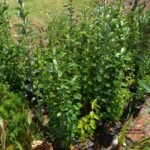
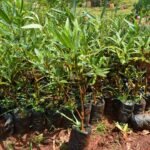


Ligustrum Ovalifolium Seedling in Kenya
KSh 1,000.00 Original price was: KSh 1,000.00.KSh 400.00Current price is: KSh 400.00.
Key Features of Ligustrum Ovalifolium Seedlings
- Common Name: Privet
- Scientific Name: Ligustrum ovalifolium
- Growth Habit: Dense, bushy shrub with glossy, oval-shaped leaves
- Sunlight: Full sun to partial shade
- Watering Needs: Regular watering when young; drought-tolerant once established
- Soil Type: Well-drained, fertile soils; adaptable to sandy and loamy conditions
- Maintenance Level: Low; regular pruning needed for shape and density
- Ideal Temperature: 15°C – 28°C
- Uses: Hedges, privacy screens, borders, ornamental shrub
Use in Kenya
Privet is widely used in Kenyan landscaping for its versatility and aesthetic value. It is often planted as a hedge along property lines, driveways, and garden borders to create a formal, manicured look. Its adaptability to Kenya’s diverse climates and its ability to thrive with minimal care make it a popular choice among homeowners and landscapers. By planting Ligustrum Ovalifolium seedlings, you are enhancing the beauty and functionality of your garden while contributing to a greener and healthier environment.
Introduction
Ligustrum Ovalifolium seedlings, commonly known as Privet in Kenya, are popular ornamental plants valued for their dense foliage and versatility in landscaping. This evergreen shrub is characterized by its glossy, oval-shaped leaves and is often used to create formal hedges, borders, and privacy screens. Ligustrum Ovalifolium is easy to grow and maintain, making it a preferred choice for homeowners, landscapers, and gardeners in Kenya looking to enhance their outdoor spaces.
Benefits of Ligustrum Ovalifolium Seedlings (Privet)
- Ideal for Hedges and Borders: Privet seedlings are perfect for creating dense, neatly trimmed hedges and borders that provide privacy and define garden spaces.
- Fast Growth: These seedlings grow rapidly, allowing for quick establishment of hedges or ornamental shrubs, making them ideal for landscaping projects.
- Low Maintenance: Once established, Ligustrum requires minimal maintenance, needing only occasional pruning to maintain its shape and size.
- Aesthetic Appeal: The dense, glossy foliage of Ligustrum adds a lush, green appearance to gardens, making it a visually appealing addition to any landscape.
- Air Purification: Privet plants help improve air quality by absorbing pollutants and releasing oxygen, contributing to a healthier environment.
Conditions for Optimal Growth of Ligustrum Ovalifolium Seedlings in Kenya
- Soil Type: Ligustrum seedlings thrive in well-drained, fertile soils but can adapt to a range of soil types, including sandy and loamy soils. Adding organic matter during planting will enhance growth.
- Sunlight: Privet grows best in full sun to partial shade. Adequate sunlight encourages dense foliage and healthy growth, making the plant ideal for sunny or semi-shaded garden spots.
- Water Requirements: Regular watering is essential during the seedling stage to ensure the plant establishes strong roots. Once mature, Ligustrum becomes moderately drought-tolerant.
- Temperature: The ideal temperature range for Ligustrum Ovalifolium is between 15°C and 28°C, which aligns well with most Kenyan climatic conditions, from coastal areas to highland regions.
- Pruning: Pruning is important for maintaining the desired shape and promoting bushy growth. Light pruning throughout the growing season keeps the plant neat and encourages fuller growth.
Conclusion
Ligustrum Ovalifolium seedlings (Privet seedlings) are an excellent choice for creating structured, attractive landscapes in Kenya. Their fast growth, adaptability, and low maintenance needs make them a versatile addition to any garden, whether used for formal hedges, privacy screens, or as decorative standalone shrubs. By incorporating Privet seedlings into your landscape, you are investing in a beautiful and functional element that enhances the overall appeal of your outdoor spaces.
Only logged in customers who have purchased this product may leave a review.
Related products
Bougainvillea Plant Seedlings Red
Key Features of Bougainvillea Seedlings
- Local Name: Bougainvillea
- Scientific Name: Bougainvillea spp.
- Growth Habit: Climbing vine or bushy shrub with thorny stems and colorful bracts
- Sunlight: Full sun
- Watering Needs: Regular watering when young; highly drought-tolerant once established
- Soil Type: Well-drained, sandy, or loamy soils; tolerates poor soil conditions
- Maintenance Level: Low; light pruning to encourage blooming and maintain shape
- Ideal Temperature: 20°C - 35°C
- Uses: Ornamental climbing vine, hedging, ground cover, bonsai, security barriers
Use in Kenya
Bougainvillea is widely planted across Kenya for its brilliant display of colors and ease of maintenance. It is often used to adorn fences, walls, and trellises, creating vibrant floral cascades that beautify homes, hotels, public spaces, and roadsides. Its resilience and adaptability to Kenya’s diverse climates make it an enduring favorite among gardeners and landscapers alike. With proper care and pruning, Bougainvillea seedlings will grow into stunning plants that provide eye-catching color and a touch of nature’s charm wherever they are planted.
Catharanthus Roseus Seedlings in Kenya
Key Features of Catharanthus Roseus Seedlings (Vinca or Sadaa)
- Local Name: Vinca or Sadaa
- Scientific Name: Catharanthus roseus
- Growth Habit: Compact, bushy plant with glossy green leaves and bright flowers
- Sunlight: Full sun to partial shade
- Watering Needs: Regular watering for seedlings; drought-tolerant once established
- Soil Type: Well-drained, sandy, or loamy soils with moderate fertility
- Maintenance Level: Low; occasional pruning for bushier growth
- Ideal Temperature: 20°C - 30°C
- Uses: Garden beds, borders, potted plants, medicinal use, ground cover
Use in Kenya
In Kenya, Vinca or Sadaa is a common choice for home gardens, roadsides, and public spaces due to its ability to flourish in a wide range of conditions. It’s especially valued in water-scarce regions, where its drought resistance allows it to survive with minimal irrigation. Whether used as ground cover, border plants, or grown in containers, Vinca or Sadaa offers vibrant, low-maintenance beauty for any garden setting.
Coleonema Pulchellum Seedling in Kenya
Key Features of Coleonema Pulchellum Seedlings
- Local Name: Confetti Bush Seedlings
- Scientific Name: Coleonema Pulchellum
- Growth Habit: Young, bushy shrub with fine foliage that matures into a compact, aromatic plant
- Sunlight: Full sun to partial shade
- Watering Needs: Regular watering during establishment; drought-tolerant once mature
- Soil Type: Well-drained, sandy, or loamy soils, slightly acidic to neutral
- Maintenance Level: Low; light pruning after flowering to maintain shape
- Ideal Temperature: 15°C - 25°C
- Uses: Borders, hedges, container planting, ornamental features, pollinator attraction
Use in Kenya
Confetti Bush seedlings are commonly planted in Kenyan gardens for their aesthetic value and ease of care. They are often used in mixed borders, as low hedges, or in decorative pots to add fragrance and color to patios, driveways, and pathways. As a versatile and hardy plant, the Confetti Bush seedling is perfect for those looking to enhance their gardens with minimal effort, bringing a touch of beauty and a delightful aroma to outdoor spaces.
Cordyline Stricta Seedlings in Kenya
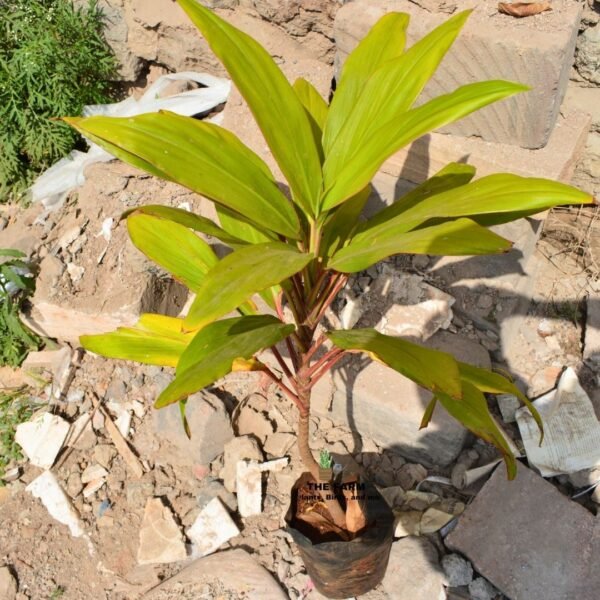
Key Features of Cordyline Stricta Seedlings (Slender Palm Lily)
- Local Name: Slender Palm Lily
- Scientific Name: Cordyline stricta
- Growth Habit: Upright, bushy plant with slender, arching green leaves
- Sunlight: Full sun to partial shade
- Watering Needs: Moderate; drought-tolerant once established
- Soil Type: Well-drained, loamy soil enriched with organic matter
- Maintenance Level: Low; occasional pruning to remove old leaves
- Ideal Temperature: 20°C - 30°C
- Uses: Ornamental plant, indoor decoration, garden borders, pots
Use in Kenya
In Kenya, Cordyline stricta is a popular choice for both urban and rural gardens, valued for its ability to thrive in a variety of environments. Its slim, upright form makes it ideal for small gardens or tight spaces where vertical interest is needed. Additionally, its low water requirements and ease of care make it well-suited to Kenya’s sometimes dry climate. Slender Palm Lily is commonly planted in garden beds, along fences, or in pots, where it adds a sleek and tropical feel to the landscape.
Gazania Plant Seedling in Kenya
Key Features of Gazania Seedlings
- Local Name: Gazania
- Scientific Name: Gazania rigens
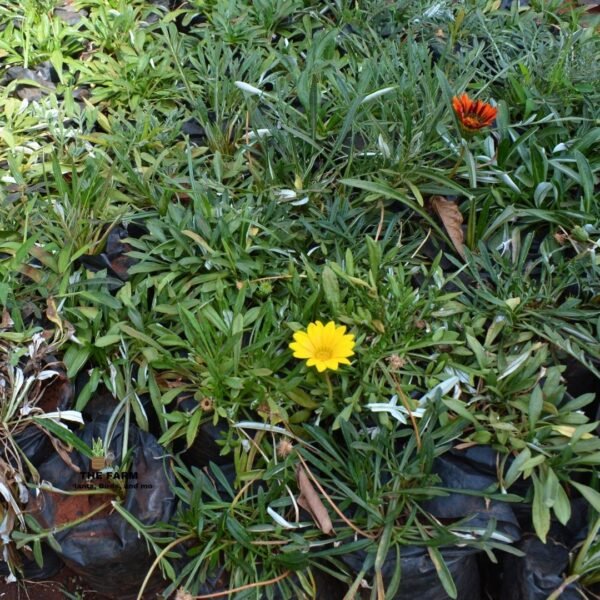
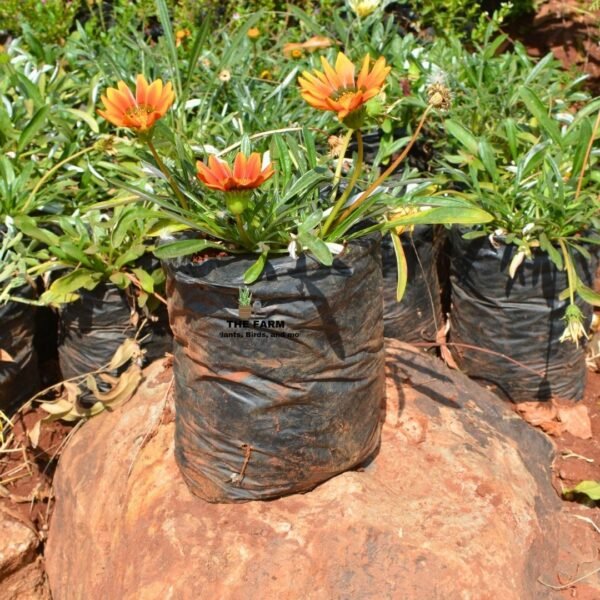
- Growth Habit: Low-growing, spreading plant with large, daisy-like flowers
- Sunlight: Full sun
- Watering Needs: Regular watering when young; drought-tolerant once established
- Soil Type: Well-drained, sandy, or loamy soils; adaptable to poor soil conditions
- Maintenance Level: Low; minimal care required, deadhead spent blooms
- Ideal Temperature: 20°C - 35°C
- Uses: Borders, ground cover, rock gardens, containers, and hanging baskets
Use in Kenya
Gazania is widely used in Kenyan gardens due to its vibrant flowers and ability to withstand heat and drought. It is often seen brightening up garden borders, used as ground cover in rock gardens, or planted in containers to add color to patios and balconies. Its resilience and adaptability to Kenya’s sunny climate make it a favored choice for those seeking a colorful, low-maintenance garden. By planting Gazania seedlings, you add a cheerful, eye-catching element to your outdoor space that thrives with little effort.
Oleander (Nerium Oleander) Seedling in Kenya
Key Features of Oleander Seedlings
- Local Name: Oleander
- Scientific Name: Nerium oleander
- Growth Habit: Evergreen shrub with dense foliage and fragrant, colorful flowers
- Sunlight: Full sun to partial shade
- Watering Needs: Regular watering when young; drought-tolerant once established
- Soil Type: Well-drained, sandy, or loamy soils; adaptable to poor soil conditions
- Maintenance Level: Low; light pruning after flowering
- Ideal Temperature: 20°C - 35°C
- Uses: Ornamental shrub, hedging, privacy screens, mixed garden beds
Use in Kenya
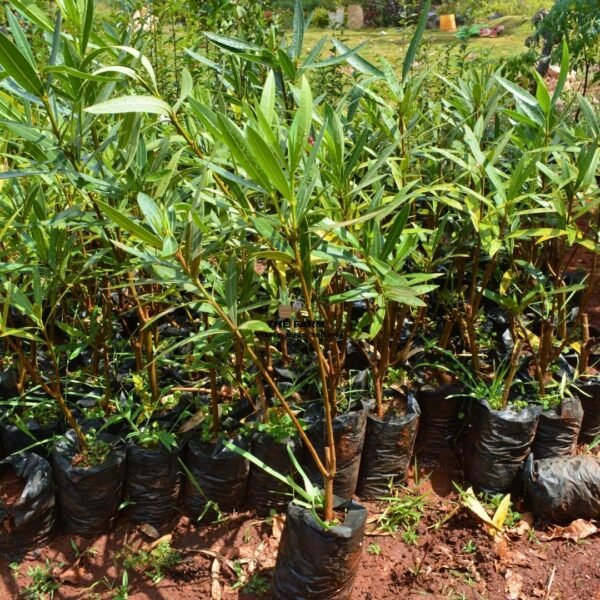
Oleander is widely planted in Kenya for its ornamental value and resilience in hot, dry conditions. It is often used along roadsides, in public parks, and in private gardens as a low-maintenance option that brings color and fragrance to outdoor spaces. Despite its beauty, it’s important to note that Oleander is toxic if ingested, so it should be planted with caution in areas accessible to pets and small children. Overall, Oleander remains a favored choice for Kenyan gardeners seeking a hardy, attractive shrub that stands up to the country’s climate challenges while enhancing the aesthetic appeal of their landscapes.
Pentas Lanceolata Seedlings in Kenya
Key Features of Pentas Lanceolata Seedlings (Pentas or Star Flower)
- Local Name: Pentas or Star Flower
- Scientific Name: Pentas lanceolata
- Growth Habit: Bushy, upright plant with clusters of star-shaped flowers
- Sunlight: Full sun
- Watering Needs: Moderate watering; drought-tolerant once established
- Soil Type: Well-drained, fertile soil
- Maintenance Level: Low; deadheading and light pruning for bushier growth
- Ideal Temperature: 20°C - 30°C
- Uses: Garden beds, borders, containers, pollinator gardens
Use in Kenya
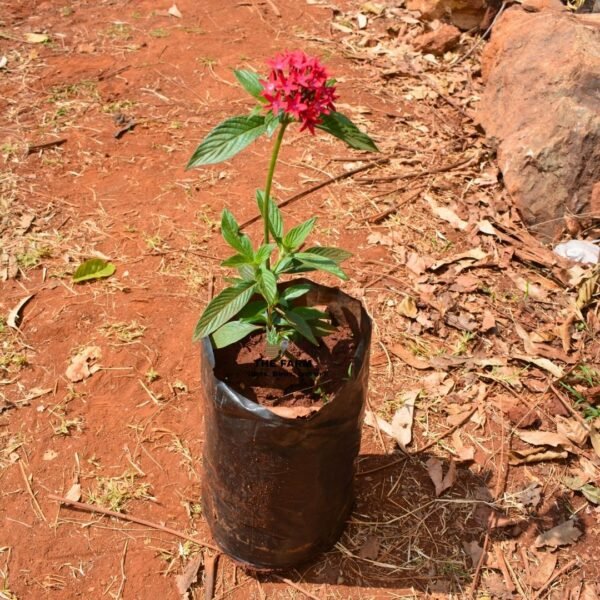
In Kenya, Pentas is widely used in gardens, parks, and along walkways due to its vibrant flowers and resilience in the country’s warm climate. It is especially valued for its ability to attract butterflies, adding life and movement to gardens. The plant’s long blooming season and low maintenance requirements make it a go-to choice for enhancing both private and public green spaces. Whether planted in beds, borders, or containers, Pentas seedlings bring continuous beauty and charm to any Kenyan garden.


Reviews
There are no reviews yet.