
Red Rose in a Clay Pot
KSh 3,000.00 Original price was: KSh 3,000.00.KSh 2,499.00Current price is: KSh 2,499.00.
Key Features of the Red Rose in a Clay Pot
- Rich red blooms that symbolize love and passion
- Fragrant scent that adds romance to any space
- Thrives in bright sunlight with regular watering
- classic clay pot provides excellent drainage and enhances plant aesthetics
- Suitable for both indoor and outdoor use in Kenyan homes and gardens
- Low-maintenance, perfect for plant enthusiasts
The Red Rose, universally recognized as a symbol of love, passion, and beauty, is a captivating addition to any garden or indoor space. Planted in a classic clay pot, the vibrant red rose enhances any setting, adding a romantic and timeless touch. Perfect for patios, balconies, or as an indoor statement piece, the Red Rose in a clay pot offers both elegance and an aromatic fragrance that will elevate your surroundings.
Introduction
The Red Rose is a classic and timeless flower known for its deep red petals and its ability to convey powerful emotions. When planted in a clay pot, the natural beauty of the red rose is complemented by the earthy aesthetic of the planter. This combination not only looks beautiful but also provides the practical benefits of proper drainage and breathability, ensuring the healthy growth of your red rose.
Benefits of Red Rose in a Clay Pot
Owning a Red Rose in a clay pot provides many advantages, making it an ideal plant for both indoor and outdoor spaces:
- Striking Blooms: The bold, rich red color of the rose’s petals adds a touch of passion and beauty to any space, creating a stunning visual impact.
- Romantic Fragrance: The delightful scent of the Red Rose fills the air with a romantic and calming aroma, making it a great addition to any room or garden.
- Versatile Planting: The Red Rose thrives both indoors and outdoors, perfect for patios, balconies, or as an indoor décor element.
- Clay Pot Benefits: The clay pot enhances the plant’s natural beauty and offers excellent drainage, promoting healthy root development and preventing overwatering.
Conditions for Optimal Growth
To ensure your Red Rose thrives in its clay pot, follow these care tips:
- Lighting: The Red Rose needs plenty of sunlight, ideally 6 to 8 hours of direct light daily. Place it in a sunny spot outdoors or near a bright window if kept indoors.
- Watering: Water the rose regularly, keeping the soil consistently moist. Ensure the clay pot provides proper drainage to avoid waterlogging.
- Soil: Use nutrient-rich, well-draining soil for optimal growth and vibrant blooms. A rose-specific potting mix is ideal.
- Temperature: The Red Rose flourishes in mild to warm climates, with temperatures ranging from 15°C to 25°C, making it perfect for Kenyan weather conditions.
Conclusion
A Red Rose in a clay pot is the ultimate expression of beauty, love, and elegance, making it a perfect addition to any home or garden. Its bold blooms, combined with the earthy charm of a clay pot, create a timeless feature that enhances any space. Whether used as a centerpiece indoors or a vibrant outdoor display, the Red Rose brings passion and fragrance to your environment.
Only logged in customers who have purchased this product may leave a review.
Related products
Alkeria Tree (4 ft) in Kenya seedling.
Key Features of the Alkeria Tree
- Rapid Growth: The Alkeria tree grows quickly, reaching up to 4 feet in a relatively short time, making it ideal for reforestation and soil stabilization projects.
- Drought Tolerance: With its resilience in dry conditions, the Alkeria tree is well-suited for arid and semi-arid areas, requiring minimal water once established.
- Soil Enrichment: Known for improving soil fertility, the Alkeria tree adds organic matter, enhancing soil health and benefiting surrounding plants.
- Carbon Absorption: High carbon sequestration ability makes it effective in reducing carbon footprint, contributing positively to climate change mitigation.
- Biodiversity Support: Provides a habitat and food source for various wildlife species, promoting biodiversity and supporting local ecosystems.
- Adaptability: Grows well in a variety of soils and climates, making it versatile for different Kenyan landscapes, from highlands to plains.
- Low Maintenance: Once established, the tree requires minimal upkeep, making it a practical choice for long-term sustainability projects.
Black Begonia Seedling in Kenya
Key Features of Black Begonia Seedlings
- Local Name: Black Begonia
- Scientific Name: Begonia rex or Begonia pavonina
- Growth Habit: Compact, bushy plant with dark, often metallic-shimmering leaves
- Sunlight: Indirect or filtered light; avoid direct sunlight
- Watering Needs: Regular watering; keep soil consistently moist but not waterlogged
- Soil Type: Well-drained, rich organic soil; prefers a mix of peat, perlite, and compost
- Maintenance Level: Low; occasional leaf cleaning and pruning of spent leaves
- Ideal Temperature: 18°C - 25°C
- Uses: Indoor plant, shaded garden spots, containers, and mixed plantings
Use in Kenya
Black Begonia is widely used in Kenyan homes, offices, and shaded garden spaces for its dramatic foliage and easy maintenance. It’s perfect for those looking to enhance indoor aesthetics with a unique, eye-catching plant that requires minimal care. In gardens, it is often used in shaded borders or under larger trees where its dark leaves create a striking contrast with lighter foliage. By planting Black Begonia seedlings, you add a touch of sophistication and elegance to your green spaces, making it a standout feature in any environment.
Coleus in Kenya
Key Features of Coleus
- Local Name: Mbarika
- Scientific Name: Coleus blumei or Plectranthus scutellarioides
- Growth Habit: Bushy, with a wide range of leaf colors and patterns
- Sunlight: Partial to full shade
- Watering Needs: Regular watering; keep the soil moist but not soggy
- Soil Type: Well-drained, fertile, loamy soil
- Maintenance Level: Low
- Ideal Temperature: 18°C - 30°C
- Propagation: Easy from cuttings
Use in Kenya
Coleus is a popular plant in Kenyan homes, gardens, and landscapes, often used to add color and texture to outdoor and indoor settings. Its ease of growth and maintenance makes it a preferred choice for anyone looking to brighten up their space with minimal effort. The local love for Mbarika continues to grow, as it not only beautifies spaces but also embodies the vibrant spirit of Kenyan gardening culture.
Eugenia Plant
Introduction
The Eugenia plant is a beautiful, evergreen shrub that is prized for its ability to be shaped into intricate designs or used as a lush hedge. Its fast growth and ease of maintenance make it a favorite for landscaping, while its small fruits offer a delightful, edible bonus.
Benefits
- Ornamental Appeal: The plant's dense, glossy foliage is perfect for creating formal gardens, privacy screens, or decorative topiaries.
- Edible Fruits: Some species produce small, cherry-like fruits that are both ornamental and edible, adding a unique touch to the garden.
- Low Maintenance: Once established, Eugenia requires minimal care and is resistant to most pests and diseases.
- Versatile Landscaping: It can be grown as a hedge, privacy screen, container plant, or topiary, adding greenery to a variety of spaces.
- Fast Growth: It’s a great option for those looking to quickly fill out hedges or create a green backdrop in their gardens.
Conditions for Optimal Growth
- Soil: Prefers well-draining soil rich in organic matter. It can tolerate a variety of soils but thrives in slightly acidic conditions.
- Sunlight: Grows best in full sun to partial shade. For optimal growth and fruit production, provide at least 6 hours of sunlight daily.
- Watering: Regular watering is required, especially during the growing season. Allow the soil to dry slightly between waterings to prevent waterlogging.
- Temperature: Best suited for warm, tropical, and subtropical climates (USDA zones 9-11). It can tolerate mild frost but should be protected from freezing temperatures.
- Pruning: Prune regularly to maintain shape, especially when used for topiaries or hedging. Pruning encourages denser growth and helps control its size.
Conclusion
The Eugenia plant is a fantastic choice for gardeners looking for a versatile, fast-growing shrub that serves both ornamental and practical purposes. Its lush, evergreen foliage and ease of pruning make it perfect for hedging, topiary, or container gardening, while its edible fruits add an extra layer of interest. With the right care, the Eugenia plant can be a beautiful and functional addition to any landscape.
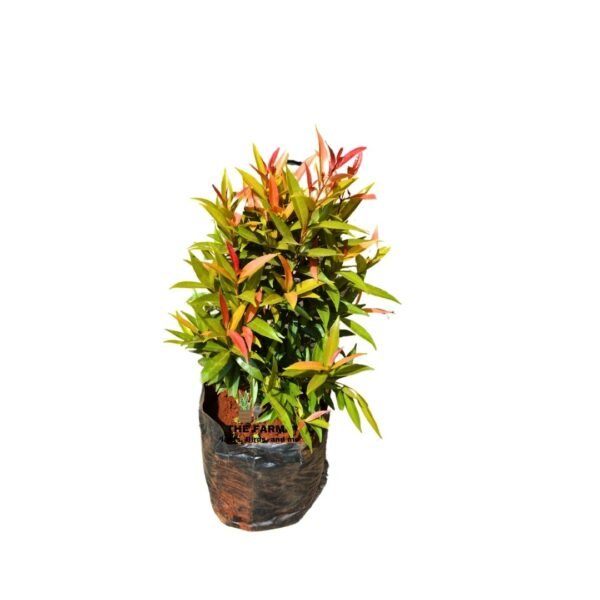
Eugenia Seedling in Kenya
Key Features of Eugenia Seedlings
- Local Name: Muthiga Seedlings
- Scientific Name: Eugenia uniflora or Syzygium paniculatum
- Growth Habit: Dense, bushy growth with glossy green leaves and red new shoots
- Sunlight: Full sun to partial shade
- Watering Needs: Regular watering, especially when young; moderately drought-tolerant once established
- Soil Type: Well-drained, fertile soils with good organic content
- Maintenance Level: Low; requires minimal pruning
- Ideal Temperature: 18°C - 28°C
- Uses: Hedges, privacy screens, ornamental shrubs, topiaries
Use in Kenya
Eugenia seedlings are widely used across Kenya for creating lush, green landscapes that are both functional and attractive. Their popularity continues to grow among homeowners, landscapers, and garden designers due to their adaptability and easy maintenance. By planting Muthiga seedlings, you can quickly transform your outdoor space into a beautiful, green haven that offers privacy, beauty, and environmental benefits.
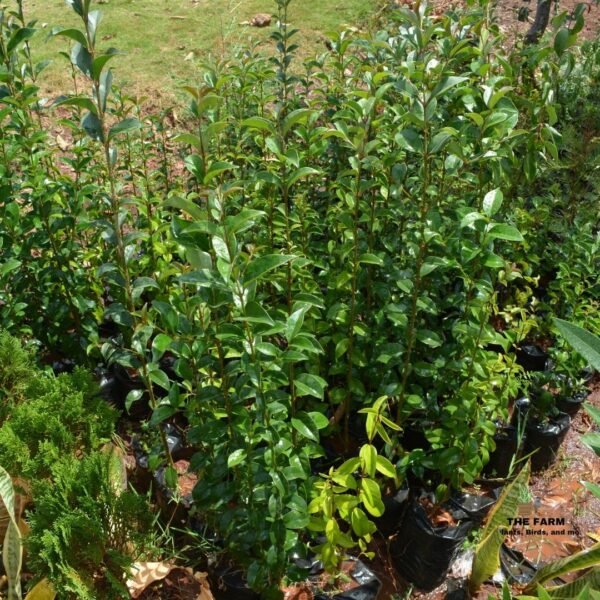
Ligustrum Ovalifolium Seedling in Kenya
Key Features of Ligustrum Ovalifolium Seedlings
- Common Name: Privet
- Scientific Name: Ligustrum ovalifolium
- Growth Habit: Dense, bushy shrub with glossy, oval-shaped leaves
- Sunlight: Full sun to partial shade
- Watering Needs: Regular watering when young; drought-tolerant once established
- Soil Type: Well-drained, fertile soils; adaptable to sandy and loamy conditions
- Maintenance Level: Low; regular pruning needed for shape and density
- Ideal Temperature: 15°C - 28°C
- Uses: Hedges, privacy screens, borders, ornamental shrub
Use in Kenya
Privet is widely used in Kenyan landscaping for its versatility and aesthetic value. It is often planted as a hedge along property lines, driveways, and garden borders to create a formal, manicured look. Its adaptability to Kenya’s diverse climates and its ability to thrive with minimal care make it a popular choice among homeowners and landscapers. By planting Ligustrum Ovalifolium seedlings, you are enhancing the beauty and functionality of your garden while contributing to a greener and healthier environment.
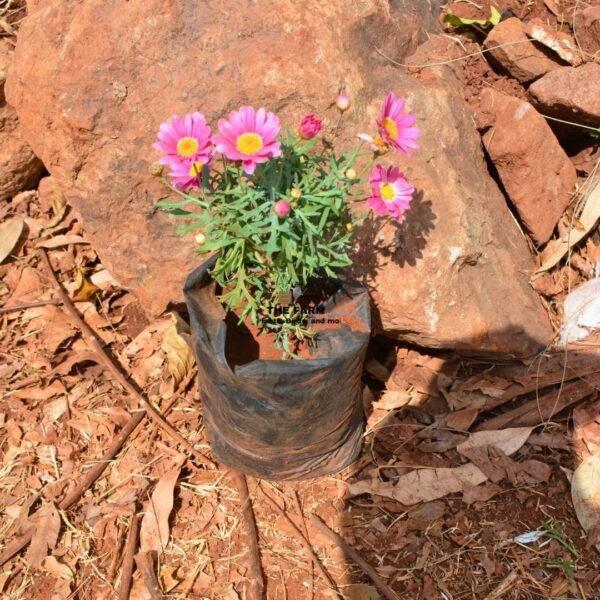
Marguerite Daisy Seedling in Kenya
Key Features of Marguerite Daisy Seedlings (Daisy)
- Local Name: Daisy
- Scientific Name: Argyranthemum frutescens
- Growth Habit: Bushy, upright plant with daisy-like flowers
- Sunlight: Full sun
- Watering Needs: Regular watering; drought-tolerant once established
- Soil Type: Well-drained, fertile soils with moderate moisture content
- Maintenance Level: Low; deadheading and light pruning recommended
- Ideal Temperature: 15°C - 25°C
- Uses: Garden beds, borders, containers, low hedges, and ornamental displays
Use in Kenya
In Kenya, Marguerite Daisies are often used to brighten gardens, driveways, and patios. Their ability to bloom profusely even in warm climates makes them a common choice for gardeners looking for low-maintenance, high-impact flowers. These plants also do well in pots, allowing gardeners to enjoy their cheerful blooms on balconies or verandas. With Marguerite Daisy seedlings, you can add lasting beauty and charm to your garden spaces with minimal effort.
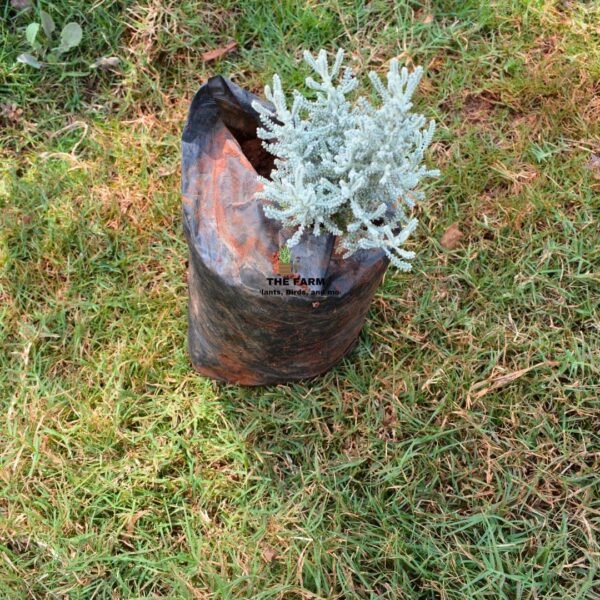
Santolina Chamaecyparissus Seedling in Kenya
Key Features of Santolina Chamaecyparissus Seedlings
- Common Name: Lavender Cotton
- Scientific Name: Santolina Chamaecyparissus
- Growth Habit: Compact, bushy shrub with silver-gray foliage and yellow button-like flowers
- Sunlight: Full sun
- Watering Needs: Regular watering when young; drought-tolerant once established
- Soil Type: Well-drained, sandy, or rocky soils; prefers slightly alkaline conditions
- Maintenance Level: Low; light pruning to maintain shape and promote growth
- Ideal Temperature: 15°C - 30°C
- Uses: Borders, rock gardens, low hedges, herb gardens, and ornamental accents
Use in Kenya
Santolina is ideal for Kenyan landscapes due to its resilience to heat and dry conditions. It is often used in Mediterranean-style gardens, mixed borders, or as a low-maintenance ground cover that adds texture and color contrast. Its aromatic qualities make it a lovely addition to pathways and garden beds where its fragrance can be enjoyed. By planting Santolina Chamaecyparissus seedlings, you bring a touch of elegance and practicality to your garden, enhancing both the aesthetics and functionality of your outdoor space.


Reviews
There are no reviews yet.