


Pink Rose in a Clay Pot
Original price was: KSh 3,000.00.KSh 2,499.00Current price is: KSh 2,499.00.
Key Features of the Pink Rose in a Clay Pot
- Vibrant pink blooms that symbolize elegance and grace
- Fragrant aroma that enhances indoor and outdoor spaces
- Thrives in bright sunlight with regular watering
- Clay pot provides excellent drainage and breathability
- Ideal for patios, gardens, balconies, or indoor spaces
- Perfect for Kenyan climates and homes
The Pink Rose, a symbol of grace, elegance, and admiration, is a stunning addition to any garden or indoor space. When potted in a rustic clay pot, the pink rose becomes a focal point that adds charm and sophistication to your home or patio. Known for its vibrant blooms and delightful fragrance, the Pink Rose is an ideal plant for those looking to bring a touch of classic beauty into their surroundings.
Introduction
The Pink Rose is renowned for its delicate petals and vibrant pink color, making it a favorite among flower lovers and garden enthusiasts. Whether placed indoors or outdoors, a Pink Rose in a clay pot brings timeless beauty and a fragrant aroma to any setting. The clay pot not only enhances the plant’s natural aesthetic but also provides excellent drainage, ensuring healthy growth.
Benefits of Pink Rose in a Clay Pot
Owning a Pink Rose in a clay pot offers numerous benefits, making it a wonderful addition to any home or garden:
- Stunning Blooms: The soft pink petals of the Pink Rose create a stunning display, adding a touch of elegance and romance to your surroundings.
- Fragrant Aroma: The delightful scent of the Pink Rose fills the air, providing a calming and fragrant atmosphere wherever it’s placed.
- Versatile Planting: The Pink Rose thrives both indoors and outdoors, making it suitable for patios, balconies, or even as a centerpiece in your living room.
- Clay Pot Benefits: The clay pot provides excellent drainage and breathability, promoting healthy root growth and preventing water retention, which is essential for roses.
Conditions for Optimal Growth
To ensure your Pink Rose flourishes in its clay pot, follow these care instructions:
- Lighting: The Pink Rose requires plenty of sunlight to thrive, making it ideal for outdoor settings or indoor spaces with bright, direct light.
- Watering: Water the rose regularly, keeping the soil consistently moist but not waterlogged. The clay pot’s drainage will help prevent overwatering.
- Soil: Use well-draining, nutrient-rich soil to encourage healthy growth and vibrant blooms. A specialized rose or flower potting mix works best.
- Temperature: The Pink Rose prefers mild to warm temperatures, ideally between 15°C and 25°C, making it perfect for Kenyan gardens and indoor environments.
Conclusion
A Pink Rose in a clay pot is a classic choice for anyone looking to add beauty, fragrance, and a touch of romance to their home or garden. With its vibrant blooms and elegant appearance, this plant is sure to be a standout feature in any space. The timeless appeal of the clay pot adds to its natural charm, making it an excellent choice for flower enthusiasts and gardeners alike.
Only logged in customers who have purchased this product may leave a review.
Related products
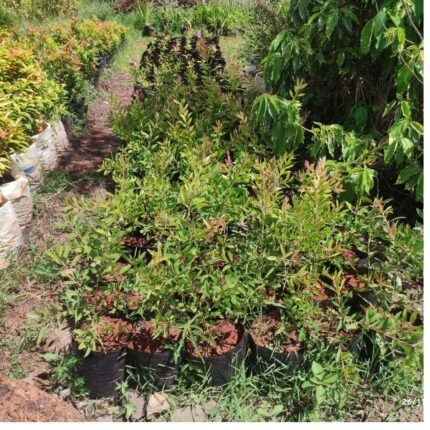
1ft Bottle Brush Tree Seedlings
Key Features of Bottle Brush Tree Seedlings
- Sizes for All Needs: Available from 1ft to 5ft, catering to gardeners and landscapers alike.
- Low Maintenance: Easy to care for, drought-tolerant, and pest-resistant.
- Year-Round Greenery: Evergreen foliage adds beauty and structure to any garden.
- Pollinator-Friendly: Attracts bees, butterflies, and birds to support biodiversity.
- Eco-Friendly Benefits: Improves air quality and stabilizes soil.
Conclusion
Bottle Brush Tree Seedlings 1ft are an exceptional choice for anyone looking to add vibrant color, charm, and environmental benefits to their garden or landscape. With their stunning red flowers, year-round greenery, and pollinator-friendly nature, these trees provide beauty and functionality for years to come.
By providing the right growing conditions—such as well-draining soil, full sunlight, and proper watering—you can enjoy the vibrant blossoms and lush foliage of these remarkable trees.
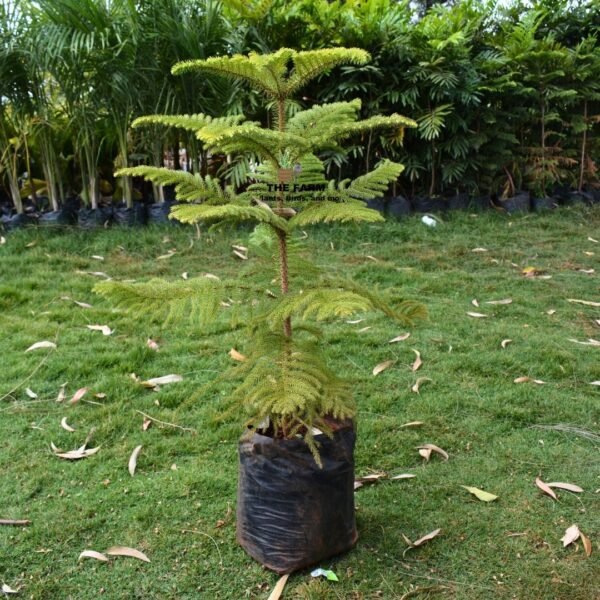
Alkeria Tree Seedling
Key Features of Alkeria Tree Seedlings
- Fast-Growing: Alkeria tree seedlings are known for their rapid growth rate, making them ideal for reforestation and landscaping projects that require quick vegetation coverage.
- Resilient to Various Soil Types: These seedlings adapt well to a range of soil conditions, though they thrive best in fertile, well-draining soil rich in organic matter.
- High Carbon Absorption: Alkeria trees are effective carbon sinks, making them valuable for carbon offset projects and environmentally conscious planting initiatives.
- Attractive Foliage: The trees often feature vibrant, dense foliage that adds aesthetic appeal to any landscape, contributing to both decorative and practical uses.
- Soil-Enriching Properties: As they mature, Alkeria trees contribute to soil health through natural leaf litter and organic matter, improving the soil structure and fertility.
- Support for Biodiversity: These trees provide habitat and food sources for various wildlife, supporting local ecosystems and enhancing biodiversity in the area where they are planted.
- Drought Tolerance: Alkeria seedlings, once established, are relatively drought-resistant, making them suitable for regions with limited rainfall.
- Pest and Disease Resistance: Alkeria species typically have natural defenses against common pests and diseases, requiring minimal intervention once established.
- Versatile Uses: Apart from environmental benefits, mature Alkeria trees can be utilized for timber, shade, windbreaks, and ornamental purposes, adding value for landowners and communities.


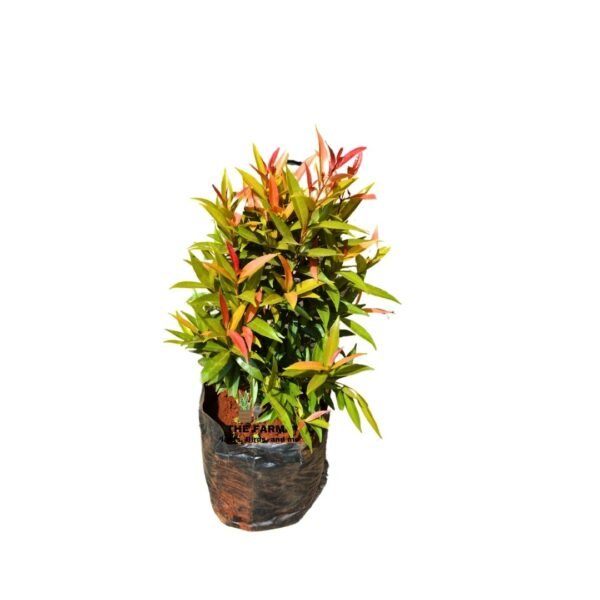

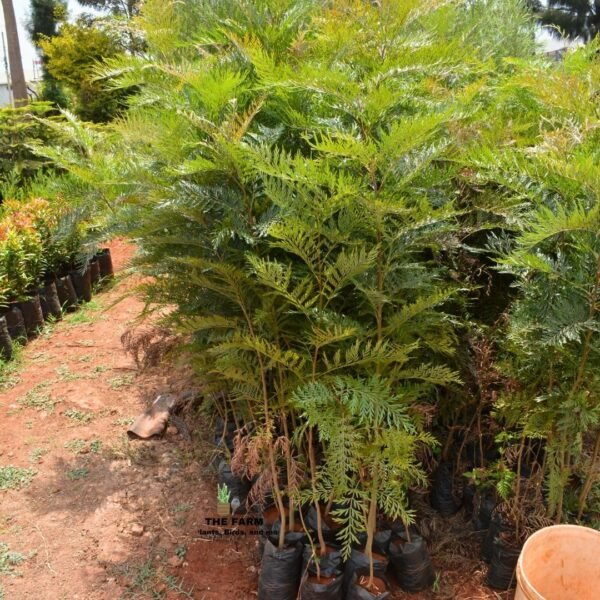


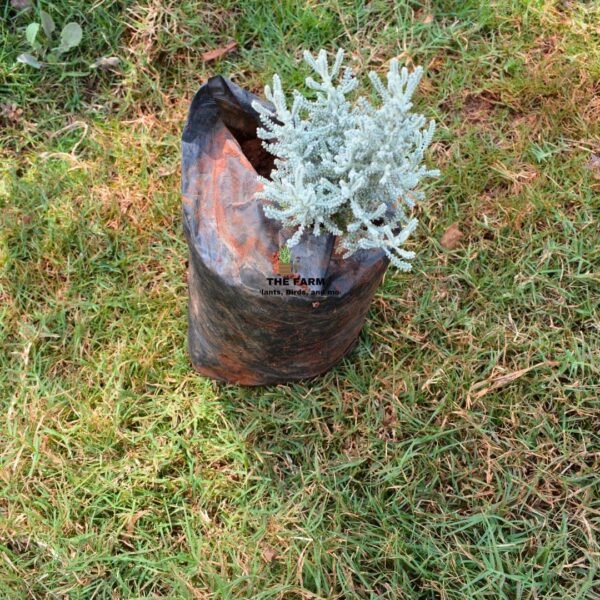

Santolina Chamaecyparissus Seedling in Kenya
Key Features of Santolina Chamaecyparissus Seedlings
- Common Name: Lavender Cotton
- Scientific Name: Santolina Chamaecyparissus
- Growth Habit: Compact, bushy shrub with silver-gray foliage and yellow button-like flowers
- Sunlight: Full sun
- Watering Needs: Regular watering when young; drought-tolerant once established
- Soil Type: Well-drained, sandy, or rocky soils; prefers slightly alkaline conditions
- Maintenance Level: Low; light pruning to maintain shape and promote growth
- Ideal Temperature: 15°C - 30°C
- Uses: Borders, rock gardens, low hedges, herb gardens, and ornamental accents
Use in Kenya
Santolina is ideal for Kenyan landscapes due to its resilience to heat and dry conditions. It is often used in Mediterranean-style gardens, mixed borders, or as a low-maintenance ground cover that adds texture and color contrast. Its aromatic qualities make it a lovely addition to pathways and garden beds where its fragrance can be enjoyed. By planting Santolina Chamaecyparissus seedlings, you bring a touch of elegance and practicality to your garden, enhancing both the aesthetics and functionality of your outdoor space.


Reviews
There are no reviews yet.