


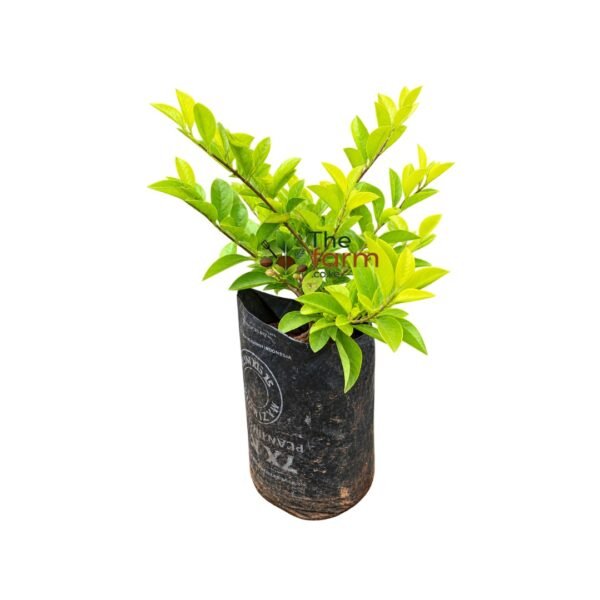
Bougainvillea plant seedlings White.
Original price was: KSh 300.00.KSh 150.00Current price is: KSh 150.00.
Introduction
Bougainvillea, commonly known simply as Bougainvillea in Kenya, is a vibrant, hardy plant known for its stunning, paper-like bracts that come in a wide array of colors, including pink, purple, red, orange, and white. These bracts are often mistaken for flowers, which are small and white, nestled within the colorful bracts. Bougainvillea seedlings are highly valued in Kenyan gardens for their fast growth, drought tolerance, and ability to thrive in various conditions, making them a popular choice for fences, walls, trellises, and as standalone ornamental plants.
Benefits of Bougainvillea Seedlings
- Spectacular Color Display: Bougainvillea seedlings grow into plants that produce abundant, vivid bracts, creating a stunning display of color in gardens, landscapes, and urban areas.
- Drought Tolerance: Once established, Bougainvillea is highly drought-tolerant, making it perfect for Kenya’s varied climates, especially in arid and semi-arid regions.
- Low Maintenance: Bougainvillea requires minimal care, thriving in poor soils and needing little watering once mature. It’s ideal for gardeners who want a vibrant landscape without intensive upkeep.
- Versatile Landscaping Use: These plants can be used as climbing vines, trained into bushy shrubs, grown as ground cover, or even cultivated as bonsai, offering great versatility in garden design.
- Security Feature: Bougainvillea’s thorny stems make it an excellent choice for creating natural security barriers or hedges around properties.
Conditions for Optimal Growth of Bougainvillea Seedlings in Kenya
- Soil Type: Bougainvillea seedlings prefer well-drained soils, such as sandy or loamy types. They can tolerate poor, rocky soils but perform best when some organic matter is added during planting.
- Sunlight: These plants need full sun for at least 5-6 hours a day to produce their best color and dense growth. Lack of sunlight can result in sparse flowering.
- Water Requirements: Regular watering is necessary when the seedlings are young, but once established, Bougainvillea becomes drought-tolerant. Overwatering should be avoided as it can lead to root rot.
- Temperature: Ideal temperatures for Bougainvillea range between 20°C and 35°C, which suits Kenya’s warm climate perfectly. The plant does not tolerate frost, so it should be protected in colder areas.
- Pruning: Pruning after the main blooming season helps to shape the plant and encourage new growth, resulting in more flowers in the next cycle.
Conclusion
Bougainvillea seedlings are a great choice for anyone looking to add a vibrant, low-maintenance splash of color to their garden or landscape in Kenya. With their stunning bracts, drought tolerance, and versatile use, these plants enhance the aesthetic appeal of any space. Whether used as a climbing vine, a colorful hedge, or a potted ornamental, Bougainvillea brings year-round beauty and resilience to Kenyan gardens.
| plant type | Bougainvillea plant |
|---|
Only logged in customers who have purchased this product may leave a review.
Related products




Lavandula x allardii Seedling
Key Features of Lavandula x Allardii Seedlings
- Foliage Lavandula x allardii is characterized by its silvery-green foliage. The leaves are narrow and evergreen, retaining their beautiful silver hue year-round, even in cooler climates. The foliage also exudes a mild fragrance, adding to its appeal.
- Flowers This lavender hybrid produces clusters of violet-blue flowers on long, slender stems. Blooming typically occurs from late spring to early fall, and deadheading the spent flowers can encourage a second round of blooms later in the season.
- Growth Habit Lavandula x allardii grows into a compact, bushy plant with an upright growth habit. When fully matured, the plant can reach heights of 2 to 3 feet, making it a manageable size for most gardens or patio containers.
- Aroma The distinct fragrance of Lavandula x allardii sets it apart from other lavender varieties. Its aroma has a more camphor-like undertone, making it ideal for use in essential oils and scented products. This aromatic quality also makes it a popular choice for herbal and medicinal purposes.
- Longevity When properly cared for, Lavandula x allardii can be a long-lived plant. Regular pruning, adequate sunlight, and well-drained soil will help ensure the plant remains healthy and blooms year after year.
- Hybrid Vigor Being a hybrid variety, Lavandula x allardii exhibits hybrid vigor, which means it is often more resilient and robust than its parent species. This hybridization has resulted in a plant that is particularly hardy and adaptable to different growing conditions.


Reviews
There are no reviews yet.