


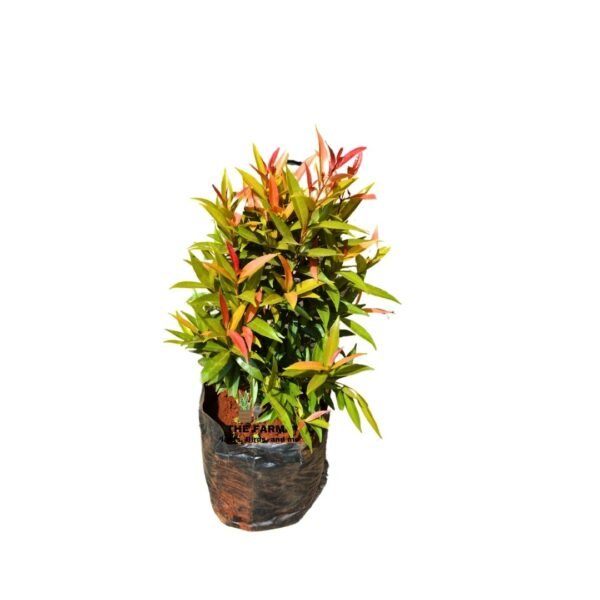
Black Gem Succulent Plants seedlings.
Original price was: KSh 1,250.00.KSh 580.00Current price is: KSh 580.00.
- Enhances indoor decor:
- Air purifying properties:
- Low maintenance:
- Stress relief:
How to Grow Black Gem Succulent Plant
Growing a black gem succulent plant can be a rewarding experience, as this unique plant adds a touch of elegance to any space. With proper care and attention, you can enjoy the beauty of this plant for years to come. Here are some key factors to consider when growing a black gem succulent:
Watering
Black gem succulents have moderate water needs. It is important to avoid overwatering, as this can lead to root rot. Allow the soil to dry out completely between waterings, and then water thoroughly. During the winter months, reduce watering to prevent excessive moisture.
Soil
These plants prefer well-draining soil to prevent waterlogged roots. A mixture of cactus potting mix and perlite or sand works well for black gem succulents. This type of soil allows excess water to drain away, keeping the roots healthy.
Pruning
Pruning is not necessary for black gem succulents, but you can remove any dead or damaged leaves to maintain the plant’s appearance. Use clean, sharp scissors or pruning shears to make clean cuts and minimize the risk of infection.
Propagation
Black gem succulents can be easily propagated through leaf cuttings. Simply remove a healthy leaf from the plant and allow it to callus over for a few days. Then, place the leaf in well-draining soil and keep it slightly moist. After a few weeks, roots will start to form, and a new plant will begin to grow.
Sunlight
Black gem succulents thrive in bright, indirect sunlight. Place them near a window where they can receive a few hours of sunlight each day. Avoid placing them in direct sunlight, as this can cause sunburn and damage the leaves.
Fertilize
During the growing season, you can fertilize black gem succulents with a balanced, water-soluble fertilizer. Dilute the fertilizer to half strength and apply it once a month. Be careful not to over-fertilize, as this can lead to excessive growth and weak stems.
Diseases
Black gem succulents are generally resistant to diseases and pests. However, overwatering can lead to root rot, and excessive humidity can cause fungal infections. To prevent these issues, ensure proper watering and provide good air circulation around the plant.
Time Taken to Mature and Flowering
Black gem succulents typically take around 2-3 years to reach maturity. Once mature, they may produce small, star-shaped flowers in shades of pink or white. The flowering period can vary, but it usually occurs during the summer months.
Best Suited in the House
Black gem succulents are well-suited for indoor environments, making them an excellent choice for houseplants. They can thrive in a variety of conditions and are relatively low-maintenance. Their compact size and unique black foliage make them a perfect addition to any room, adding a touch of elegance and beauty.
Benefits of Black Gem Succulent Plant as a Houseplant
There are several benefits to having a black gem succulent plant as a houseplant:
- Enhances indoor decor: The striking black foliage of the black gem succulent adds a dramatic element to any space, making it a visually appealing choice for interior decoration.
- Air purifying properties: Like other succulent plants, black gem succulents help to improve indoor air quality by removing toxins and releasing oxygen.
- Low maintenance: Black gem succulents are known for their resilience and ability to thrive in various conditions. They require minimal care and can tolerate periods of neglect.
- Stress relief: Caring for plants has been shown to have a positive impact on mental well-being, reducing stress and promoting relaxation.
If you are interested in purchasing a black gem succulent plant in Kenya, you can visit thefarm.co.ke. They offer a wide selection of plants, including black gem succulents, and provide delivery services for your convenience.
| planting design | small seedling |
|---|
Only logged in customers who have purchased this product may leave a review.
You may also like…


Related products


Alocasia Micholitziana ‘Frydek’ (Green Velvet) seedling.
Key Features of Alocasia Micholitziana 'Frydek'
- Velvety Texture The standout feature of Alocasia ‘Frydek’ is its soft, velvety leaves. The deep green foliage contrasts beautifully with the sharp white veins, creating an eye-catching display that adds luxury and elegance to any indoor space.
- Arrow-Shaped Leaves The large, arrow-shaped leaves are one of the most distinctive characteristics of this plant. Each leaf can grow up to 18 inches long, making it a striking addition to any plant collection. The unique shape, combined with the velvet texture, gives it a sculptural quality that adds depth and dimension to any room.
- Compact Growth Unlike some other Alocasias, the ‘Frydek’ tends to maintain a more compact growth habit, reaching around 2 to 3 feet tall indoors. This makes it an ideal choice for homes or apartments with limited space.
- Tuberous Growth Alocasia ‘Frydek’ grows from underground tubers, which store nutrients and help the plant survive during periods of dormancy. These tubers also make it easy to propagate the plant, either by dividing the tubers or growing new plants from cuttings.
- Dormancy Like many tropical plants, Alocasia ‘Frydek’ may enter a period of dormancy in the winter. During this time, its growth may slow down, and it may even lose some leaves. This is normal, and the plant will resume growth in the spring. Reduce watering during this period and avoid fertilization.
- Toxicity It's important to note that Alocasia ‘Frydek’ is toxic to both pets and humans if ingested. The plant contains calcium oxalate crystals, which can cause irritation, swelling, and discomfort in the mouth and throat. Be sure to keep it out of reach of curious pets and small children.




Schefflera Amate Soleil Seedling
Key Features of the Schefflera Amate Soleil
- Bold and vibrant green-yellow leaves
- Perfect for brightening indoor spaces
- Air-purifying properties to improve indoor air quality
- Thrives in bright, indirect light with minimal care
- Ideal for homes and offices with warm temperatures
- Low maintenance and suitable for all plant lovers


Reviews
There are no reviews yet.