


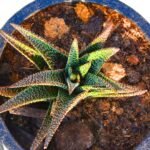



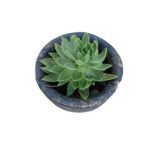
Gasteraloe Succulent plants
KSh 2,899.00
Growing and Caring for this Unique Succulent
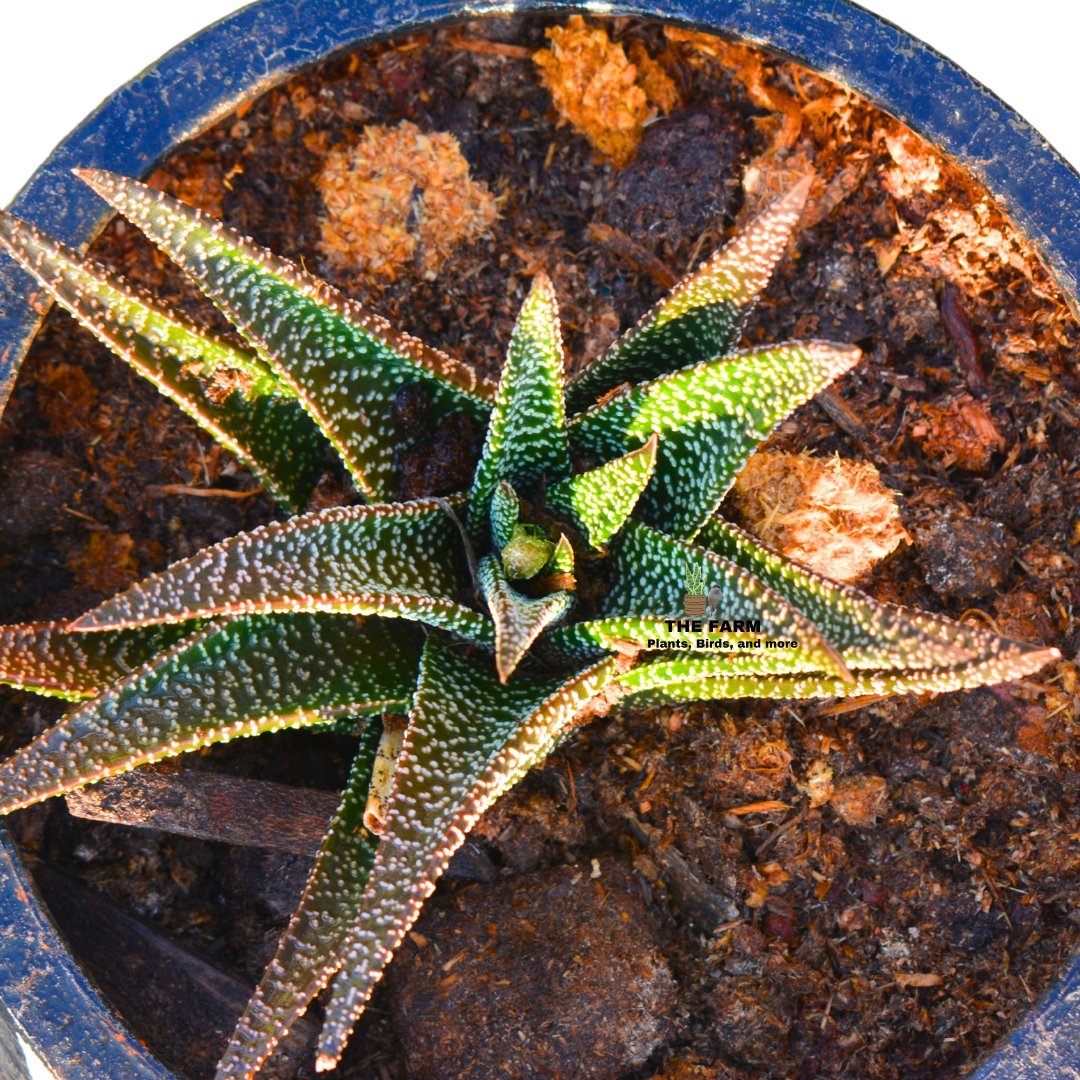
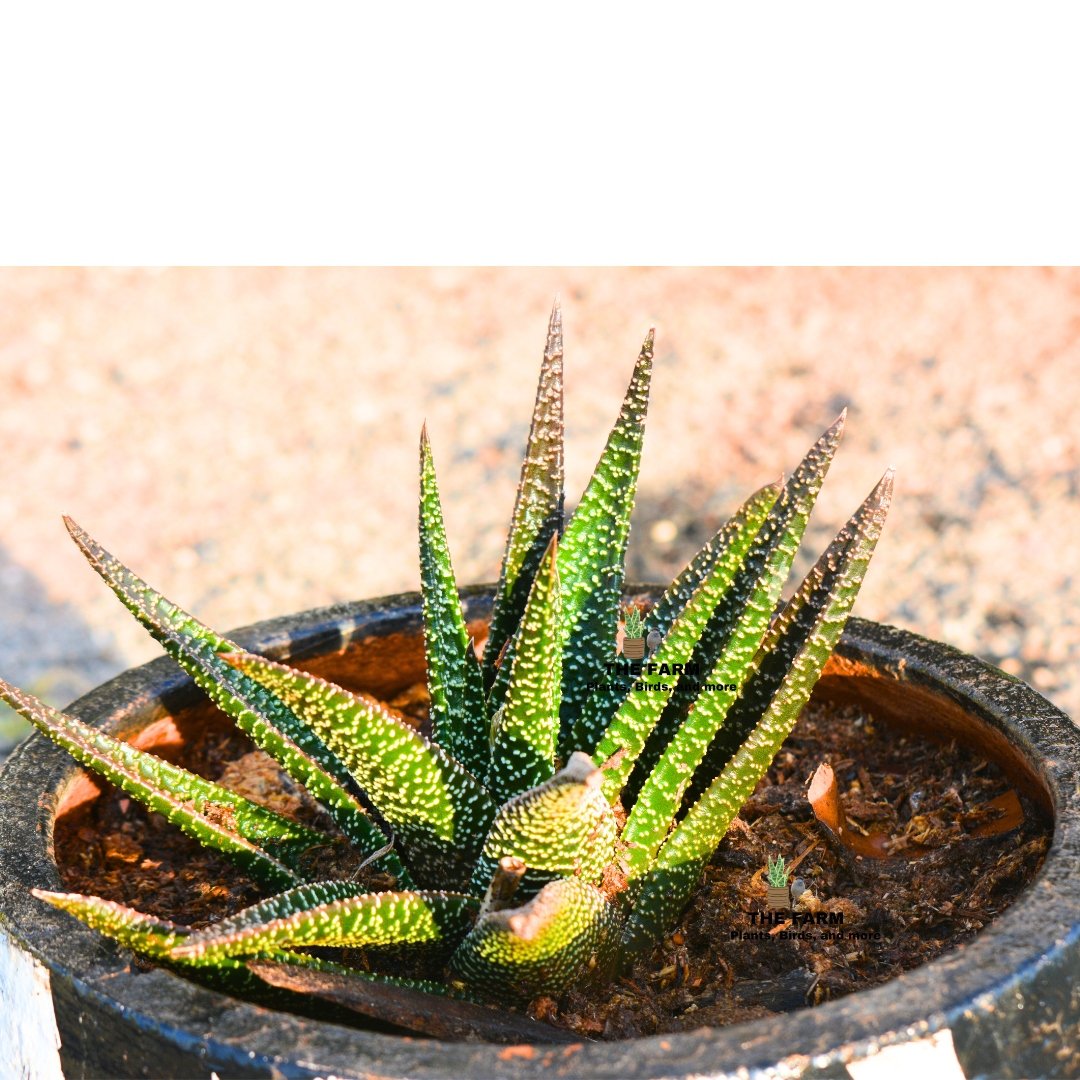
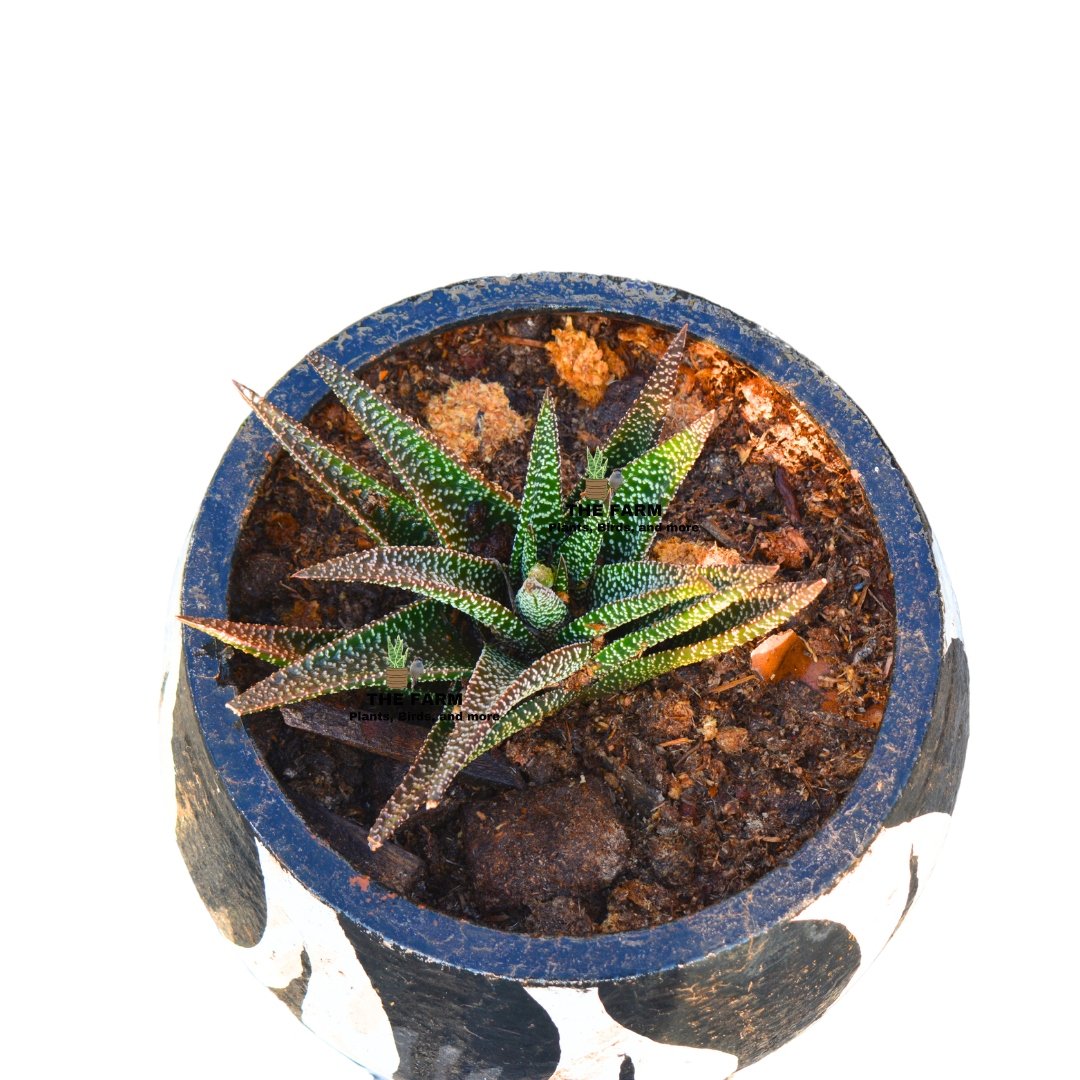
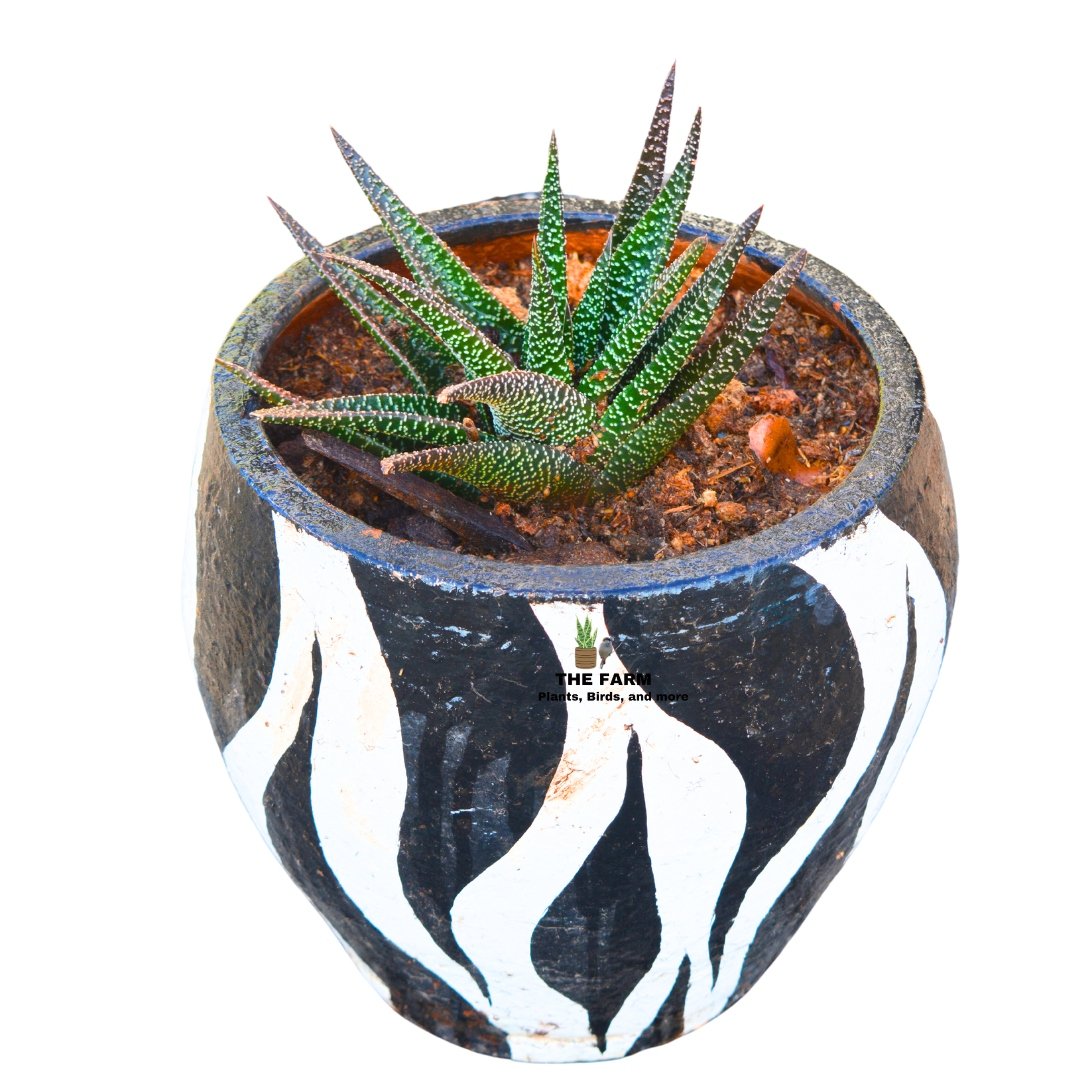
Gasteraloe, a cross between the Aloe and Gasteria plants, is a unique succulent that has gained popularity among plant enthusiasts. Known for its striking appearance and low maintenance requirements, the Gasteraloe is an excellent choice for both beginner and experienced gardeners. In this guide, we will explore the key factors to consider when growing and caring for Gasteraloe plants.
Watering:
Gasteraloe plants thrive in well-draining soil, so it’s important to water them sparingly. Allow the soil to dry out completely between waterings to prevent the risk of root rot. During the winter months, reduce watering frequency to mimic the plant’s natural dormancy period.
Soil:
When it comes to soil, Gasteraloe plants prefer a gritty, well-draining mix. A combination of cactus soil and perlite or pumice works well to provide the necessary drainage. Avoid using heavy soils that retain moisture, as this can lead to root rot.
Pruning:
Pruning Gasteraloe plants is not necessary for their overall health, but it can help maintain a compact and tidy appearance. If you notice any dead or damaged leaves, simply trim them off at the base using clean, sharp scissors or pruning shears.
Propagation:
Gasteraloe plants can be easily propagated through offsets or leaf cuttings. To propagate through offsets, carefully remove the small plantlets that grow at the base of the mother plant and plant them in a well-draining soil mix. For leaf cuttings, allow the cut ends to callus for a few days before planting them in a similar soil mix.
Sunlight:
Gasteraloe plants thrive in bright, indirect sunlight. Place them near a window that receives partial sun or provide them with filtered light. Avoid exposing the plants to direct sunlight for extended periods, as this can lead to sunburn.
Fertilize:
During the growing season, which is typically spring and summer, you can fertilize Gasteraloe plants with a balanced, water-soluble fertilizer diluted to half strength. Apply the fertilizer once a month to provide the necessary nutrients for healthy growth.
Diseases:
Gasteraloe plants are generally resistant to pests and diseases. However, overwatering can lead to root rot, while insufficient light can cause the plant to become leggy. To prevent these issues, ensure proper watering and provide adequate sunlight.
When you see leaves tipps turning black Overwatering is a common cause of black spots due to fungal growth. To hit the watering sweet spot, check the soil moisture before watering—wait until it’s dry an inch below the surface.
Time Taken to Mature and Flowering:
Gasteraloe plants typically take several years to reach maturity. Once mature, they may produce tall flower spikes adorned with tubular flowers in shades of red, orange, or yellow. The exact time taken to mature and flower can vary depending on growing conditions and care.
Suitability in the House:
Gasteraloe plants make excellent houseplants due to their compact size and low maintenance requirements. They can be grown in pots or containers and placed on windowsills, desks, or shelves. Their unique rosette-like foliage adds a touch of elegance to any indoor space.
Benefits of the Gasteraloe Plant:
The Gasteraloe plant offers several benefits, making it a desirable addition to any plant collection. Its thick, fleshy leaves store water, allowing the plant to withstand periods of drought. Additionally, Gasteraloe plants are known for their air-purifying properties, helping to improve indoor air quality.
If you are interested in adding Gasteraloe plants to your collection, you can purchase them in Kenya from thefarm.co.ke. They offer a wide variety of Gasteraloe plants and provide convenient delivery services.
| Weight | 15 kg |
|---|
Only logged in customers who have purchased this product may leave a review.
You may also like…

Related products
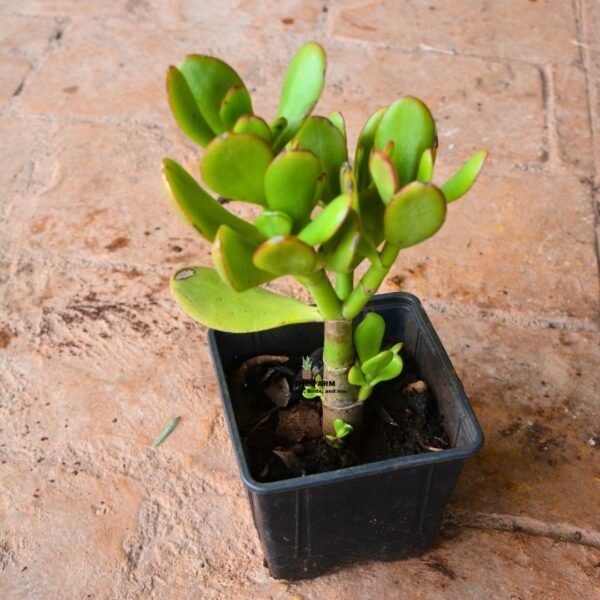
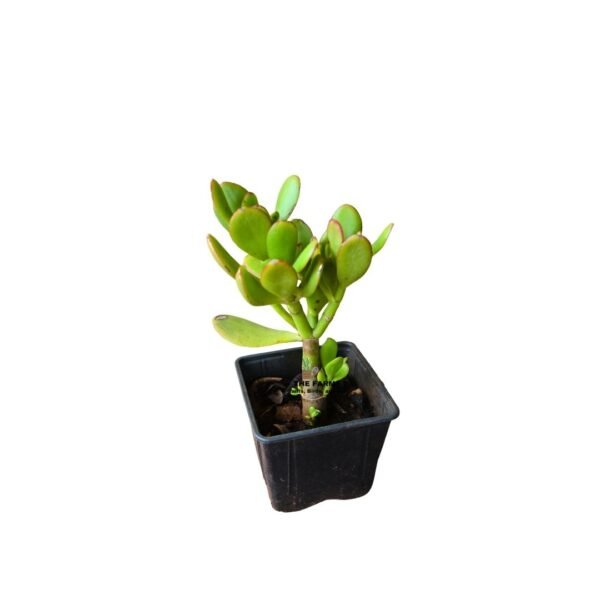
Jade plant
Key Features:
- Appearance: Glossy, oval-shaped green leaves with thick, fleshy stems.
- Size: Compact and manageable, ideal for small spaces or as a tabletop plant.
- Drought Tolerant: Stores water in its leaves, making it perfect for busy gardeners.
- Symbolism: Often considered a symbol of wealth and prosperity.










Reviews
There are no reviews yet.