
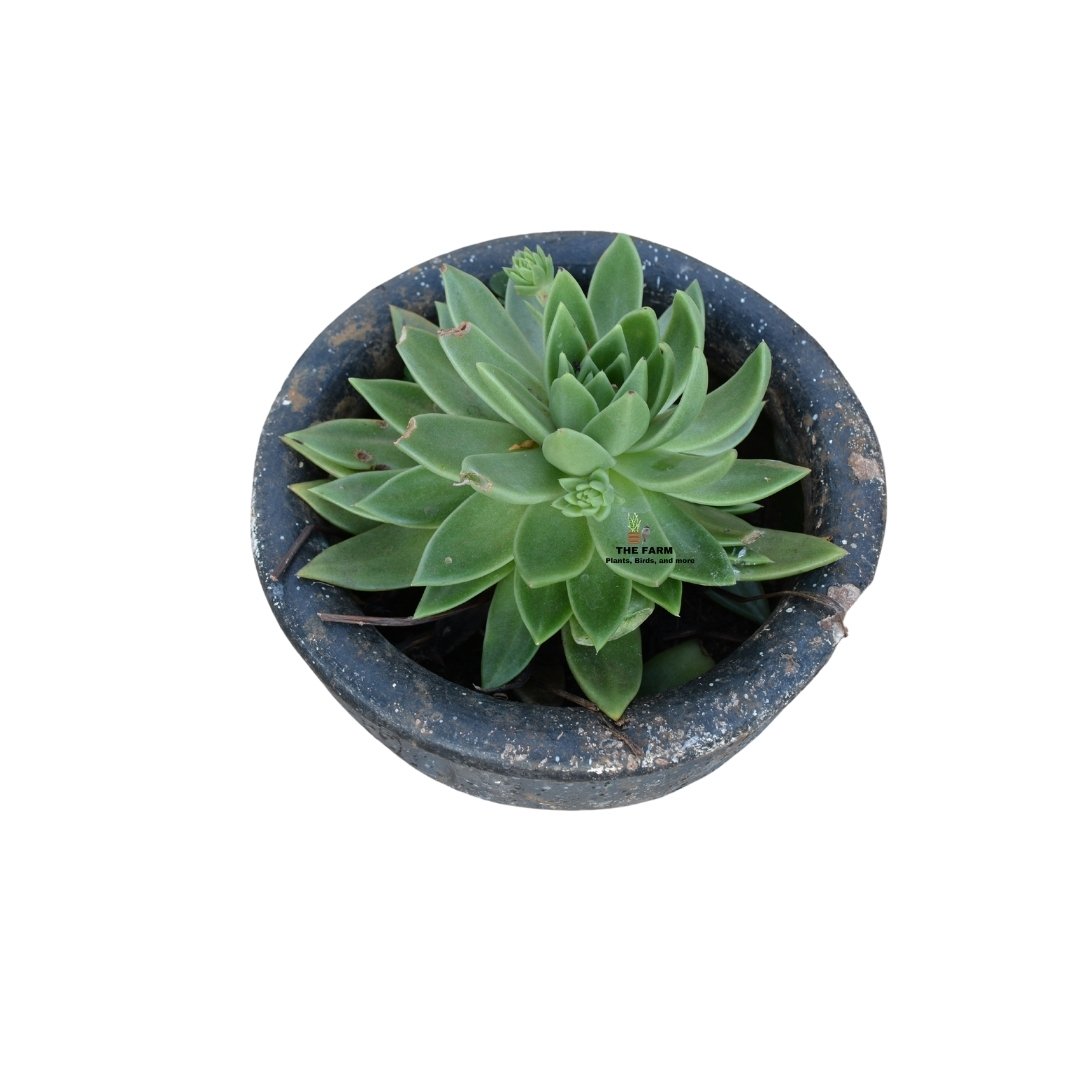
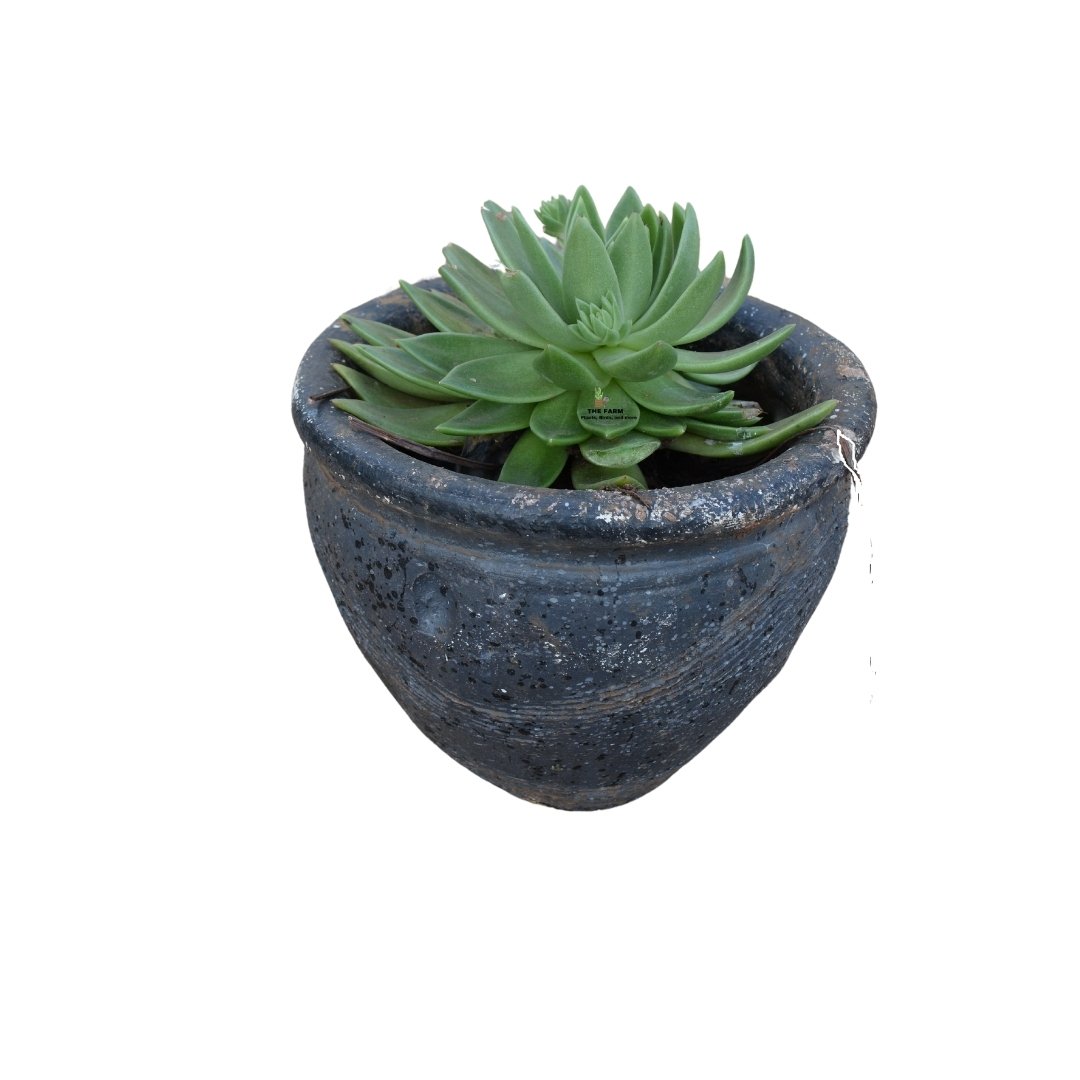

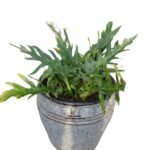
Echeveria Succulents
KSh 1,899.00
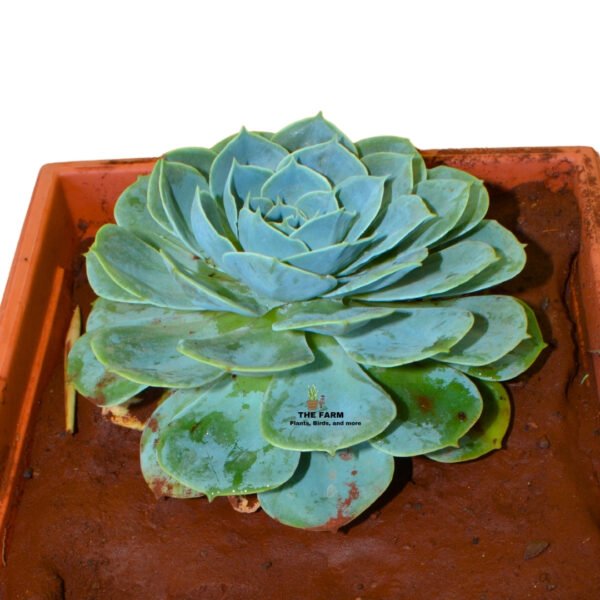
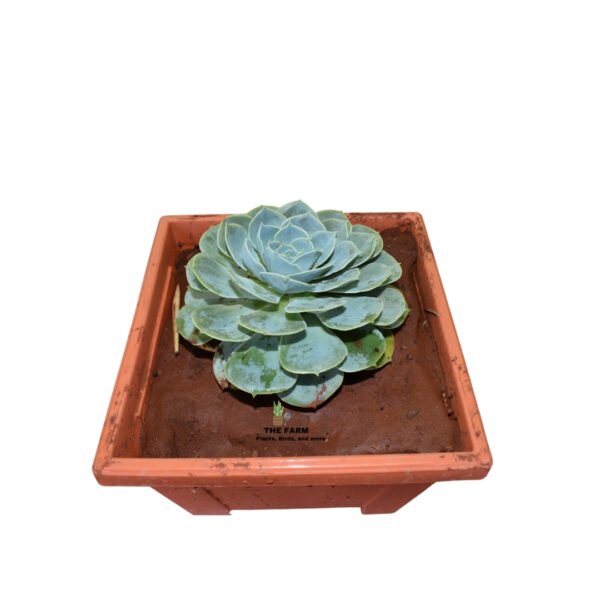
Echeveria succulents are a popular choice for plant enthusiasts due to their stunning rosette-shaped leaves and low maintenance requirements. Whether you’re a seasoned gardener or a beginner, these plants are a great addition to any collection. In this guide, we will explore how to grow Echeveria, including watering, soil requirements, pruning, propagation, sunlight needs, fertilization, common diseases, time taken to mature, and flowering. We will also discuss the benefits of having Echeveria succulents in your home.
Watering
Echeveria succulents have unique water requirements. It’s important to strike a balance between underwatering and overwatering. These plants prefer well-draining soil, so it’s crucial to allow the soil to dry out completely between waterings. Typically, watering once every 10-14 days during the growing season is sufficient. During winter, when the plants are dormant, reduce watering to once every 3-4 weeks.
Soil
When it comes to soil, Echeveria succulents thrive in a well-draining mix. A combination of potting soil, perlite, and coarse sand works well. This ensures proper drainage, preventing the roots from sitting in water and potentially rotting. Avoid using heavy clay soils as they retain too much moisture.
Pruning
Pruning Echeveria succulents is not always necessary, but it can help maintain their shape and remove any dead or damaged leaves. If you notice leggy growth or overcrowding, you can trim the stems back to encourage new growth. Be sure to use clean, sharp pruning shears to prevent the spread of diseases.
Propagation
Echeveria succulents are relatively easy to propagate. One common method is through leaf cuttings. Simply remove a healthy leaf from the plant, let it callus over for a few days, and then place it on top of well-draining soil. Keep the soil lightly moist until new roots and leaves develop. Another method is by dividing offsets, which are small plants that grow around the base of the mother plant.
Sunlight
Echeveria succulents thrive in bright, indirect sunlight. They prefer at least 4-6 hours of sunlight a day, but be cautious of intense, direct sunlight as it can scorch the leaves. If you’re growing them indoors, place them near a south-facing window or provide supplemental grow lights.
Fertilize
During the growing season, you can fertilize your Echeveria succulents once a month with a balanced liquid fertilizer diluted to half strength. However, be careful not to over-fertilize, as this can lead to leggy growth or burnt leaves. During the dormant winter months, it’s best to avoid fertilization.
Diseases
Echeveria succulents are generally resilient to diseases and pests. However, overwatering can lead to root rot, while underwatering can cause shriveled leaves. It’s important to find the right balance. Additionally, be cautious of mealybugs and aphids, which can infest the leaves. Regularly inspect your plants and treat any infestations promptly.
Time Taken to Mature and Flowering
The time taken for Echeveria succulents to mature and flower can vary depending on the species and growing conditions. On average, it can take a few years for the plants to reach maturity. Once mature, they will produce beautiful flower stalks with vibrant blooms. The flowering season typically occurs during the spring or summer months.
Suitability in the House
Echeveria succulents can thrive both indoors and outdoors. Their compact size and low water requirements make them an excellent choice for indoor cultivation. They add a touch of natural beauty to any room and can be grown in containers or small pots. Just ensure they receive adequate sunlight and proper care.
Benefits of Echeveria Succulents
Having Echeveria succulents in your home offers several benefits. Firstly, their unique rosette-shaped leaves and vibrant colors add a visually appealing element to your indoor space. Secondly, they are low maintenance plants, requiring minimal watering and care. This makes them ideal for busy individuals or those new to gardening. Additionally, succulents are known for their air-purifying properties, helping to improve the air quality in your home.
If you’re looking to buy Echeveria succulents in Kenya, you can find a wide selection at thefarm.co.ke. They offer a convenient online platform where you can browse and purchase these beautiful plants. With their reliable delivery service, you can have your Echeveria succulents delivered right to your doorstep.
Overall, Echeveria succulents are a wonderful addition to any plant collection. With proper care and attention to their specific needs, you can enjoy their beauty and benefits for years to come.
| Weight | 10 kg |
|---|
Only logged in customers who have purchased this product may leave a review.
You may also like…

Related products
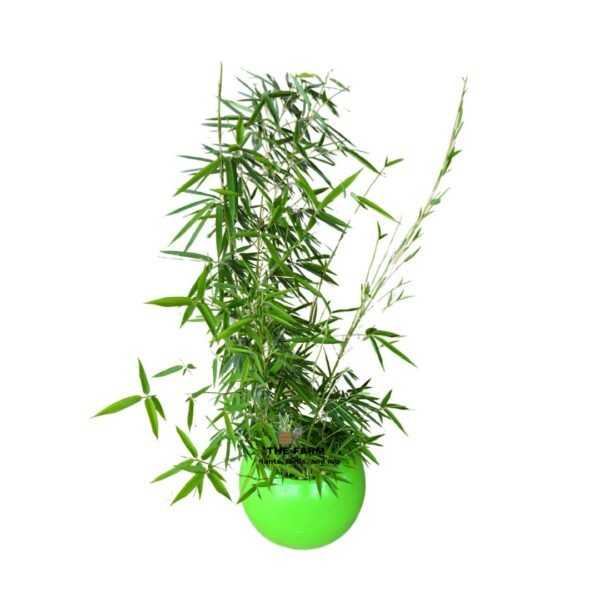
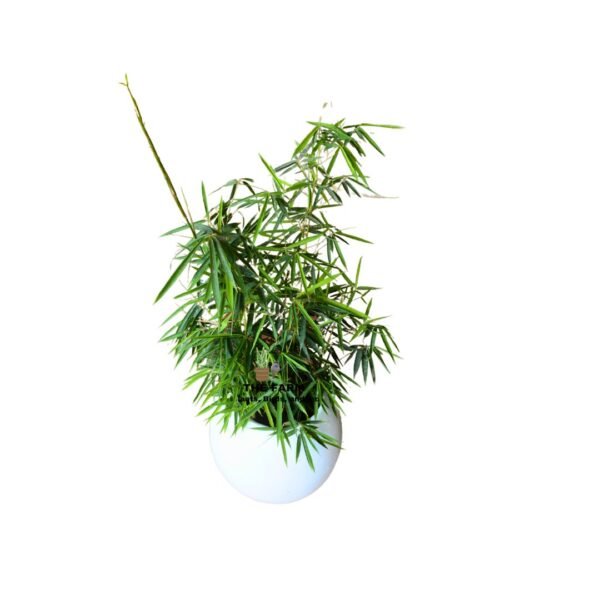
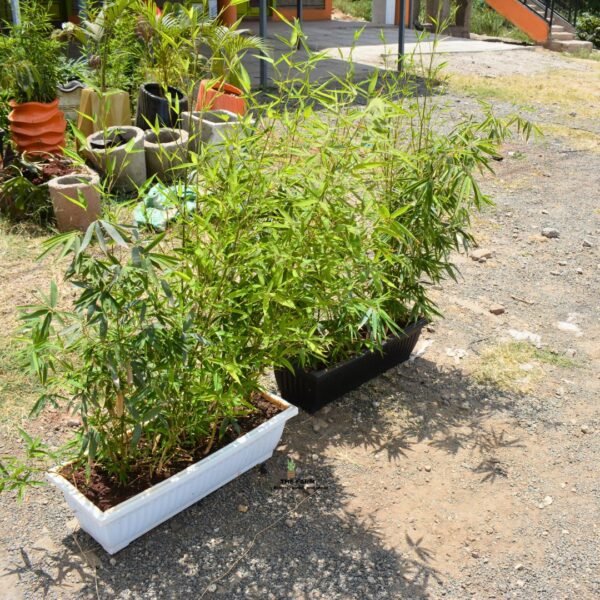
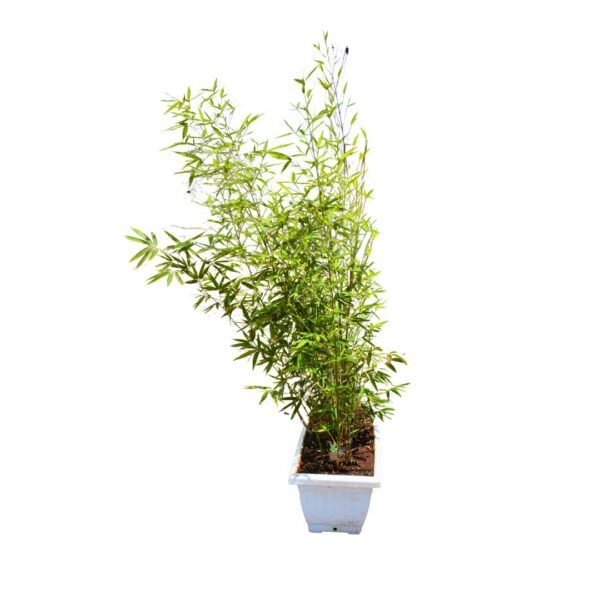
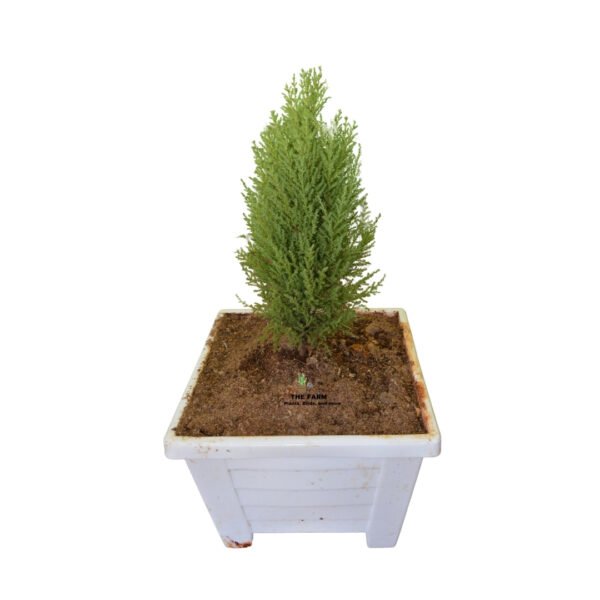
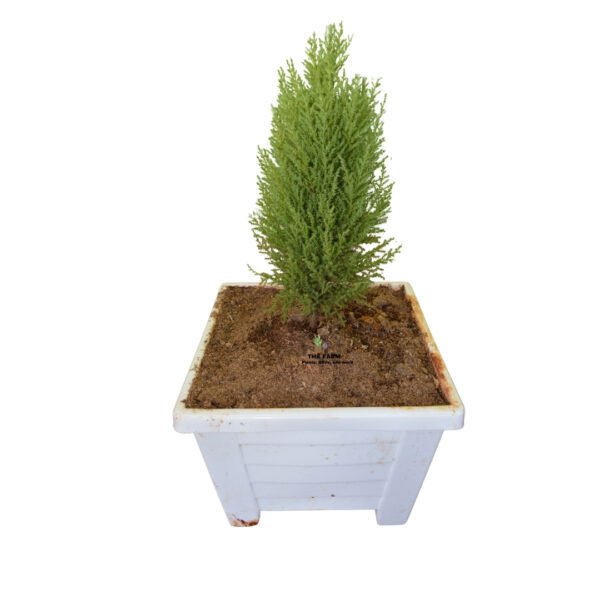
Bamboo and Sphere Fiber Glass Planter
features
- Made from durable materials.
- Lightweight and easy to move.
- the planter is Weather-resistant
- suitable for both indoor and outdoor use.
- Stylish design that complements modern interiors.
- Bamboo plants are versatile and can be used for:
1. Air purification.
2. Adding a touch of greenery to your home.
3. Creating a natural aesthetic in any room.
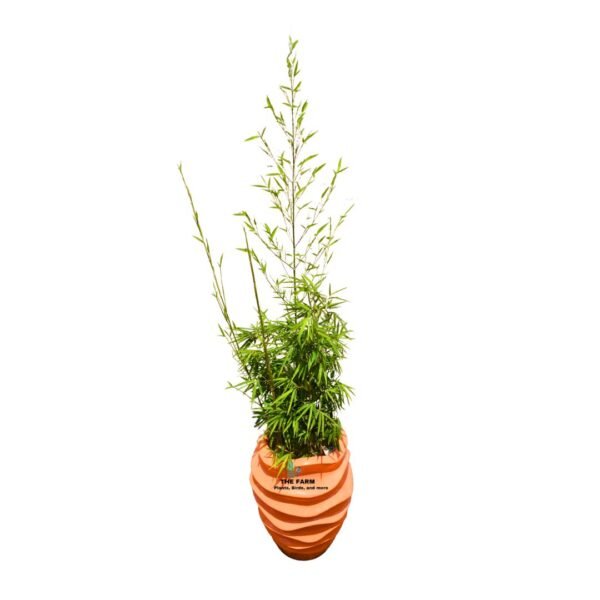
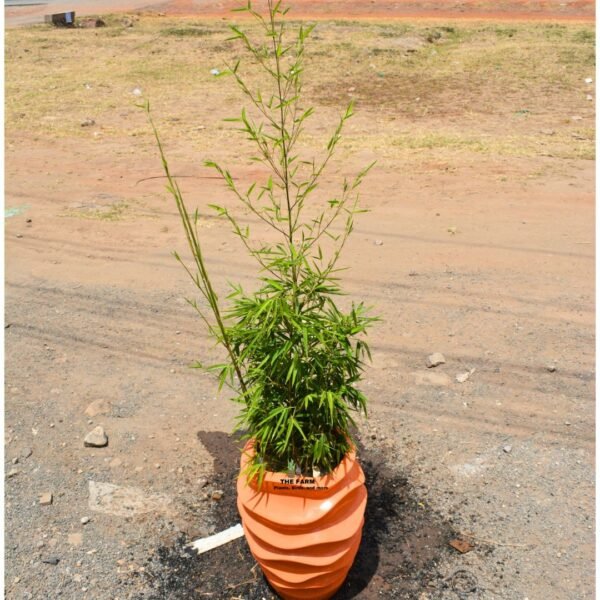
Red Rose in a Clay Pot
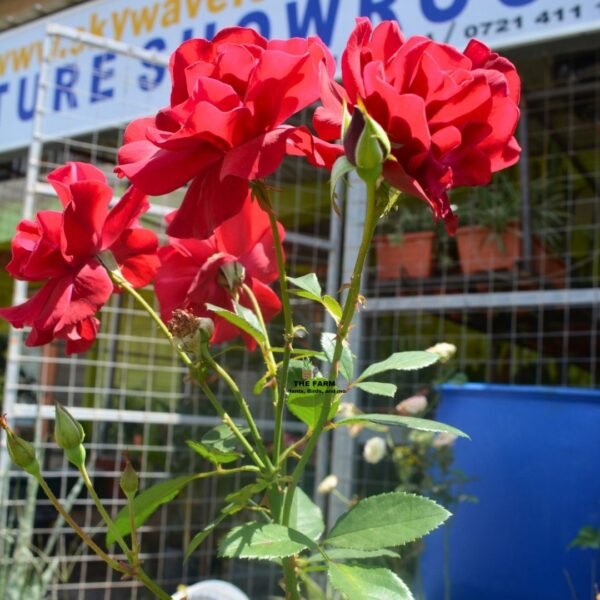
Key Features of the Red Rose in a Clay Pot
- Rich red blooms that symbolize love and passion
- Fragrant scent that adds romance to any space
- Thrives in bright sunlight with regular watering
- classic clay pot provides excellent drainage and enhances plant aesthetics
- Suitable for both indoor and outdoor use in Kenyan homes and gardens
- Low-maintenance, perfect for plant enthusiasts

Royal Palm (Roystonea regia)
Introduction
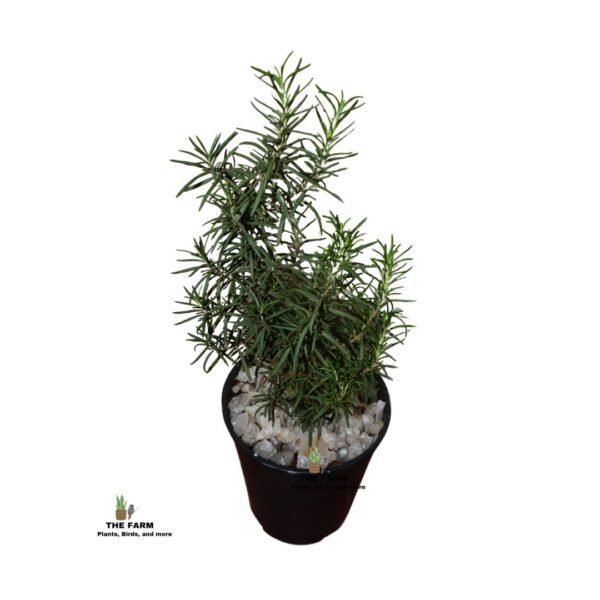
The Royal Palm is a symbol of grace and grandeur in tropical landscapes. Its towering presence and iconic look make it a standout plant in gardens, parks, and urban settings. Whether lining streets or serving as a centerpiece in large open spaces, the Royal Palm brings a sense of tropical luxury to any environment.
Benefits
- Aesthetic Beauty: With its tall trunk and large, arching fronds, the Royal Palm adds elegance and tropical charm to landscapes, making it perfect for formal avenues and expansive gardens.
- Wind and Salt Tolerant: The Royal Palm can tolerate coastal conditions and is resilient to salt spray, making it an ideal choice for beachfront properties or tropical climates.
- Low Maintenance: Once established, Royal Palms require little care and can adapt to a variety of soil types and conditions.
- Wildlife Habitat: Its fruits and leaves provide habitat and food for birds and other wildlife.
- Shade Provider: The wide, expansive fronds provide shade and create a cooling effect, which can be especially beneficial in hot climates.
Conditions for Optimal Growth
- Soil: Prefers well-draining, slightly acidic soil. It can tolerate a variety of soil types but grows best in rich, loamy soil.
- Sunlight: Thrives in full sun, needing at least 6-8 hours of direct sunlight per day for optimal growth.
- Watering: Requires regular watering, especially when young. Once established, it becomes more drought-tolerant, though it prefers consistent moisture.
- Temperature: Best grown in tropical or subtropical climates, withstanding temperatures as low as 28°F (-2°C) but thriving in warmer conditions.
- Fertilization: Benefits from regular fertilization with a palm-specific fertilizer, especially in nutrient-deficient soils, to prevent yellowing leaves and encourage healthy growth.
Conclusion
The Royal Palm is a symbol of grandeur and elegance, perfect for those looking to make a dramatic statement in their landscaping. With its tall, smooth trunk and graceful, arching fronds, this tropical palm brings a lush, luxurious feel to any garden or avenue. Low maintenance and resilient, the Royal Palm is an excellent choice for coastal, tropical, and subtropical environments where its beauty and stature can be fully appreciated.




Reviews
There are no reviews yet.