
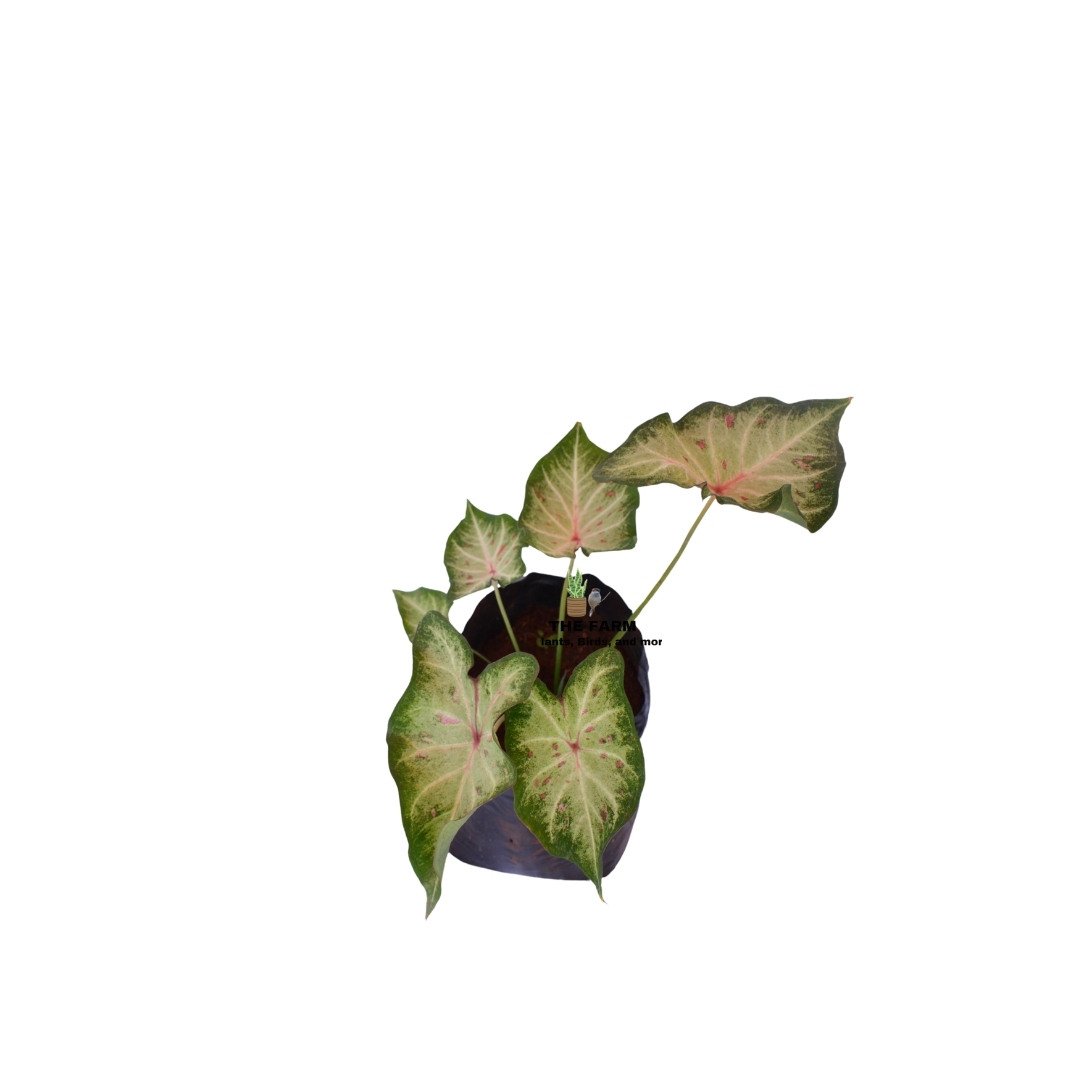
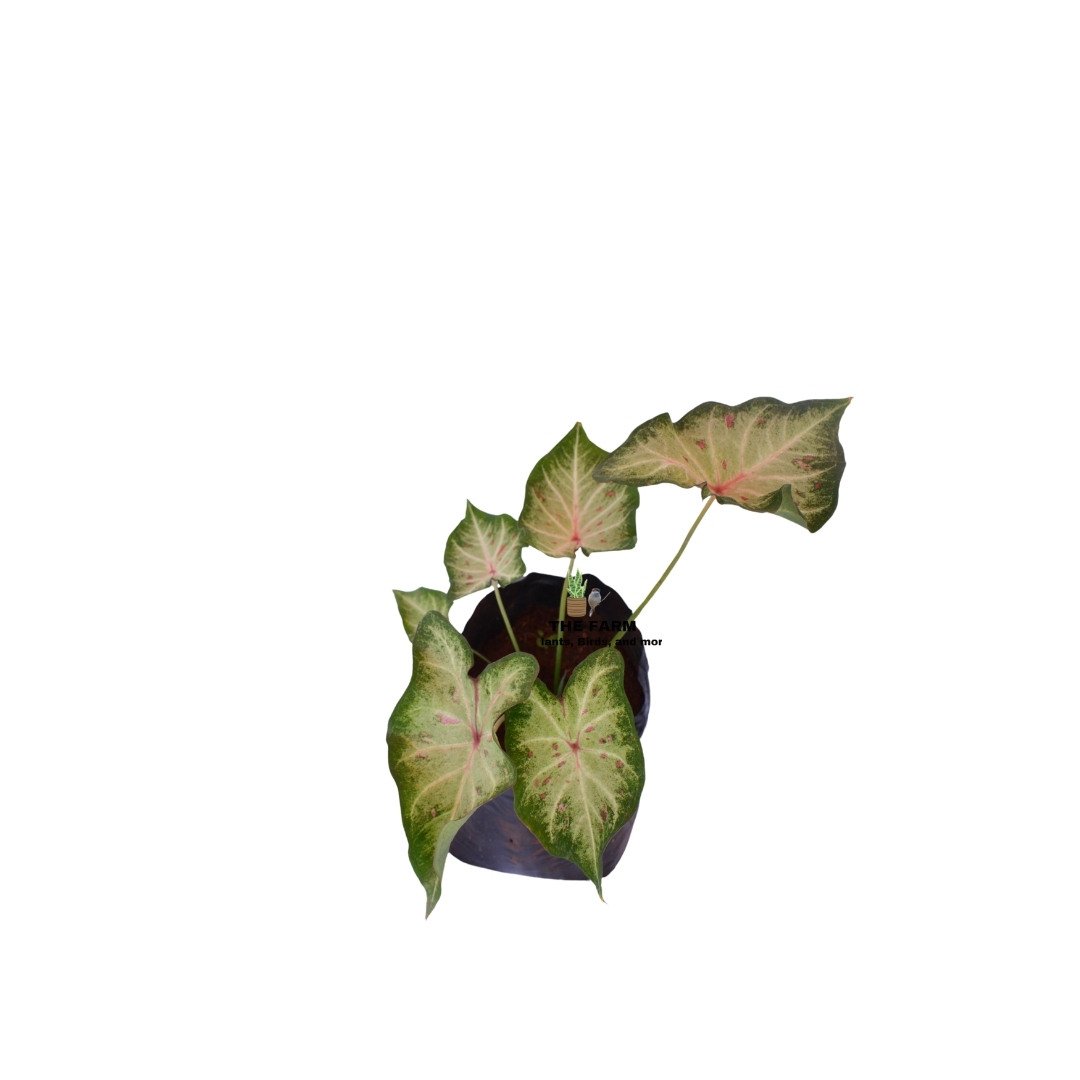


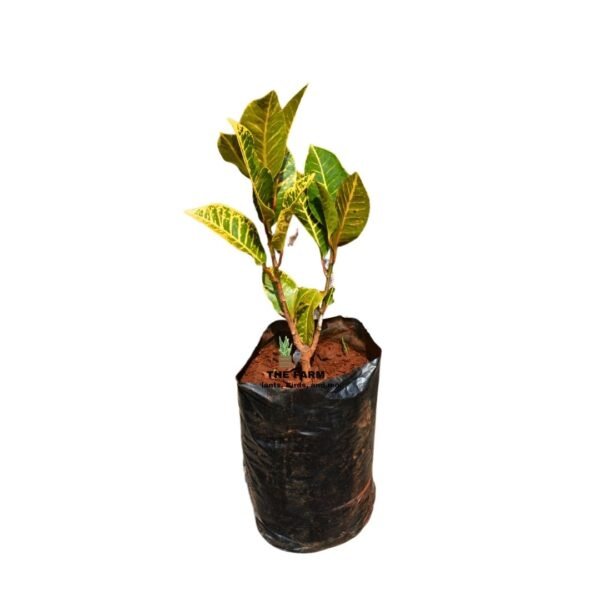
Caladium – Seafoam Plant seedling.
Original price was: KSh 1,250.00.KSh 899.00Current price is: KSh 899.00.
How to Grow Caladium – Seafoam Plant
Caladium – Seafoam plant, also known as Caladium bicolor, is a stunning house plant that can add a touch of elegance and beauty to any indoor space. With its unique foliage and low-maintenance nature, it is a popular choice among plant enthusiasts. Here are some essential factors to consider when growing Caladium – Seafoam plant:
Watering and Soil
Caladium – Seafoam plant thrives in well-draining soil that is kept consistently moist. It is important to water the plant regularly, ensuring that the soil is evenly moist but not waterlogged. Avoid allowing the soil to dry out completely, as this can lead to leaf wilting and plant stress. To maintain optimal moisture levels, consider using a pebble tray or misting the leaves with water.
Pruning and Propagation
Pruning is not typically necessary for Caladium – Seafoam plant, as it naturally grows in a compact and bushy form. However, if you notice any yellowing or damaged leaves, you can safely remove them to promote healthier growth. Propagation of Caladium – Seafoam plant is commonly done through division. When the plant has matured and developed multiple tubers, carefully separate them and plant them in individual pots or areas of the garden.
Sunlight and Location
Caladium – Seafoam plant thrives in bright, indirect light. It prefers locations with filtered sunlight or partial shade, as direct sunlight can scorch its delicate leaves. Placing the plant near a north or east-facing window is ideal, as it can receive the right amount of light without being exposed to harsh rays. Avoid placing the plant in areas with drafty windows or extreme temperature fluctuations.
Fertilization and Diseases
Regular fertilization is essential for the healthy growth of Caladium – Seafoam plant. Use a balanced, water-soluble fertilizer every two to four weeks during the growing season. Be cautious not to over-fertilize, as this can lead to salt buildup and damage the plant. Caladium – Seafoam plant is generally resistant to pests and diseases. However, it is important to monitor the plant for signs of common houseplant pests such as spider mites or aphids. If detected, treat the infestation promptly with organic pest control methods.
Time Taken to Mature and Flowering
Caladium – Seafoam plant typically takes around 6 to 8 weeks to mature from the time of planting. The plant’s vibrant foliage is the main attraction, and it does not produce significant flowers. However, some varieties may occasionally produce small, inconspicuous flowers. The true beauty of Caladium – Seafoam plant lies in its stunning leaves, which come in various shades of green and white.
Benefits of Caladium – Seafoam Plant as a House Plant
Caladium – Seafoam plant offers several benefits as a house plant:
- Enhances indoor aesthetics: The unique and colorful foliage of Caladium – Seafoam plant adds a touch of elegance and beauty to any indoor space.
- Air purification: Like other house plants, Caladium – Seafoam plant helps improve indoor air quality by removing toxins and releasing oxygen.
- Low maintenance: Caladium – Seafoam plant is relatively easy to care for, making it an ideal choice for both beginner and experienced plant enthusiasts.
- Non-toxic: The plant is non-toxic to pets and humans, making it a safe choice for households with children or animals.
If you are looking to buy Caladium – Seafoam plant in Kenya, you can find them at thefarm.co.ke. They offer a wide selection of high-quality plants, including Caladium – Seafoam plant, and provide convenient delivery services to ensure your plants arrive in excellent condition.
| Weight | 6 kg |
|---|---|
| plant type | Caladium plants |
Only logged in customers who have purchased this product may leave a review.
You may also like…


Related products

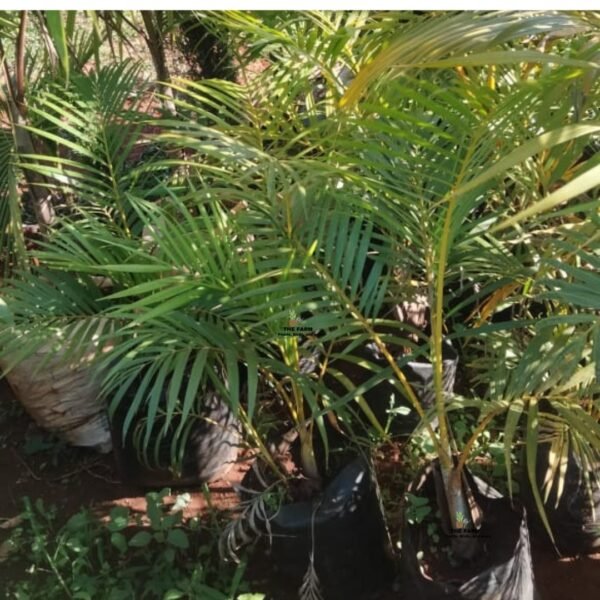
Areca Palm Seedling (1-Foot Tall)
Key Features
- Height: Currently 1-foot tall; matures to 6-12 feet indoors and up to 30 feet outdoors.
- Fronds: Graceful, feathery, arching fronds with a vibrant green hue.
- Growth Rate: Moderate, with proper care; adaptable to pot or ground planting.
- Air Purification: Known to filter indoor air pollutants like formaldehyde and benzene.
- Non-toxic: Safe for pets and children, making it a family-friendly choice.
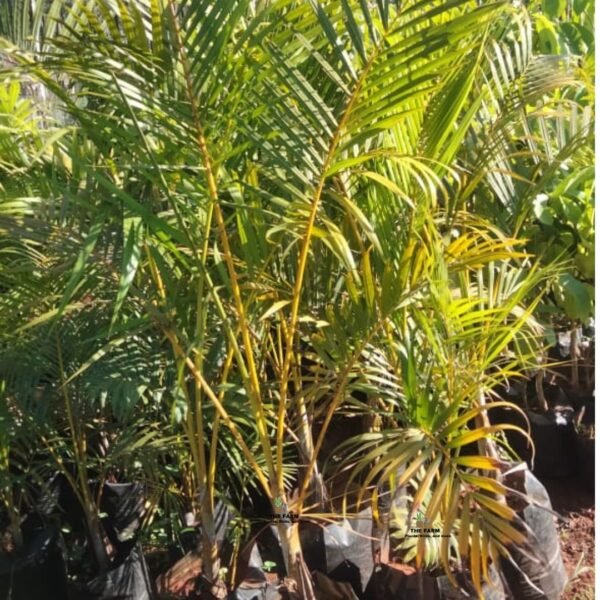
Areca Palm Seedling (2-Foot Tall)
Key Features
- Height: 2 feet tall; grows up to 6-12 feet indoors and up to 30 feet outdoors.
- Fronds: Long, arching fronds with feather-like leaves and a vibrant green color.
- Growth Rate: Moderate; grows faster in optimal conditions with consistent care.
- Air Purifier: Recognized for its ability to filter indoor air pollutants and improve air quality.
- Durability: Hardy and adaptable, making it suitable for a variety of environments.

Dieffenbachia (Dumb Cane) – Indoor Ornamental Plant in Kenya
1. Beautiful Decorative Foliage
Dieffenbachia produces large, attractive leaves with distinctive green and cream variegation, making it an excellent ornamental plant for indoor decoration.
2. Ideal for Indoor Spaces
It grows well in bright, indirect light and can tolerate moderate indoor lighting, making it suitable for homes, offices, and commercial interiors.
3. Creates a Tropical Atmosphere
Its broad leaves and upright growth give indoor spaces a lush, tropical appearance.
4. Relatively Easy to Maintain
With appropriate watering, lighting, and well-draining soil, Dieffenbachia is relatively easy to care for.
5. Suitable for Decorative Planters
Dieffenbachia grows beautifully in floor pots and decorative containers, complementing modern interior designs.
6. Adds Greenery to Homes and Offices
Its colourful foliage helps create a welcoming, nature-inspired atmosphere in living and working environments.
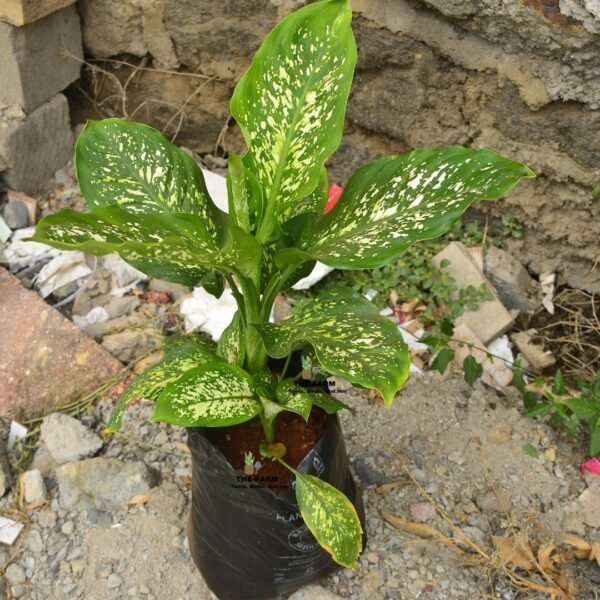
Green Dieffenbachia Indoor Plant
Key Features of Green Dieffenbachia Indoor Plant
- Vibrant Foliage
The Green Dieffenbachia is renowned for its large, broad leaves with intricate patterns and markings. The leaves are usually green with white or light-colored veins, creating a striking contrast that enhances the plant's visual appeal. - Height and Spread
The plant can grow up to 5 feet tall indoors, making it an impressive statement piece in any room. Its bushy growth habit adds volume and lushness to your indoor garden, making it a perfect addition to spacious areas. - Adaptability to Indoor Conditions
One of the standout features of the Green Dieffenbachia is its adaptability. It can thrive in various indoor environments, from low-light corners to brightly lit areas. This versatility makes it an ideal choice for different rooms in your home, whether it's the living room, bedroom, or office. - Toxicity Warning
It's essential to note that the Green Dieffenbachia is toxic to pets and humans if ingested. Its sap contains calcium oxalate crystals, which can cause irritation and swelling in the mouth and throat. Therefore, it’s important to keep it out of reach of children and pets. - Longevity
With proper care, the Green Dieffenbachia can live for many years, becoming a long-term companion in your indoor plant collection. Its slow to moderate growth rate ensures that it remains manageable and doesn’t outgrow its space too quickly. - Ease of Propagation
The plant is relatively easy to propagate through stem cuttings. Simply cut a section of the stem with at least one leaf node and place it in water or directly into soil. Within a few weeks, roots will start to develop, and you'll have a new Green Dieffenbachia plant to enjoy or share with friends.
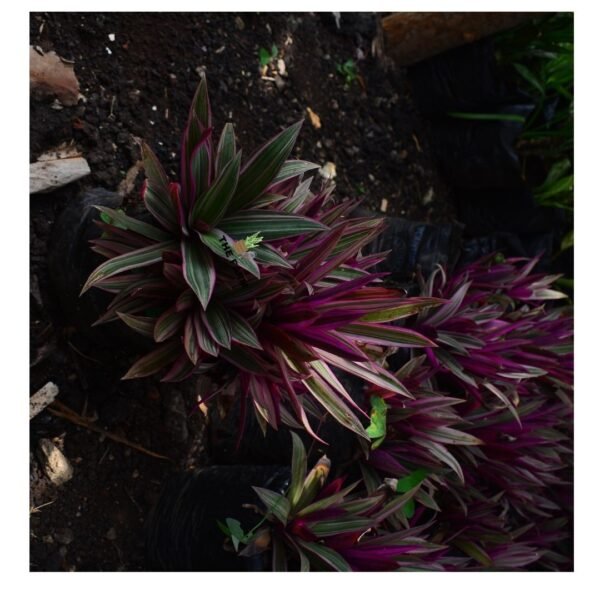
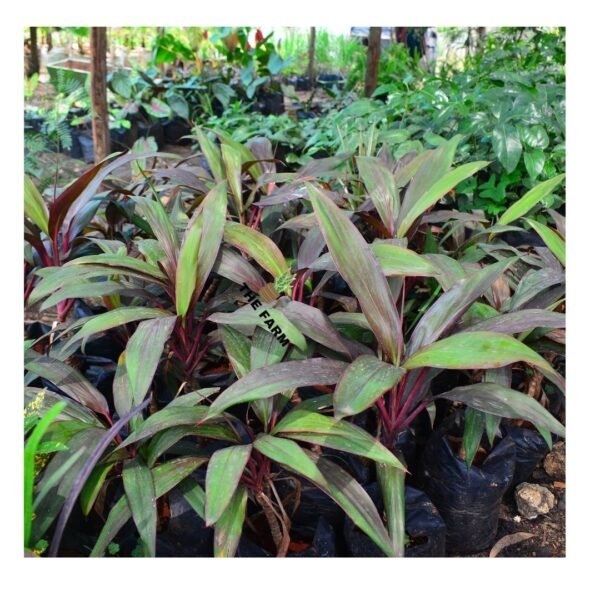
Moses-in-the-Cradle Plant Seedling
Key Features
- Vibrant Foliage: Features long, sword-shaped leaves with a green top and purple underside, creating a bold, two-toned effect.
- Compact Growth: Ideal for small pots, hanging baskets, or garden beds, making it versatile for various spaces.
- Low Maintenance: Requires minimal care, making it a great choice for busy individuals or those new to gardening.
- Adaptable Placement: Can be grown indoors as a houseplant or outdoors in shaded garden spots, offering flexibility in styling.
- Air Purifying: Known to help improve indoor air quality, contributing to a healthier and fresher living environment.





Reviews
There are no reviews yet.