


Catharanthus Roseus Seedlings in Kenya
Original price was: KSh 300.00.KSh 150.00Current price is: KSh 150.00.
Introduction
Catharanthus roseus, locally known in Kenya as Vinca or Sadaa, is a popular ornamental plant known for its year-round blooming and vibrant flowers. Native to Madagascar, this resilient plant has adapted well to Kenyan conditions, thriving in both gardens and pots. With its wide range of flower colors—pink, white, red, and purple—Vinca or Sadaa is a favorite choice for brightening landscapes, pathways, and patios across Kenya.
Benefits of Catharanthus Roseus Seedlings (Vinca or Sadaa)
- Year-Round Blooms: Vinca or Sadaa produces flowers throughout the year, ensuring a constant display of colorful blooms in your garden.
- Easy to Maintain: This plant is known for its low-maintenance needs, making it perfect for beginner gardeners or those looking for plants that don’t require much attention.
- Drought Resistance: Vinca or Sadaa is highly drought-tolerant, making it suitable for arid and semi-arid regions of Kenya where water conservation is important.
- Medicinal Uses: Traditionally, parts of the plant have been used in herbal remedies. The plant also contains alkaloids like vincristine, which have been used in cancer treatments, though its medicinal use should only be done by experts.
- Pollinator-Friendly: The bright flowers attract bees and butterflies, contributing to a healthy garden ecosystem.
Conditions for Optimal Growth of Catharanthus Roseus Seedlings (Vinca or Sadaa) in Kenya
- Soil Type: Vinca or Sadaa thrives in well-drained, sandy, or loamy soil. Adding organic matter such as compost helps improve soil fertility, promoting healthy growth.
- Sunlight: Full sun to partial shade is ideal. This plant performs best in sunny locations, receiving at least 6 hours of direct sunlight, which promotes more blooms.
- Water Requirements: While seedlings need regular watering, mature Vinca or Sadaa plants are drought-tolerant. Water moderately, allowing the soil to dry slightly between waterings to avoid root rot.
- Temperature: The plant thrives in warm temperatures, typically between 20°C and 30°C, which is perfect for most regions in Kenya. It does not tolerate frost and should be protected in cooler climates.
- Pruning: Minimal pruning is required. Removing spent flowers or trimming back leggy growth helps maintain the plant’s bushy appearance and encourages more flowering.
Conclusion
Catharanthus roseus, or locally Vinca and Sadaa, is a versatile and attractive plant for Kenyan gardens. Its year-round blooming, low maintenance needs, and drought tolerance make it an excellent choice for brightening landscapes and outdoor spaces. By planting Vinca or Sadaa seedlings, gardeners can enjoy continuous, vibrant blooms with minimal effort, enhancing both the beauty and ecological value of their surroundings.
Only logged in customers who have purchased this product may leave a review.
Related products
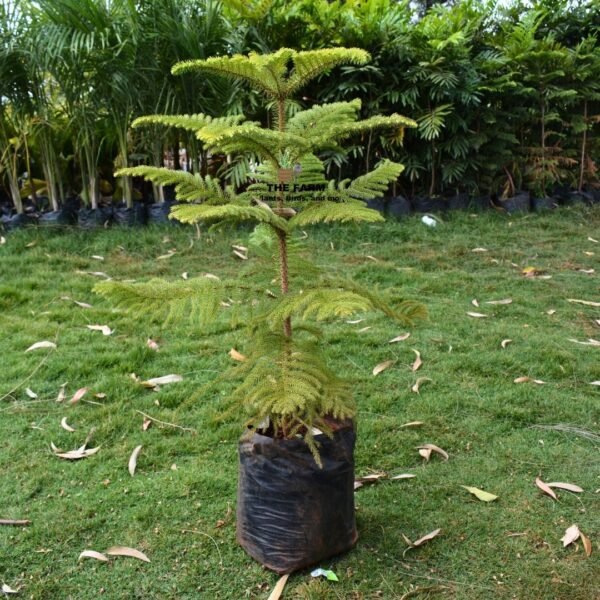
Alkeria Tree Seedling
Key Features of Alkeria Tree Seedlings
- Fast-Growing: Alkeria tree seedlings are known for their rapid growth rate, making them ideal for reforestation and landscaping projects that require quick vegetation coverage.
- Resilient to Various Soil Types: These seedlings adapt well to a range of soil conditions, though they thrive best in fertile, well-draining soil rich in organic matter.
- High Carbon Absorption: Alkeria trees are effective carbon sinks, making them valuable for carbon offset projects and environmentally conscious planting initiatives.
- Attractive Foliage: The trees often feature vibrant, dense foliage that adds aesthetic appeal to any landscape, contributing to both decorative and practical uses.
- Soil-Enriching Properties: As they mature, Alkeria trees contribute to soil health through natural leaf litter and organic matter, improving the soil structure and fertility.
- Support for Biodiversity: These trees provide habitat and food sources for various wildlife, supporting local ecosystems and enhancing biodiversity in the area where they are planted.
- Drought Tolerance: Alkeria seedlings, once established, are relatively drought-resistant, making them suitable for regions with limited rainfall.
- Pest and Disease Resistance: Alkeria species typically have natural defenses against common pests and diseases, requiring minimal intervention once established.
- Versatile Uses: Apart from environmental benefits, mature Alkeria trees can be utilized for timber, shade, windbreaks, and ornamental purposes, adding value for landowners and communities.


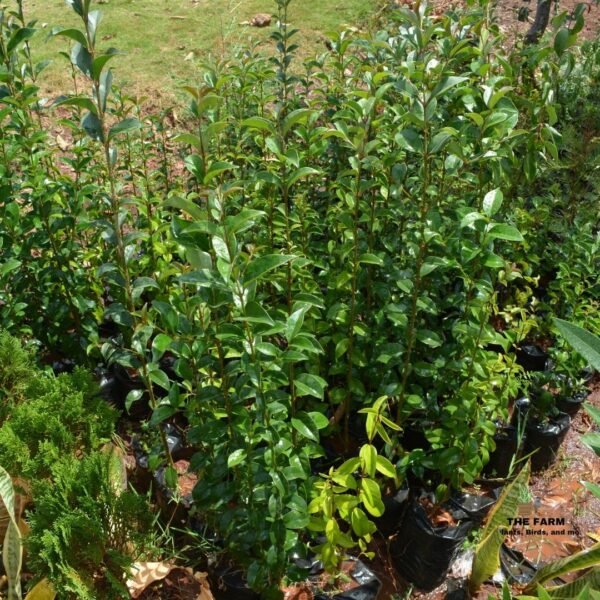

Ligustrum Ovalifolium Seedling in Kenya
Key Features of Ligustrum Ovalifolium Seedlings
- Common Name: Privet
- Scientific Name: Ligustrum ovalifolium
- Growth Habit: Dense, bushy shrub with glossy, oval-shaped leaves
- Sunlight: Full sun to partial shade
- Watering Needs: Regular watering when young; drought-tolerant once established
- Soil Type: Well-drained, fertile soils; adaptable to sandy and loamy conditions
- Maintenance Level: Low; regular pruning needed for shape and density
- Ideal Temperature: 15°C - 28°C
- Uses: Hedges, privacy screens, borders, ornamental shrub
Use in Kenya
Privet is widely used in Kenyan landscaping for its versatility and aesthetic value. It is often planted as a hedge along property lines, driveways, and garden borders to create a formal, manicured look. Its adaptability to Kenya’s diverse climates and its ability to thrive with minimal care make it a popular choice among homeowners and landscapers. By planting Ligustrum Ovalifolium seedlings, you are enhancing the beauty and functionality of your garden while contributing to a greener and healthier environment.


Royal Palm (Roystonea regia)
Introduction
The Royal Palm is a symbol of grace and grandeur in tropical landscapes. Its towering presence and iconic look make it a standout plant in gardens, parks, and urban settings. Whether lining streets or serving as a centerpiece in large open spaces, the Royal Palm brings a sense of tropical luxury to any environment.
Benefits
- Aesthetic Beauty: With its tall trunk and large, arching fronds, the Royal Palm adds elegance and tropical charm to landscapes, making it perfect for formal avenues and expansive gardens.
- Wind and Salt Tolerant: The Royal Palm can tolerate coastal conditions and is resilient to salt spray, making it an ideal choice for beachfront properties or tropical climates.
- Low Maintenance: Once established, Royal Palms require little care and can adapt to a variety of soil types and conditions.
- Wildlife Habitat: Its fruits and leaves provide habitat and food for birds and other wildlife.
- Shade Provider: The wide, expansive fronds provide shade and create a cooling effect, which can be especially beneficial in hot climates.
Conditions for Optimal Growth
- Soil: Prefers well-draining, slightly acidic soil. It can tolerate a variety of soil types but grows best in rich, loamy soil.
- Sunlight: Thrives in full sun, needing at least 6-8 hours of direct sunlight per day for optimal growth.
- Watering: Requires regular watering, especially when young. Once established, it becomes more drought-tolerant, though it prefers consistent moisture.
- Temperature: Best grown in tropical or subtropical climates, withstanding temperatures as low as 28°F (-2°C) but thriving in warmer conditions.
- Fertilization: Benefits from regular fertilization with a palm-specific fertilizer, especially in nutrient-deficient soils, to prevent yellowing leaves and encourage healthy growth.
Conclusion
The Royal Palm is a symbol of grandeur and elegance, perfect for those looking to make a dramatic statement in their landscaping. With its tall, smooth trunk and graceful, arching fronds, this tropical palm brings a lush, luxurious feel to any garden or avenue. Low maintenance and resilient, the Royal Palm is an excellent choice for coastal, tropical, and subtropical environments where its beauty and stature can be fully appreciated.


Reviews
There are no reviews yet.