

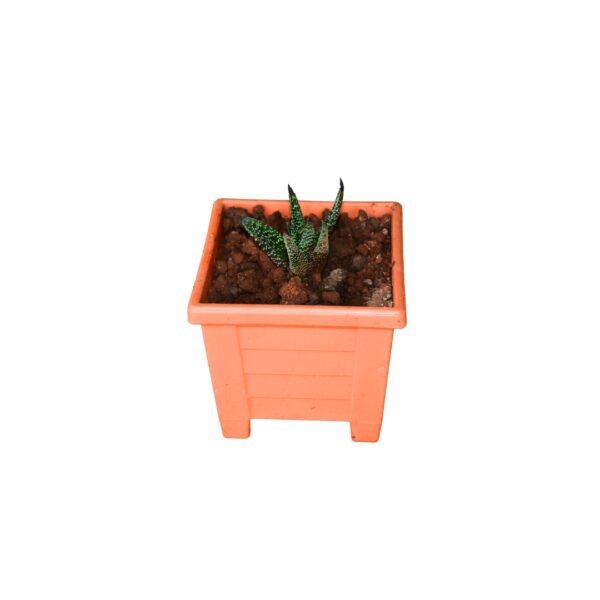
Torch Plant Succulent seedling.
Price range: KSh 299.00 through KSh 1,249.00
About Torch Plant Succulent
The Torch Plant, scientifically known as Aristaloe aristata, is a unique and visually stunning succulent that has gained popularity among plant enthusiasts. Its distinctive appearance, with upright, sword-shaped leaves and beautiful orange-red flowers, makes it an attractive addition to any indoor plant collection.
Growing Torch Plant
Growing a Torch Plant can be a rewarding experience. Here are some key factors to consider:
Watering
Torch Plants are drought-tolerant succulents and prefer well-draining soil. Water your plant sparingly, allowing the soil to dry out between waterings. Overwatering can lead to root rot, so it’s important to strike a balance and avoid standing water.
Soil
Choose a well-draining soil mix specifically formulated for succulents or cacti. This will help prevent waterlogged roots and ensure optimal growth. A mixture of potting soil, perlite, and sand is commonly used for Torch Plants.
Pruning
Torch Plants generally do not require extensive pruning. However, you can remove any dead or damaged leaves to maintain the plant’s appearance. Use clean, sharp pruning shears and make clean cuts to minimize the risk of infection.
Propagation
Torch Plants can be propagated through offsets or leaf cuttings. To propagate through offsets, carefully remove the offsets from the base of the plant and plant them in a separate container. For leaf cuttings, allow the cuttings to dry for a few days before planting them in well-draining soil.
Sunlight
Place your Torch Plant in a location that receives bright, indirect sunlight. These succulents thrive in bright light but can also tolerate some shade. Avoid exposing them to direct sunlight for extended periods, as it can cause sunburn on the leaves.
Fertilize
Fertilize your Torch Plant sparingly during the growing season, typically from spring to fall. Use a balanced, water-soluble fertilizer diluted to half strength. Apply the fertilizer once a month to provide the necessary nutrients for healthy growth.
Diseases
Torch Plants are generally resilient and not prone to many diseases. However, overwatering can lead to root rot and fungal infections. To prevent this, ensure proper watering practices and maintain good airflow around the plant.
Time Taken to Mature and Flowering
The Torch Plant takes several years to reach maturity. Typically, it will take around 2-3 years for the plant to fully develop and start producing flowers. Once matured, the Torch Plant blooms in late spring or early summer, displaying vibrant orange-red flowers on tall stalks.
Best Suited for Indoors
The Torch Plant is well-suited for indoor cultivation, making it an excellent choice for houseplant enthusiasts. Its compact size and ability to thrive in a range of lighting conditions make it versatile and adaptable to various indoor environments.
Benefits of Torch Plant as a House Plant
Aside from its aesthetic appeal, the Torch Plant offers several benefits as a houseplant. It helps purify the air by removing toxins and releasing oxygen, contributing to a healthier indoor environment. Additionally, its low maintenance requirements make it an ideal choice for busy individuals or those new to plant care.
Where to Buy Torch Plant in Kenya
If you’re looking to buy Torch Plants in Kenya, you can find them at thefarm.co.ke. They offer a wide selection of high-quality plants, including Torch Plants. Simply browse their website, select the plants you desire, and have them conveniently delivered to your doorstep.
| Weight | 3 kg |
|---|---|
| planting design | small seedling, square planter |
Only logged in customers who have purchased this product may leave a review.
You may also like…


Related products

Blue Thuja Seedling
Key Features of the Blue Thuja Seedling
- Striking blue-green foliage that lasts year-round
- Perfect for hedges, privacy screens, or standalone specimens
- Thrives in full sun with minimal maintenance once established
- Adaptable to a range of soil conditions, including well-draining soil
- Suitable for Kenyan climates and gardens
- Easy to grow from seedling to mature tree


Coleus in Kenya
Key Features of Coleus
- Local Name: Mbarika
- Scientific Name: Coleus blumei or Plectranthus scutellarioides
- Growth Habit: Bushy, with a wide range of leaf colors and patterns
- Sunlight: Partial to full shade
- Watering Needs: Regular watering; keep the soil moist but not soggy
- Soil Type: Well-drained, fertile, loamy soil
- Maintenance Level: Low
- Ideal Temperature: 18°C - 30°C
- Propagation: Easy from cuttings
Use in Kenya
Coleus is a popular plant in Kenyan homes, gardens, and landscapes, often used to add color and texture to outdoor and indoor settings. Its ease of growth and maintenance makes it a preferred choice for anyone looking to brighten up their space with minimal effort. The local love for Mbarika continues to grow, as it not only beautifies spaces but also embodies the vibrant spirit of Kenyan gardening culture.
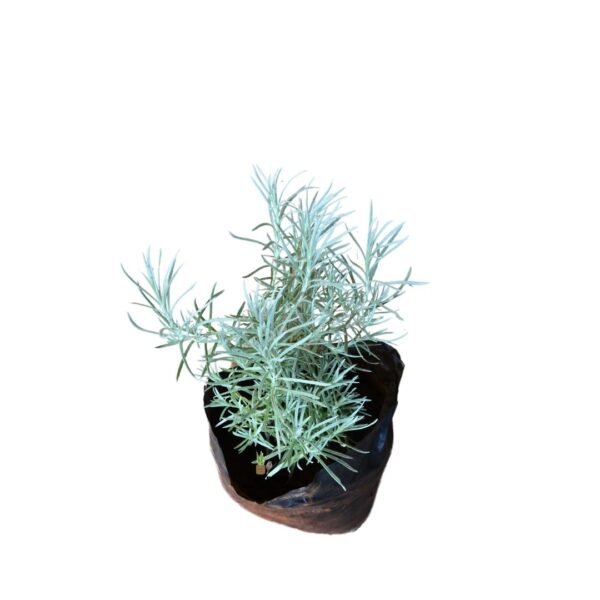
Curry Plant (Helichrysum italicum) seedling.
Key Features of the Curry Plant (Local Name: Pending)
- Distinct curry-like fragrance
- Silvery foliage with small yellow flowers
- Thrives in full sunlight and warm climates
- Low-maintenance and drought-tolerant
- Ideal for herb gardens, patios, or indoor containers
- Used in essential oils and alternative medicine




Reviews
There are no reviews yet.