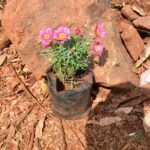
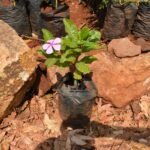
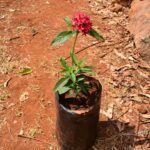


Marguerite Daisy Seedling in Kenya
KSh 300.00 Original price was: KSh 300.00.KSh 150.00Current price is: KSh 150.00.
Key Features of Marguerite Daisy Seedlings (Daisy)
- Local Name: Daisy
- Scientific Name: Argyranthemum frutescens
- Growth Habit: Bushy, upright plant with daisy-like flowers
- Sunlight: Full sun
- Watering Needs: Regular watering; drought-tolerant once established
- Soil Type: Well-drained, fertile soils with moderate moisture content
- Maintenance Level: Low; deadheading and light pruning recommended
- Ideal Temperature: 15°C – 25°C
- Uses: Garden beds, borders, containers, low hedges, and ornamental displays
Use in Kenya
In Kenya, Marguerite Daisies are often used to brighten gardens, driveways, and patios. Their ability to bloom profusely even in warm climates makes them a common choice for gardeners looking for low-maintenance, high-impact flowers. These plants also do well in pots, allowing gardeners to enjoy their cheerful blooms on balconies or verandas. With Marguerite Daisy seedlings, you can add lasting beauty and charm to your garden spaces with minimal effort.
Introduction
The Marguerite Daisy (Argyranthemum frutescens), locally referred to as Daisy in Kenya, is a charming, hardy perennial that produces daisy-like flowers in a variety of colors, including white, yellow, and pink. Known for its prolific blooms and easy-care nature, this plant is widely loved by Kenyan gardeners for brightening landscapes and gardens with its vibrant flowers and lush green foliage. Marguerite Daisies are commonly grown in flower beds, containers, and as borders along walkways, adding a cheerful and welcoming touch to any space.
Benefits of Marguerite Daisy Seedlings (Daisy)
- Prolific Blooms: Marguerite Daisies produce an abundance of daisy-like flowers throughout the growing season, creating a beautiful, colorful display in the garden.
- Attracts Pollinators: The flowers are great for attracting bees, butterflies, and other pollinators, promoting biodiversity in your garden.
- Easy to Grow: These seedlings are ideal for both beginner and experienced gardeners, requiring minimal care and thriving in a variety of conditions.
- Versatile Landscaping Use: Marguerite Daisies can be used in garden beds, borders, containers, or as low hedges, making them a versatile choice for enhancing garden aesthetics.
- Tolerant of Various Conditions: Daisies are known for their resilience, tolerating both heat and mild drought, which makes them well-suited for the Kenyan climate.
Conditions for Optimal Growth of Marguerite Daisy Seedlings (Daisy) in Kenya
- Soil Type: Marguerite Daisies prefer well-drained, fertile soil with moderate moisture content. Mixing compost or organic matter into the soil helps provide nutrients and improves drainage.
- Sunlight: These daisies thrive in full sun, receiving at least 6 hours of direct sunlight daily. Sunlight encourages healthier growth and more abundant blooms.
- Water Requirements: Water regularly, especially during the dry season. While the seedlings need consistent moisture, mature daisies are somewhat drought-tolerant. Avoid overwatering to prevent root rot.
- Temperature: The ideal temperature for growing Marguerite Daisies ranges from 15°C to 25°C, which aligns well with most regions in Kenya. Protect the plants from extreme cold or frost.
- Pruning and Deadheading: Regular deadheading (removal of spent flowers) promotes continuous blooming. Light pruning after the blooming season helps maintain the plant’s shape and encourages bushier growth.
Conclusion
Marguerite Daisy seedlings, locally known as Daisy, are an excellent choice for Kenyan gardens, offering bright, cheerful flowers that bloom throughout the season. Their easy-to-grow nature, combined with their ability to thrive in sunny, well-drained conditions, makes them a popular plant for garden borders, beds, and containers. By adding these seedlings to your landscape, you can create a vibrant, low-maintenance garden that attracts pollinators and brightens your outdoor spaces.
Only logged in customers who have purchased this product may leave a review.
Related products
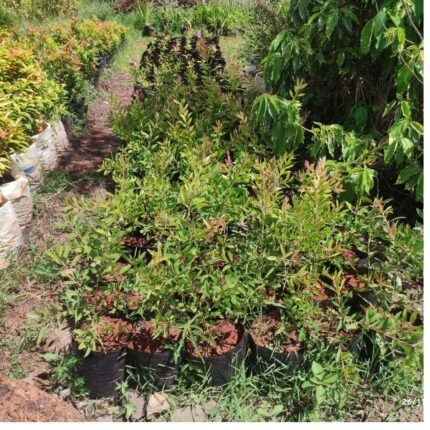
1ft Bottle Brush Tree Seedlings
Key Features of Bottle Brush Tree Seedlings
- Sizes for All Needs: Available from 1ft to 5ft, catering to gardeners and landscapers alike.
- Low Maintenance: Easy to care for, drought-tolerant, and pest-resistant.
- Year-Round Greenery: Evergreen foliage adds beauty and structure to any garden.
- Pollinator-Friendly: Attracts bees, butterflies, and birds to support biodiversity.
- Eco-Friendly Benefits: Improves air quality and stabilizes soil.
Conclusion
Bottle Brush Tree Seedlings 1ft are an exceptional choice for anyone looking to add vibrant color, charm, and environmental benefits to their garden or landscape. With their stunning red flowers, year-round greenery, and pollinator-friendly nature, these trees provide beauty and functionality for years to come.
By providing the right growing conditions—such as well-draining soil, full sunlight, and proper watering—you can enjoy the vibrant blossoms and lush foliage of these remarkable trees.
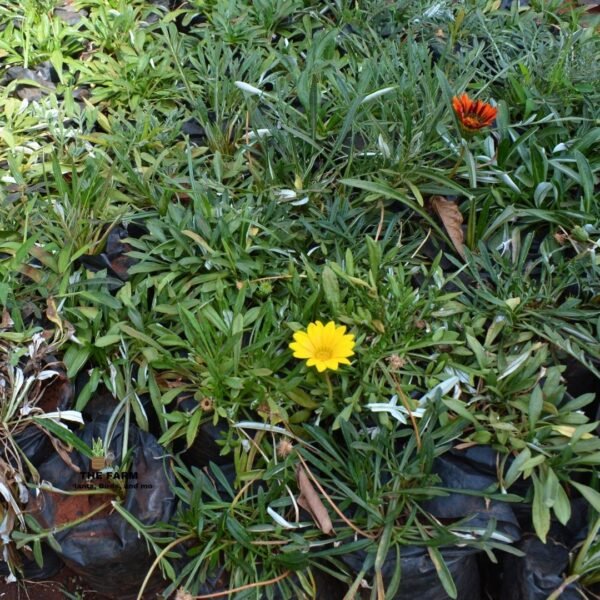
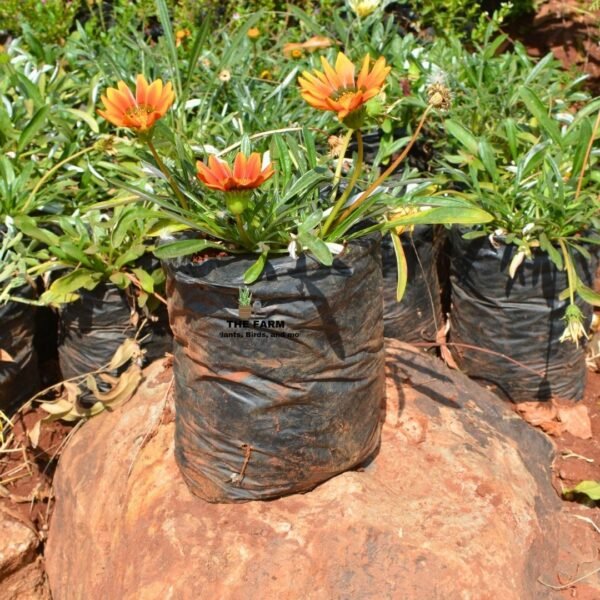
Gazania Plant Seedling in Kenya
Key Features of Gazania Seedlings
- Local Name: Gazania
- Scientific Name: Gazania rigens
- Growth Habit: Low-growing, spreading plant with large, daisy-like flowers
- Sunlight: Full sun
- Watering Needs: Regular watering when young; drought-tolerant once established
- Soil Type: Well-drained, sandy, or loamy soils; adaptable to poor soil conditions
- Maintenance Level: Low; minimal care required, deadhead spent blooms
- Ideal Temperature: 20°C - 35°C
- Uses: Borders, ground cover, rock gardens, containers, and hanging baskets
Use in Kenya
Gazania is widely used in Kenyan gardens due to its vibrant flowers and ability to withstand heat and drought. It is often seen brightening up garden borders, used as ground cover in rock gardens, or planted in containers to add color to patios and balconies. Its resilience and adaptability to Kenya’s sunny climate make it a favored choice for those seeking a colorful, low-maintenance garden. By planting Gazania seedlings, you add a cheerful, eye-catching element to your outdoor space that thrives with little effort.
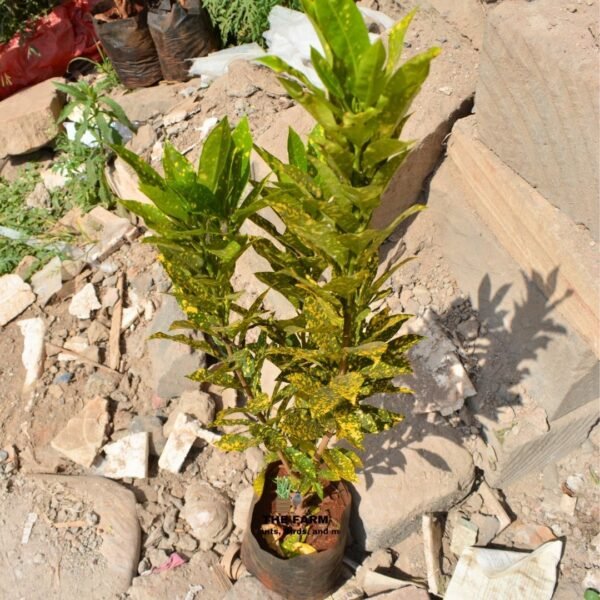
Gold Dust Croton Seedlings in Kenya
Key Features of Gold Dust Croton Seedlings
- Local Name: Gold Dust Croton
- Scientific Name: Codiaeum variegatum ‘Gold Dust’
- Growth Habit: Compact, bushy shrub with green leaves speckled with yellow spots
- Sunlight: Bright, indirect light; tolerates some morning sun but avoids harsh afternoon rays
- Watering Needs: Regular watering; keep soil moist but not waterlogged
- Soil Type: Well-drained, fertile soils with good organic content
- Maintenance Level: Low; occasional pruning of dead leaves and light cleaning
- Ideal Temperature: 18°C - 30°C
- Uses: Indoor plant, outdoor landscaping, decorative pots, patio and balcony displays
Use in Kenya
Gold Dust Croton is widely appreciated in Kenya for its vibrant appearance and adaptability. It is often used in garden borders, along walkways, or as a colorful feature in mixed plantings. Indoors, it brightens up living spaces with its dazzling foliage, making it a popular choice for homes, offices, and hotels. The plant’s ability to thrive in Kenya’s warm climate and its striking visual appeal make it a valuable addition to any garden or indoor plant collection. By planting Gold Dust Croton seedlings, you can create a lively and welcoming atmosphere that stands out all year round.
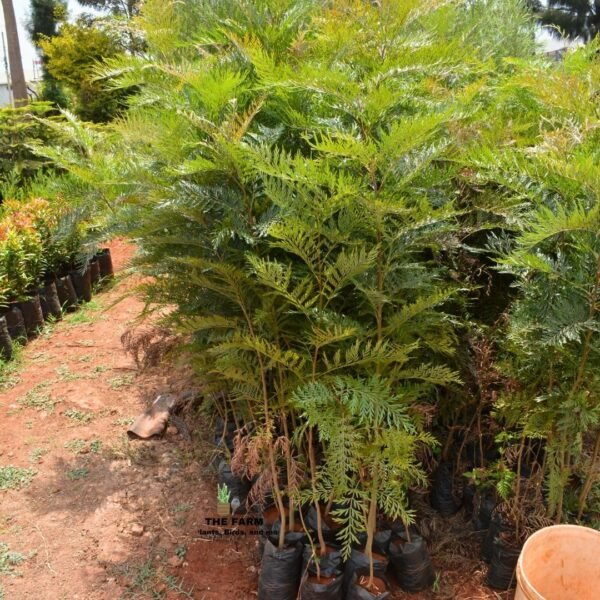
Green Grevillea Tree Seedling 3.5ft in Kenya
Key Features of Green Grevillea Tree Seedlings 3.5ft
- Perfect Size for Planting
- At 3.5ft tall, these seedlings are ideal for easy transplanting and rapid establishment in your garden.
- Vibrant Foliage and Unique Flowers
- Grevillea trees are known for their bright green foliage and striking, nectar-rich flowers that attract pollinators.
- Low Maintenance
- Requires minimal care once established; drought-tolerant and adaptable to various soil conditions.
- Eco-Friendly Benefits
- Supports biodiversity, reduces soil erosion, and sequesters carbon for environmental improvement.
- Versatile Uses
- Ideal for ornamental landscaping, privacy screens, and erosion control.
Use in Kenya
Grevillea seedlings are widely used across Kenya for both commercial and ecological purposes. They are commonly planted on farms to provide shade for coffee and tea, along boundaries as windbreaks, and in reforestation efforts to combat deforestation. The tree’s fast growth, versatility, and minimal care requirements make it an invaluable asset to Kenyan agriculture and environmental management. By planting Grevillea seedlings, you contribute to sustainable farming, protect your crops, and support Kenya’s green initiatives.
Hibiscus Flower Seedling in Kenya
Key Features of Hibiscus Flower Seedlings
- Local Name: Hibiscus
- Scientific Name: Hibiscus rosa-sinensis
- Growth Habit: Bushy shrub with large, colorful flowers and glossy green leaves
- Sunlight: Full sun to partial shade
- Watering Needs: Regular watering; keep soil moist but not waterlogged
- Soil Type: Well-drained, fertile soils with good organic content
- Maintenance Level: Low; occasional pruning after flowering
- Ideal Temperature: 18°C - 30°C
- Uses: Garden shrub, hedge, potted plant, ornamental feature, and tea production
Use in Kenya
Hibiscus is widely grown in Kenyan gardens, parks, and along walkways for its vibrant and attractive flowers. It is also a popular choice for potted displays on patios and balconies, where its colorful blooms can be enjoyed up close. The plant’s adaptability to Kenya’s climate, combined with its low-maintenance nature, makes it an ideal addition to any garden. By planting Hibiscus flower seedlings, you can create a lively and beautiful garden space that bursts with color and tropical appeal year-round.
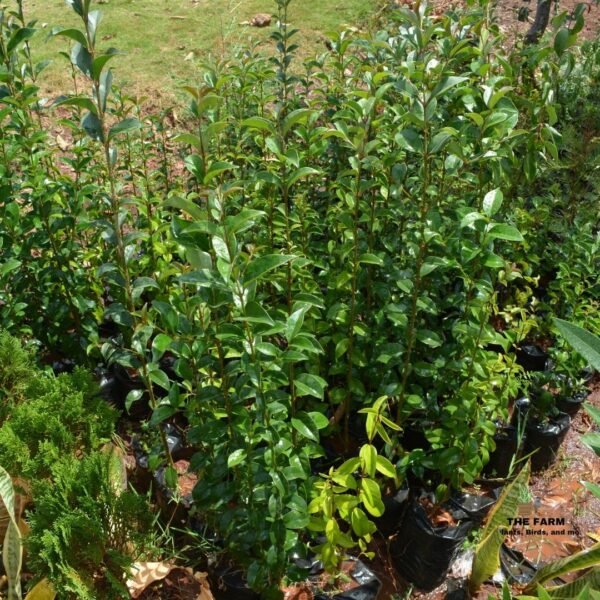
Ligustrum Ovalifolium Seedling in Kenya
Key Features of Ligustrum Ovalifolium Seedlings
- Common Name: Privet
- Scientific Name: Ligustrum ovalifolium
- Growth Habit: Dense, bushy shrub with glossy, oval-shaped leaves
- Sunlight: Full sun to partial shade
- Watering Needs: Regular watering when young; drought-tolerant once established
- Soil Type: Well-drained, fertile soils; adaptable to sandy and loamy conditions
- Maintenance Level: Low; regular pruning needed for shape and density
- Ideal Temperature: 15°C - 28°C
- Uses: Hedges, privacy screens, borders, ornamental shrub
Use in Kenya
Privet is widely used in Kenyan landscaping for its versatility and aesthetic value. It is often planted as a hedge along property lines, driveways, and garden borders to create a formal, manicured look. Its adaptability to Kenya’s diverse climates and its ability to thrive with minimal care make it a popular choice among homeowners and landscapers. By planting Ligustrum Ovalifolium seedlings, you are enhancing the beauty and functionality of your garden while contributing to a greener and healthier environment.
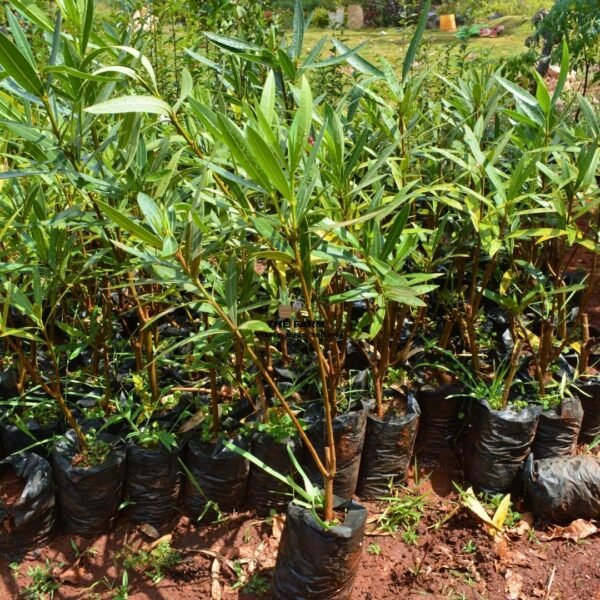
Oleander (Nerium Oleander) Seedling in Kenya
Key Features of Oleander Seedlings
- Local Name: Oleander
- Scientific Name: Nerium oleander
- Growth Habit: Evergreen shrub with dense foliage and fragrant, colorful flowers
- Sunlight: Full sun to partial shade
- Watering Needs: Regular watering when young; drought-tolerant once established
- Soil Type: Well-drained, sandy, or loamy soils; adaptable to poor soil conditions
- Maintenance Level: Low; light pruning after flowering
- Ideal Temperature: 20°C - 35°C
- Uses: Ornamental shrub, hedging, privacy screens, mixed garden beds
Use in Kenya
Oleander is widely planted in Kenya for its ornamental value and resilience in hot, dry conditions. It is often used along roadsides, in public parks, and in private gardens as a low-maintenance option that brings color and fragrance to outdoor spaces. Despite its beauty, it’s important to note that Oleander is toxic if ingested, so it should be planted with caution in areas accessible to pets and small children. Overall, Oleander remains a favored choice for Kenyan gardeners seeking a hardy, attractive shrub that stands up to the country’s climate challenges while enhancing the aesthetic appeal of their landscapes.


Reviews
There are no reviews yet.