


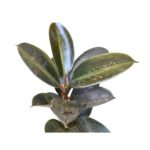


Rubber Plant seedling.
Original price was: KSh 3,899.00.KSh 2,499.00Current price is: KSh 2,499.00.
About the Rubber Plant
The Rubber Plant, scientifically known as Ficus elastica, is a popular houseplant that adds a touch of elegance and greenery to any indoor space. With its glossy, dark green leaves and attractive upright growth habit, it is not only aesthetically pleasing but also relatively easy to care for.
How to Grow a Rubber Plant
Growing a Rubber Plant requires attention to certain factors to ensure its healthy development:
Watering:
Water your Rubber Plant thoroughly when the top inch of the soil feels dry. Avoid overwatering, as it can lead to root rot. Ensure proper drainage to prevent waterlogging.
Soil:
Use well-draining, rich soil for your Rubber Plant. A mixture of peat moss, perlite, and potting soil works well.
Pruning:
Regular pruning helps maintain the desired shape and size of your Rubber Plant. Remove any dead or yellowing leaves, and trim back leggy growth to encourage bushier growth.
Propagation:
Propagating a Rubber Plant can be done through stem cuttings. Take a cutting with at least two leaves and place it in water or moist soil until it develops roots.
Sunlight:
Rubber Plants thrive in bright, indirect light. Avoid exposing them to direct sunlight, as it can scorch their leaves.
Fertilize:
Feed your Rubber Plant with a balanced, water-soluble fertilizer every two weeks during the growing season (spring and summer). Reduce fertilization frequency during the dormant period (fall and winter).
Diseases:
Common diseases that can affect Rubber Plants include leaf spot, root rot, and powdery mildew. Ensure proper watering and good air circulation to prevent these issues.
Time to Mature and Flowering:
A Rubber Plant can take several years to reach its full height, which can range from 6 to 10 feet. Mature plants may produce small, inconspicuous flowers, followed by small fruits.
Best Suited Location in the House:
The Rubber Plant thrives in bright, indirect light and can tolerate lower light conditions. It is best suited for rooms with east or west-facing windows, where it can receive filtered sunlight.
Benefits of the Rubber Plant as a Houseplant:
The Rubber Plant offers numerous benefits as a houseplant:
- Improved air quality: Rubber Plants help purify the air by removing toxins and releasing oxygen.
- Enhanced aesthetics: With its large, glossy leaves, the Rubber Plant adds a touch of beauty and elegance to any indoor space.
- Easy to care for: The Rubber Plant is relatively low-maintenance and can tolerate a range of conditions.
- Stress reduction: Being around plants, including the Rubber Plant, has been shown to reduce stress and promote a sense of well-being.
Where to Buy a Rubber Plant in Kenya
If you’re looking to buy a Rubber Plant in Kenya, you can visit thefarm.co.ke. They offer a wide selection of high-quality Rubber Plants, and you can conveniently order online and have them delivered to your doorstep.
| Weight | 15 kg |
|---|---|
| plant type | Rubber plant |
Only logged in customers who have purchased this product may leave a review.
You may also like…


Related products


Alocasia Micholitziana ‘Frydek’ (Green Velvet) seedling.
Key Features of Alocasia Micholitziana 'Frydek'
- Velvety Texture The standout feature of Alocasia ‘Frydek’ is its soft, velvety leaves. The deep green foliage contrasts beautifully with the sharp white veins, creating an eye-catching display that adds luxury and elegance to any indoor space.
- Arrow-Shaped Leaves The large, arrow-shaped leaves are one of the most distinctive characteristics of this plant. Each leaf can grow up to 18 inches long, making it a striking addition to any plant collection. The unique shape, combined with the velvet texture, gives it a sculptural quality that adds depth and dimension to any room.
- Compact Growth Unlike some other Alocasias, the ‘Frydek’ tends to maintain a more compact growth habit, reaching around 2 to 3 feet tall indoors. This makes it an ideal choice for homes or apartments with limited space.
- Tuberous Growth Alocasia ‘Frydek’ grows from underground tubers, which store nutrients and help the plant survive during periods of dormancy. These tubers also make it easy to propagate the plant, either by dividing the tubers or growing new plants from cuttings.
- Dormancy Like many tropical plants, Alocasia ‘Frydek’ may enter a period of dormancy in the winter. During this time, its growth may slow down, and it may even lose some leaves. This is normal, and the plant will resume growth in the spring. Reduce watering during this period and avoid fertilization.
- Toxicity It's important to note that Alocasia ‘Frydek’ is toxic to both pets and humans if ingested. The plant contains calcium oxalate crystals, which can cause irritation, swelling, and discomfort in the mouth and throat. Be sure to keep it out of reach of curious pets and small children.


Angel wing begonia seedlings
Key Features
- Brown Foliage: Features glossy, brown leaves that add a bold and elegant contrast to gardens and containers, complementing the bright blooms.
- Vibrant Flowers: Produces blooms in shades of red, pink, white, or orange, standing out beautifully against the brown foliage.
- Compact Growth: Ideal for borders, pots, and hanging baskets, making it versatile for different planting locations.
- Low Maintenance: Easy to care for, making it perfect for beginner and busy gardeners alike.
- Adaptable Placement: Suitable for both indoor and outdoor environments, offering flexibility in use.


Coleus in Kenya
Key Features of Coleus
- Local Name: Mbarika
- Scientific Name: Coleus blumei or Plectranthus scutellarioides
- Growth Habit: Bushy, with a wide range of leaf colors and patterns
- Sunlight: Partial to full shade
- Watering Needs: Regular watering; keep the soil moist but not soggy
- Soil Type: Well-drained, fertile, loamy soil
- Maintenance Level: Low
- Ideal Temperature: 18°C - 30°C
- Propagation: Easy from cuttings
Use in Kenya
Coleus is a popular plant in Kenyan homes, gardens, and landscapes, often used to add color and texture to outdoor and indoor settings. Its ease of growth and maintenance makes it a preferred choice for anyone looking to brighten up their space with minimal effort. The local love for Mbarika continues to grow, as it not only beautifies spaces but also embodies the vibrant spirit of Kenyan gardening culture.
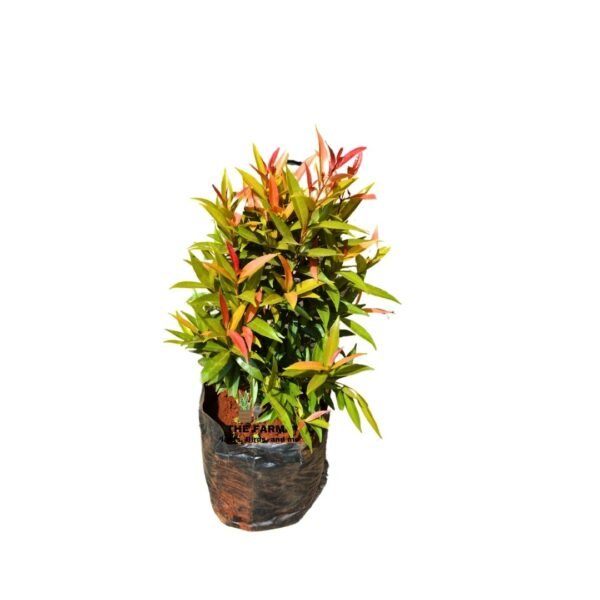


Song of India Seedlings
Key Features
- Height of 4 feet: These seedlings provide an immediate visual impact, perfect for filling empty spaces or creating a focal point.
- Variegated Leaves: The plant’s bright green and yellow-striped leaves offer a vibrant and lush look, adding elegance to any setting.
- Adaptable Growth: Suitable for indoor pots, patios, or outdoor gardens, giving flexibility in display and placement.
- Air-Purifying Qualities: Known for filtering indoor air, improving the overall environment of your space.
- Low Maintenance: This resilient plant requires minimal care, making it suitable for busy individuals or those new to gardening.


Reviews
There are no reviews yet.