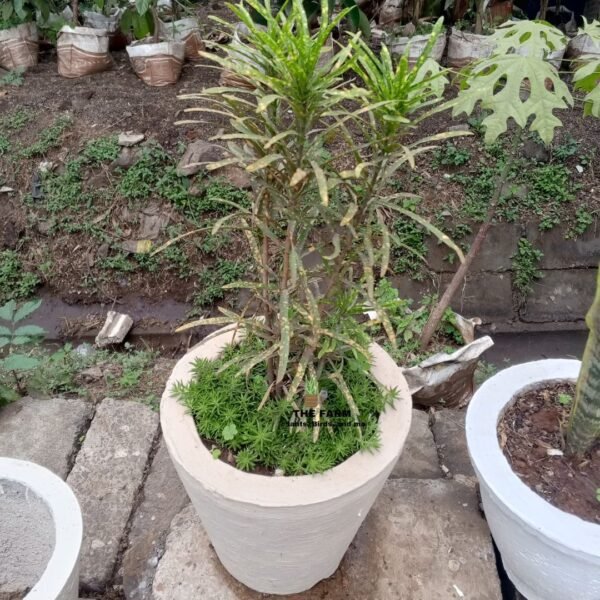
Philodendron Rugosum
KSh 4,000.00 Original price was: KSh 4,000.00.KSh 2,499.00Current price is: KSh 2,499.00.
⭐ Key Features
🟢 Thick, quilted leaves resembling pigskin—truly one of a kind
🪴 Slow-growing, making it manageable and easy to maintain
🔒 Hardy and disease-resistant, especially in controlled indoor conditions
🌍 Rare species, perfect for plant collectors or unique gift ideas
🌿 Can be grown in pots, decorative planters, or hanging baskets
🌿 Product Description
Bring a touch of the exotic into your indoor space with the Philodendron rugosum, also nicknamed the “Pigskin Philodendron” for its thick, leathery leaves. Native to the cloud forests of Ecuador, this rare aroid is a collector’s dream—unique, durable, and low-maintenance. Whether you’re styling your living room, office, or shaded balcony in Kenya, this plant adds texture and bold character wherever it grows.
✅ Benefits
Air Purifying: Helps remove indoor toxins and purify your air naturally.
Petite Footprint: Compact but impactful—great for apartments or small spaces.
Low-Maintenance: Thrives with minimal fuss, perfect for beginners or busy plant parents.
Decor Boost: Its quirky, textured leaves create a visual statement in any room.
🌱 Growth Conditions
Light: Bright, indirect light. Tolerates medium light but avoid direct sun.
Water: Water when top 2-3cm of soil feels dry. Do not overwater.
Humidity: Loves high humidity—mist often or place near a humidifier.
Temperature: Thrives in Kenyan indoor temperatures of 18°C–26°C. Keep away from cold drafts.
Soil: Well-draining aroid mix or peat-based potting soil with perlite or bark.
| plant type | Philodendron plants in kenya |
|---|
Only logged in customers who have purchased this product may leave a review.
You may also like…
Aglaonema houseplant seedling.
Alkeria Tree (4 ft) in Kenya seedling.
Key Features of the Alkeria Tree
- Rapid Growth: The Alkeria tree grows quickly, reaching up to 4 feet in a relatively short time, making it ideal for reforestation and soil stabilization projects.
- Drought Tolerance: With its resilience in dry conditions, the Alkeria tree is well-suited for arid and semi-arid areas, requiring minimal water once established.
- Soil Enrichment: Known for improving soil fertility, the Alkeria tree adds organic matter, enhancing soil health and benefiting surrounding plants.
- Carbon Absorption: High carbon sequestration ability makes it effective in reducing carbon footprint, contributing positively to climate change mitigation.
- Biodiversity Support: Provides a habitat and food source for various wildlife species, promoting biodiversity and supporting local ecosystems.
- Adaptability: Grows well in a variety of soils and climates, making it versatile for different Kenyan landscapes, from highlands to plains.
- Low Maintenance: Once established, the tree requires minimal upkeep, making it a practical choice for long-term sustainability projects.
Aloe Vera Plant Seedlings
Key Features of Aloe Vera Plant Seedlings
- Medicinal Properties: Aloe vera gel is rich in vitamins, antioxidants, and anti-inflammatory compounds.
- Drought Tolerance: Thrives in arid and semi-arid climates, making it ideal for Kenya’s drier regions.
- Compact and Low Maintenance: Requires minimal care and can grow in limited space.
- Fast Growth: Establishes quickly and produces harvestable leaves within 8–12 months.
- Eco-Friendly: Contributes to soil conservation and requires minimal water.
Apple Mango Seedling
Key Features:
✅ Sweet, Fiberless Flesh – Premium-quality mango with rich taste.
✅ Fast-Growing & High-Yield – Produces abundant fruit within a few years.
✅ Drought-Tolerant & Low Maintenance – Thrives in warm climates.
✅ Highly Nutritious – Packed with vitamins, minerals, and antioxidants.
✅ Marketable & Profitable – Ideal for commercial mango farming.
Apple Tree Seedlings
Key Features
- High Yield Potential: Produces an abundance of fresh apples once matured.
- Long-Lasting: Apple trees are perennial and can live for decades with proper care.
- Variety Options: Available in different cultivars, from sweet Fuji to tart Granny Smith.
- Wildlife Friendly: Attracts pollinators and provides habitat for birds.
- Eco-Friendly: Supports biodiversity and reduces reliance on store-bought produce.
Plant your apple tree seedlings today and enjoy the rewards of fresh, homegrown fruit while enhancing your outdoor space. Create your orchard and savor the timeless joy of apple picking! 🍎🌳
Related products
Aglaonema Pearl in a Spherical Fiber Glass Planter
Key Features of the Aglaonema Pearl in a Spherical Fiber Glass Planter
- Striking variegated leaves with silver, green, and cream hues
- Low-light tolerance, ideal for indoor spaces
- Low-maintenance care with minimal watering needs
- Air-purifying properties for a healthier environment
- Sleek and durable spherical fiber glass planter
- Perfect for homes and offices in Kenya
Alocasia Wentii in a Concrete Pot
Key Features
- Striking Foliage: Features large, glossy, deep green leaves with a bronze underside, creating a bold and dramatic visual effect.
- Compact and Elegant: The plant’s compact growth habit makes it suitable for indoor tables, corners, or outdoor patios.
- Concrete Pot Design: The modern concrete pot enhances the plant’s aesthetic, providing stability and complementing a variety of interior styles.
- Low Maintenance: Easy to care for, making it an excellent choice for both beginners and experienced gardeners.
- Air Purifying: Naturally filters the air, contributing to a fresher and healthier indoor environment.
Coleus in Kenya
Key Features of Coleus
- Local Name: Mbarika
- Scientific Name: Coleus blumei or Plectranthus scutellarioides
- Growth Habit: Bushy, with a wide range of leaf colors and patterns
- Sunlight: Partial to full shade
- Watering Needs: Regular watering; keep the soil moist but not soggy
- Soil Type: Well-drained, fertile, loamy soil
- Maintenance Level: Low
- Ideal Temperature: 18°C - 30°C
- Propagation: Easy from cuttings
Use in Kenya
Coleus is a popular plant in Kenyan homes, gardens, and landscapes, often used to add color and texture to outdoor and indoor settings. Its ease of growth and maintenance makes it a preferred choice for anyone looking to brighten up their space with minimal effort. The local love for Mbarika continues to grow, as it not only beautifies spaces but also embodies the vibrant spirit of Kenyan gardening culture.
Cordyline Plant (Good Luck Plant)
Introduction
The Cordyline, or Good Luck Plant, is a versatile, low-maintenance plant known for its stunning foliage and association with positive energy and fortune. Whether placed in a garden, patio, or home, this vibrant plant adds a splash of color and tropical flair to any space.
Benefits
- Aesthetic Appeal: The vivid, colorful leaves make Cordyline an excellent decorative plant for brightening up gardens and indoor spaces.
- Symbolism: Considered a good luck charm, it's often planted around homes for protection and prosperity.
- Low Maintenance: Cordyline requires minimal care, making it ideal for both experienced gardeners and beginners.
- Air Purifier: When kept indoors, it helps purify the air by filtering out harmful toxins, enhancing indoor air quality.
- Variety: With several species and color variations, Cordyline offers flexibility in landscape design or home decoration.
Conditions for Optimal Growth
- Soil: Prefers well-draining, slightly acidic soil, rich in organic matter.
- Sunlight: Thrives in bright, indirect sunlight. Outdoors, it prefers partial shade, but some species can tolerate full sun.
- Watering: Needs regular watering, particularly during the growing season (spring and summer). Allow the soil to dry slightly between waterings to avoid root rot.
- Temperature: Warm, humid conditions are ideal, though it can tolerate temperatures down to 60°F (16°C). Frost or cold drafts should be avoided.
- Fertilization: Use a balanced liquid fertilizer during the growing season to promote healthy foliage growth.
Conclusion
The Cordyline, or Good Luck Plant, is a highly decorative and meaningful plant that enhances any garden or home with its vibrant colors and tropical charm. Whether you seek its aesthetic value or its cultural significance as a symbol of prosperity, this low-maintenance plant is sure to bring beauty and positivity to your space. With proper care, the Cordyline will thrive and flourish, continuing to bring joy and good luck for years to come.
Croton Plant
Introduction
The Croton plant is a stunning and bold addition to any garden or indoor plant collection. Known for its vibrant, multicolored leaves, this tropical beauty brings an explosion of color and life to any space. Its variety of leaf shapes and striking hues make it a favorite among plant enthusiasts looking for something unique and eye-catching.
Benefits
- Aesthetic Appeal: The vibrant colors and varied leaf shapes of Croton make it an excellent choice for adding visual interest to gardens or homes.
- Air Purification: Croton helps filter indoor air, improving air quality by removing pollutants like formaldehyde and benzene.
- Low Maintenance: Despite its dramatic appearance, Croton requires relatively little care once its growing conditions are met.
- Versatile Use: It can be grown as a houseplant, or in outdoor gardens as a border or accent plant.
- Durable: With proper care, Croton can be a long-lasting, robust plant that provides year-round color.
Conditions for Optimal Growth
- Soil: Croton prefers well-draining soil rich in organic matter. A mix of peat-based potting soil or loamy soil works best.
- Sunlight: Bright, indirect light is essential for Croton to maintain its vivid colors. While it can tolerate some shade, lack of light can dull its foliage.
- Watering: Keep the soil evenly moist but not waterlogged. Crotons like high humidity, so misting the plant occasionally helps. Allow the top layer of soil to dry between waterings.
- Temperature: Best grown in warm environments between 60°F and 85°F (16°C to 29°C). Avoid cold drafts and temperatures below 50°F (10°C), as Croton is sensitive to cold.
- Fertilization: Feed with a balanced liquid fertilizer once a month during the growing season (spring and summer). Reduce feeding in fall and winter.
Conclusion
The Croton plant is a bold, eye-catching option for anyone looking to add color and texture to their garden or home. Its dazzling foliage, combined with its low maintenance needs, makes it an ideal choice for both indoor and outdoor gardening. With proper care, the Croton plant will reward you with vivid, ever-changing colors, providing year-round tropical beauty to any space.
Eugenia Plant
Introduction
The Eugenia plant is a beautiful, evergreen shrub that is prized for its ability to be shaped into intricate designs or used as a lush hedge. Its fast growth and ease of maintenance make it a favorite for landscaping, while its small fruits offer a delightful, edible bonus.
Benefits
- Ornamental Appeal: The plant's dense, glossy foliage is perfect for creating formal gardens, privacy screens, or decorative topiaries.
- Edible Fruits: Some species produce small, cherry-like fruits that are both ornamental and edible, adding a unique touch to the garden.
- Low Maintenance: Once established, Eugenia requires minimal care and is resistant to most pests and diseases.
- Versatile Landscaping: It can be grown as a hedge, privacy screen, container plant, or topiary, adding greenery to a variety of spaces.
- Fast Growth: It’s a great option for those looking to quickly fill out hedges or create a green backdrop in their gardens.
Conditions for Optimal Growth
- Soil: Prefers well-draining soil rich in organic matter. It can tolerate a variety of soils but thrives in slightly acidic conditions.
- Sunlight: Grows best in full sun to partial shade. For optimal growth and fruit production, provide at least 6 hours of sunlight daily.
- Watering: Regular watering is required, especially during the growing season. Allow the soil to dry slightly between waterings to prevent waterlogging.
- Temperature: Best suited for warm, tropical, and subtropical climates (USDA zones 9-11). It can tolerate mild frost but should be protected from freezing temperatures.
- Pruning: Prune regularly to maintain shape, especially when used for topiaries or hedging. Pruning encourages denser growth and helps control its size.
Conclusion
The Eugenia plant is a fantastic choice for gardeners looking for a versatile, fast-growing shrub that serves both ornamental and practical purposes. Its lush, evergreen foliage and ease of pruning make it perfect for hedging, topiary, or container gardening, while its edible fruits add an extra layer of interest. With the right care, the Eugenia plant can be a beautiful and functional addition to any landscape.
Hibiscus Flower Seedling in Kenya
Key Features of Hibiscus Flower Seedlings
- Local Name: Hibiscus
- Scientific Name: Hibiscus rosa-sinensis
- Growth Habit: Bushy shrub with large, colorful flowers and glossy green leaves
- Sunlight: Full sun to partial shade
- Watering Needs: Regular watering; keep soil moist but not waterlogged
- Soil Type: Well-drained, fertile soils with good organic content
- Maintenance Level: Low; occasional pruning after flowering
- Ideal Temperature: 18°C - 30°C
- Uses: Garden shrub, hedge, potted plant, ornamental feature, and tea production
Use in Kenya
Hibiscus is widely grown in Kenyan gardens, parks, and along walkways for its vibrant and attractive flowers. It is also a popular choice for potted displays on patios and balconies, where its colorful blooms can be enjoyed up close. The plant’s adaptability to Kenya’s climate, combined with its low-maintenance nature, makes it an ideal addition to any garden. By planting Hibiscus flower seedlings, you can create a lively and beautiful garden space that bursts with color and tropical appeal year-round.


Reviews
There are no reviews yet.