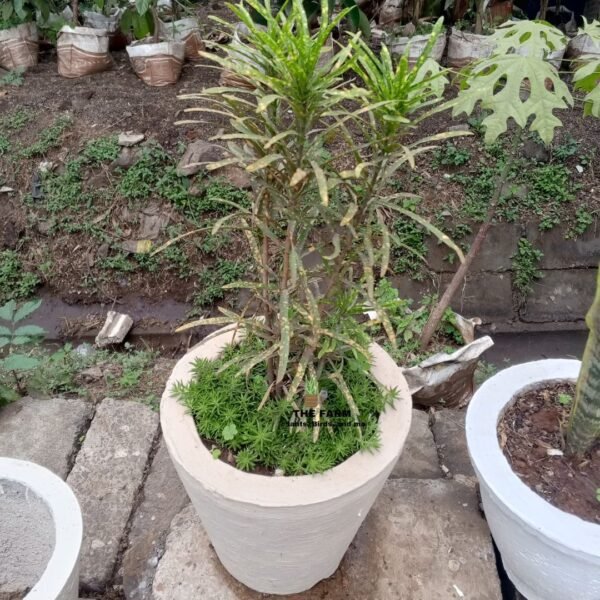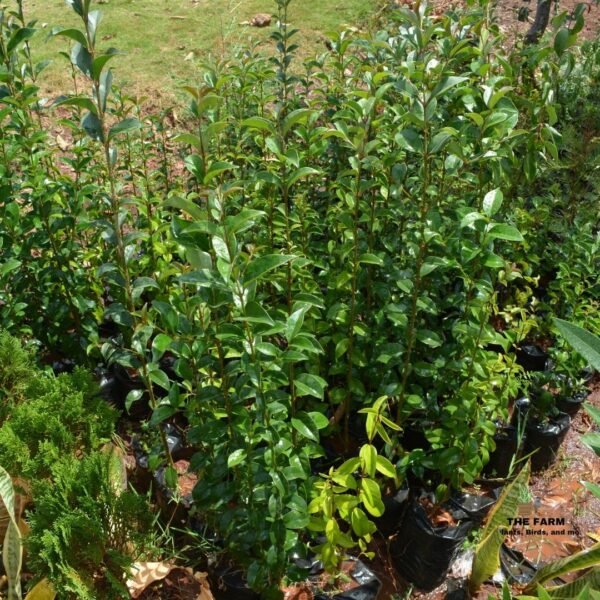


Cordyline Fruticosa Seedling
KSh 700.00 Original price was: KSh 700.00.KSh 499.00Current price is: KSh 499.00.
Key Features
- Colorful Foliage: Features vibrant, multi-colored leaves in shades of green, pink, red, and purple, adding a tropical flair.
- Compact Size: Ideal for small pots or garden beds, making it suitable for various planting arrangements.
- Versatile Placement: Can be grown indoors or outdoors, providing flexibility in design and style.
- Low Maintenance: Requires minimal care, making it perfect for beginners or those with busy lifestyles.
- Air Purifying: Helps improve indoor air quality, contributing to a healthier environment
Introduction
The Cordyline Fruticosa, also known as the Ti plant, is a vibrant tropical plant appreciated for its colorful foliage and striking appearance. As a seedling, it offers a great start for plant enthusiasts looking to introduce exotic beauty to their indoor or outdoor spaces. With its easy-care nature and ornamental appeal, the Cordyline Fruticosa is perfect for enhancing any garden, patio, or home interior.
Benefits
- Ornamental Appeal: Its vibrant, colorful foliage makes it a stunning decorative element in any space.
- Air Quality Improvement: The Cordyline Fruticosa is known to purify the air, enhancing the health and ambiance of indoor areas.
- Versatile Growth: Can be used as a focal point in gardens or as a potted plant indoors for year-round beauty.
- Tropical Vibe: Brings a touch of the tropics, transforming any setting into a lush, green oasis.
- Stress Relief: Caring for plants like the Cordyline has been shown to reduce stress and improve mood.
Growth Conditions
- Light: Prefers bright, indirect sunlight but can tolerate partial shade. Direct sunlight enhances its leaf color vibrancy.
- Water: Water moderately, keeping the soil moist but not waterlogged. Allow the top inch of soil to dry out between waterings.
- Temperature: Thrives in warm temperatures between 20°C and 30°C. Protect from cold temperatures and drafts.
- Humidity: Enjoys high humidity; mist regularly or place near a humidifier when grown indoors.
- Soil: Best grown in well-draining potting mix enriched with organic matter for healthy growth.
Conclusion
The Cordyline Fruticosa seedling is an ideal choice for those looking to add a splash of color and a tropical touch to their spaces. With its vibrant foliage, air-purifying properties, and easy-care nature, it’s a perfect addition for both indoor and outdoor environments. Whether you’re a novice gardener or an expert, the Cordyline Fruticosa offers beauty and environmental benefits.
| plant type | Cordyline plants |
|---|
Only logged in customers who have purchased this product may leave a review.
Related products
Alkeria Tree (4 ft) in Kenya seedling.
Key Features of the Alkeria Tree
- Rapid Growth: The Alkeria tree grows quickly, reaching up to 4 feet in a relatively short time, making it ideal for reforestation and soil stabilization projects.
- Drought Tolerance: With its resilience in dry conditions, the Alkeria tree is well-suited for arid and semi-arid areas, requiring minimal water once established.
- Soil Enrichment: Known for improving soil fertility, the Alkeria tree adds organic matter, enhancing soil health and benefiting surrounding plants.
- Carbon Absorption: High carbon sequestration ability makes it effective in reducing carbon footprint, contributing positively to climate change mitigation.
- Biodiversity Support: Provides a habitat and food source for various wildlife species, promoting biodiversity and supporting local ecosystems.
- Adaptability: Grows well in a variety of soils and climates, making it versatile for different Kenyan landscapes, from highlands to plains.
- Low Maintenance: Once established, the tree requires minimal upkeep, making it a practical choice for long-term sustainability projects.
Black Begonia Seedling in Kenya
Key Features of Black Begonia Seedlings
- Local Name: Black Begonia
- Scientific Name: Begonia rex or Begonia pavonina
- Growth Habit: Compact, bushy plant with dark, often metallic-shimmering leaves
- Sunlight: Indirect or filtered light; avoid direct sunlight
- Watering Needs: Regular watering; keep soil consistently moist but not waterlogged
- Soil Type: Well-drained, rich organic soil; prefers a mix of peat, perlite, and compost
- Maintenance Level: Low; occasional leaf cleaning and pruning of spent leaves
- Ideal Temperature: 18°C - 25°C
- Uses: Indoor plant, shaded garden spots, containers, and mixed plantings
Use in Kenya
Black Begonia is widely used in Kenyan homes, offices, and shaded garden spaces for its dramatic foliage and easy maintenance. It’s perfect for those looking to enhance indoor aesthetics with a unique, eye-catching plant that requires minimal care. In gardens, it is often used in shaded borders or under larger trees where its dark leaves create a striking contrast with lighter foliage. By planting Black Begonia seedlings, you add a touch of sophistication and elegance to your green spaces, making it a standout feature in any environment.
Coleus Seedling
Key Features of Coleus
- Local Name: Mbarika
- Scientific Name: Coleus blumei or Plectranthus scutellarioides
- Growth Habit: Bushy, with a wide range of leaf colors and patterns
- Sunlight: Partial to full shade
- Watering Needs: Regular watering; keep the soil moist but not soggy
- Soil Type: Well-drained, fertile, loamy soil
- Maintenance Level: Low
- Ideal Temperature: 18°C - 30°C
- Propagation: Easy from cuttings
Use in Kenya
Coleus is a popular plant in Kenyan homes, gardens, and landscapes, often used to add color and texture to outdoor and indoor settings. Its ease of growth and maintenance makes it a preferred choice for anyone looking to brighten up their space with minimal effort. The local love for Mbarika continues to grow, as it not only beautifies spaces but also embodies the vibrant spirit of Kenyan gardening culture.
Cordyline Fruticosa Seedlings in Kenya
Key Features of Cordyline Fruticosa Seedlings (Mti Wa Maisha or Ti Plant)
- Local Name: Mti Wa Maisha or Ti Plant
- Scientific Name: Cordyline fruticosa
- Growth Habit: Upright, bushy plant with long, colorful leaves
- Sunlight: Partial shade to full sun
- Watering Needs: Moderate; keep soil moist but not waterlogged
- Soil Type: Well-drained, loamy soil enriched with organic matter
- Maintenance Level: Low; occasional pruning for optimal appearance
- Ideal Temperature: 20°C - 30°C
- Uses: Ornamental plant, indoor decoration, garden borders, cultural significance
Use in Kenya
In Kenya, Cordyline fruticosa is widely used in both outdoor and indoor landscapes due to its vibrant leaves and adaptability to different environments. Its ability to tolerate partial shade makes it ideal for areas under trees or alongside walls. As a popular ornamental plant, it is often used in gardens, along pathways, or as a potted plant to enhance patios and balconies. Mti Wa Maisha is also culturally significant in some Kenyan communities, symbolizing life and good fortune when planted near homes.
Croton Plant
Introduction
The Croton plant is a stunning and bold addition to any garden or indoor plant collection. Known for its vibrant, multicolored leaves, this tropical beauty brings an explosion of color and life to any space. Its variety of leaf shapes and striking hues make it a favorite among plant enthusiasts looking for something unique and eye-catching.
Benefits
- Aesthetic Appeal: The vibrant colors and varied leaf shapes of Croton make it an excellent choice for adding visual interest to gardens or homes.
- Air Purification: Croton helps filter indoor air, improving air quality by removing pollutants like formaldehyde and benzene.
- Low Maintenance: Despite its dramatic appearance, Croton requires relatively little care once its growing conditions are met.
- Versatile Use: It can be grown as a houseplant, or in outdoor gardens as a border or accent plant.
- Durable: With proper care, Croton can be a long-lasting, robust plant that provides year-round color.
Conditions for Optimal Growth
- Soil: Croton prefers well-draining soil rich in organic matter. A mix of peat-based potting soil or loamy soil works best.
- Sunlight: Bright, indirect light is essential for Croton to maintain its vivid colors. While it can tolerate some shade, lack of light can dull its foliage.
- Watering: Keep the soil evenly moist but not waterlogged. Crotons like high humidity, so misting the plant occasionally helps. Allow the top layer of soil to dry between waterings.
- Temperature: Best grown in warm environments between 60°F and 85°F (16°C to 29°C). Avoid cold drafts and temperatures below 50°F (10°C), as Croton is sensitive to cold.
- Fertilization: Feed with a balanced liquid fertilizer once a month during the growing season (spring and summer). Reduce feeding in fall and winter.
Conclusion
The Croton plant is a bold, eye-catching option for anyone looking to add color and texture to their garden or home. Its dazzling foliage, combined with its low maintenance needs, makes it an ideal choice for both indoor and outdoor gardening. With proper care, the Croton plant will reward you with vivid, ever-changing colors, providing year-round tropical beauty to any space.
Hibiscus Flower Seedling in Kenya
Key Features of Hibiscus Flower Seedlings
- Local Name: Hibiscus
- Scientific Name: Hibiscus rosa-sinensis
- Growth Habit: Bushy shrub with large, colorful flowers and glossy green leaves
- Sunlight: Full sun to partial shade
- Watering Needs: Regular watering; keep soil moist but not waterlogged
- Soil Type: Well-drained, fertile soils with good organic content
- Maintenance Level: Low; occasional pruning after flowering
- Ideal Temperature: 18°C - 30°C
- Uses: Garden shrub, hedge, potted plant, ornamental feature, and tea production
Use in Kenya
Hibiscus is widely grown in Kenyan gardens, parks, and along walkways for its vibrant and attractive flowers. It is also a popular choice for potted displays on patios and balconies, where its colorful blooms can be enjoyed up close. The plant’s adaptability to Kenya’s climate, combined with its low-maintenance nature, makes it an ideal addition to any garden. By planting Hibiscus flower seedlings, you can create a lively and beautiful garden space that bursts with color and tropical appeal year-round.
Ligustrum Ovalifolium Seedling in Kenya
Key Features of Ligustrum Ovalifolium Seedlings
- Common Name: Privet
- Scientific Name: Ligustrum ovalifolium
- Growth Habit: Dense, bushy shrub with glossy, oval-shaped leaves
- Sunlight: Full sun to partial shade
- Watering Needs: Regular watering when young; drought-tolerant once established
- Soil Type: Well-drained, fertile soils; adaptable to sandy and loamy conditions
- Maintenance Level: Low; regular pruning needed for shape and density
- Ideal Temperature: 15°C - 28°C
- Uses: Hedges, privacy screens, borders, ornamental shrub
Use in Kenya
Privet is widely used in Kenyan landscaping for its versatility and aesthetic value. It is often planted as a hedge along property lines, driveways, and garden borders to create a formal, manicured look. Its adaptability to Kenya’s diverse climates and its ability to thrive with minimal care make it a popular choice among homeowners and landscapers. By planting Ligustrum Ovalifolium seedlings, you are enhancing the beauty and functionality of your garden while contributing to a greener and healthier environment.
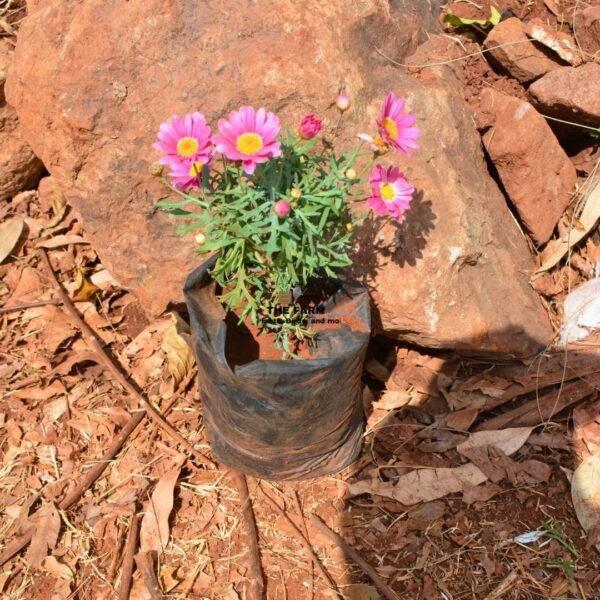
Marguerite Daisy Seedling in Kenya
Key Features of Marguerite Daisy Seedlings (Daisy)
- Local Name: Daisy
- Scientific Name: Argyranthemum frutescens
- Growth Habit: Bushy, upright plant with daisy-like flowers
- Sunlight: Full sun
- Watering Needs: Regular watering; drought-tolerant once established
- Soil Type: Well-drained, fertile soils with moderate moisture content
- Maintenance Level: Low; deadheading and light pruning recommended
- Ideal Temperature: 15°C - 25°C
- Uses: Garden beds, borders, containers, low hedges, and ornamental displays
Use in Kenya
In Kenya, Marguerite Daisies are often used to brighten gardens, driveways, and patios. Their ability to bloom profusely even in warm climates makes them a common choice for gardeners looking for low-maintenance, high-impact flowers. These plants also do well in pots, allowing gardeners to enjoy their cheerful blooms on balconies or verandas. With Marguerite Daisy seedlings, you can add lasting beauty and charm to your garden spaces with minimal effort.


Reviews
There are no reviews yet.