


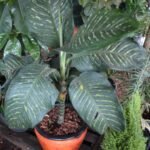

Conifer Seedlings
Original price was: KSh 1,500.00.KSh 999.00Current price is: KSh 999.00.
Key Features of Conifer Seedlings:
- Evergreen Foliage: Retains vibrant green leaves throughout the year, adding consistency to landscapes.
- Fast-Growing Varieties: Many conifer species grow quickly, ideal for landscaping and boundary purposes.
- Versatile Use: Suitable for windbreaks, hedges, ornamental purposes, and reforestation projects.
- Resilience: Adapts to diverse soils and climatic conditions, including semi-arid regions in Kenya.
- Carbon Sequestration: Helps in absorbing CO2, contributing to a cleaner and healthier environment.
Introduction
Conifer seedlings are evergreen plants that are ideal for enhancing landscapes, creating windbreaks, or establishing boundary lines. Known for their needle-like foliage and year-round greenery, conifers thrive in diverse conditions, making them an excellent choice for Kenyan farmers, landscapers, and gardeners. These seedlings are easy to plant, low maintenance, and offer both aesthetic and practical benefits, such as erosion control and carbon sequestration.
Benefits of Conifer Seedlings:
- Landscaping Beauty: Enhances the aesthetic appeal of gardens, parks, and commercial spaces.
- Windbreak and Shelter: Acts as a barrier against strong winds, protecting crops and properties.
- Environmental Conservation: Prevents soil erosion, improves soil quality, and promotes biodiversity.
- Low Maintenance: Requires minimal watering and care once established.
- Economic Opportunity: Conifer trees are highly sought after for timber, furniture, and paper production.
Conditions for Optimal Growth:
- Soil: Thrives in well-drained, loamy soil enriched with organic matter.
- Sunlight: Requires full sun or partial shade for healthy growth.
- Watering: Moderate watering during the establishment phase; drought-tolerant once mature.
- Spacing: Plant seedlings 2–3 meters apart for hedges or 4–6 meters apart for timber production.
- Temperature: Adapts well to Kenya’s temperate and highland regions; tolerates cooler climates.
- Pest and Disease Management: Regular inspection prevents common issues like aphids and fungal infections.
Care Tips:
- Fertilization: Apply a balanced fertilizer during the growing season to enhance growth.
- Pruning: Regularly trim young plants to shape them and encourage denser growth.
- Mulching: Use organic mulch around the base to retain moisture and suppress weeds.
- Protection: Shield young seedlings from livestock and harsh weather conditions.
Conclusion:
Conifer seedlings are a versatile and sustainable choice for Kenyan landscapes, offering year-round greenery, aesthetic value, and practical benefits. Whether you’re planting them for ornamental purposes, windbreaks, or reforestation projects, these evergreen plants are easy to grow and require minimal maintenance. Invest in conifer seedlings today and enjoy their beauty and utility for generations to come!
Only logged in customers who have purchased this product may leave a review.
You may also like…
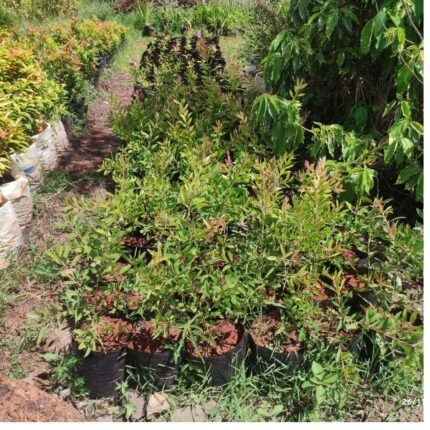
1ft Bottle Brush Tree Seedlings
Key Features of Bottle Brush Tree Seedlings
- Sizes for All Needs: Available from 1ft to 5ft, catering to gardeners and landscapers alike.
- Low Maintenance: Easy to care for, drought-tolerant, and pest-resistant.
- Year-Round Greenery: Evergreen foliage adds beauty and structure to any garden.
- Pollinator-Friendly: Attracts bees, butterflies, and birds to support biodiversity.
- Eco-Friendly Benefits: Improves air quality and stabilizes soil.
Conclusion
Bottle Brush Tree Seedlings 1ft are an exceptional choice for anyone looking to add vibrant color, charm, and environmental benefits to their garden or landscape. With their stunning red flowers, year-round greenery, and pollinator-friendly nature, these trees provide beauty and functionality for years to come.
By providing the right growing conditions—such as well-draining soil, full sunlight, and proper watering—you can enjoy the vibrant blossoms and lush foliage of these remarkable trees.

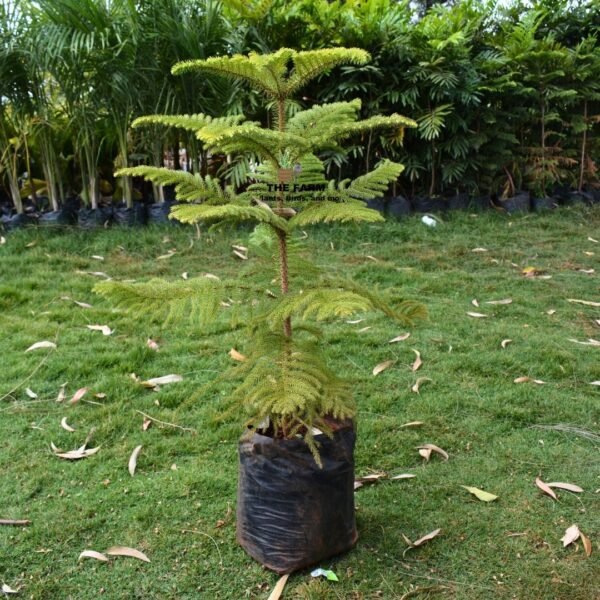
Alkeria Tree Seedling
Key Features of Alkeria Tree Seedlings
- Fast-Growing: Alkeria tree seedlings are known for their rapid growth rate, making them ideal for reforestation and landscaping projects that require quick vegetation coverage.
- Resilient to Various Soil Types: These seedlings adapt well to a range of soil conditions, though they thrive best in fertile, well-draining soil rich in organic matter.
- High Carbon Absorption: Alkeria trees are effective carbon sinks, making them valuable for carbon offset projects and environmentally conscious planting initiatives.
- Attractive Foliage: The trees often feature vibrant, dense foliage that adds aesthetic appeal to any landscape, contributing to both decorative and practical uses.
- Soil-Enriching Properties: As they mature, Alkeria trees contribute to soil health through natural leaf litter and organic matter, improving the soil structure and fertility.
- Support for Biodiversity: These trees provide habitat and food sources for various wildlife, supporting local ecosystems and enhancing biodiversity in the area where they are planted.
- Drought Tolerance: Alkeria seedlings, once established, are relatively drought-resistant, making them suitable for regions with limited rainfall.
- Pest and Disease Resistance: Alkeria species typically have natural defenses against common pests and diseases, requiring minimal intervention once established.
- Versatile Uses: Apart from environmental benefits, mature Alkeria trees can be utilized for timber, shade, windbreaks, and ornamental purposes, adding value for landowners and communities.

Christmas Palm Tree Seedling
Key Features of the Christmas Palm Tree Seedling
- Tropical palm with a slender trunk and feathery fronds
- Compact size, perfect for small gardens, patios, or large pots
- Bright red berries around Christmas time add seasonal color
- Low maintenance and easy to care for once established
- Thrives in full sunlight and well-draining soil
- Ideal for warm climates like those in Kenya
Related products


Coleus in Kenya
Key Features of Coleus
- Local Name: Mbarika
- Scientific Name: Coleus blumei or Plectranthus scutellarioides
- Growth Habit: Bushy, with a wide range of leaf colors and patterns
- Sunlight: Partial to full shade
- Watering Needs: Regular watering; keep the soil moist but not soggy
- Soil Type: Well-drained, fertile, loamy soil
- Maintenance Level: Low
- Ideal Temperature: 18°C - 30°C
- Propagation: Easy from cuttings
Use in Kenya
Coleus is a popular plant in Kenyan homes, gardens, and landscapes, often used to add color and texture to outdoor and indoor settings. Its ease of growth and maintenance makes it a preferred choice for anyone looking to brighten up their space with minimal effort. The local love for Mbarika continues to grow, as it not only beautifies spaces but also embodies the vibrant spirit of Kenyan gardening culture.


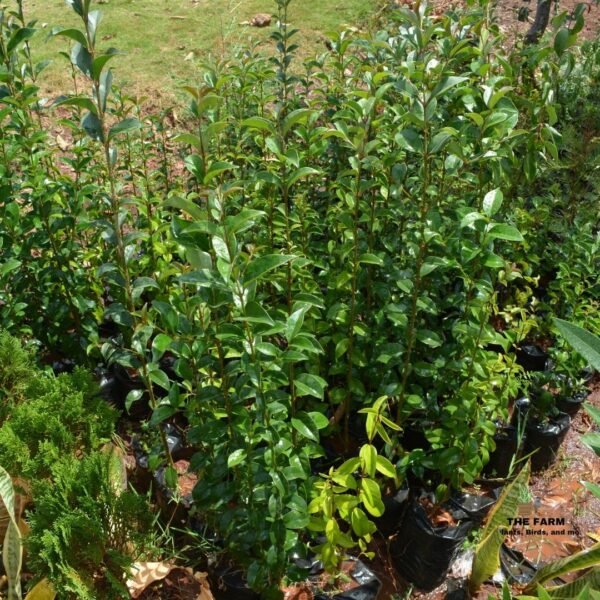

Ligustrum Ovalifolium Seedling in Kenya
Key Features of Ligustrum Ovalifolium Seedlings
- Common Name: Privet
- Scientific Name: Ligustrum ovalifolium
- Growth Habit: Dense, bushy shrub with glossy, oval-shaped leaves
- Sunlight: Full sun to partial shade
- Watering Needs: Regular watering when young; drought-tolerant once established
- Soil Type: Well-drained, fertile soils; adaptable to sandy and loamy conditions
- Maintenance Level: Low; regular pruning needed for shape and density
- Ideal Temperature: 15°C - 28°C
- Uses: Hedges, privacy screens, borders, ornamental shrub
Use in Kenya
Privet is widely used in Kenyan landscaping for its versatility and aesthetic value. It is often planted as a hedge along property lines, driveways, and garden borders to create a formal, manicured look. Its adaptability to Kenya’s diverse climates and its ability to thrive with minimal care make it a popular choice among homeowners and landscapers. By planting Ligustrum Ovalifolium seedlings, you are enhancing the beauty and functionality of your garden while contributing to a greener and healthier environment.


Reviews
There are no reviews yet.