


Pink Rose in a Clay Pot
KSh 3,000.00 Original price was: KSh 3,000.00.KSh 2,499.00Current price is: KSh 2,499.00.
Key Features of the Pink Rose in a Clay Pot
- Vibrant pink blooms that symbolize elegance and grace
- Fragrant aroma that enhances indoor and outdoor spaces
- Thrives in bright sunlight with regular watering
- Clay pot provides excellent drainage and breathability
- Ideal for patios, gardens, balconies, or indoor spaces
- Perfect for Kenyan climates and homes
The Pink Rose, a symbol of grace, elegance, and admiration, is a stunning addition to any garden or indoor space. When potted in a rustic clay pot, the pink rose becomes a focal point that adds charm and sophistication to your home or patio. Known for its vibrant blooms and delightful fragrance, the Pink Rose is an ideal plant for those looking to bring a touch of classic beauty into their surroundings.
Introduction
The Pink Rose is renowned for its delicate petals and vibrant pink color, making it a favorite among flower lovers and garden enthusiasts. Whether placed indoors or outdoors, a Pink Rose in a clay pot brings timeless beauty and a fragrant aroma to any setting. The clay pot not only enhances the plant’s natural aesthetic but also provides excellent drainage, ensuring healthy growth.
Benefits of Pink Rose in a Clay Pot
Owning a Pink Rose in a clay pot offers numerous benefits, making it a wonderful addition to any home or garden:
- Stunning Blooms: The soft pink petals of the Pink Rose create a stunning display, adding a touch of elegance and romance to your surroundings.
- Fragrant Aroma: The delightful scent of the Pink Rose fills the air, providing a calming and fragrant atmosphere wherever it’s placed.
- Versatile Planting: The Pink Rose thrives both indoors and outdoors, making it suitable for patios, balconies, or even as a centerpiece in your living room.
- Clay Pot Benefits: The clay pot provides excellent drainage and breathability, promoting healthy root growth and preventing water retention, which is essential for roses.
Conditions for Optimal Growth
To ensure your Pink Rose flourishes in its clay pot, follow these care instructions:
- Lighting: The Pink Rose requires plenty of sunlight to thrive, making it ideal for outdoor settings or indoor spaces with bright, direct light.
- Watering: Water the rose regularly, keeping the soil consistently moist but not waterlogged. The clay pot’s drainage will help prevent overwatering.
- Soil: Use well-draining, nutrient-rich soil to encourage healthy growth and vibrant blooms. A specialized rose or flower potting mix works best.
- Temperature: The Pink Rose prefers mild to warm temperatures, ideally between 15°C and 25°C, making it perfect for Kenyan gardens and indoor environments.
Conclusion
A Pink Rose in a clay pot is a classic choice for anyone looking to add beauty, fragrance, and a touch of romance to their home or garden. With its vibrant blooms and elegant appearance, this plant is sure to be a standout feature in any space. The timeless appeal of the clay pot adds to its natural charm, making it an excellent choice for flower enthusiasts and gardeners alike.
Only logged in customers who have purchased this product may leave a review.
Related products
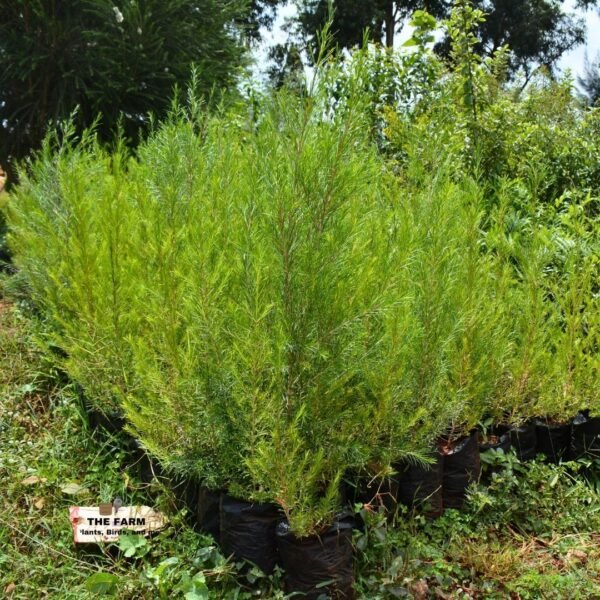
Alkeria Tree (4 ft) in Kenya seedling.
Key Features of the Alkeria Tree
- Rapid Growth: The Alkeria tree grows quickly, reaching up to 4 feet in a relatively short time, making it ideal for reforestation and soil stabilization projects.
- Drought Tolerance: With its resilience in dry conditions, the Alkeria tree is well-suited for arid and semi-arid areas, requiring minimal water once established.
- Soil Enrichment: Known for improving soil fertility, the Alkeria tree adds organic matter, enhancing soil health and benefiting surrounding plants.
- Carbon Absorption: High carbon sequestration ability makes it effective in reducing carbon footprint, contributing positively to climate change mitigation.
- Biodiversity Support: Provides a habitat and food source for various wildlife species, promoting biodiversity and supporting local ecosystems.
- Adaptability: Grows well in a variety of soils and climates, making it versatile for different Kenyan landscapes, from highlands to plains.
- Low Maintenance: Once established, the tree requires minimal upkeep, making it a practical choice for long-term sustainability projects.
Alkeria Tree Seedling
Key Features of Alkeria Tree Seedlings
- Fast-Growing: Alkeria tree seedlings are known for their rapid growth rate, making them ideal for reforestation and landscaping projects that require quick vegetation coverage.
- Resilient to Various Soil Types: These seedlings adapt well to a range of soil conditions, though they thrive best in fertile, well-draining soil rich in organic matter.
- High Carbon Absorption: Alkeria trees are effective carbon sinks, making them valuable for carbon offset projects and environmentally conscious planting initiatives.
- Attractive Foliage: The trees often feature vibrant, dense foliage that adds aesthetic appeal to any landscape, contributing to both decorative and practical uses.
- Soil-Enriching Properties: As they mature, Alkeria trees contribute to soil health through natural leaf litter and organic matter, improving the soil structure and fertility.
- Support for Biodiversity: These trees provide habitat and food sources for various wildlife, supporting local ecosystems and enhancing biodiversity in the area where they are planted.
- Drought Tolerance: Alkeria seedlings, once established, are relatively drought-resistant, making them suitable for regions with limited rainfall.
- Pest and Disease Resistance: Alkeria species typically have natural defenses against common pests and diseases, requiring minimal intervention once established.
- Versatile Uses: Apart from environmental benefits, mature Alkeria trees can be utilized for timber, shade, windbreaks, and ornamental purposes, adding value for landowners and communities.
Black Begonia Seedling in Kenya
Key Features of Black Begonia Seedlings
- Local Name: Black Begonia
- Scientific Name: Begonia rex or Begonia pavonina
- Growth Habit: Compact, bushy plant with dark, often metallic-shimmering leaves
- Sunlight: Indirect or filtered light; avoid direct sunlight
- Watering Needs: Regular watering; keep soil consistently moist but not waterlogged
- Soil Type: Well-drained, rich organic soil; prefers a mix of peat, perlite, and compost
- Maintenance Level: Low; occasional leaf cleaning and pruning of spent leaves
- Ideal Temperature: 18°C - 25°C
- Uses: Indoor plant, shaded garden spots, containers, and mixed plantings
Use in Kenya
Black Begonia is widely used in Kenyan homes, offices, and shaded garden spaces for its dramatic foliage and easy maintenance. It’s perfect for those looking to enhance indoor aesthetics with a unique, eye-catching plant that requires minimal care. In gardens, it is often used in shaded borders or under larger trees where its dark leaves create a striking contrast with lighter foliage. By planting Black Begonia seedlings, you add a touch of sophistication and elegance to your green spaces, making it a standout feature in any environment.
Coleonema Pulchellum Seedling in Kenya
Key Features of Coleonema Pulchellum Seedlings
- Local Name: Confetti Bush Seedlings
- Scientific Name: Coleonema Pulchellum
- Growth Habit: Young, bushy shrub with fine foliage that matures into a compact, aromatic plant
- Sunlight: Full sun to partial shade
- Watering Needs: Regular watering during establishment; drought-tolerant once mature
- Soil Type: Well-drained, sandy, or loamy soils, slightly acidic to neutral
- Maintenance Level: Low; light pruning after flowering to maintain shape
- Ideal Temperature: 15°C - 25°C
- Uses: Borders, hedges, container planting, ornamental features, pollinator attraction
Use in Kenya
Confetti Bush seedlings are commonly planted in Kenyan gardens for their aesthetic value and ease of care. They are often used in mixed borders, as low hedges, or in decorative pots to add fragrance and color to patios, driveways, and pathways. As a versatile and hardy plant, the Confetti Bush seedling is perfect for those looking to enhance their gardens with minimal effort, bringing a touch of beauty and a delightful aroma to outdoor spaces.
Cordyline Fruticosa Seedlings in Kenya
Key Features of Cordyline Fruticosa Seedlings (Mti Wa Maisha or Ti Plant)
- Local Name: Mti Wa Maisha or Ti Plant
- Scientific Name: Cordyline fruticosa
- Growth Habit: Upright, bushy plant with long, colorful leaves
- Sunlight: Partial shade to full sun
- Watering Needs: Moderate; keep soil moist but not waterlogged
- Soil Type: Well-drained, loamy soil enriched with organic matter
- Maintenance Level: Low; occasional pruning for optimal appearance
- Ideal Temperature: 20°C - 30°C
- Uses: Ornamental plant, indoor decoration, garden borders, cultural significance
Use in Kenya
In Kenya, Cordyline fruticosa is widely used in both outdoor and indoor landscapes due to its vibrant leaves and adaptability to different environments. Its ability to tolerate partial shade makes it ideal for areas under trees or alongside walls. As a popular ornamental plant, it is often used in gardens, along pathways, or as a potted plant to enhance patios and balconies. Mti Wa Maisha is also culturally significant in some Kenyan communities, symbolizing life and good fortune when planted near homes.
Gazania Plant Seedling in Kenya
Key Features of Gazania Seedlings
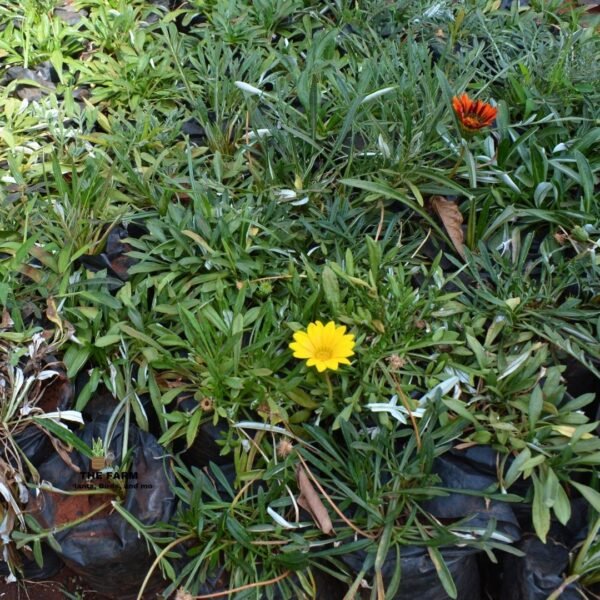
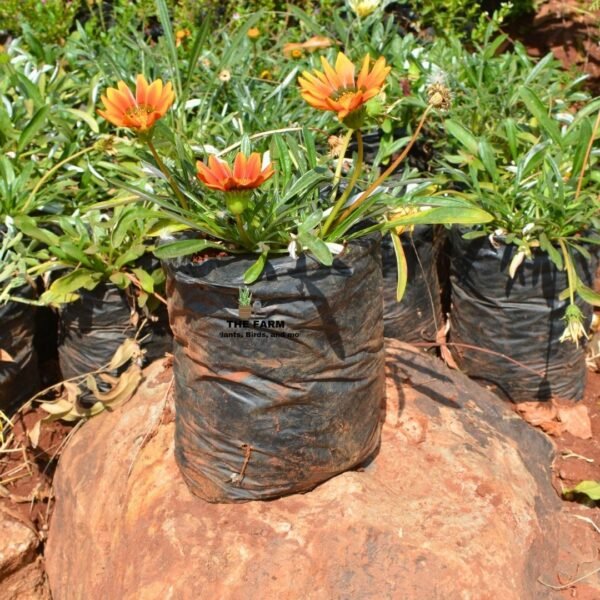
- Local Name: Gazania
- Scientific Name: Gazania rigens
- Growth Habit: Low-growing, spreading plant with large, daisy-like flowers
- Sunlight: Full sun
- Watering Needs: Regular watering when young; drought-tolerant once established
- Soil Type: Well-drained, sandy, or loamy soils; adaptable to poor soil conditions
- Maintenance Level: Low; minimal care required, deadhead spent blooms
- Ideal Temperature: 20°C - 35°C
- Uses: Borders, ground cover, rock gardens, containers, and hanging baskets
Use in Kenya
Gazania is widely used in Kenyan gardens due to its vibrant flowers and ability to withstand heat and drought. It is often seen brightening up garden borders, used as ground cover in rock gardens, or planted in containers to add color to patios and balconies. Its resilience and adaptability to Kenya’s sunny climate make it a favored choice for those seeking a colorful, low-maintenance garden. By planting Gazania seedlings, you add a cheerful, eye-catching element to your outdoor space that thrives with little effort.
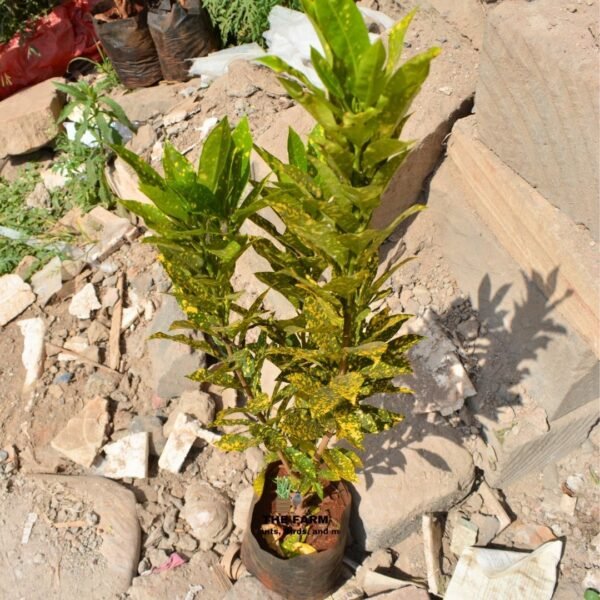
Gold Dust Croton Seedlings in Kenya
Key Features of Gold Dust Croton Seedlings
- Local Name: Gold Dust Croton
- Scientific Name: Codiaeum variegatum ‘Gold Dust’
- Growth Habit: Compact, bushy shrub with green leaves speckled with yellow spots
- Sunlight: Bright, indirect light; tolerates some morning sun but avoids harsh afternoon rays
- Watering Needs: Regular watering; keep soil moist but not waterlogged
- Soil Type: Well-drained, fertile soils with good organic content
- Maintenance Level: Low; occasional pruning of dead leaves and light cleaning
- Ideal Temperature: 18°C - 30°C
- Uses: Indoor plant, outdoor landscaping, decorative pots, patio and balcony displays
Use in Kenya
Gold Dust Croton is widely appreciated in Kenya for its vibrant appearance and adaptability. It is often used in garden borders, along walkways, or as a colorful feature in mixed plantings. Indoors, it brightens up living spaces with its dazzling foliage, making it a popular choice for homes, offices, and hotels. The plant’s ability to thrive in Kenya’s warm climate and its striking visual appeal make it a valuable addition to any garden or indoor plant collection. By planting Gold Dust Croton seedlings, you can create a lively and welcoming atmosphere that stands out all year round.
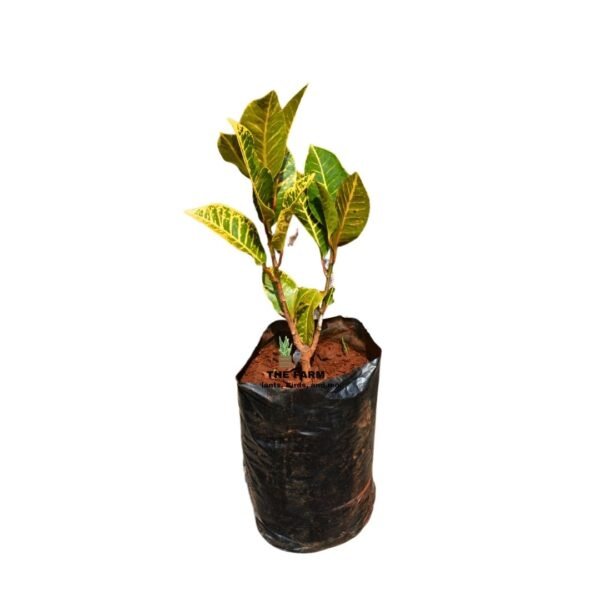
Petra Croton Seedling in Kenya
Key Features of Petra Croton Seedlings
- Local Name: Petra Croton
- Scientific Name: Codiaeum variegatum
- Growth Habit: Compact, bushy shrub with variegated, colorful leaves
- Sunlight: Bright, indirect light; tolerates some morning sun but avoids harsh afternoon rays
- Watering Needs: Regular watering; keep soil moist but not waterlogged
- Soil Type: Well-drained, fertile soil with good organic content
- Maintenance Level: Low; occasional pruning of dead leaves and light cleaning
- Ideal Temperature: 18°C - 30°C
- Uses: Indoor plant, outdoor landscaping, decorative pots, patio and balcony displays
Use in Kenya
Petra Croton is widely used in Kenyan homes, offices, and gardens for its striking colors and easy maintenance. It is often grown indoors in decorative pots or used outdoors as a colorful accent in mixed borders, along walkways, or in garden beds. The plant’s bold foliage adds a tropical touch to any setting, making it a vibrant addition to both urban and rural landscapes. By planting Petra Croton seedlings, you are enhancing your space with a splash of color that brings joy and a touch of nature’s art to your environment.


Reviews
There are no reviews yet.