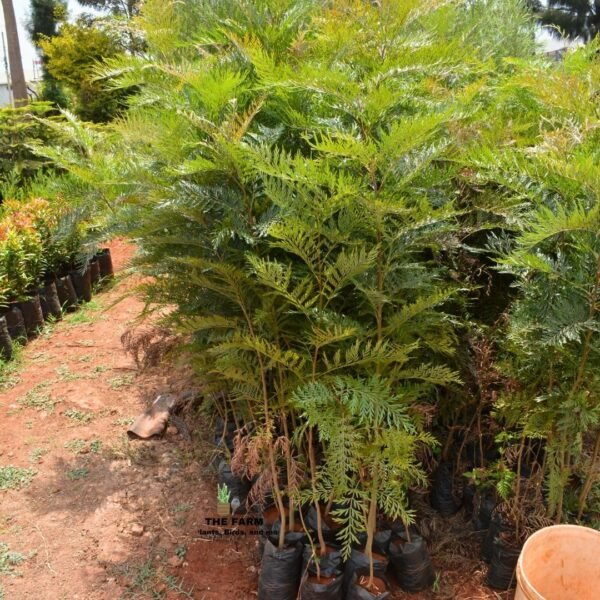

Schefflera in Planter
Key Features:
Lush green foliage with a distinctive umbrella form
Planted in a sturdy, weather-resistant concrete pot
Perfect for indoor corners, entrances, balconies, or offices
Low-maintenance with high visual impact
Air-purifying qualities enhance indoor air quality
Make a bold, tropical statement with the Schefflera in Concrete Planter. With its iconic umbrella-like leaves and upright growth, this plant adds natural elegance to any space. Paired with a robust concrete planter, it’s the perfect combo of sleek style and long-lasting structure — ideal for modern interiors, office spaces, or patios.
💧 Watering and Soil Requirements:
Thrives in well-draining soil. Water when the top 1–2 inches feel dry. Avoid overwatering — Schefflera dislikes soggy roots. A mix of garden soil, compost, and perlite works best.
🌱 Benefits:
Improves indoor air quality by filtering toxins
Elegant upright shape fits tight spaces
Long-lasting and low effort to maintain
Boosts interior aesthetics instantly
Works great as a floor plant or decorative corner piece
✂️ Pruning and Propagation:
Prune to control size and encourage fuller growth. Cut just above a node. Propagate via stem cuttings placed in water or moist soil.
☀️ Sunlight and Placement:
Loves bright, indirect light. Can tolerate medium light but may grow slower. Avoid direct harsh sun, which can scorch the leaves. Ideal near windows or under skylights.
🌾 Fertilization and Maintenance:
Feed once a month during spring and summer with a balanced houseplant fertilizer. Wipe leaves to remove dust and keep them shiny. Repot every 2–3 years to refresh soil.
🐛 Common Diseases and Pests:
Susceptible to spider mites, scale, and root rot if overwatered. Use neem oil spray and ensure proper drainage to avoid issues.
⏳ Time to Maturity & Flowering:
Fast-growing in the right conditions. Matures in 2–3 years. Rarely flowers indoors, but its foliage steals the show all year long.
| plant type | Schefflera/Umbrella trees |
|---|
Only logged in customers who have purchased this product may leave a review.
Related products
Coleonema Pulchellum Seedling in Kenya
Key Features of Coleonema Pulchellum Seedlings
- Local Name: Confetti Bush Seedlings
- Scientific Name: Coleonema Pulchellum
- Growth Habit: Young, bushy shrub with fine foliage that matures into a compact, aromatic plant
- Sunlight: Full sun to partial shade
- Watering Needs: Regular watering during establishment; drought-tolerant once mature
- Soil Type: Well-drained, sandy, or loamy soils, slightly acidic to neutral
- Maintenance Level: Low; light pruning after flowering to maintain shape
- Ideal Temperature: 15°C - 25°C
- Uses: Borders, hedges, container planting, ornamental features, pollinator attraction
Use in Kenya
Confetti Bush seedlings are commonly planted in Kenyan gardens for their aesthetic value and ease of care. They are often used in mixed borders, as low hedges, or in decorative pots to add fragrance and color to patios, driveways, and pathways. As a versatile and hardy plant, the Confetti Bush seedling is perfect for those looking to enhance their gardens with minimal effort, bringing a touch of beauty and a delightful aroma to outdoor spaces.
Eugenia Plant
Introduction
The Eugenia plant is a beautiful, evergreen shrub that is prized for its ability to be shaped into intricate designs or used as a lush hedge. Its fast growth and ease of maintenance make it a favorite for landscaping, while its small fruits offer a delightful, edible bonus.
Benefits
- Ornamental Appeal: The plant's dense, glossy foliage is perfect for creating formal gardens, privacy screens, or decorative topiaries.
- Edible Fruits: Some species produce small, cherry-like fruits that are both ornamental and edible, adding a unique touch to the garden.
- Low Maintenance: Once established, Eugenia requires minimal care and is resistant to most pests and diseases.
- Versatile Landscaping: It can be grown as a hedge, privacy screen, container plant, or topiary, adding greenery to a variety of spaces.
- Fast Growth: It’s a great option for those looking to quickly fill out hedges or create a green backdrop in their gardens.
Conditions for Optimal Growth
- Soil: Prefers well-draining soil rich in organic matter. It can tolerate a variety of soils but thrives in slightly acidic conditions.
- Sunlight: Grows best in full sun to partial shade. For optimal growth and fruit production, provide at least 6 hours of sunlight daily.
- Watering: Regular watering is required, especially during the growing season. Allow the soil to dry slightly between waterings to prevent waterlogging.
- Temperature: Best suited for warm, tropical, and subtropical climates (USDA zones 9-11). It can tolerate mild frost but should be protected from freezing temperatures.
- Pruning: Prune regularly to maintain shape, especially when used for topiaries or hedging. Pruning encourages denser growth and helps control its size.
Conclusion
The Eugenia plant is a fantastic choice for gardeners looking for a versatile, fast-growing shrub that serves both ornamental and practical purposes. Its lush, evergreen foliage and ease of pruning make it perfect for hedging, topiary, or container gardening, while its edible fruits add an extra layer of interest. With the right care, the Eugenia plant can be a beautiful and functional addition to any landscape.
Green Grevillea Tree Seedling 3.5ft in Kenya
Key Features of Green Grevillea Tree Seedlings 3.5ft
- Perfect Size for Planting
- At 3.5ft tall, these seedlings are ideal for easy transplanting and rapid establishment in your garden.
- Vibrant Foliage and Unique Flowers
- Grevillea trees are known for their bright green foliage and striking, nectar-rich flowers that attract pollinators.
- Low Maintenance
- Requires minimal care once established; drought-tolerant and adaptable to various soil conditions.
- Eco-Friendly Benefits
- Supports biodiversity, reduces soil erosion, and sequesters carbon for environmental improvement.
- Versatile Uses
- Ideal for ornamental landscaping, privacy screens, and erosion control.
Use in Kenya
Grevillea seedlings are widely used across Kenya for both commercial and ecological purposes. They are commonly planted on farms to provide shade for coffee and tea, along boundaries as windbreaks, and in reforestation efforts to combat deforestation. The tree’s fast growth, versatility, and minimal care requirements make it an invaluable asset to Kenyan agriculture and environmental management. By planting Grevillea seedlings, you contribute to sustainable farming, protect your crops, and support Kenya’s green initiatives.
Hibiscus Flower Seedling in Kenya
Key Features of Hibiscus Flower Seedlings
- Local Name: Hibiscus
- Scientific Name: Hibiscus rosa-sinensis
- Growth Habit: Bushy shrub with large, colorful flowers and glossy green leaves
- Sunlight: Full sun to partial shade
- Watering Needs: Regular watering; keep soil moist but not waterlogged
- Soil Type: Well-drained, fertile soils with good organic content
- Maintenance Level: Low; occasional pruning after flowering
- Ideal Temperature: 18°C - 30°C
- Uses: Garden shrub, hedge, potted plant, ornamental feature, and tea production
Use in Kenya
Hibiscus is widely grown in Kenyan gardens, parks, and along walkways for its vibrant and attractive flowers. It is also a popular choice for potted displays on patios and balconies, where its colorful blooms can be enjoyed up close. The plant’s adaptability to Kenya’s climate, combined with its low-maintenance nature, makes it an ideal addition to any garden. By planting Hibiscus flower seedlings, you can create a lively and beautiful garden space that bursts with color and tropical appeal year-round.
Pentas Lanceolata Seedlings in Kenya
Key Features of Pentas Lanceolata Seedlings (Pentas or Star Flower)
- Local Name: Pentas or Star Flower
- Scientific Name: Pentas lanceolata
- Growth Habit: Bushy, upright plant with clusters of star-shaped flowers
- Sunlight: Full sun
- Watering Needs: Moderate watering; drought-tolerant once established
- Soil Type: Well-drained, fertile soil
- Maintenance Level: Low; deadheading and light pruning for bushier growth
- Ideal Temperature: 20°C - 30°C
- Uses: Garden beds, borders, containers, pollinator gardens
Use in Kenya
In Kenya, Pentas is widely used in gardens, parks, and along walkways due to its vibrant flowers and resilience in the country’s warm climate. It is especially valued for its ability to attract butterflies, adding life and movement to gardens. The plant’s long blooming season and low maintenance requirements make it a go-to choice for enhancing both private and public green spaces. Whether planted in beds, borders, or containers, Pentas seedlings bring continuous beauty and charm to any Kenyan garden.
Petra Croton Seedling in Kenya
Key Features of Petra Croton Seedlings
- Local Name: Petra Croton
- Scientific Name: Codiaeum variegatum
- Growth Habit: Compact, bushy shrub with variegated, colorful leaves
- Sunlight: Bright, indirect light; tolerates some morning sun but avoids harsh afternoon rays
- Watering Needs: Regular watering; keep soil moist but not waterlogged
- Soil Type: Well-drained, fertile soil with good organic content
- Maintenance Level: Low; occasional pruning of dead leaves and light cleaning
- Ideal Temperature: 18°C - 30°C
- Uses: Indoor plant, outdoor landscaping, decorative pots, patio and balcony displays
Use in Kenya
Petra Croton is widely used in Kenyan homes, offices, and gardens for its striking colors and easy maintenance. It is often grown indoors in decorative pots or used outdoors as a colorful accent in mixed borders, along walkways, or in garden beds. The plant’s bold foliage adds a tropical touch to any setting, making it a vibrant addition to both urban and rural landscapes. By planting Petra Croton seedlings, you are enhancing your space with a splash of color that brings joy and a touch of nature’s art to your environment.
Royal Palm (Roystonea regia)
Introduction
The Royal Palm is a symbol of grace and grandeur in tropical landscapes. Its towering presence and iconic look make it a standout plant in gardens, parks, and urban settings. Whether lining streets or serving as a centerpiece in large open spaces, the Royal Palm brings a sense of tropical luxury to any environment.
Benefits
- Aesthetic Beauty: With its tall trunk and large, arching fronds, the Royal Palm adds elegance and tropical charm to landscapes, making it perfect for formal avenues and expansive gardens.
- Wind and Salt Tolerant: The Royal Palm can tolerate coastal conditions and is resilient to salt spray, making it an ideal choice for beachfront properties or tropical climates.
- Low Maintenance: Once established, Royal Palms require little care and can adapt to a variety of soil types and conditions.
- Wildlife Habitat: Its fruits and leaves provide habitat and food for birds and other wildlife.
- Shade Provider: The wide, expansive fronds provide shade and create a cooling effect, which can be especially beneficial in hot climates.
Conditions for Optimal Growth
- Soil: Prefers well-draining, slightly acidic soil. It can tolerate a variety of soil types but grows best in rich, loamy soil.
- Sunlight: Thrives in full sun, needing at least 6-8 hours of direct sunlight per day for optimal growth.
- Watering: Requires regular watering, especially when young. Once established, it becomes more drought-tolerant, though it prefers consistent moisture.
- Temperature: Best grown in tropical or subtropical climates, withstanding temperatures as low as 28°F (-2°C) but thriving in warmer conditions.
- Fertilization: Benefits from regular fertilization with a palm-specific fertilizer, especially in nutrient-deficient soils, to prevent yellowing leaves and encourage healthy growth.
Conclusion
The Royal Palm is a symbol of grandeur and elegance, perfect for those looking to make a dramatic statement in their landscaping. With its tall, smooth trunk and graceful, arching fronds, this tropical palm brings a lush, luxurious feel to any garden or avenue. Low maintenance and resilient, the Royal Palm is an excellent choice for coastal, tropical, and subtropical environments where its beauty and stature can be fully appreciated.


Reviews
There are no reviews yet.