
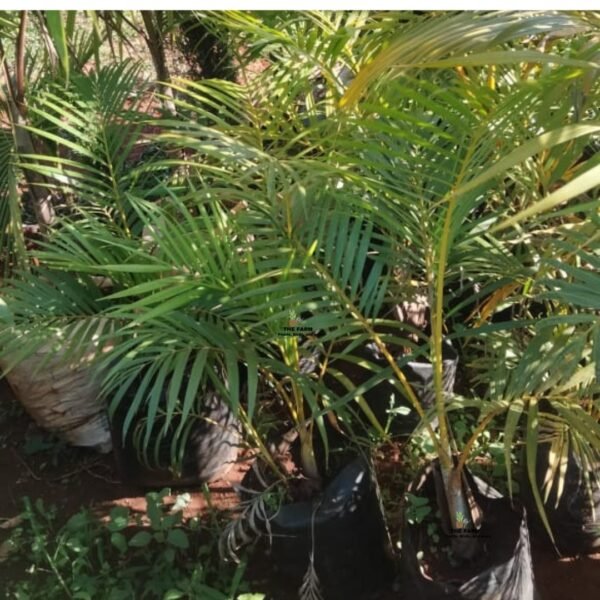
Areca Palm Seedling (1-Foot Tall)
Key Features
- Height: Currently 1-foot tall; matures to 6-12 feet indoors and up to 30 feet outdoors.
- Fronds: Graceful, feathery, arching fronds with a vibrant green hue.
- Growth Rate: Moderate, with proper care; adaptable to pot or ground planting.
- Air Purification: Known to filter indoor air pollutants like formaldehyde and benzene.
- Non-toxic: Safe for pets and children, making it a family-friendly choice.
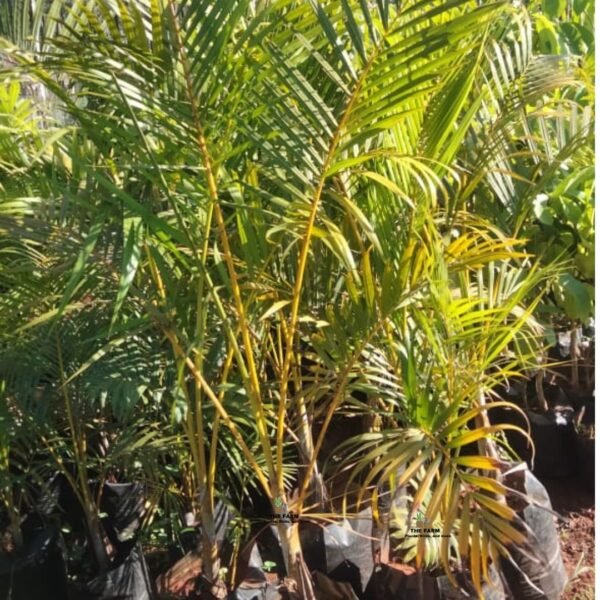
Areca Palm Seedling (3-Foot Tall)
Key Features
- Height: 3 feet tall; matures to 6-12 feet indoors or up to 30 feet in outdoor conditions.
- Fronds: Long, feathery fronds with a graceful arch, showcasing vibrant green leaves that grow densely.
- Growth Rate: Moderate, with proper care leading to steady, lush development.
- Air Quality Enhancer: Renowned for its ability to cleanse air by filtering toxins.
- Adaptability: Thrives in containers or directly in the ground, adding versatility to its charm.
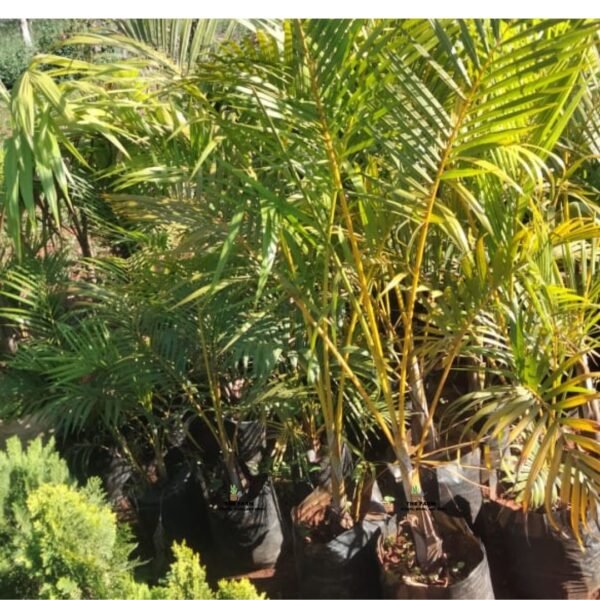
Areca Palm Seedling (4-Foot Tall)
Key Features
- Height: 4 feet tall; grows to 6-12 feet indoors and up to 30 feet outdoors in tropical climates.
- Fronds: Feathery, arching fronds with a vivid green color, forming dense and graceful foliage.
- Growth Rate: Moderate, with consistent growth when nurtured in optimal conditions.
- Air Purifier: Scientifically proven to filter and remove toxins, enhancing indoor air quality.
- Durability: Well-suited for both indoor and outdoor environments, thriving in diverse settings.

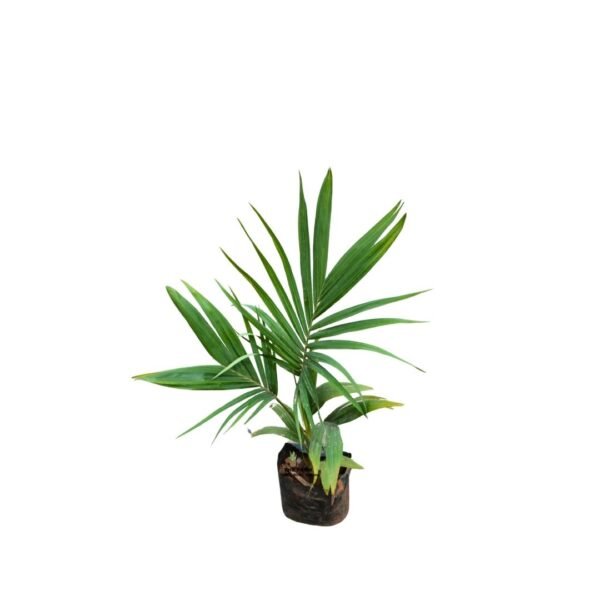
Christmas Palm Tree Seedling
Key Features of the Christmas Palm Tree Seedling
- Tropical palm with a slender trunk and feathery fronds
- Compact size, perfect for small gardens, patios, or large pots
- Bright red berries around Christmas time add seasonal color
- Low maintenance and easy to care for once established
- Thrives in full sunlight and well-draining soil
- Ideal for warm climates like those in Kenya
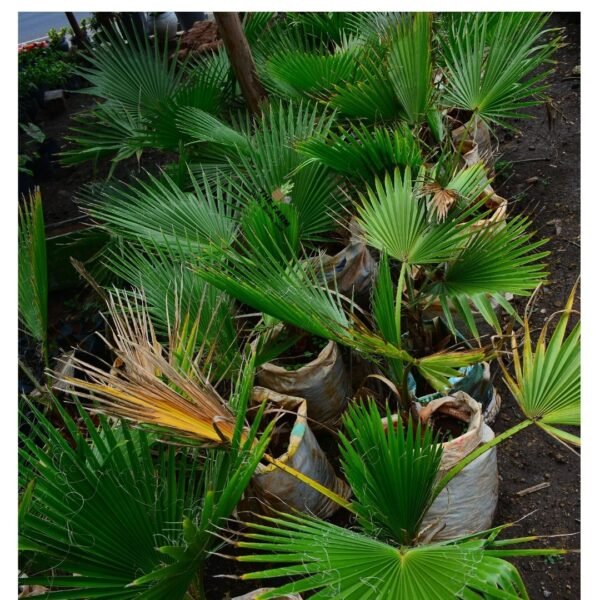
Mexican Fan Palm (Washingtonia robusta) Seedling.
Key Features
- Height: Grows rapidly to a height of 70-100 feet (21-30 meters), making it one of the tallest ornamental palms.
- Fronds: Large, fan-shaped fronds that can reach up to 5 feet (1.5 meters) wide, creating a lush canopy.
- Trunk: Slender, slightly tapering, and typically brownish-gray with a rough texture.
- Flowers: Produces small, white flowers on long inflorescences, blooming in spring and summer.
- Fruits: Round, black berries that attract wildlife such as birds and small mammals.
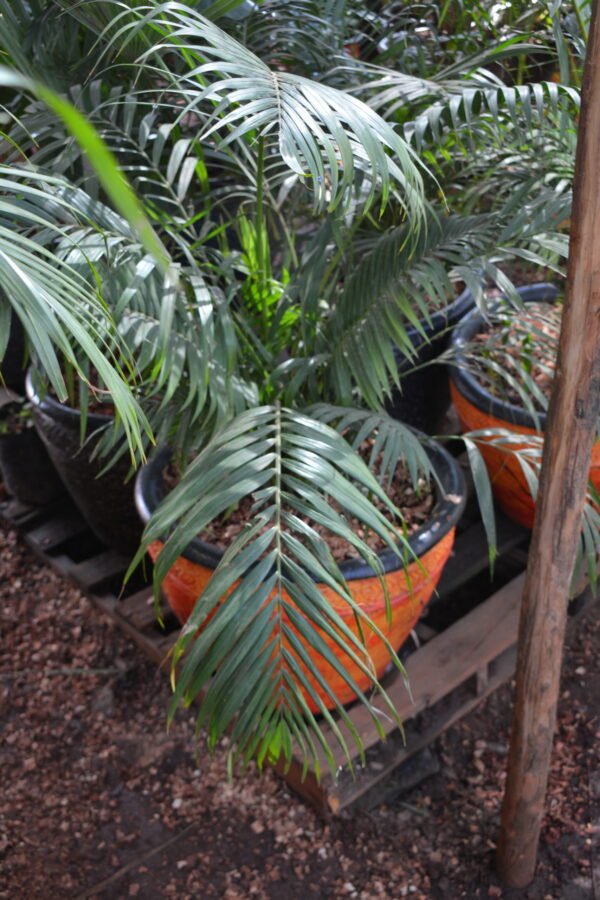
Piccabeen Palm in a Clay Pot
Key Features:
- Tropical Aesthetic: The Piccabeen Palm features elegant, arching fronds that add a lush, natural vibe to any space.
- Clay Pot Design: Housed in a high-quality clay pot that complements the plant’s tropical elegance with its earthy texture.
- Compact Size: Perfectly sized for various spaces, including homes, offices, and patios.
- Low Maintenance: Easy to care for, requiring minimal watering and pruning.
- Versatile Use: Suitable for indoor and outdoor placement, thriving in both settings.
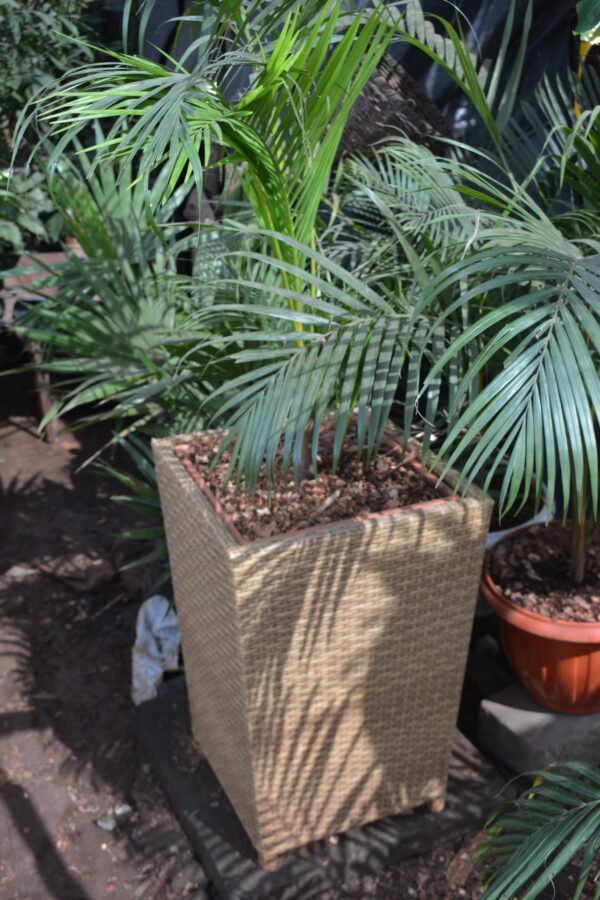
Piccabeen Palm in Rattan Flower Pot
Key Features:
- Elegant Appearance: Features a slender Piccabeen Palm with graceful, arching fronds housed in a chic rattan flower pot.
- Compact Size: The palm stands at approximately 1–1.2 meters tall, making it suitable for various spaces.
- Durable Planter: The rattan pot (60–70 cm tall and 30–40 cm wide) is sturdy and adds a natural, modern aesthetic.
- Climate Adaptability: Thrives in Kenya’s warm climate, both indoors and outdoors.
- Low Maintenance: Requires minimal care and pruning, making it a convenient plant for busy homeowners.
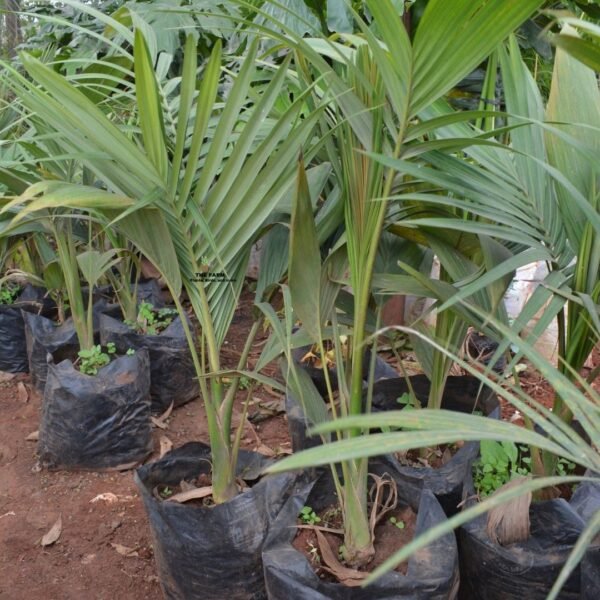
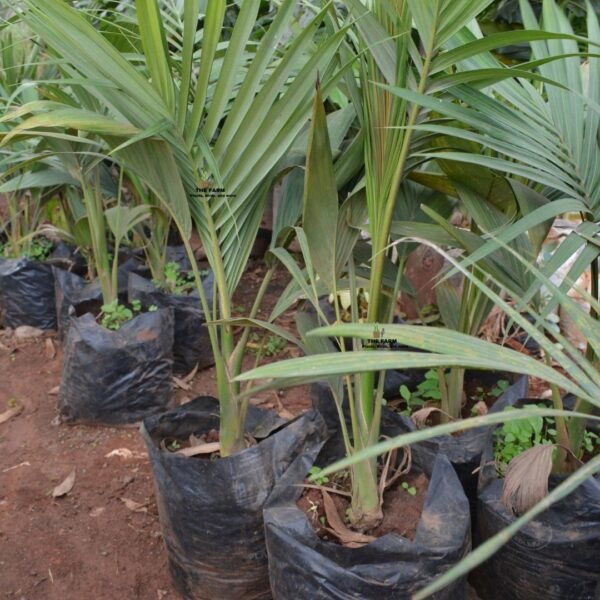
Piccabeen Palm Seedlings
Key Features of Piccabeen Palm Seedlings
- Slender and Elegant Appearance: Features a smooth, gray trunk with feathery, arching fronds.
- Fast Growth: Quickly establishes itself, reaching heights of 15–20 meters at maturity.
- Low Maintenance: Easy to care for, requiring minimal pruning and attention.
- Climate Adaptability: Thrives in tropical, subtropical, and temperate climates, suitable for many Kenyan regions.
- Versatile Usage: Perfect for landscaping gardens, lining driveways, or as a feature tree.
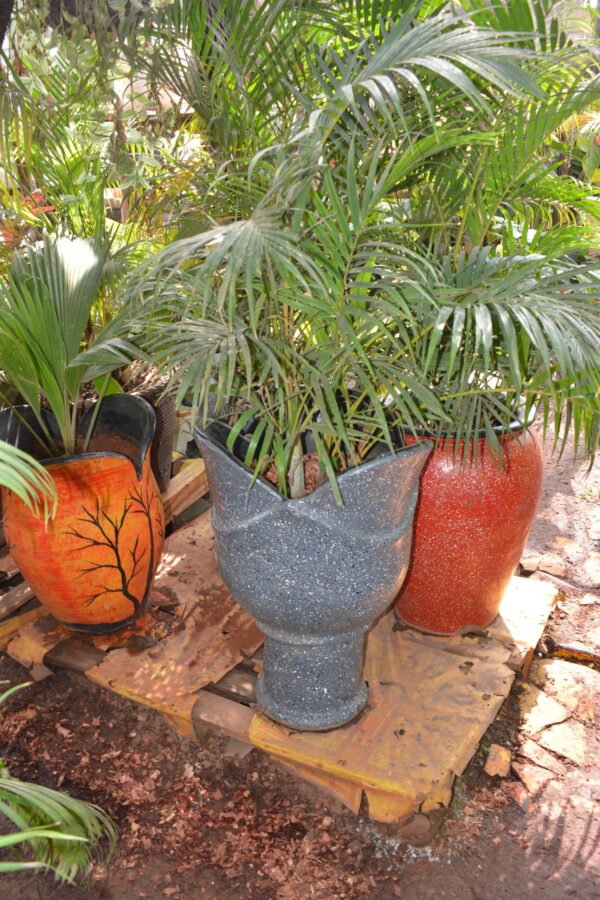
Potted Tropical Palms in Designer Pots
Key Features:
- Tropical Palms: Lush, vibrant fronds that bring a natural and calming feel to any environment.
- Designer Pots: High-quality, colorful pots with unique designs, including speckled finishes and artistic patterns.
- Versatile Use: Ideal for homes, offices, patios, balconies, or garden spaces.
- Low Maintenance: Requires minimal care, making it perfect for busy plant lovers.
- Durable Planters: Pots are sturdy and designed to withstand indoor and outdoor conditions.
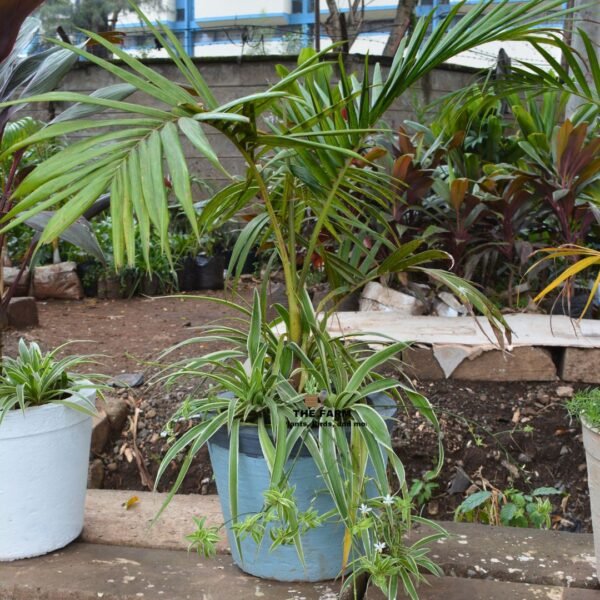
Royal Palm (Roystonea regia)
Introduction
The Royal Palm is a symbol of grace and grandeur in tropical landscapes. Its towering presence and iconic look make it a standout plant in gardens, parks, and urban settings. Whether lining streets or serving as a centerpiece in large open spaces, the Royal Palm brings a sense of tropical luxury to any environment.
Benefits
- Aesthetic Beauty: With its tall trunk and large, arching fronds, the Royal Palm adds elegance and tropical charm to landscapes, making it perfect for formal avenues and expansive gardens.
- Wind and Salt Tolerant: The Royal Palm can tolerate coastal conditions and is resilient to salt spray, making it an ideal choice for beachfront properties or tropical climates.
- Low Maintenance: Once established, Royal Palms require little care and can adapt to a variety of soil types and conditions.
- Wildlife Habitat: Its fruits and leaves provide habitat and food for birds and other wildlife.
- Shade Provider: The wide, expansive fronds provide shade and create a cooling effect, which can be especially beneficial in hot climates.
Conditions for Optimal Growth
- Soil: Prefers well-draining, slightly acidic soil. It can tolerate a variety of soil types but grows best in rich, loamy soil.
- Sunlight: Thrives in full sun, needing at least 6-8 hours of direct sunlight per day for optimal growth.
- Watering: Requires regular watering, especially when young. Once established, it becomes more drought-tolerant, though it prefers consistent moisture.
- Temperature: Best grown in tropical or subtropical climates, withstanding temperatures as low as 28°F (-2°C) but thriving in warmer conditions.
- Fertilization: Benefits from regular fertilization with a palm-specific fertilizer, especially in nutrient-deficient soils, to prevent yellowing leaves and encourage healthy growth.
Conclusion
The Royal Palm is a symbol of grandeur and elegance, perfect for those looking to make a dramatic statement in their landscaping. With its tall, smooth trunk and graceful, arching fronds, this tropical palm brings a lush, luxurious feel to any garden or avenue. Low maintenance and resilient, the Royal Palm is an excellent choice for coastal, tropical, and subtropical environments where its beauty and stature can be fully appreciated.
Palm Trees in Kenya
Palm trees are a timeless addition to any garden, bringing a tropical, relaxed feel to homes, hotels, and commercial spaces across Kenya. Whether you’re upgrading your landscape or starting fresh, thefarm.co.ke is the best online shop to purchase palm trees with fast and reliable delivery.
Varieties of Palm Trees
There are several popular palm varieties available in Kenya, including Areca palms, fan palms, date palms, and ornamental palms. Each variety offers a unique look—from tall and majestic to compact and decorative—making it easy to match your space and style.
Best Soil for Growing Palm Trees
Palm trees thrive in well-drained soils, especially sandy or loamy soil. In East Africa, they adapt well to different soil types as long as water does not stagnate. Adding organic matter helps improve soil structure and supports healthy root growth.
Fertilizer & Manure Needs
Palm trees benefit from occasional feeding. Applying organic manure or a balanced fertilizer helps promote greener leaves and faster growth. While not heavy feeders, nutrients do make a noticeable difference in their appearance.
Watering & Drought Tolerance
Young palms need regular watering to establish. Once mature, many palm varieties become drought-tolerant and can survive in dry conditions, making them suitable for various regions in Kenya.
Do Palm Trees Grow Big?
Yes, many palm trees can grow tall and impressive, depending on the variety. Some remain medium-sized, while others can reach several meters, making them ideal for both small gardens and large landscapes.
Can Palm Trees Be Trimmed?
Palm trees require minimal pruning. You can trim off dry or damaged fronds to maintain a clean, attractive look, but excessive cutting is not recommended.
Taking Care of Palm Trees
Palm trees are generally low-maintenance. Ensure proper sunlight, occasional watering, and good soil drainage. Removing dead leaves and feeding occasionally will keep them healthy and vibrant.
This is one of the best palm trees that we have https://thefarm.co.ke/piccabeen-palm-seedlings/
For quality, healthy palm trees in Kenya, trust thefarm.co.ke—your go-to online shop for the best selection and doorstep delivery. 🌴