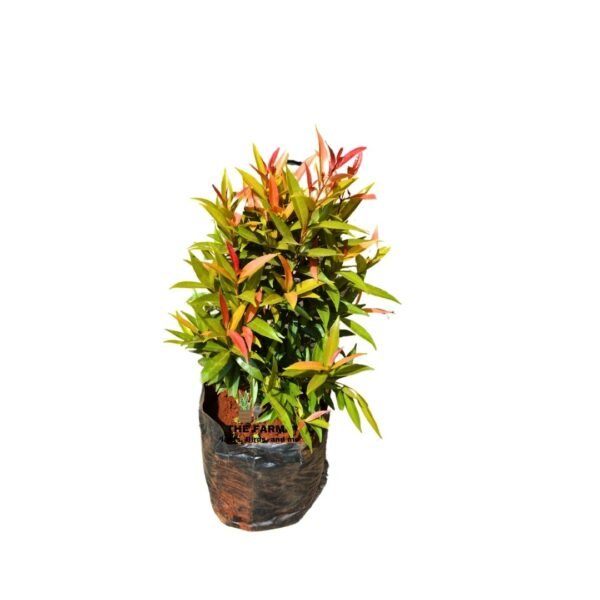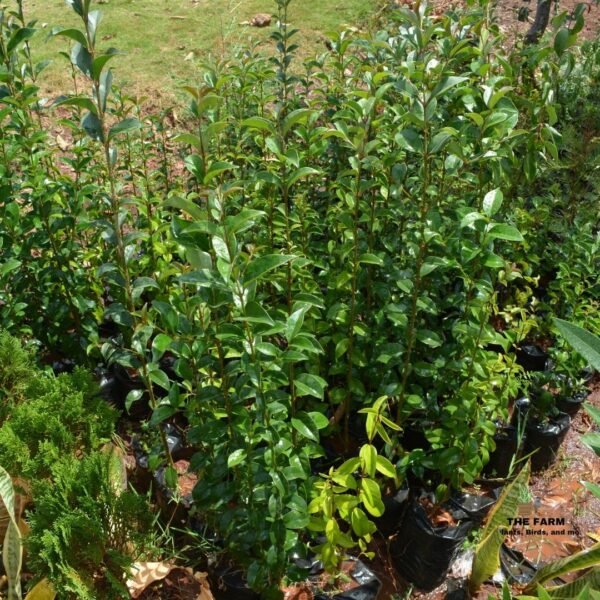

Lemon Cypress Seedlings (1 Foot Tall)
KSh 1,000.00 Original price was: KSh 1,000.00.KSh 799.00Current price is: KSh 799.00.
Key Features:
- Height: 1 foot tall, a great start for your garden or potted décor.
- Foliage: Striking yellow-green leaves that stay vibrant year-round.
- Aroma: A natural lemon scent that refreshes and uplifts.
- Hardiness: Thrives in Kenya’s diverse weather conditions.
Add a splash of vibrant greenery and a soothing citrus aroma to your garden or living space with our Lemon Cypress seedlings. Standing at 1 foot tall, these versatile seedlings are ideal for creating elegant landscapes, decorative indoor displays, or lush patio accents. Their bright yellow-green foliage, refreshing lemon scent, and drought tolerance make them perfect for Kenya’s climate.
Benefits of Lemon Cypress:
- Natural Air Purifier: Filters toxins and enhances air quality in homes and gardens.
- Pest Repellent: The citrus aroma naturally deters common pests.
- Aesthetic Charm: Ideal for creating decorative hedges, garden borders, or statement indoor plants.
- Eco-Friendly: Grown organically to promote sustainable gardening practices.
Growth Conditions:
- Soil: Well-drained soil with a slightly acidic to neutral pH.
- Sunlight: Prefers full sun but tolerates partial shade.
- Watering: Water regularly, keeping the soil moist but not waterlogged.
- Temperature: Perfect for Kenya’s mild to warm climates.
Usage Suggestions:
- Hedging and Landscaping: Define garden borders or add privacy with lush, fragrant hedges.
- Home Décor: Place in stylish pots to brighten your interiors or patios.
- Outdoor Accents: Frame pathways, patios, or entryways for a welcoming touch.
🌿 Order Your Lemon Cypress Seedlings Today!
Transform your garden, patio, or indoor space with the natural beauty of Lemon Cypress seedlings from thefarm.co.ke. These aromatic and versatile plants are the perfect choice for a greener, healthier, and more elegant environment. Don’t wait—bring the charm of Lemon Cypress to your home today!
| plant type | Lemon cypress |
|---|
Only logged in customers who have purchased this product may leave a review.
Related products
Coleus in Kenya
Key Features of Coleus
- Local Name: Mbarika
- Scientific Name: Coleus blumei or Plectranthus scutellarioides
- Growth Habit: Bushy, with a wide range of leaf colors and patterns
- Sunlight: Partial to full shade
- Watering Needs: Regular watering; keep the soil moist but not soggy
- Soil Type: Well-drained, fertile, loamy soil
- Maintenance Level: Low
- Ideal Temperature: 18°C - 30°C
- Propagation: Easy from cuttings
Use in Kenya
Coleus is a popular plant in Kenyan homes, gardens, and landscapes, often used to add color and texture to outdoor and indoor settings. Its ease of growth and maintenance makes it a preferred choice for anyone looking to brighten up their space with minimal effort. The local love for Mbarika continues to grow, as it not only beautifies spaces but also embodies the vibrant spirit of Kenyan gardening culture.
Cordyline Fruticosa Seedlings in Kenya
Key Features of Cordyline Fruticosa Seedlings (Mti Wa Maisha or Ti Plant)
- Local Name: Mti Wa Maisha or Ti Plant
- Scientific Name: Cordyline fruticosa
- Growth Habit: Upright, bushy plant with long, colorful leaves
- Sunlight: Partial shade to full sun
- Watering Needs: Moderate; keep soil moist but not waterlogged
- Soil Type: Well-drained, loamy soil enriched with organic matter
- Maintenance Level: Low; occasional pruning for optimal appearance
- Ideal Temperature: 20°C - 30°C
- Uses: Ornamental plant, indoor decoration, garden borders, cultural significance
Use in Kenya
In Kenya, Cordyline fruticosa is widely used in both outdoor and indoor landscapes due to its vibrant leaves and adaptability to different environments. Its ability to tolerate partial shade makes it ideal for areas under trees or alongside walls. As a popular ornamental plant, it is often used in gardens, along pathways, or as a potted plant to enhance patios and balconies. Mti Wa Maisha is also culturally significant in some Kenyan communities, symbolizing life and good fortune when planted near homes.
Eugenia Seedling in Kenya
Key Features of Eugenia Seedlings
- Local Name: Muthiga Seedlings
- Scientific Name: Eugenia uniflora or Syzygium paniculatum
- Growth Habit: Dense, bushy growth with glossy green leaves and red new shoots
- Sunlight: Full sun to partial shade
- Watering Needs: Regular watering, especially when young; moderately drought-tolerant once established
- Soil Type: Well-drained, fertile soils with good organic content
- Maintenance Level: Low; requires minimal pruning
- Ideal Temperature: 18°C - 28°C
- Uses: Hedges, privacy screens, ornamental shrubs, topiaries
Use in Kenya
Eugenia seedlings are widely used across Kenya for creating lush, green landscapes that are both functional and attractive. Their popularity continues to grow among homeowners, landscapers, and garden designers due to their adaptability and easy maintenance. By planting Muthiga seedlings, you can quickly transform your outdoor space into a beautiful, green haven that offers privacy, beauty, and environmental benefits.
Gazania Plant Seedling in Kenya
Key Features of Gazania Seedlings
- Local Name: Gazania
- Scientific Name: Gazania rigens
- Growth Habit: Low-growing, spreading plant with large, daisy-like flowers
- Sunlight: Full sun
- Watering Needs: Regular watering when young; drought-tolerant once established
- Soil Type: Well-drained, sandy, or loamy soils; adaptable to poor soil conditions
- Maintenance Level: Low; minimal care required, deadhead spent blooms
- Ideal Temperature: 20°C - 35°C
- Uses: Borders, ground cover, rock gardens, containers, and hanging baskets
Use in Kenya
Gazania is widely used in Kenyan gardens due to its vibrant flowers and ability to withstand heat and drought. It is often seen brightening up garden borders, used as ground cover in rock gardens, or planted in containers to add color to patios and balconies. Its resilience and adaptability to Kenya’s sunny climate make it a favored choice for those seeking a colorful, low-maintenance garden. By planting Gazania seedlings, you add a cheerful, eye-catching element to your outdoor space that thrives with little effort.
Gold Dust Croton Seedlings in Kenya
Key Features of Gold Dust Croton Seedlings
- Local Name: Gold Dust Croton
- Scientific Name: Codiaeum variegatum ‘Gold Dust’
- Growth Habit: Compact, bushy shrub with green leaves speckled with yellow spots
- Sunlight: Bright, indirect light; tolerates some morning sun but avoids harsh afternoon rays
- Watering Needs: Regular watering; keep soil moist but not waterlogged
- Soil Type: Well-drained, fertile soils with good organic content
- Maintenance Level: Low; occasional pruning of dead leaves and light cleaning
- Ideal Temperature: 18°C - 30°C
- Uses: Indoor plant, outdoor landscaping, decorative pots, patio and balcony displays
Use in Kenya
Gold Dust Croton is widely appreciated in Kenya for its vibrant appearance and adaptability. It is often used in garden borders, along walkways, or as a colorful feature in mixed plantings. Indoors, it brightens up living spaces with its dazzling foliage, making it a popular choice for homes, offices, and hotels. The plant’s ability to thrive in Kenya’s warm climate and its striking visual appeal make it a valuable addition to any garden or indoor plant collection. By planting Gold Dust Croton seedlings, you can create a lively and welcoming atmosphere that stands out all year round.
Hibiscus Flower Seedling in Kenya
Key Features of Hibiscus Flower Seedlings
- Local Name: Hibiscus
- Scientific Name: Hibiscus rosa-sinensis
- Growth Habit: Bushy shrub with large, colorful flowers and glossy green leaves
- Sunlight: Full sun to partial shade
- Watering Needs: Regular watering; keep soil moist but not waterlogged
- Soil Type: Well-drained, fertile soils with good organic content
- Maintenance Level: Low; occasional pruning after flowering
- Ideal Temperature: 18°C - 30°C
- Uses: Garden shrub, hedge, potted plant, ornamental feature, and tea production
Use in Kenya
Hibiscus is widely grown in Kenyan gardens, parks, and along walkways for its vibrant and attractive flowers. It is also a popular choice for potted displays on patios and balconies, where its colorful blooms can be enjoyed up close. The plant’s adaptability to Kenya’s climate, combined with its low-maintenance nature, makes it an ideal addition to any garden. By planting Hibiscus flower seedlings, you can create a lively and beautiful garden space that bursts with color and tropical appeal year-round.
Ligustrum Ovalifolium Seedling in Kenya
Key Features of Ligustrum Ovalifolium Seedlings
- Common Name: Privet
- Scientific Name: Ligustrum ovalifolium
- Growth Habit: Dense, bushy shrub with glossy, oval-shaped leaves
- Sunlight: Full sun to partial shade
- Watering Needs: Regular watering when young; drought-tolerant once established
- Soil Type: Well-drained, fertile soils; adaptable to sandy and loamy conditions
- Maintenance Level: Low; regular pruning needed for shape and density
- Ideal Temperature: 15°C - 28°C
- Uses: Hedges, privacy screens, borders, ornamental shrub
Use in Kenya
Privet is widely used in Kenyan landscaping for its versatility and aesthetic value. It is often planted as a hedge along property lines, driveways, and garden borders to create a formal, manicured look. Its adaptability to Kenya’s diverse climates and its ability to thrive with minimal care make it a popular choice among homeowners and landscapers. By planting Ligustrum Ovalifolium seedlings, you are enhancing the beauty and functionality of your garden while contributing to a greener and healthier environment.
Oleander (Nerium Oleander) Seedling in Kenya
Key Features of Oleander Seedlings
- Local Name: Oleander
- Scientific Name: Nerium oleander
- Growth Habit: Evergreen shrub with dense foliage and fragrant, colorful flowers
- Sunlight: Full sun to partial shade
- Watering Needs: Regular watering when young; drought-tolerant once established
- Soil Type: Well-drained, sandy, or loamy soils; adaptable to poor soil conditions
- Maintenance Level: Low; light pruning after flowering
- Ideal Temperature: 20°C - 35°C
- Uses: Ornamental shrub, hedging, privacy screens, mixed garden beds
Use in Kenya
Oleander is widely planted in Kenya for its ornamental value and resilience in hot, dry conditions. It is often used along roadsides, in public parks, and in private gardens as a low-maintenance option that brings color and fragrance to outdoor spaces. Despite its beauty, it’s important to note that Oleander is toxic if ingested, so it should be planted with caution in areas accessible to pets and small children. Overall, Oleander remains a favored choice for Kenyan gardeners seeking a hardy, attractive shrub that stands up to the country’s climate challenges while enhancing the aesthetic appeal of their landscapes.


Reviews
There are no reviews yet.