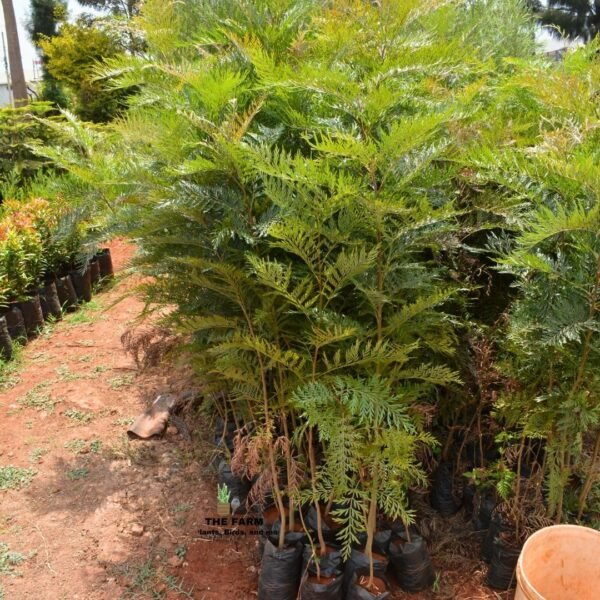
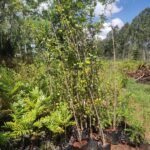


Japonica Tree Seedlings
KSh 800.00 Original price was: KSh 800.00.KSh 599.00Current price is: KSh 599.00.
Key Features of Japonica Tree Seedlings:
- Height: Compact growth habit; seedlings are manageable for planting and shaping.
- Aesthetic Appeal: Vibrant flowers and lush foliage create year-round beauty.
- Pollinator-Friendly: Attracts beneficial insects to support biodiversity.
- Hardy and Adaptable: Thrives in various soil types and climates with minimal care.
- Versatility: Ideal for ornamental planting, hedges, or even bonsai cultivation.
Conclusion:
The Japonica tree seedlings are a versatile and stunning addition to any garden or landscape. Their vibrant blooms, easy care, and compact growth habit make them ideal for small gardens, borders, and even edible landscaping projects. With proper care—such as ensuring well-draining soil, full sunlight, and occasional pruning—these seedlings will thrive and provide lasting beauty and functionality for years to come.
Call to Action:
Enhance your garden with Japonica tree seedlings! Order now and enjoy the vibrant flowers, lush greenery, and versatility of these hardy, low-maintenance trees.
Introduction:
The Japonica tree seedlings, also known as Japanese Quince (Chaenomeles japonica) or similar ornamental Japonica varieties, are a stunning choice for gardens and landscapes. Renowned for their vibrant flowers and dense, glossy foliage, Japonica trees are often used as ornamental features, hedges, or even bonsai projects. These seedlings are easy to grow, adaptable, and perfect for adding charm and elegance to any outdoor space.
Benefits of Japonica Tree Seedlings:
- Vibrant Flowers:
- Japonica trees produce bright blossoms in shades of red, pink, orange, or white, depending on the variety. These flowers bloom early in the season, bringing life and color to your garden.
- Compact Growth Habit:
- Ideal for small gardens or as a decorative hedge, Japonica trees have a tidy, manageable growth habit.
- Pollinator-Friendly:
- The flowers attract bees, butterflies, and other beneficial pollinators, supporting local ecosystems.
- Versatile Landscaping Uses:
- These seedlings are suitable for ornamental planting, creating hedges, or forming a focal point in your garden.
- Low Maintenance:
- Japonica trees are hardy and require minimal care, making them perfect for both novice and experienced gardeners.
- Edible Fruits (in Some Varieties):
- Some Japonica species produce small, quince-like fruits that can be used for making jams, jellies, or preserves.
Conditions for Optimal Growth:
- Soil Requirements:
- Japonica seedlings thrive in well-draining soil with a slightly acidic to neutral pH. Loamy or sandy soil is ideal.
- Sunlight:
- These trees prefer full sun to partial shade. Full sun encourages vibrant flowering and healthy growth.
- Watering Needs:
- Regular watering is essential during the establishment phase. Once mature, Japonica trees are relatively drought-tolerant but appreciate occasional deep watering during dry spells.
- Climate Suitability:
- Japonica trees are well-suited for temperate climates and can tolerate light frosts.
- Fertilization:
- Apply a balanced, slow-release fertilizer in early spring to encourage growth and flowering.
- Pruning and Maintenance:
- Light pruning after flowering helps maintain the tree’s shape and encourages new growth. Remove dead or damaged branches as needed.
Ideal Uses for Japonica Tree Seedlings:
- Ornamental Features:
- Plant as standalone trees or shrubs to highlight their vibrant flowers and glossy foliage.
- Hedges or Borders:
- Use Japonica seedlings to create dense, colorful hedges or garden borders.
- Pollinator Gardens:
- Incorporate into pollinator-friendly landscapes to attract bees and butterflies.
- Bonsai Projects:
- Japonica trees are a popular choice for bonsai enthusiasts due to their manageable size and aesthetic appeal.
- Edible Landscaping (for Fruiting Varieties):
- Enjoy the dual benefit of beauty and functionality by harvesting the tree’s small, quince-like fruits.
| plant type | Japonica hedges in Kenya |
|---|
Only logged in customers who have purchased this product may leave a review.
Related products
Coleus Seedling
Key Features of Coleus
- Local Name: Mbarika
- Scientific Name: Coleus blumei or Plectranthus scutellarioides
- Growth Habit: Bushy, with a wide range of leaf colors and patterns
- Sunlight: Partial to full shade
- Watering Needs: Regular watering; keep the soil moist but not soggy
- Soil Type: Well-drained, fertile, loamy soil
- Maintenance Level: Low
- Ideal Temperature: 18°C - 30°C
- Propagation: Easy from cuttings
Use in Kenya
Coleus is a popular plant in Kenyan homes, gardens, and landscapes, often used to add color and texture to outdoor and indoor settings. Its ease of growth and maintenance makes it a preferred choice for anyone looking to brighten up their space with minimal effort. The local love for Mbarika continues to grow, as it not only beautifies spaces but also embodies the vibrant spirit of Kenyan gardening culture.
Gold Dust Croton Seedlings in Kenya
Key Features of Gold Dust Croton Seedlings
- Local Name: Gold Dust Croton
- Scientific Name: Codiaeum variegatum ‘Gold Dust’
- Growth Habit: Compact, bushy shrub with green leaves speckled with yellow spots
- Sunlight: Bright, indirect light; tolerates some morning sun but avoids harsh afternoon rays
- Watering Needs: Regular watering; keep soil moist but not waterlogged
- Soil Type: Well-drained, fertile soils with good organic content
- Maintenance Level: Low; occasional pruning of dead leaves and light cleaning
- Ideal Temperature: 18°C - 30°C
- Uses: Indoor plant, outdoor landscaping, decorative pots, patio and balcony displays
Use in Kenya
Gold Dust Croton is widely appreciated in Kenya for its vibrant appearance and adaptability. It is often used in garden borders, along walkways, or as a colorful feature in mixed plantings. Indoors, it brightens up living spaces with its dazzling foliage, making it a popular choice for homes, offices, and hotels. The plant’s ability to thrive in Kenya’s warm climate and its striking visual appeal make it a valuable addition to any garden or indoor plant collection. By planting Gold Dust Croton seedlings, you can create a lively and welcoming atmosphere that stands out all year round.
Green Grevillea Tree Seedling 3.5ft in Kenya
Key Features of Green Grevillea Tree Seedlings 3.5ft
- Perfect Size for Planting
- At 3.5ft tall, these seedlings are ideal for easy transplanting and rapid establishment in your garden.
- Vibrant Foliage and Unique Flowers
- Grevillea trees are known for their bright green foliage and striking, nectar-rich flowers that attract pollinators.
- Low Maintenance
- Requires minimal care once established; drought-tolerant and adaptable to various soil conditions.
- Eco-Friendly Benefits
- Supports biodiversity, reduces soil erosion, and sequesters carbon for environmental improvement.
- Versatile Uses
- Ideal for ornamental landscaping, privacy screens, and erosion control.
Use in Kenya
Grevillea seedlings are widely used across Kenya for both commercial and ecological purposes. They are commonly planted on farms to provide shade for coffee and tea, along boundaries as windbreaks, and in reforestation efforts to combat deforestation. The tree’s fast growth, versatility, and minimal care requirements make it an invaluable asset to Kenyan agriculture and environmental management. By planting Grevillea seedlings, you contribute to sustainable farming, protect your crops, and support Kenya’s green initiatives.
Oleander (Nerium Oleander) Seedling in Kenya
Key Features of Oleander Seedlings
- Local Name: Oleander
- Scientific Name: Nerium oleander
- Growth Habit: Evergreen shrub with dense foliage and fragrant, colorful flowers
- Sunlight: Full sun to partial shade
- Watering Needs: Regular watering when young; drought-tolerant once established
- Soil Type: Well-drained, sandy, or loamy soils; adaptable to poor soil conditions
- Maintenance Level: Low; light pruning after flowering
- Ideal Temperature: 20°C - 35°C
- Uses: Ornamental shrub, hedging, privacy screens, mixed garden beds
Use in Kenya
Oleander is widely planted in Kenya for its ornamental value and resilience in hot, dry conditions. It is often used along roadsides, in public parks, and in private gardens as a low-maintenance option that brings color and fragrance to outdoor spaces. Despite its beauty, it’s important to note that Oleander is toxic if ingested, so it should be planted with caution in areas accessible to pets and small children. Overall, Oleander remains a favored choice for Kenyan gardeners seeking a hardy, attractive shrub that stands up to the country’s climate challenges while enhancing the aesthetic appeal of their landscapes.
Petra Croton Seedling in Kenya
Key Features of Petra Croton Seedlings
- Local Name: Petra Croton
- Scientific Name: Codiaeum variegatum
- Growth Habit: Compact, bushy shrub with variegated, colorful leaves
- Sunlight: Bright, indirect light; tolerates some morning sun but avoids harsh afternoon rays
- Watering Needs: Regular watering; keep soil moist but not waterlogged
- Soil Type: Well-drained, fertile soil with good organic content
- Maintenance Level: Low; occasional pruning of dead leaves and light cleaning
- Ideal Temperature: 18°C - 30°C
- Uses: Indoor plant, outdoor landscaping, decorative pots, patio and balcony displays
Use in Kenya
Petra Croton is widely used in Kenyan homes, offices, and gardens for its striking colors and easy maintenance. It is often grown indoors in decorative pots or used outdoors as a colorful accent in mixed borders, along walkways, or in garden beds. The plant’s bold foliage adds a tropical touch to any setting, making it a vibrant addition to both urban and rural landscapes. By planting Petra Croton seedlings, you are enhancing your space with a splash of color that brings joy and a touch of nature’s art to your environment.
Royal Palm (Roystonea regia)
Introduction
The Royal Palm is a symbol of grace and grandeur in tropical landscapes. Its towering presence and iconic look make it a standout plant in gardens, parks, and urban settings. Whether lining streets or serving as a centerpiece in large open spaces, the Royal Palm brings a sense of tropical luxury to any environment.
Benefits
- Aesthetic Beauty: With its tall trunk and large, arching fronds, the Royal Palm adds elegance and tropical charm to landscapes, making it perfect for formal avenues and expansive gardens.
- Wind and Salt Tolerant: The Royal Palm can tolerate coastal conditions and is resilient to salt spray, making it an ideal choice for beachfront properties or tropical climates.
- Low Maintenance: Once established, Royal Palms require little care and can adapt to a variety of soil types and conditions.
- Wildlife Habitat: Its fruits and leaves provide habitat and food for birds and other wildlife.
- Shade Provider: The wide, expansive fronds provide shade and create a cooling effect, which can be especially beneficial in hot climates.
Conditions for Optimal Growth
- Soil: Prefers well-draining, slightly acidic soil. It can tolerate a variety of soil types but grows best in rich, loamy soil.
- Sunlight: Thrives in full sun, needing at least 6-8 hours of direct sunlight per day for optimal growth.
- Watering: Requires regular watering, especially when young. Once established, it becomes more drought-tolerant, though it prefers consistent moisture.
- Temperature: Best grown in tropical or subtropical climates, withstanding temperatures as low as 28°F (-2°C) but thriving in warmer conditions.
- Fertilization: Benefits from regular fertilization with a palm-specific fertilizer, especially in nutrient-deficient soils, to prevent yellowing leaves and encourage healthy growth.
Conclusion
The Royal Palm is a symbol of grandeur and elegance, perfect for those looking to make a dramatic statement in their landscaping. With its tall, smooth trunk and graceful, arching fronds, this tropical palm brings a lush, luxurious feel to any garden or avenue. Low maintenance and resilient, the Royal Palm is an excellent choice for coastal, tropical, and subtropical environments where its beauty and stature can be fully appreciated.
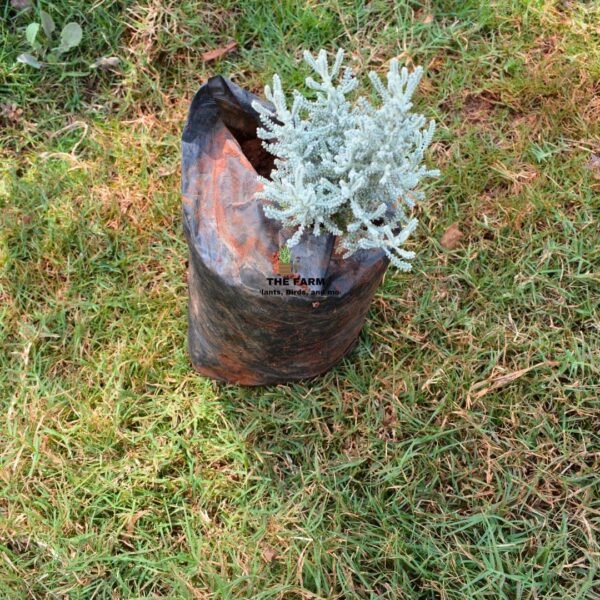
Santolina Chamaecyparissus Seedling in Kenya
Key Features of Santolina Chamaecyparissus Seedlings
- Common Name: Lavender Cotton
- Scientific Name: Santolina Chamaecyparissus
- Growth Habit: Compact, bushy shrub with silver-gray foliage and yellow button-like flowers
- Sunlight: Full sun
- Watering Needs: Regular watering when young; drought-tolerant once established
- Soil Type: Well-drained, sandy, or rocky soils; prefers slightly alkaline conditions
- Maintenance Level: Low; light pruning to maintain shape and promote growth
- Ideal Temperature: 15°C - 30°C
- Uses: Borders, rock gardens, low hedges, herb gardens, and ornamental accents
Use in Kenya
Santolina is ideal for Kenyan landscapes due to its resilience to heat and dry conditions. It is often used in Mediterranean-style gardens, mixed borders, or as a low-maintenance ground cover that adds texture and color contrast. Its aromatic qualities make it a lovely addition to pathways and garden beds where its fragrance can be enjoyed. By planting Santolina Chamaecyparissus seedlings, you bring a touch of elegance and practicality to your garden, enhancing both the aesthetics and functionality of your outdoor space.
Zanzibar Croton Seedling in Kenya
Key Features of Zanzibar Croton Seedlings
- Local Name: Zanzibar Croton
- Scientific Name: Codiaeum variegatum ‘Zanzibar’
- Growth Habit: Upright, bushy plant with long, slender, colorful leaves
- Sunlight: Bright, indirect light; tolerates some morning sun but avoids harsh afternoon rays
- Watering Needs: Regular watering; keep soil moist but avoid waterlogging
- Soil Type: Well-drained, fertile soils with good organic content
- Maintenance Level: Low; occasional pruning of dead leaves and light cleaning
- Ideal Temperature: 18°C - 30°C
- Uses: Indoor plant, outdoor landscaping, decorative pots, balconies, and patios
Use in Kenya
Zanzibar Croton is widely grown in Kenya for its vibrant colors and unique foliage. It is often used in garden borders, along pathways, or as an accent plant in pots and mixed displays. Indoors, it adds a bold splash of color to living rooms, offices, and other spaces where its vibrant leaves can be showcased. The plant’s resilience to Kenya’s climate and its low-maintenance nature make it a valuable addition to any garden or indoor plant collection, bringing tropical vibes and lively color year-round.


Reviews
There are no reviews yet.