
Jade plant
KSh 600.00 Original price was: KSh 600.00.KSh 499.00Current price is: KSh 499.00.
Key Features:
- Appearance: Glossy, oval-shaped green leaves with thick, fleshy stems.
- Size: Compact and manageable, ideal for small spaces or as a tabletop plant.
- Drought Tolerant: Stores water in its leaves, making it perfect for busy gardeners.
- Symbolism: Often considered a symbol of wealth and prosperity.
The Crassula Ovata Jade, commonly known as the Jade Plant, is a beloved succulent renowned for its thick, fleshy green leaves and low-maintenance care. Often referred to as the Money Tree or Lucky Plant, the Crassula Ovata Jade is thought to bring good fortune and prosperity, making it a popular choice in Kenya for both home and office décor. With its beautiful appearance and ease of care, this plant is a must-have for plant lovers of all levels.
Introduction
The Crassula Ovata Jade is a striking succulent with smooth, oval-shaped leaves that take on a deep green hue, often tinged with red at the edges when exposed to sunlight. Its compact, bushy growth makes it an attractive addition to any indoor or outdoor space, and its reputation as a “lucky plant” adds to its charm. Whether you’re looking to enhance your home décor or bring a touch of nature into your office, the Jade Plant is a perfect choice.
Benefits of Jade Plants:
- Air Purifier: Improves indoor air quality by reducing toxins.
- Low Maintenance: Requires minimal watering and care.
- Aesthetic Appeal: Adds a modern, minimalist touch to any space.
- Eco-Friendly: Ideal for sustainable indoor gardening.
Growth Conditions:
- Soil: Prefers well-draining, sandy or succulent-friendly soil.
- Sunlight: Thrives in bright, indirect light or partial sun.
- Watering: Allow soil to dry out completely between waterings. Overwatering should be avoided.
- Temperature: Does well in Kenya’s warm climate, but protect it from frost.
Usage Suggestions:
- Indoor Décor: Place on windowsills, desks, or tabletops for a pop of greenery.
- Garden Design: Use in succulent arrangements or as a focal point in rock gardens.
- Gift Idea: A thoughtful gift symbolizing prosperity and positivity.
🌵 Order Your Jade Plant Today! 🌵
Brighten your home or garden with a Jade Plant from thefarm.co.ke. Its timeless charm, low-maintenance nature, and rich symbolism make it an essential addition to any space. Bring prosperity and beauty into your life—shop now!
| plant type | Jade plant |
|---|
Only logged in customers who have purchased this product may leave a review.
Related products
Alkeria Tree Seedling
Key Features of Alkeria Tree Seedlings
- Fast-Growing: Alkeria tree seedlings are known for their rapid growth rate, making them ideal for reforestation and landscaping projects that require quick vegetation coverage.
- Resilient to Various Soil Types: These seedlings adapt well to a range of soil conditions, though they thrive best in fertile, well-draining soil rich in organic matter.
- High Carbon Absorption: Alkeria trees are effective carbon sinks, making them valuable for carbon offset projects and environmentally conscious planting initiatives.
- Attractive Foliage: The trees often feature vibrant, dense foliage that adds aesthetic appeal to any landscape, contributing to both decorative and practical uses.
- Soil-Enriching Properties: As they mature, Alkeria trees contribute to soil health through natural leaf litter and organic matter, improving the soil structure and fertility.
- Support for Biodiversity: These trees provide habitat and food sources for various wildlife, supporting local ecosystems and enhancing biodiversity in the area where they are planted.
- Drought Tolerance: Alkeria seedlings, once established, are relatively drought-resistant, making them suitable for regions with limited rainfall.
- Pest and Disease Resistance: Alkeria species typically have natural defenses against common pests and diseases, requiring minimal intervention once established.
- Versatile Uses: Apart from environmental benefits, mature Alkeria trees can be utilized for timber, shade, windbreaks, and ornamental purposes, adding value for landowners and communities.
Coleonema Pulchellum Seedling in Kenya
Key Features of Coleonema Pulchellum Seedlings
- Local Name: Confetti Bush Seedlings
- Scientific Name: Coleonema Pulchellum
- Growth Habit: Young, bushy shrub with fine foliage that matures into a compact, aromatic plant
- Sunlight: Full sun to partial shade
- Watering Needs: Regular watering during establishment; drought-tolerant once mature
- Soil Type: Well-drained, sandy, or loamy soils, slightly acidic to neutral
- Maintenance Level: Low; light pruning after flowering to maintain shape
- Ideal Temperature: 15°C - 25°C
- Uses: Borders, hedges, container planting, ornamental features, pollinator attraction
Use in Kenya
Confetti Bush seedlings are commonly planted in Kenyan gardens for their aesthetic value and ease of care. They are often used in mixed borders, as low hedges, or in decorative pots to add fragrance and color to patios, driveways, and pathways. As a versatile and hardy plant, the Confetti Bush seedling is perfect for those looking to enhance their gardens with minimal effort, bringing a touch of beauty and a delightful aroma to outdoor spaces.
Eugenia Seedling in Kenya
Key Features of Eugenia Seedlings
- Local Name: Muthiga Seedlings
- Scientific Name: Eugenia uniflora or Syzygium paniculatum
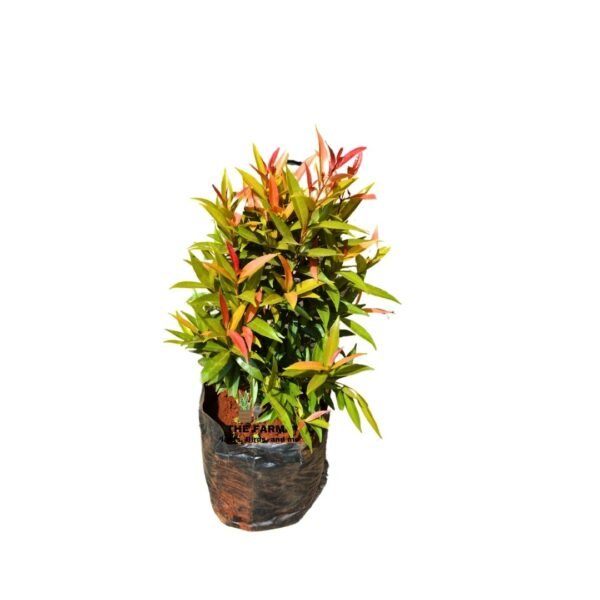
- Growth Habit: Dense, bushy growth with glossy green leaves and red new shoots
- Sunlight: Full sun to partial shade
- Watering Needs: Regular watering, especially when young; moderately drought-tolerant once established
- Soil Type: Well-drained, fertile soils with good organic content
- Maintenance Level: Low; requires minimal pruning
- Ideal Temperature: 18°C - 28°C
- Uses: Hedges, privacy screens, ornamental shrubs, topiaries
Use in Kenya
Eugenia seedlings are widely used across Kenya for creating lush, green landscapes that are both functional and attractive. Their popularity continues to grow among homeowners, landscapers, and garden designers due to their adaptability and easy maintenance. By planting Muthiga seedlings, you can quickly transform your outdoor space into a beautiful, green haven that offers privacy, beauty, and environmental benefits.
Green Grevillea Tree Seedling 3.5ft in Kenya
Key Features of Green Grevillea Tree Seedlings 3.5ft
- Perfect Size for Planting
- At 3.5ft tall, these seedlings are ideal for easy transplanting and rapid establishment in your garden.
- Vibrant Foliage and Unique Flowers
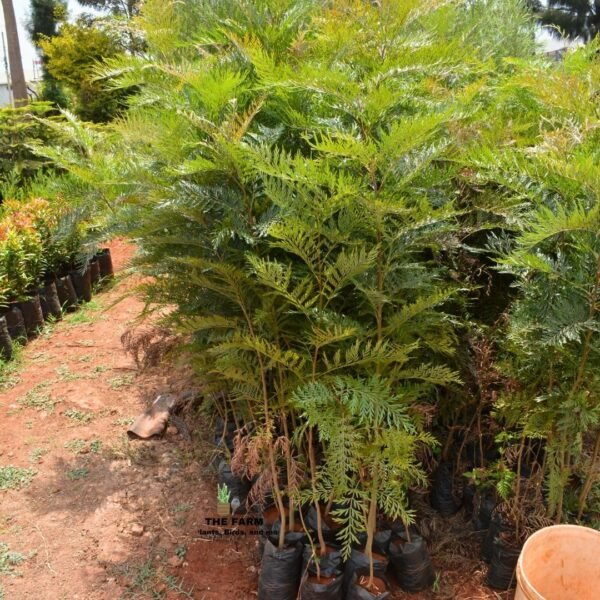
- Grevillea trees are known for their bright green foliage and striking, nectar-rich flowers that attract pollinators.
- Low Maintenance
- Requires minimal care once established; drought-tolerant and adaptable to various soil conditions.
- Eco-Friendly Benefits
- Supports biodiversity, reduces soil erosion, and sequesters carbon for environmental improvement.
- Versatile Uses
- Ideal for ornamental landscaping, privacy screens, and erosion control.
Use in Kenya
Grevillea seedlings are widely used across Kenya for both commercial and ecological purposes. They are commonly planted on farms to provide shade for coffee and tea, along boundaries as windbreaks, and in reforestation efforts to combat deforestation. The tree’s fast growth, versatility, and minimal care requirements make it an invaluable asset to Kenyan agriculture and environmental management. By planting Grevillea seedlings, you contribute to sustainable farming, protect your crops, and support Kenya’s green initiatives.
Marguerite Daisy Seedling in Kenya
Key Features of Marguerite Daisy Seedlings (Daisy)
- Local Name: Daisy
- Scientific Name: Argyranthemum frutescens
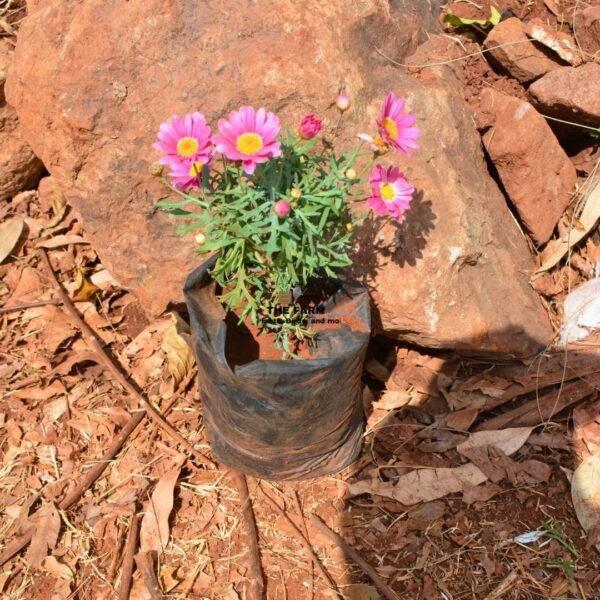
- Growth Habit: Bushy, upright plant with daisy-like flowers
- Sunlight: Full sun
- Watering Needs: Regular watering; drought-tolerant once established
- Soil Type: Well-drained, fertile soils with moderate moisture content
- Maintenance Level: Low; deadheading and light pruning recommended
- Ideal Temperature: 15°C - 25°C
- Uses: Garden beds, borders, containers, low hedges, and ornamental displays
Use in Kenya
In Kenya, Marguerite Daisies are often used to brighten gardens, driveways, and patios. Their ability to bloom profusely even in warm climates makes them a common choice for gardeners looking for low-maintenance, high-impact flowers. These plants also do well in pots, allowing gardeners to enjoy their cheerful blooms on balconies or verandas. With Marguerite Daisy seedlings, you can add lasting beauty and charm to your garden spaces with minimal effort.
Petra Croton Seedling in Kenya
Key Features of Petra Croton Seedlings
- Local Name: Petra Croton
- Scientific Name: Codiaeum variegatum
- Growth Habit: Compact, bushy shrub with variegated, colorful leaves
- Sunlight: Bright, indirect light; tolerates some morning sun but avoids harsh afternoon rays
- Watering Needs: Regular watering; keep soil moist but not waterlogged
- Soil Type: Well-drained, fertile soil with good organic content
- Maintenance Level: Low; occasional pruning of dead leaves and light cleaning
- Ideal Temperature: 18°C - 30°C
- Uses: Indoor plant, outdoor landscaping, decorative pots, patio and balcony displays
Use in Kenya
Petra Croton is widely used in Kenyan homes, offices, and gardens for its striking colors and easy maintenance. It is often grown indoors in decorative pots or used outdoors as a colorful accent in mixed borders, along walkways, or in garden beds. The plant’s bold foliage adds a tropical touch to any setting, making it a vibrant addition to both urban and rural landscapes. By planting Petra Croton seedlings, you are enhancing your space with a splash of color that brings joy and a touch of nature’s art to your environment.
Sunny Star Croton Seedling in Kenya
Key Features of Sunny Star Croton Seedlings
- Local Name: Sunny Star Croton
- Scientific Name: Codiaeum variegatum ‘Sunny Star’
- Growth Habit: Upright, bushy plant with glossy green leaves speckled with yellow
- Sunlight: Bright, indirect light; tolerates some morning sun but avoids harsh afternoon rays
- Watering Needs: Regular watering; keep soil moist but avoid waterlogging
- Soil Type: Well-drained, fertile soils with good organic content
- Maintenance Level: Low; occasional pruning of dead leaves and light cleaning
- Ideal Temperature: 18°C - 30°C
- Uses: Indoor plant, outdoor landscaping, decorative pots, patio, and balcony displays
Use in Kenya
Sunny Star Croton is widely used in Kenyan gardens, homes, and public spaces for its bold and colorful foliage. It is commonly planted along garden borders, in decorative pots on patios, or as an eye-catching indoor plant that adds a bright, cheerful element to any room. Its resilience to Kenya’s warm climate and ease of care make it a valuable addition to any plant collection, bringing a lively and exotic touch to both urban and rural environments. By planting Sunny Star Croton seedlings, you can enjoy year-round color and tropical vibes with minimal effort.
Zanzibar Croton Seedling in Kenya
Key Features of Zanzibar Croton Seedlings
- Local Name: Zanzibar Croton
- Scientific Name: Codiaeum variegatum ‘Zanzibar’
- Growth Habit: Upright, bushy plant with long, slender, colorful leaves
- Sunlight: Bright, indirect light; tolerates some morning sun but avoids harsh afternoon rays
- Watering Needs: Regular watering; keep soil moist but avoid waterlogging
- Soil Type: Well-drained, fertile soils with good organic content
- Maintenance Level: Low; occasional pruning of dead leaves and light cleaning
- Ideal Temperature: 18°C - 30°C
- Uses: Indoor plant, outdoor landscaping, decorative pots, balconies, and patios
Use in Kenya
Zanzibar Croton is widely grown in Kenya for its vibrant colors and unique foliage. It is often used in garden borders, along pathways, or as an accent plant in pots and mixed displays. Indoors, it adds a bold splash of color to living rooms, offices, and other spaces where its vibrant leaves can be showcased. The plant’s resilience to Kenya’s climate and its low-maintenance nature make it a valuable addition to any garden or indoor plant collection, bringing tropical vibes and lively color year-round.


Reviews
There are no reviews yet.