
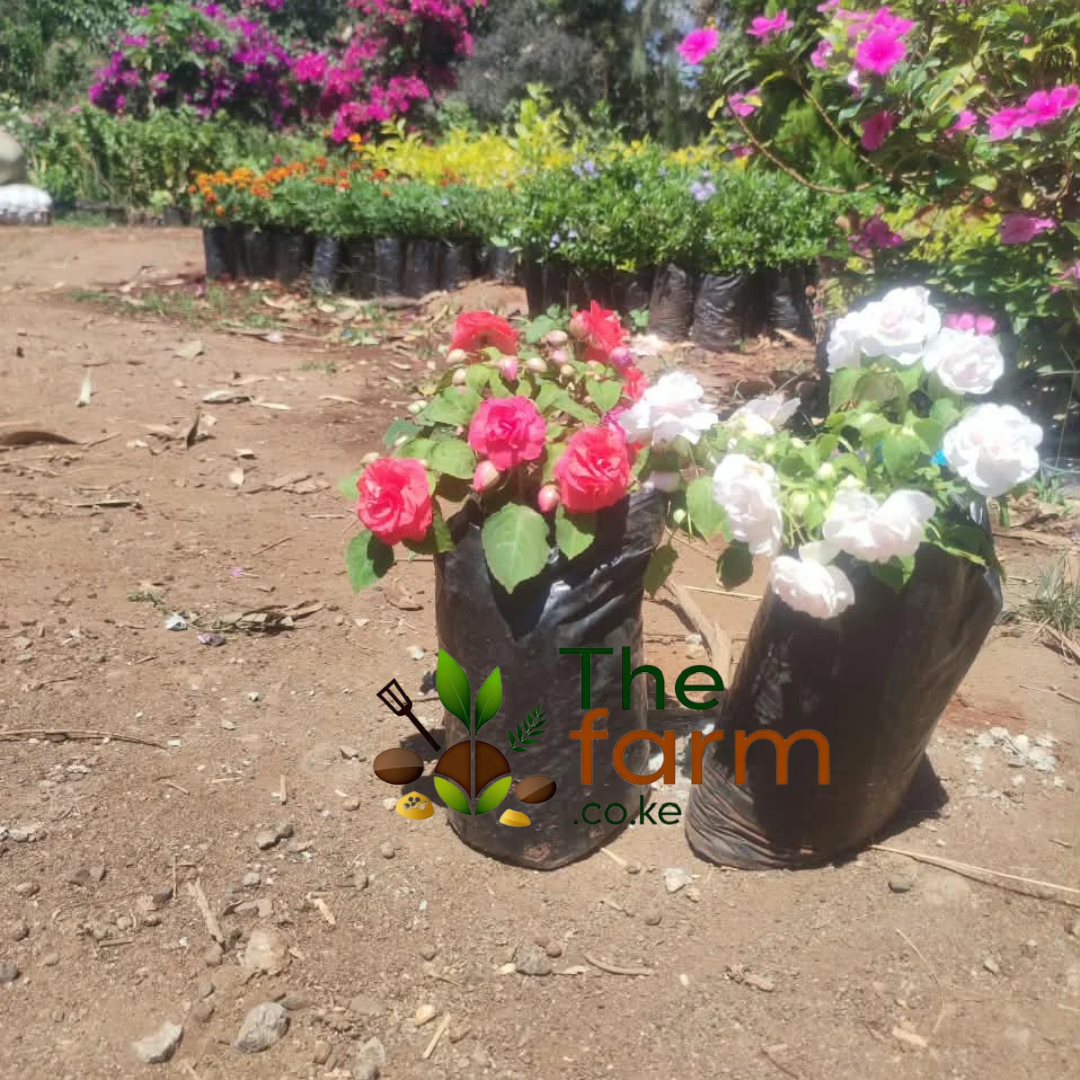
Impatiens walleriana – Busy Lizzie Flower Plant
Original price was: KSh 250.00.KSh 200.00Current price is: KSh 200.00.
1. Provides Natural Shade
Acacia auriculiformis develops a spreading canopy that can provide welcome shade in large gardens, farms, parks and open landscaped areas.
2. Fast-Growing Tree
Under favourable conditions, this species establishes and grows relatively quickly, making it useful for projects requiring tree cover within a shorter period.
3. Suitable for Windbreaks
When planted in appropriately designed rows, Acacia auriculiformis can help reduce wind exposure and protect selected areas of farms and landscapes.
4. Helps Reduce Soil Erosion
Its developing root system and canopy can help protect exposed soil from rainfall impact and erosion, particularly when combined with other good land-management practices.
5. Valuable for Timber and Fuelwood
The tree produces relatively dense wood that is used for fuelwood, charcoal, posts and various timber applications, depending on wood quality and processing.
6. Supports Land Rehabilitation
Acacia auriculiformis can establish on some nutrient-poor and degraded soils, making it a potential option for carefully managed land restoration projects.
7. Attractive Evergreen Foliage
Its green foliage provides year-round visual interest in suitable tropical conditions, helping beautify outdoor spaces and large compounds.
8. Contributes Organic Matter to Soil
Fallen leaves and other plant material decompose over time, adding organic matter to the soil and supporting nutrient cycling.
9. Potential Soil Nitrogen Benefits
As a leguminous tree, Acacia auriculiformis can form nitrogen-fixing associations with compatible soil bacteria, potentially improving nitrogen inputs under suitable conditions.
10. Useful for Agroforestry and Farm Boundaries
With proper spacing and management, the tree can provide wood products, shade and wind protection in selected agroforestry systems.
Acacia auriculiformis Seedling – Earleaf Acacia Tree
Scientific Name: Acacia auriculiformis A.Cunn. ex Benth.
Common Names: Earleaf Acacia, Ear-Pod Wattle, Northern Black Wattle, Australian Acacia
Local Name in Kenya: Commonly referred to as Acacia or Australian Acacia. In Swahili, Mti wa Acacia may be used descriptively, but there is no widely established indigenous Kenyan name specific to this species.
Plant Category: Outdoor Tree Seedlings / Ornamental & Shade Trees
Plant Type: Fast-growing evergreen tree
Indoor or Outdoor: Outdoor plant
Plant Family: Fabaceae (Legume family)
Origin: Australia, Papua New Guinea and parts of Indonesia
Main Uses: Shade, landscaping, windbreaks, timber, fuelwood and soil rehabilitation.
Short Product Description
Transform your outdoor space with the Acacia auriculiformis (Earleaf Acacia) Tree Seedling from The Farm Kenya.
This fast-growing evergreen tree is admired for its attractive green foliage, spreading canopy and ability to thrive in a variety of tropical growing conditions. It is an excellent choice for large gardens, farms, commercial landscaping, shade provision and windbreak establishment.
Acacia auriculiformis is also valued for its durable timber, fuelwood production and potential contribution to land restoration projects.
Long Product Description
Acacia auriculiformis Tree Seedlings for Sale in Kenya
Create a greener, more attractive landscape with Acacia auriculiformis seedlings from The Farm Kenya.
Commonly known as Earleaf Acacia or Australian Acacia, this hardy evergreen tree is widely planted in tropical regions for ornamental landscaping, shade, timber production and environmental rehabilitation.
The tree is characterised by its long, narrow, curved green leaf-like structures (technically called phyllodes), relatively fast growth and dense canopy as it matures.
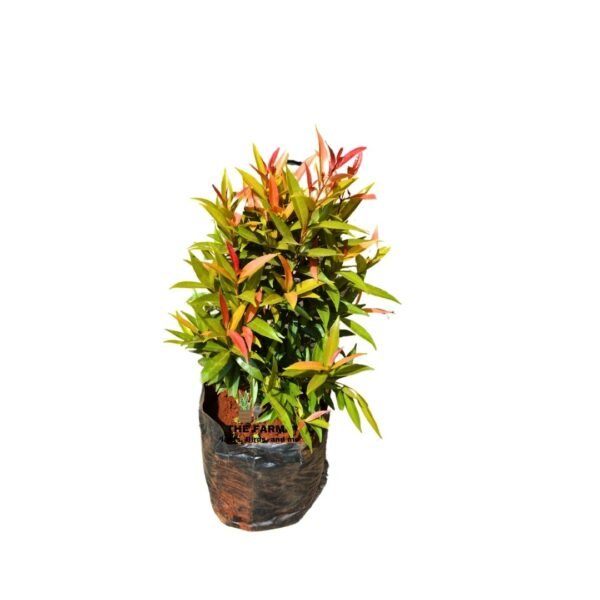
As shown in the product photograph, the young tree has an upright growth habit with slender stems and elongated green foliage.
When planted in suitable outdoor conditions, Acacia auriculiformis can develop into a medium-sized tree, often reaching approximately 15–30 metres at maturity, depending on climate, soil and growing conditions.
Its adaptability makes it useful for farms, spacious residential compounds, institutional grounds and selected commercial landscaping projects.
Only logged in customers who have purchased this product may leave a review.
Related products


Coleus in Kenya
Key Features of Coleus
- Local Name: Mbarika
- Scientific Name: Coleus blumei or Plectranthus scutellarioides
- Growth Habit: Bushy, with a wide range of leaf colors and patterns
- Sunlight: Partial to full shade
- Watering Needs: Regular watering; keep the soil moist but not soggy
- Soil Type: Well-drained, fertile, loamy soil
- Maintenance Level: Low
- Ideal Temperature: 18°C - 30°C
- Propagation: Easy from cuttings
Use in Kenya
Coleus is a popular plant in Kenyan homes, gardens, and landscapes, often used to add color and texture to outdoor and indoor settings. Its ease of growth and maintenance makes it a preferred choice for anyone looking to brighten up their space with minimal effort. The local love for Mbarika continues to grow, as it not only beautifies spaces but also embodies the vibrant spirit of Kenyan gardening culture.




Reviews
There are no reviews yet.