


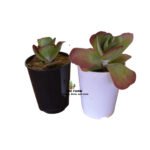
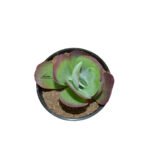
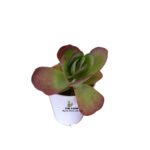
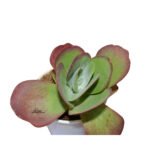


Kalanchoe Luciae Succulent Flap Jack Plant
Original price was: KSh 1,995.00.KSh 1,299.00Current price is: KSh 1,299.00.
Introduction
Kalanchoe Luciae, commonly known as the Flap Jack or Paddle Plant, is a unique and visually striking succulent that is popular among plant enthusiasts. With its thick, paddle-shaped leaves and vibrant colors, this succulent adds a touch of beauty to any indoor space. In this guide, we will explore how to grow and care for the Flap Jack succulent, including watering, soil requirements, pruning, propagation, sunlight exposure, fertilization, common diseases, time taken to mature, and flowering. Let’s dive in!
Watering
The Flap Jack succulent has moderate water needs. It is important to avoid overwatering, as this can lead to root rot. Water the plant thoroughly and allow the soil to dry out between waterings. During the winter months, when the plant is in a dormant state, reduce watering frequency.
Soil
When it comes to soil, the Flap Jack succulent prefers well-draining soil that is rich in organic matter. A cactus or succulent potting mix is ideal. Ensure the pot has drainage holes to prevent waterlogging.
Pruning
Pruning is not necessary for the Flap Jack succulent. However, if you notice any dead or damaged leaves, you can gently remove them using clean, sharp scissors or pruning shears. This will help maintain the plant’s appearance and overall health.
Propagation
The Flap Jack succulent can be propagated through leaf cuttings or offsets. To propagate through leaf cuttings, simply remove a healthy leaf from the parent plant and allow it to callus for a few days. Then, place the leaf on well-draining soil and mist it occasionally. After a few weeks, roots will start to develop, followed by new plantlets.
Sunlight
The Flap Jack succulent thrives in bright, indirect sunlight. Place it near a window that receives partial sun or bright filtered light. Avoid exposing the plant to direct sunlight for extended periods, as it can lead to sunburn and damage the leaves.
Fertilize
During the growing season, which is typically spring and summer, you can fertilize the Flap Jack succulent with a balanced, water-soluble fertilizer. Follow the instructions on the fertilizer packaging for the correct dosage and frequency. During the dormant season, refrain from fertilizing.
Diseases
The Flap Jack succulent is generally a hardy plant, but it can be susceptible to mealybugs and aphids. Regularly inspect the plant for any signs of pests and treat them promptly using an organic insecticidal soap or a neem oil solution.
Time Taken to Mature and Flowering
The Flap Jack succulent takes about 2-3 years to reach maturity. Once mature, it produces tall flower spikes with clusters of small, tubular flowers. The flowers are usually yellow or orange and add a beautiful touch to the plant’s overall appearance.
Best Suited in the House
The Flap Jack succulent is well-suited for indoor environments. It thrives in average room temperatures and can tolerate low humidity levels. It is an excellent choice for offices, living rooms, bedrooms, or any space that receives bright, indirect sunlight.
Benefits of Kalanchoe Luciae as a House Plant
There are several benefits to having a Kalanchoe Luciae, or Flap Jack, as a house plant. Firstly, it is a low-maintenance plant that requires minimal care and attention. Secondly, its unique foliage adds a touch of visual interest and beauty to any indoor space. Additionally, succulent plants are known for their air-purifying properties, helping to improve indoor air quality by removing toxins and releasing oxygen.
Where to Buy Flap Jack Succulent in Kenya
If you are looking to buy a Flap Jack succulent or other succulent plants in Kenya, you can visit thefarm.co.ke. They offer a wide variety of succulent plants and provide delivery services for your convenience.
Whether you are a seasoned plant enthusiast or a beginner, the Flap Jack succulent is a wonderful addition to any indoor plant collection. With its unique appearance and easy care requirements, it is sure to bring joy and beauty to your home or office space.
| Weight | 5 kg |
|---|
Only logged in customers who have purchased this product may leave a review.
You may also like…


Related products



Umbrella Tree – Schefflera Actinophylla
Key Features:
- Local Name (Kenya): Nzasi
- Air Purification: Schefflera plants are known for their ability to filter toxins from indoor air.
- Easy Maintenance: Low-maintenance and ideal for busy individuals.
- Modern Décor: Concrete planters provide a contemporary and minimalist look, enhancing the overall appeal of the Schefflera.
- Stability: Concrete planters offer a sturdy base, ensuring the plant remains healthy and upright.


Reviews
There are no reviews yet.