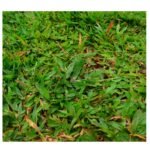
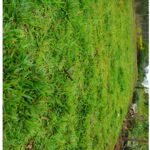
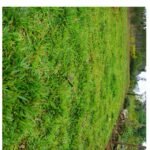
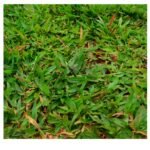


Buffalo Grass
KSh 2,000.00 Original price was: KSh 2,000.00.KSh 999.00Current price is: KSh 999.00.
Key Features
- Soft texture: provides a comfortable, soft surface, making it ideal for lawns where children and pets play.
- Drought Tolerant: Highly resilient to dry conditions, requiring less water than most other turf grasses, saving on water costs.
- Low Maintenance: Grows slowly, reducing the need for frequent mowing and maintenance.
- Shade Tolerance: Can thrive in partial shade, making it suitable for a variety of landscapes.
- Affordable Pricing: Priced at 1000 KES per square meter, making it an accessible and cost-effective option for lush, green lawns.
- Cold and Heat Resistant: Performs well in a range of climates, handling both hot summers and cooler conditions.
Introduction
Buffalo Grass (Bouteloua dactyloides) is a resilient, warm-season turf grass known for its soft texture, drought tolerance, and low maintenance needs. It’s an excellent choice for homeowners and landscapers seeking a lush, green lawn that thrives with minimal care. Ideal for both residential and commercial landscapes, Buffalo Grass offers a sustainable solution for maintaining attractive, eco-friendly lawns.
Benefits
- Water Efficiency: Requires significantly less water compared to traditional grasses, making it a sustainable and eco-friendly option for lawns.
- Soft and Comfortable Lawn: Its soft blades create a pleasant surface for outdoor activities, enhancing the usability of your lawn.
- Low Mowing Requirement: Due to its slow growth rate, it needs less frequent mowing, saving time and effort.
- Versatile Use: Suitable for residential lawns, parks, commercial landscapes, and even erosion control on slopes.
- Durable and Resilient: Handles foot traffic well, making it an excellent option for spaces with high activity.
Growth Conditions
- Light: Prefers full sun but can tolerate partial shade, making it versatile for different environments.
- Water: Drought-resistant; water moderately during establishment, then reduce watering frequency.
- Temperature: Thrives in warm climates with temperatures ranging from 15°C to 35°C but can survive mild frosts.
- Soil: Best grown in well-draining soil; adapts well to sandy, loamy, or clay soils for optimal growth.
- Fertilization: Requires minimal fertilization; a light application during the growing season is sufficient to maintain its lush appearance.
Conclusion
Buffalo Grass is the perfect choice for those looking to maintain a beautiful, green lawn with minimal effort. Its drought tolerance, soft texture, and low maintenance needs make it suitable for a variety of landscapes, from residential lawns to commercial spaces. Whether you’re an experienced landscaper or a homeowner seeking an eco-friendly lawn solution, Buffalo Grass offers both aesthetic appeal and sustainability.
| plant type | Grass carpet |
|---|
Only logged in customers who have purchased this product may leave a review.
Related products
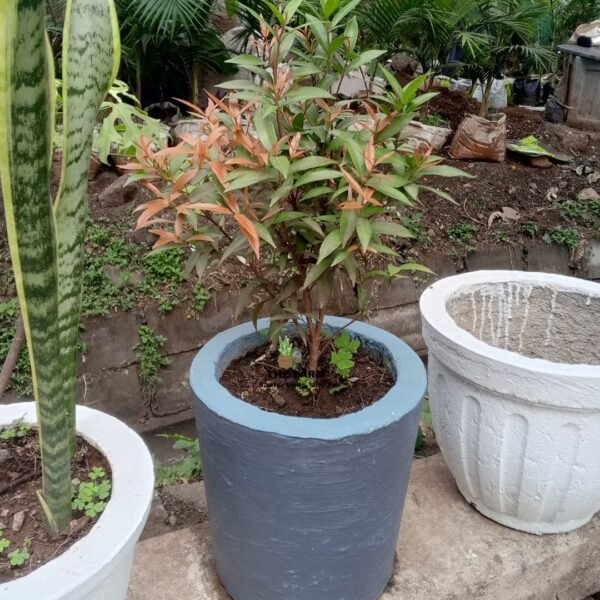
1ft Bottle Brush Tree Seedlings
Key Features of Bottle Brush Tree Seedlings
- Sizes for All Needs: Available from 1ft to 5ft, catering to gardeners and landscapers alike.
- Low Maintenance: Easy to care for, drought-tolerant, and pest-resistant.
- Year-Round Greenery: Evergreen foliage adds beauty and structure to any garden.
- Pollinator-Friendly: Attracts bees, butterflies, and birds to support biodiversity.
- Eco-Friendly Benefits: Improves air quality and stabilizes soil.
Conclusion
Bottle Brush Tree Seedlings 1ft are an exceptional choice for anyone looking to add vibrant color, charm, and environmental benefits to their garden or landscape. With their stunning red flowers, year-round greenery, and pollinator-friendly nature, these trees provide beauty and functionality for years to come.
By providing the right growing conditions—such as well-draining soil, full sunlight, and proper watering—you can enjoy the vibrant blossoms and lush foliage of these remarkable trees.
Alkeria Tree (4 ft) in Kenya seedling.
Key Features of the Alkeria Tree
- Rapid Growth: The Alkeria tree grows quickly, reaching up to 4 feet in a relatively short time, making it ideal for reforestation and soil stabilization projects.
- Drought Tolerance: With its resilience in dry conditions, the Alkeria tree is well-suited for arid and semi-arid areas, requiring minimal water once established.
- Soil Enrichment: Known for improving soil fertility, the Alkeria tree adds organic matter, enhancing soil health and benefiting surrounding plants.
- Carbon Absorption: High carbon sequestration ability makes it effective in reducing carbon footprint, contributing positively to climate change mitigation.
- Biodiversity Support: Provides a habitat and food source for various wildlife species, promoting biodiversity and supporting local ecosystems.
- Adaptability: Grows well in a variety of soils and climates, making it versatile for different Kenyan landscapes, from highlands to plains.
- Low Maintenance: Once established, the tree requires minimal upkeep, making it a practical choice for long-term sustainability projects.
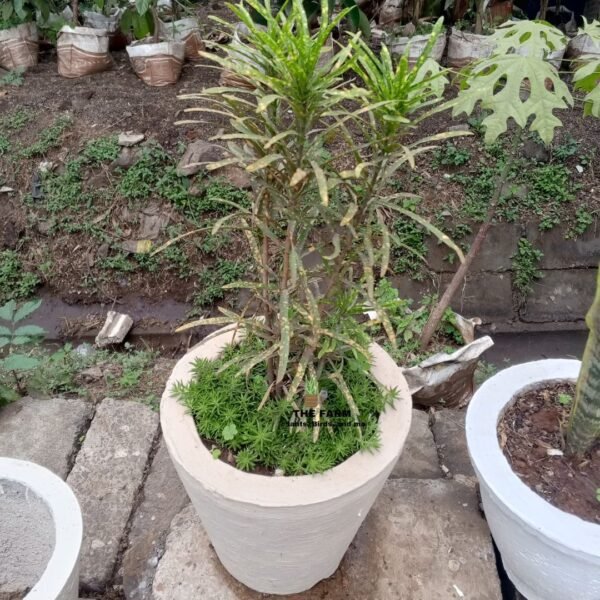
Croton Plant
Introduction
The Croton plant is a stunning and bold addition to any garden or indoor plant collection. Known for its vibrant, multicolored leaves, this tropical beauty brings an explosion of color and life to any space. Its variety of leaf shapes and striking hues make it a favorite among plant enthusiasts looking for something unique and eye-catching.
Benefits
- Aesthetic Appeal: The vibrant colors and varied leaf shapes of Croton make it an excellent choice for adding visual interest to gardens or homes.
- Air Purification: Croton helps filter indoor air, improving air quality by removing pollutants like formaldehyde and benzene.
- Low Maintenance: Despite its dramatic appearance, Croton requires relatively little care once its growing conditions are met.
- Versatile Use: It can be grown as a houseplant, or in outdoor gardens as a border or accent plant.
- Durable: With proper care, Croton can be a long-lasting, robust plant that provides year-round color.
Conditions for Optimal Growth
- Soil: Croton prefers well-draining soil rich in organic matter. A mix of peat-based potting soil or loamy soil works best.
- Sunlight: Bright, indirect light is essential for Croton to maintain its vivid colors. While it can tolerate some shade, lack of light can dull its foliage.
- Watering: Keep the soil evenly moist but not waterlogged. Crotons like high humidity, so misting the plant occasionally helps. Allow the top layer of soil to dry between waterings.
- Temperature: Best grown in warm environments between 60°F and 85°F (16°C to 29°C). Avoid cold drafts and temperatures below 50°F (10°C), as Croton is sensitive to cold.
- Fertilization: Feed with a balanced liquid fertilizer once a month during the growing season (spring and summer). Reduce feeding in fall and winter.
Conclusion
The Croton plant is a bold, eye-catching option for anyone looking to add color and texture to their garden or home. Its dazzling foliage, combined with its low maintenance needs, makes it an ideal choice for both indoor and outdoor gardening. With proper care, the Croton plant will reward you with vivid, ever-changing colors, providing year-round tropical beauty to any space.
Eugenia Plant
Introduction
The Eugenia plant is a beautiful, evergreen shrub that is prized for its ability to be shaped into intricate designs or used as a lush hedge. Its fast growth and ease of maintenance make it a favorite for landscaping, while its small fruits offer a delightful, edible bonus.
Benefits
- Ornamental Appeal: The plant's dense, glossy foliage is perfect for creating formal gardens, privacy screens, or decorative topiaries.
- Edible Fruits: Some species produce small, cherry-like fruits that are both ornamental and edible, adding a unique touch to the garden.
- Low Maintenance: Once established, Eugenia requires minimal care and is resistant to most pests and diseases.
- Versatile Landscaping: It can be grown as a hedge, privacy screen, container plant, or topiary, adding greenery to a variety of spaces.
- Fast Growth: It’s a great option for those looking to quickly fill out hedges or create a green backdrop in their gardens.
Conditions for Optimal Growth
- Soil: Prefers well-draining soil rich in organic matter. It can tolerate a variety of soils but thrives in slightly acidic conditions.
- Sunlight: Grows best in full sun to partial shade. For optimal growth and fruit production, provide at least 6 hours of sunlight daily.
- Watering: Regular watering is required, especially during the growing season. Allow the soil to dry slightly between waterings to prevent waterlogging.
- Temperature: Best suited for warm, tropical, and subtropical climates (USDA zones 9-11). It can tolerate mild frost but should be protected from freezing temperatures.
- Pruning: Prune regularly to maintain shape, especially when used for topiaries or hedging. Pruning encourages denser growth and helps control its size.
Conclusion
The Eugenia plant is a fantastic choice for gardeners looking for a versatile, fast-growing shrub that serves both ornamental and practical purposes. Its lush, evergreen foliage and ease of pruning make it perfect for hedging, topiary, or container gardening, while its edible fruits add an extra layer of interest. With the right care, the Eugenia plant can be a beautiful and functional addition to any landscape.
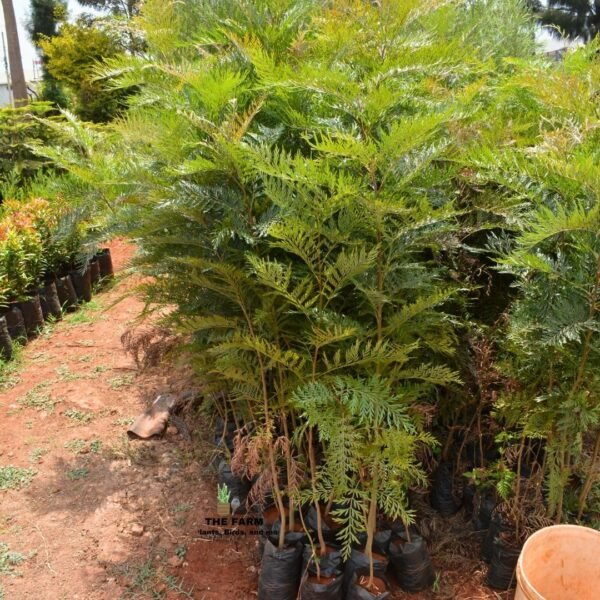
Green Grevillea Tree Seedling 3.5ft in Kenya
Key Features of Green Grevillea Tree Seedlings 3.5ft
- Perfect Size for Planting
- At 3.5ft tall, these seedlings are ideal for easy transplanting and rapid establishment in your garden.
- Vibrant Foliage and Unique Flowers
- Grevillea trees are known for their bright green foliage and striking, nectar-rich flowers that attract pollinators.
- Low Maintenance
- Requires minimal care once established; drought-tolerant and adaptable to various soil conditions.
- Eco-Friendly Benefits
- Supports biodiversity, reduces soil erosion, and sequesters carbon for environmental improvement.
- Versatile Uses
- Ideal for ornamental landscaping, privacy screens, and erosion control.
Use in Kenya
Grevillea seedlings are widely used across Kenya for both commercial and ecological purposes. They are commonly planted on farms to provide shade for coffee and tea, along boundaries as windbreaks, and in reforestation efforts to combat deforestation. The tree’s fast growth, versatility, and minimal care requirements make it an invaluable asset to Kenyan agriculture and environmental management. By planting Grevillea seedlings, you contribute to sustainable farming, protect your crops, and support Kenya’s green initiatives.
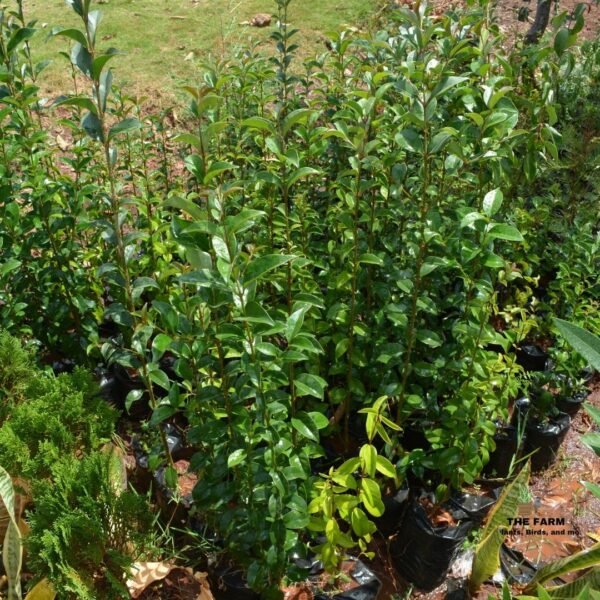
Ligustrum Ovalifolium Seedling in Kenya
Key Features of Ligustrum Ovalifolium Seedlings
- Common Name: Privet
- Scientific Name: Ligustrum ovalifolium
- Growth Habit: Dense, bushy shrub with glossy, oval-shaped leaves
- Sunlight: Full sun to partial shade
- Watering Needs: Regular watering when young; drought-tolerant once established
- Soil Type: Well-drained, fertile soils; adaptable to sandy and loamy conditions
- Maintenance Level: Low; regular pruning needed for shape and density
- Ideal Temperature: 15°C - 28°C
- Uses: Hedges, privacy screens, borders, ornamental shrub
Use in Kenya
Privet is widely used in Kenyan landscaping for its versatility and aesthetic value. It is often planted as a hedge along property lines, driveways, and garden borders to create a formal, manicured look. Its adaptability to Kenya’s diverse climates and its ability to thrive with minimal care make it a popular choice among homeowners and landscapers. By planting Ligustrum Ovalifolium seedlings, you are enhancing the beauty and functionality of your garden while contributing to a greener and healthier environment.
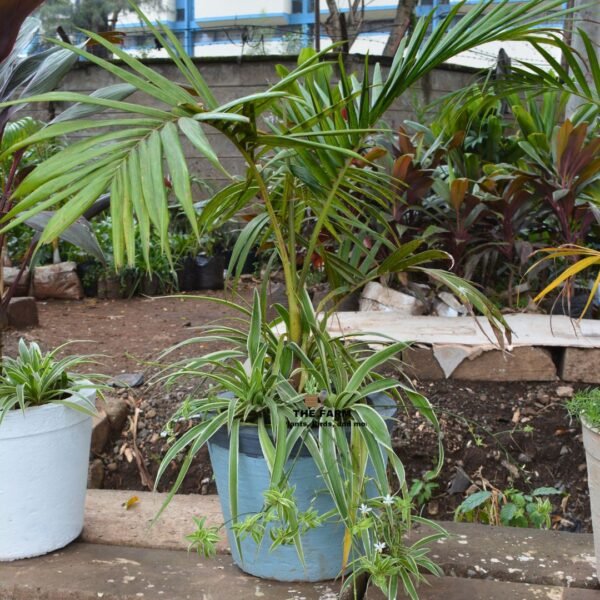
Royal Palm (Roystonea regia)
Introduction
The Royal Palm is a symbol of grace and grandeur in tropical landscapes. Its towering presence and iconic look make it a standout plant in gardens, parks, and urban settings. Whether lining streets or serving as a centerpiece in large open spaces, the Royal Palm brings a sense of tropical luxury to any environment.
Benefits
- Aesthetic Beauty: With its tall trunk and large, arching fronds, the Royal Palm adds elegance and tropical charm to landscapes, making it perfect for formal avenues and expansive gardens.
- Wind and Salt Tolerant: The Royal Palm can tolerate coastal conditions and is resilient to salt spray, making it an ideal choice for beachfront properties or tropical climates.
- Low Maintenance: Once established, Royal Palms require little care and can adapt to a variety of soil types and conditions.
- Wildlife Habitat: Its fruits and leaves provide habitat and food for birds and other wildlife.
- Shade Provider: The wide, expansive fronds provide shade and create a cooling effect, which can be especially beneficial in hot climates.
Conditions for Optimal Growth
- Soil: Prefers well-draining, slightly acidic soil. It can tolerate a variety of soil types but grows best in rich, loamy soil.
- Sunlight: Thrives in full sun, needing at least 6-8 hours of direct sunlight per day for optimal growth.
- Watering: Requires regular watering, especially when young. Once established, it becomes more drought-tolerant, though it prefers consistent moisture.
- Temperature: Best grown in tropical or subtropical climates, withstanding temperatures as low as 28°F (-2°C) but thriving in warmer conditions.
- Fertilization: Benefits from regular fertilization with a palm-specific fertilizer, especially in nutrient-deficient soils, to prevent yellowing leaves and encourage healthy growth.
Conclusion
The Royal Palm is a symbol of grandeur and elegance, perfect for those looking to make a dramatic statement in their landscaping. With its tall, smooth trunk and graceful, arching fronds, this tropical palm brings a lush, luxurious feel to any garden or avenue. Low maintenance and resilient, the Royal Palm is an excellent choice for coastal, tropical, and subtropical environments where its beauty and stature can be fully appreciated.
Ruby Red Alternanthera Seedling in Kenya
Key Features of Ruby Red Alternanthera Seedlings
- Local Name: Ruby Leaf
- Scientific Name: Alternanthera dentata
- Growth Habit: Low-growing, bushy plant with vibrant red to purple foliage
- Sunlight: Full sun to partial shade
- Watering Needs: Regular watering; prefers consistently moist but well-drained soil
- Soil Type: Well-drained, fertile soils; adaptable to sandy and loamy conditions
- Maintenance Level: Low; occasional pruning to maintain shape and promote bushiness
- Ideal Temperature: 18°C - 30°C
- Uses: Borders, ground cover, mixed plantings, decorative pots, and accent plants
Use in Kenya
Ruby Red Alternanthera is widely used in Kenyan gardens for its striking foliage and versatility in landscaping. It is often planted along garden edges, in flower beds, or as a colorful ground cover that contrasts beautifully with green-leafed plants. Its heat tolerance and minimal care requirements make it a perfect choice for both urban and rural gardens across Kenya. By planting Ruby Red Alternanthera seedlings, you are enhancing your garden with vibrant colors and easy-to-manage plants that thrive in the local climate.


Reviews
There are no reviews yet.