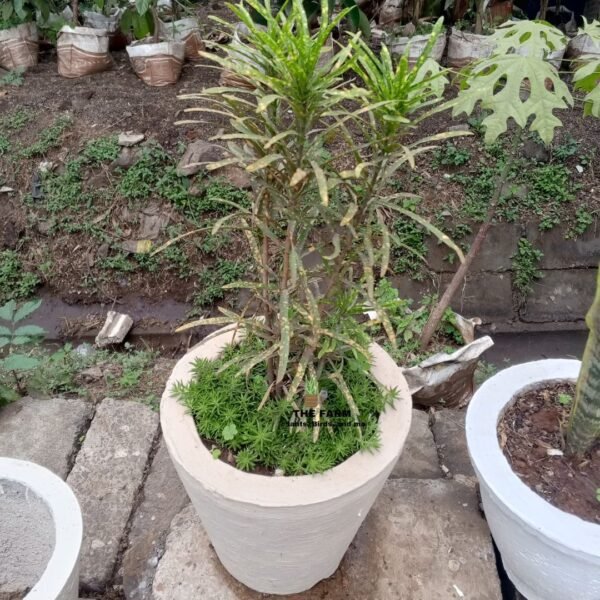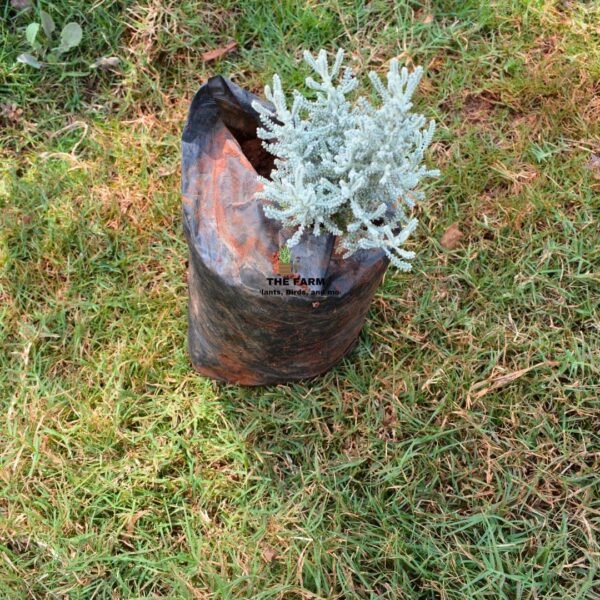
Arrowhead Plant Seedling
KSh 1,000.00 Original price was: KSh 1,000.00.KSh 799.00Current price is: KSh 799.00.
Key Features
- Variegated Foliage: The leaves come in shades of green with hints of white, pink, or cream, adding a splash of color.
- Compact Growth: Ideal for small pots, making it perfect for desks, shelves, or compact spaces.
- Adaptable Form: Can be kept bushy or trained as a vine, depending on pruning and support provided.
- Resilient: Tolerates a wide range of light conditions, though it prefers indirect light.
- Growth Potential: Starts as a compact plant but can grow into a vine or climbing plant when provided with support.
Introduction
The Arrowhead plant (Syngonium podophyllum) is a popular, low-maintenance houseplant perfect for both beginners and experienced plant lovers. Known for its arrow-shaped leaves and vibrant hues, this seedling brings life and aesthetic appeal to any indoor or shaded outdoor space. Its versatility and air-purifying qualities make it a sought-after addition to homes, offices, or small gardens.
Benefits
- Air Purification: The Arrowhead plant is known to filter toxins from the air, improving indoor air quality.
- Aesthetic Appeal: Its changing leaf shape and variegated colors add visual interest to any space.
- Easy Maintenance: A low-care plant that thrives even with minimal attention, making it suitable for busy individuals.
- Versatility: Can be grown as a trailing or climbing plant, giving you flexibility in how you display it.
- Stress Relief: Growing and caring for plants like the Arrowhead has been linked to reduced stress and improved mood.
Growth Conditions
- Light: Prefers bright, indirect sunlight but can also thrive in low light. Avoid direct sunlight to prevent leaf burn.
- Water: Keep the soil consistently moist, but avoid overwatering. Allow the top inch of soil to dry out before watering.
- Temperature: Optimal temperature range is 15°C to 25°C. Keep away from cold drafts and extreme heat.
- Humidity: Enjoys a humid environment; mist the plant regularly or place it near a humidifier.
- Soil: Best grown in well-draining potting mix rich in organic matter to support healthy growth.
Conclusion
The Arrowhead plant seedling is an excellent choice for anyone looking to enhance their indoor space with a touch of green. Its low-maintenance nature, air-purifying benefits, and aesthetic flexibility make it a must-have for plant enthusiasts. Whether displayed as a trailing vine or a compact potted plant, the Arrowhead plant adds a refreshing and vibrant element to any setting.
Only logged in customers who have purchased this product may leave a review.
Related products
Bougainvillea Plant Seedlings Red
Key Features of Bougainvillea Seedlings
- Local Name: Bougainvillea
- Scientific Name: Bougainvillea spp.
- Growth Habit: Climbing vine or bushy shrub with thorny stems and colorful bracts
- Sunlight: Full sun
- Watering Needs: Regular watering when young; highly drought-tolerant once established
- Soil Type: Well-drained, sandy, or loamy soils; tolerates poor soil conditions
- Maintenance Level: Low; light pruning to encourage blooming and maintain shape
- Ideal Temperature: 20°C - 35°C
- Uses: Ornamental climbing vine, hedging, ground cover, bonsai, security barriers
Use in Kenya
Bougainvillea is widely planted across Kenya for its brilliant display of colors and ease of maintenance. It is often used to adorn fences, walls, and trellises, creating vibrant floral cascades that beautify homes, hotels, public spaces, and roadsides. Its resilience and adaptability to Kenya’s diverse climates make it an enduring favorite among gardeners and landscapers alike. With proper care and pruning, Bougainvillea seedlings will grow into stunning plants that provide eye-catching color and a touch of nature’s charm wherever they are planted.
Coleonema Pulchellum Seedling in Kenya
Key Features of Coleonema Pulchellum Seedlings
- Local Name: Confetti Bush Seedlings
- Scientific Name: Coleonema Pulchellum
- Growth Habit: Young, bushy shrub with fine foliage that matures into a compact, aromatic plant
- Sunlight: Full sun to partial shade
- Watering Needs: Regular watering during establishment; drought-tolerant once mature
- Soil Type: Well-drained, sandy, or loamy soils, slightly acidic to neutral
- Maintenance Level: Low; light pruning after flowering to maintain shape
- Ideal Temperature: 15°C - 25°C
- Uses: Borders, hedges, container planting, ornamental features, pollinator attraction
Use in Kenya
Confetti Bush seedlings are commonly planted in Kenyan gardens for their aesthetic value and ease of care. They are often used in mixed borders, as low hedges, or in decorative pots to add fragrance and color to patios, driveways, and pathways. As a versatile and hardy plant, the Confetti Bush seedling is perfect for those looking to enhance their gardens with minimal effort, bringing a touch of beauty and a delightful aroma to outdoor spaces.
Croton Plant
Introduction
The Croton plant is a stunning and bold addition to any garden or indoor plant collection. Known for its vibrant, multicolored leaves, this tropical beauty brings an explosion of color and life to any space. Its variety of leaf shapes and striking hues make it a favorite among plant enthusiasts looking for something unique and eye-catching.
Benefits
- Aesthetic Appeal: The vibrant colors and varied leaf shapes of Croton make it an excellent choice for adding visual interest to gardens or homes.
- Air Purification: Croton helps filter indoor air, improving air quality by removing pollutants like formaldehyde and benzene.
- Low Maintenance: Despite its dramatic appearance, Croton requires relatively little care once its growing conditions are met.
- Versatile Use: It can be grown as a houseplant, or in outdoor gardens as a border or accent plant.
- Durable: With proper care, Croton can be a long-lasting, robust plant that provides year-round color.
Conditions for Optimal Growth
- Soil: Croton prefers well-draining soil rich in organic matter. A mix of peat-based potting soil or loamy soil works best.
- Sunlight: Bright, indirect light is essential for Croton to maintain its vivid colors. While it can tolerate some shade, lack of light can dull its foliage.
- Watering: Keep the soil evenly moist but not waterlogged. Crotons like high humidity, so misting the plant occasionally helps. Allow the top layer of soil to dry between waterings.
- Temperature: Best grown in warm environments between 60°F and 85°F (16°C to 29°C). Avoid cold drafts and temperatures below 50°F (10°C), as Croton is sensitive to cold.
- Fertilization: Feed with a balanced liquid fertilizer once a month during the growing season (spring and summer). Reduce feeding in fall and winter.
Conclusion
The Croton plant is a bold, eye-catching option for anyone looking to add color and texture to their garden or home. Its dazzling foliage, combined with its low maintenance needs, makes it an ideal choice for both indoor and outdoor gardening. With proper care, the Croton plant will reward you with vivid, ever-changing colors, providing year-round tropical beauty to any space.
Eugenia Plant
Introduction
The Eugenia plant is a beautiful, evergreen shrub that is prized for its ability to be shaped into intricate designs or used as a lush hedge. Its fast growth and ease of maintenance make it a favorite for landscaping, while its small fruits offer a delightful, edible bonus.
Benefits
- Ornamental Appeal: The plant's dense, glossy foliage is perfect for creating formal gardens, privacy screens, or decorative topiaries.
- Edible Fruits: Some species produce small, cherry-like fruits that are both ornamental and edible, adding a unique touch to the garden.
- Low Maintenance: Once established, Eugenia requires minimal care and is resistant to most pests and diseases.
- Versatile Landscaping: It can be grown as a hedge, privacy screen, container plant, or topiary, adding greenery to a variety of spaces.
- Fast Growth: It’s a great option for those looking to quickly fill out hedges or create a green backdrop in their gardens.
Conditions for Optimal Growth
- Soil: Prefers well-draining soil rich in organic matter. It can tolerate a variety of soils but thrives in slightly acidic conditions.
- Sunlight: Grows best in full sun to partial shade. For optimal growth and fruit production, provide at least 6 hours of sunlight daily.
- Watering: Regular watering is required, especially during the growing season. Allow the soil to dry slightly between waterings to prevent waterlogging.
- Temperature: Best suited for warm, tropical, and subtropical climates (USDA zones 9-11). It can tolerate mild frost but should be protected from freezing temperatures.
- Pruning: Prune regularly to maintain shape, especially when used for topiaries or hedging. Pruning encourages denser growth and helps control its size.
Conclusion
The Eugenia plant is a fantastic choice for gardeners looking for a versatile, fast-growing shrub that serves both ornamental and practical purposes. Its lush, evergreen foliage and ease of pruning make it perfect for hedging, topiary, or container gardening, while its edible fruits add an extra layer of interest. With the right care, the Eugenia plant can be a beautiful and functional addition to any landscape.
Hibiscus Flower Seedling in Kenya
Key Features of Hibiscus Flower Seedlings
- Local Name: Hibiscus
- Scientific Name: Hibiscus rosa-sinensis
- Growth Habit: Bushy shrub with large, colorful flowers and glossy green leaves
- Sunlight: Full sun to partial shade
- Watering Needs: Regular watering; keep soil moist but not waterlogged
- Soil Type: Well-drained, fertile soils with good organic content
- Maintenance Level: Low; occasional pruning after flowering
- Ideal Temperature: 18°C - 30°C
- Uses: Garden shrub, hedge, potted plant, ornamental feature, and tea production
Use in Kenya
Hibiscus is widely grown in Kenyan gardens, parks, and along walkways for its vibrant and attractive flowers. It is also a popular choice for potted displays on patios and balconies, where its colorful blooms can be enjoyed up close. The plant’s adaptability to Kenya’s climate, combined with its low-maintenance nature, makes it an ideal addition to any garden. By planting Hibiscus flower seedlings, you can create a lively and beautiful garden space that bursts with color and tropical appeal year-round.
Petra Croton Seedling in Kenya
Key Features of Petra Croton Seedlings
- Local Name: Petra Croton
- Scientific Name: Codiaeum variegatum
- Growth Habit: Compact, bushy shrub with variegated, colorful leaves
- Sunlight: Bright, indirect light; tolerates some morning sun but avoids harsh afternoon rays
- Watering Needs: Regular watering; keep soil moist but not waterlogged
- Soil Type: Well-drained, fertile soil with good organic content
- Maintenance Level: Low; occasional pruning of dead leaves and light cleaning
- Ideal Temperature: 18°C - 30°C
- Uses: Indoor plant, outdoor landscaping, decorative pots, patio and balcony displays
Use in Kenya
Petra Croton is widely used in Kenyan homes, offices, and gardens for its striking colors and easy maintenance. It is often grown indoors in decorative pots or used outdoors as a colorful accent in mixed borders, along walkways, or in garden beds. The plant’s bold foliage adds a tropical touch to any setting, making it a vibrant addition to both urban and rural landscapes. By planting Petra Croton seedlings, you are enhancing your space with a splash of color that brings joy and a touch of nature’s art to your environment.
Rubber Plant in a Stylish White Fiberglass Planter
Santolina Chamaecyparissus Seedling in Kenya
Key Features of Santolina Chamaecyparissus Seedlings
- Common Name: Lavender Cotton
- Scientific Name: Santolina Chamaecyparissus
- Growth Habit: Compact, bushy shrub with silver-gray foliage and yellow button-like flowers
- Sunlight: Full sun
- Watering Needs: Regular watering when young; drought-tolerant once established
- Soil Type: Well-drained, sandy, or rocky soils; prefers slightly alkaline conditions
- Maintenance Level: Low; light pruning to maintain shape and promote growth
- Ideal Temperature: 15°C - 30°C
- Uses: Borders, rock gardens, low hedges, herb gardens, and ornamental accents
Use in Kenya
Santolina is ideal for Kenyan landscapes due to its resilience to heat and dry conditions. It is often used in Mediterranean-style gardens, mixed borders, or as a low-maintenance ground cover that adds texture and color contrast. Its aromatic qualities make it a lovely addition to pathways and garden beds where its fragrance can be enjoyed. By planting Santolina Chamaecyparissus seedlings, you bring a touch of elegance and practicality to your garden, enhancing both the aesthetics and functionality of your outdoor space.


Reviews
There are no reviews yet.