
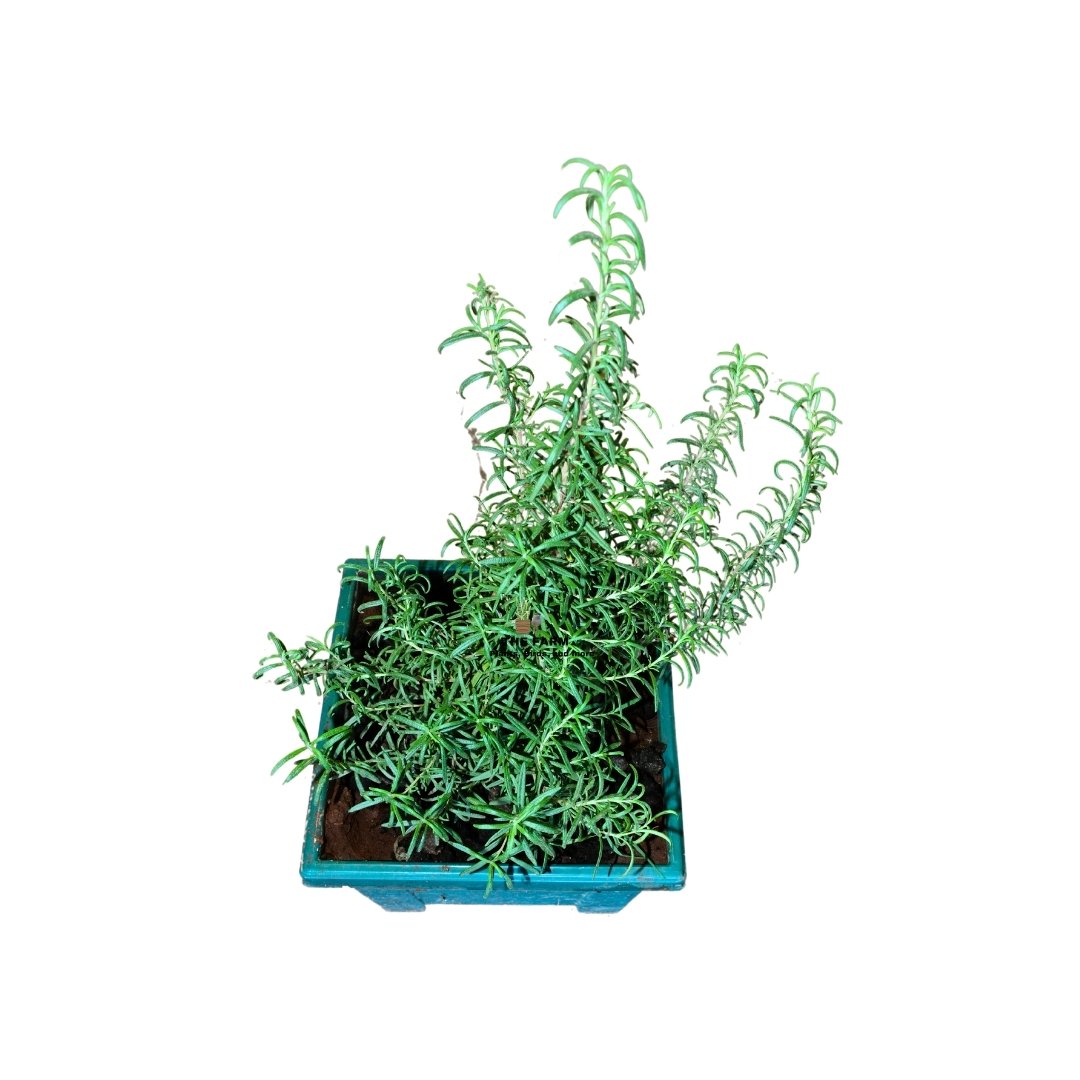


Rosemary Plant in a square planter
Original price was: KSh 2,899.00.KSh 1,799.00Current price is: KSh 1,799.00.
Are you looking for a versatile and aromatic plant to enhance your home? Look no further than the rosemary plant. With its rich history, easy care requirements, and culinary uses, rosemary is a must-have for any garden or indoor space.
Background of the Plant
Rosemary (Rosmarinus officinalis) is a perennial herb that belongs to the mint family. It is native to the Mediterranean region and has been used for centuries for its culinary, medicinal, and aromatic properties. The plant features needle-like leaves and produces small, delicate flowers that range in color from white to pale blue.
Best Climate for the Plant
Rosemary thrives in warm and sunny climates, making it ideal for Mediterranean and coastal regions. It prefers temperatures between 60°F and 90°F (15°C to 32°C). However, it can also tolerate cooler temperatures down to 30°F (-1°C) if provided with proper protection.
Best Soils for Rosemary
Rosemary prefers well-draining soils with a pH level between 6 and 7.5. Sandy or loamy soils are ideal as they prevent waterlogging and allow the roots to breathe. If your soil is heavy or clay-like, consider adding organic matter such as compost or sand to improve drainage.
Watering the Plant
While rosemary is drought-tolerant, it still requires regular watering, especially during its establishment phase. Water the plant deeply once or twice a week, allowing the top inch of soil to dry out between waterings. Avoid overwatering, as it can lead to root rot.
Nutrition
Rosemary is a relatively low-maintenance plant when it comes to nutrition. It doesn’t require frequent fertilization. However, you can give it a boost by applying a balanced organic fertilizer in the spring. Avoid over-fertilizing, as it can lead to excessive foliage growth at the expense of essential oils.
Pruning
Regular pruning helps to maintain the shape and size of the rosemary plant. Prune the plant in early spring or after flowering, removing any dead or damaged branches. You can also trim the plant to encourage bushier growth. Use sharp pruning shears and make clean cuts just above a leaf node.
Pests
Rosemary is relatively resistant to pests and diseases. However, it can occasionally attract aphids, spider mites, and whiteflies. Monitor your plant regularly and take action at the first sign of infestation. You can use organic insecticidal soap or neem oil to control these pests.
Best Placement in Your House
Rosemary is an excellent choice for both indoor and outdoor cultivation. When growing indoors, place the plant in a sunny location, such as a south-facing window. Ensure it receives at least six hours of direct sunlight each day. If growing outdoors, choose a spot with full sun exposure.
With its fragrant foliage, culinary versatility, and attractive appearance, the rosemary plant is a delightful addition to any home. Whether you’re an experienced gardener or a beginner, this easy-to-grow herb will bring joy and flavor to your life.
| Weight | 6 kg |
|---|
Only logged in customers who have purchased this product may leave a review.
Related products


Agapanthus Eydori White in a Clay Pot Planter
Key Features of the Agapanthus Eydori White in a Clay Pot Planter
- Beautiful white flowers that bloom in clusters
- Thrives in full sunlight and can tolerate partial shade
- Low-maintenance and easy to care for
- Clay pot planter offers excellent drainage and breathability
- Ideal for outdoor gardens, patios, or sunny indoor spots
- Perfect for Kenyan climates with warm temperatures


Bamboo and Sphere Fiber Glass Planter
features
- Made from durable materials.
- Lightweight and easy to move.
- the planter is Weather-resistant
- suitable for both indoor and outdoor use.
- Stylish design that complements modern interiors.
- Bamboo plants are versatile and can be used for:
1. Air purification.
2. Adding a touch of greenery to your home.
3. Creating a natural aesthetic in any room.


Red Rose in a Clay Pot
Key Features of the Red Rose in a Clay Pot
- Rich red blooms that symbolize love and passion
- Fragrant scent that adds romance to any space
- Thrives in bright sunlight with regular watering
- classic clay pot provides excellent drainage and enhances plant aesthetics
- Suitable for both indoor and outdoor use in Kenyan homes and gardens
- Low-maintenance, perfect for plant enthusiasts

Royal Palm (Roystonea regia)
Introduction
The Royal Palm is a symbol of grace and grandeur in tropical landscapes. Its towering presence and iconic look make it a standout plant in gardens, parks, and urban settings. Whether lining streets or serving as a centerpiece in large open spaces, the Royal Palm brings a sense of tropical luxury to any environment.
Benefits
- Aesthetic Beauty: With its tall trunk and large, arching fronds, the Royal Palm adds elegance and tropical charm to landscapes, making it perfect for formal avenues and expansive gardens.
- Wind and Salt Tolerant: The Royal Palm can tolerate coastal conditions and is resilient to salt spray, making it an ideal choice for beachfront properties or tropical climates.
- Low Maintenance: Once established, Royal Palms require little care and can adapt to a variety of soil types and conditions.
- Wildlife Habitat: Its fruits and leaves provide habitat and food for birds and other wildlife.
- Shade Provider: The wide, expansive fronds provide shade and create a cooling effect, which can be especially beneficial in hot climates.
Conditions for Optimal Growth
- Soil: Prefers well-draining, slightly acidic soil. It can tolerate a variety of soil types but grows best in rich, loamy soil.
- Sunlight: Thrives in full sun, needing at least 6-8 hours of direct sunlight per day for optimal growth.
- Watering: Requires regular watering, especially when young. Once established, it becomes more drought-tolerant, though it prefers consistent moisture.
- Temperature: Best grown in tropical or subtropical climates, withstanding temperatures as low as 28°F (-2°C) but thriving in warmer conditions.
- Fertilization: Benefits from regular fertilization with a palm-specific fertilizer, especially in nutrient-deficient soils, to prevent yellowing leaves and encourage healthy growth.
Conclusion
The Royal Palm is a symbol of grandeur and elegance, perfect for those looking to make a dramatic statement in their landscaping. With its tall, smooth trunk and graceful, arching fronds, this tropical palm brings a lush, luxurious feel to any garden or avenue. Low maintenance and resilient, the Royal Palm is an excellent choice for coastal, tropical, and subtropical environments where its beauty and stature can be fully appreciated.


Reviews
There are no reviews yet.