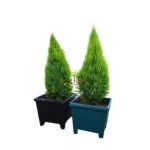

Lemon Cypress in Planter
KSh 4,000.00 Original price was: KSh 4,000.00.KSh 2,599.00Current price is: KSh 2,599.00.
Key Features:
Bright lime-green foliage with natural lemon scent
Elegant conical shape – year-round visual interest
Potted in a weather-resistant, lightweight planter
Ideal for homes, patios, balconies, and office entrances
Naturally pest-repellent and air-purifying
Turn heads (and refresh the air) with this vibrant Lemon Cypress in Planter. With its striking neon-green foliage and natural citrus scent, this pyramid-shaped evergreen makes a bold yet calming statement in any space. Planted in a durable, modern pot, it’s a low-maintenance favorite for indoor style or outdoor charm.
💧 Watering and Soil Requirements:
Lemon Cypress prefers consistently moist but well-draining soil. Water when the top 1 inch feels dry. Avoid soggy roots. A potting mix with a blend of peat, compost, and perlite is ideal.
🌱 Benefits:
Refreshes air with a lemony aroma
Natural mood booster and stress reliever
Acts as a mini air purifier
Aesthetic upgrade for small spaces
Doubles as a festive holiday décor plant
✂️ Pruning and Propagation:
Prune lightly to maintain shape or size — use clean, sharp shears. Can be propagated via semi-hardwood cuttings taken in early summer.
☀️ Sunlight and Placement:
Needs bright light to thrive. Perfect in full sun to partial shade. Indoors? Place near a sunny window. Outdoors? Partial morning sun works best.
🌾 Fertilization and Maintenance:
Feed monthly during growing season (spring to fall) with a balanced, slow-release fertilizer. No feeding needed in winter. Rotate the pot occasionally to promote even growth.
🐛 Common Diseases and Pests:
Resistant to most pests, but occasionally susceptible to aphids or spider mites. Treat with neem oil or insecticidal soap. Ensure good airflow to prevent fungal issues.
⏳ Time to Maturity & Flowering:
Lemon Cypress is slow-growing but maintains a compact form. Can reach up to 3 feet in pots over 2–3 years. It rarely flowers — the real beauty is in its foliage and scent.
| plant type | Lemon cypress |
|---|
Only logged in customers who have purchased this product may leave a review.
You may also like…
Lemon Cypress Plant
Lemon Cypress Plant in a square Rattan Planter
Lemon Cypress Plant on a Rattan Planter
Lemon Cypress Seedling (20 cm to 50 cm)
Key Features
- Fresh Growth: Young and vibrant seedlings with bright lemon-green foliage.
- Compact Size: Seedlings range from 20 cm to 50 cm in height, perfect for planting or decorating smaller spaces.
- Distinct Aroma: Emits a subtle and refreshing citrus scent that enhances any space.
- Easy to Grow: Ideal for gardeners of all levels, including beginners.
- Versatile Use: Suitable for pots, gardens, landscaping, or gifting.
Lemon Cypress Seedlings (1 to 1.5 Feet Tall)
Lemon Cypress Tree Seedling
Key Features of the Lemon Cypress Tree Seedling
- Bright yellow-green foliage with a unique lemon-like fragrance
- Suitable for both indoor and outdoor planting
- Low-maintenance, requiring minimal care once established
- Thrives in full sunlight with regular watering
- Perfect for gardens, patios, or indoor pots
- Adds beauty and fragrance to any space
Related products
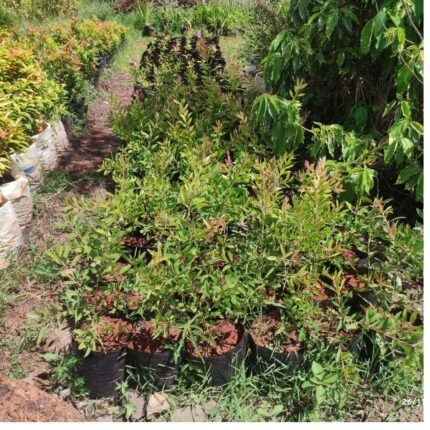
1ft Bottle Brush Tree Seedlings
Key Features of Bottle Brush Tree Seedlings
- Sizes for All Needs: Available from 1ft to 5ft, catering to gardeners and landscapers alike.
- Low Maintenance: Easy to care for, drought-tolerant, and pest-resistant.
- Year-Round Greenery: Evergreen foliage adds beauty and structure to any garden.
- Pollinator-Friendly: Attracts bees, butterflies, and birds to support biodiversity.
- Eco-Friendly Benefits: Improves air quality and stabilizes soil.
Conclusion
Bottle Brush Tree Seedlings 1ft are an exceptional choice for anyone looking to add vibrant color, charm, and environmental benefits to their garden or landscape. With their stunning red flowers, year-round greenery, and pollinator-friendly nature, these trees provide beauty and functionality for years to come.
By providing the right growing conditions—such as well-draining soil, full sunlight, and proper watering—you can enjoy the vibrant blossoms and lush foliage of these remarkable trees.
Alkeria Tree (4 ft) in Kenya seedling.
Key Features of the Alkeria Tree
- Rapid Growth: The Alkeria tree grows quickly, reaching up to 4 feet in a relatively short time, making it ideal for reforestation and soil stabilization projects.
- Drought Tolerance: With its resilience in dry conditions, the Alkeria tree is well-suited for arid and semi-arid areas, requiring minimal water once established.
- Soil Enrichment: Known for improving soil fertility, the Alkeria tree adds organic matter, enhancing soil health and benefiting surrounding plants.
- Carbon Absorption: High carbon sequestration ability makes it effective in reducing carbon footprint, contributing positively to climate change mitigation.
- Biodiversity Support: Provides a habitat and food source for various wildlife species, promoting biodiversity and supporting local ecosystems.
- Adaptability: Grows well in a variety of soils and climates, making it versatile for different Kenyan landscapes, from highlands to plains.
- Low Maintenance: Once established, the tree requires minimal upkeep, making it a practical choice for long-term sustainability projects.
Alkeria Tree Seedling
Key Features of Alkeria Tree Seedlings
- Fast-Growing: Alkeria tree seedlings are known for their rapid growth rate, making them ideal for reforestation and landscaping projects that require quick vegetation coverage.
- Resilient to Various Soil Types: These seedlings adapt well to a range of soil conditions, though they thrive best in fertile, well-draining soil rich in organic matter.
- High Carbon Absorption: Alkeria trees are effective carbon sinks, making them valuable for carbon offset projects and environmentally conscious planting initiatives.
- Attractive Foliage: The trees often feature vibrant, dense foliage that adds aesthetic appeal to any landscape, contributing to both decorative and practical uses.
- Soil-Enriching Properties: As they mature, Alkeria trees contribute to soil health through natural leaf litter and organic matter, improving the soil structure and fertility.
- Support for Biodiversity: These trees provide habitat and food sources for various wildlife, supporting local ecosystems and enhancing biodiversity in the area where they are planted.
- Drought Tolerance: Alkeria seedlings, once established, are relatively drought-resistant, making them suitable for regions with limited rainfall.
- Pest and Disease Resistance: Alkeria species typically have natural defenses against common pests and diseases, requiring minimal intervention once established.
- Versatile Uses: Apart from environmental benefits, mature Alkeria trees can be utilized for timber, shade, windbreaks, and ornamental purposes, adding value for landowners and communities.
Black Begonia Seedling in Kenya
Key Features of Black Begonia Seedlings
- Local Name: Black Begonia
- Scientific Name: Begonia rex or Begonia pavonina
- Growth Habit: Compact, bushy plant with dark, often metallic-shimmering leaves
- Sunlight: Indirect or filtered light; avoid direct sunlight
- Watering Needs: Regular watering; keep soil consistently moist but not waterlogged
- Soil Type: Well-drained, rich organic soil; prefers a mix of peat, perlite, and compost
- Maintenance Level: Low; occasional leaf cleaning and pruning of spent leaves
- Ideal Temperature: 18°C - 25°C
- Uses: Indoor plant, shaded garden spots, containers, and mixed plantings
Use in Kenya
Black Begonia is widely used in Kenyan homes, offices, and shaded garden spaces for its dramatic foliage and easy maintenance. It’s perfect for those looking to enhance indoor aesthetics with a unique, eye-catching plant that requires minimal care. In gardens, it is often used in shaded borders or under larger trees where its dark leaves create a striking contrast with lighter foliage. By planting Black Begonia seedlings, you add a touch of sophistication and elegance to your green spaces, making it a standout feature in any environment.
Cordyline Fruticosa Seedlings in Kenya
Key Features of Cordyline Fruticosa Seedlings (Mti Wa Maisha or Ti Plant)
- Local Name: Mti Wa Maisha or Ti Plant
- Scientific Name: Cordyline fruticosa
- Growth Habit: Upright, bushy plant with long, colorful leaves
- Sunlight: Partial shade to full sun
- Watering Needs: Moderate; keep soil moist but not waterlogged
- Soil Type: Well-drained, loamy soil enriched with organic matter
- Maintenance Level: Low; occasional pruning for optimal appearance
- Ideal Temperature: 20°C - 30°C
- Uses: Ornamental plant, indoor decoration, garden borders, cultural significance
Use in Kenya
In Kenya, Cordyline fruticosa is widely used in both outdoor and indoor landscapes due to its vibrant leaves and adaptability to different environments. Its ability to tolerate partial shade makes it ideal for areas under trees or alongside walls. As a popular ornamental plant, it is often used in gardens, along pathways, or as a potted plant to enhance patios and balconies. Mti Wa Maisha is also culturally significant in some Kenyan communities, symbolizing life and good fortune when planted near homes.
Gazania Plant Seedling in Kenya
Key Features of Gazania Seedlings
- Local Name: Gazania
- Scientific Name: Gazania rigens
- Growth Habit: Low-growing, spreading plant with large, daisy-like flowers
- Sunlight: Full sun
- Watering Needs: Regular watering when young; drought-tolerant once established
- Soil Type: Well-drained, sandy, or loamy soils; adaptable to poor soil conditions
- Maintenance Level: Low; minimal care required, deadhead spent blooms
- Ideal Temperature: 20°C - 35°C
- Uses: Borders, ground cover, rock gardens, containers, and hanging baskets
Use in Kenya
Gazania is widely used in Kenyan gardens due to its vibrant flowers and ability to withstand heat and drought. It is often seen brightening up garden borders, used as ground cover in rock gardens, or planted in containers to add color to patios and balconies. Its resilience and adaptability to Kenya’s sunny climate make it a favored choice for those seeking a colorful, low-maintenance garden. By planting Gazania seedlings, you add a cheerful, eye-catching element to your outdoor space that thrives with little effort.
Marguerite Daisy Seedling in Kenya
Key Features of Marguerite Daisy Seedlings (Daisy)
- Local Name: Daisy
- Scientific Name: Argyranthemum frutescens
- Growth Habit: Bushy, upright plant with daisy-like flowers
- Sunlight: Full sun
- Watering Needs: Regular watering; drought-tolerant once established
- Soil Type: Well-drained, fertile soils with moderate moisture content
- Maintenance Level: Low; deadheading and light pruning recommended
- Ideal Temperature: 15°C - 25°C
- Uses: Garden beds, borders, containers, low hedges, and ornamental displays
Use in Kenya
In Kenya, Marguerite Daisies are often used to brighten gardens, driveways, and patios. Their ability to bloom profusely even in warm climates makes them a common choice for gardeners looking for low-maintenance, high-impact flowers. These plants also do well in pots, allowing gardeners to enjoy their cheerful blooms on balconies or verandas. With Marguerite Daisy seedlings, you can add lasting beauty and charm to your garden spaces with minimal effort.
Ruby Red Alternanthera Seedling in Kenya
Key Features of Ruby Red Alternanthera Seedlings
- Local Name: Ruby Leaf
- Scientific Name: Alternanthera dentata
- Growth Habit: Low-growing, bushy plant with vibrant red to purple foliage
- Sunlight: Full sun to partial shade
- Watering Needs: Regular watering; prefers consistently moist but well-drained soil
- Soil Type: Well-drained, fertile soils; adaptable to sandy and loamy conditions
- Maintenance Level: Low; occasional pruning to maintain shape and promote bushiness
- Ideal Temperature: 18°C - 30°C
- Uses: Borders, ground cover, mixed plantings, decorative pots, and accent plants
Use in Kenya
Ruby Red Alternanthera is widely used in Kenyan gardens for its striking foliage and versatility in landscaping. It is often planted along garden edges, in flower beds, or as a colorful ground cover that contrasts beautifully with green-leafed plants. Its heat tolerance and minimal care requirements make it a perfect choice for both urban and rural gardens across Kenya. By planting Ruby Red Alternanthera seedlings, you are enhancing your garden with vibrant colors and easy-to-manage plants that thrive in the local climate.


Reviews
There are no reviews yet.