


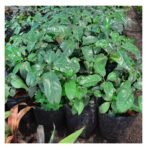

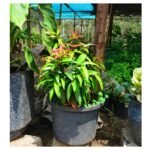
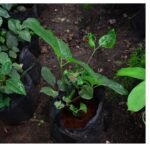
Australia Umbrella Tree Seedling
Original price was: KSh 700.00.KSh 499.00Current price is: KSh 499.00.
Key Features
- Lush Foliage: The tree features broad, glossy green leaves arranged in an umbrella-like pattern, creating a striking visual appeal.
- Fast Growth: Known for its rapid growth, making it an ideal choice for quickly filling spaces.
- Versatile Placement: Suitable for indoor pots or outdoor gardens, adding a tropical ambiance wherever it is placed.
- Air-purifying Qualities: Helps filter indoor air, promoting a healthier living environment.
- Low Maintenance: Requires minimal care, making it suitable for both beginners and seasoned plant enthusiasts.
Introduction
The Australia Umbrella Tree (Schefflera actinophylla) is a popular indoor and outdoor plant known for its lush, umbrella-shaped leaves. This fast-growing seedling is perfect for adding a tropical touch to your home, patio, or garden. Its elegant foliage and easy-care nature make it a favorite among both novice and experienced gardeners.
Benefits
- Improves Indoor Air Quality: The Australia Umbrella Tree is effective in purifying indoor air, enhancing the overall atmosphere of your space.
- Tropical Aesthetic: Its lush foliage and unique leaf pattern bring a refreshing, tropical vibe to any setting.
- Flexible Growth: Can be grown as a compact potted plant or allowed to grow larger in outdoor spaces.
- Stress Relief: Growing plants like the umbrella tree has been shown to have calming effects, helping reduce stress and improve mood.
- Resilient: Adapts well to various conditions, making it a reliable choice for different environments.
Growth Conditions
- Light: Prefers bright, indirect sunlight but can tolerate partial shade. Avoid direct sunlight to prevent leaf scorch.
- Water: Water moderately, allowing the top inch of soil to dry out between waterings. Avoid overwatering, as the tree prefers slightly dry conditions.
- Temperature: Thrives in warm temperatures, between 18°C and 27°C. Protect from extreme cold or drafts.
- Humidity: Enjoys high humidity; mist regularly if grown indoors or place near a humidifier.
- Soil: Best planted in well-draining potting mix enriched with organic matter for optimal growth.
Conclusion
The Australia Umbrella Tree seedling is a versatile and easy-to-care-for plant that brings a touch of the tropics to any space. Whether you choose to grow it indoors or outdoors, its lush foliage and air-purifying qualities make it an excellent addition to your plant collection. Perfect for creating a refreshing and calming atmosphere, this seedling is a must-have for any green space enthusiast.
| plant type | Schefflera/Umbrella trees |
|---|
Only logged in customers who have purchased this product may leave a review.
Related products


Coleus in Kenya
Key Features of Coleus
- Local Name: Mbarika
- Scientific Name: Coleus blumei or Plectranthus scutellarioides
- Growth Habit: Bushy, with a wide range of leaf colors and patterns
- Sunlight: Partial to full shade
- Watering Needs: Regular watering; keep the soil moist but not soggy
- Soil Type: Well-drained, fertile, loamy soil
- Maintenance Level: Low
- Ideal Temperature: 18°C - 30°C
- Propagation: Easy from cuttings
Use in Kenya
Coleus is a popular plant in Kenyan homes, gardens, and landscapes, often used to add color and texture to outdoor and indoor settings. Its ease of growth and maintenance makes it a preferred choice for anyone looking to brighten up their space with minimal effort. The local love for Mbarika continues to grow, as it not only beautifies spaces but also embodies the vibrant spirit of Kenyan gardening culture.
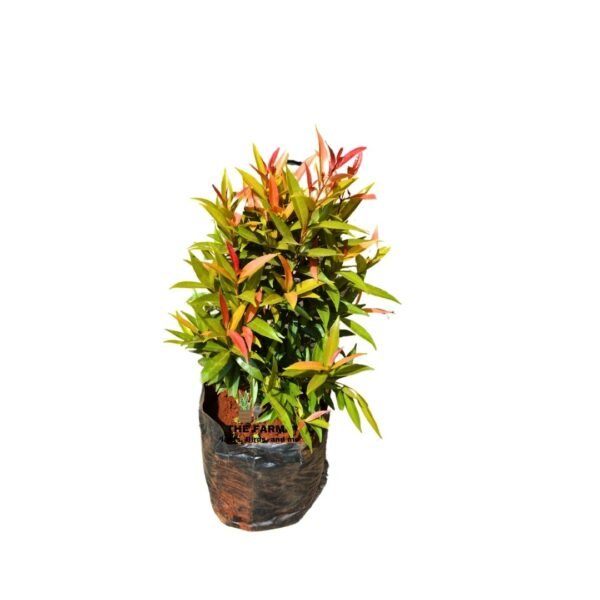




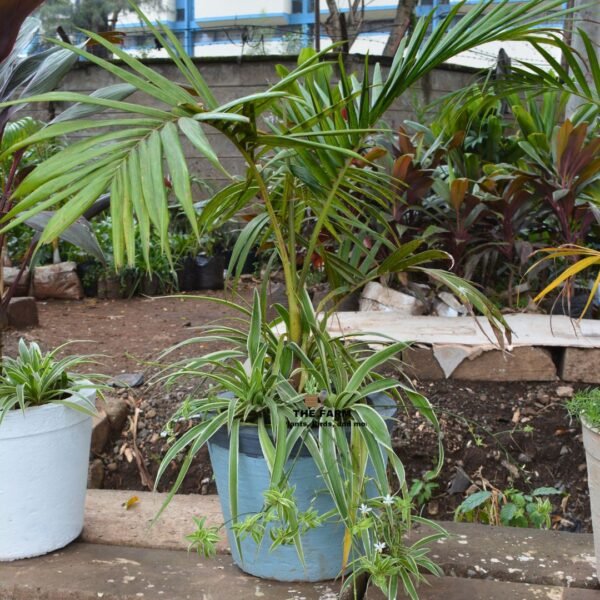
Royal Palm (Roystonea regia)
Introduction
The Royal Palm is a symbol of grace and grandeur in tropical landscapes. Its towering presence and iconic look make it a standout plant in gardens, parks, and urban settings. Whether lining streets or serving as a centerpiece in large open spaces, the Royal Palm brings a sense of tropical luxury to any environment.
Benefits
- Aesthetic Beauty: With its tall trunk and large, arching fronds, the Royal Palm adds elegance and tropical charm to landscapes, making it perfect for formal avenues and expansive gardens.
- Wind and Salt Tolerant: The Royal Palm can tolerate coastal conditions and is resilient to salt spray, making it an ideal choice for beachfront properties or tropical climates.
- Low Maintenance: Once established, Royal Palms require little care and can adapt to a variety of soil types and conditions.
- Wildlife Habitat: Its fruits and leaves provide habitat and food for birds and other wildlife.
- Shade Provider: The wide, expansive fronds provide shade and create a cooling effect, which can be especially beneficial in hot climates.
Conditions for Optimal Growth
- Soil: Prefers well-draining, slightly acidic soil. It can tolerate a variety of soil types but grows best in rich, loamy soil.
- Sunlight: Thrives in full sun, needing at least 6-8 hours of direct sunlight per day for optimal growth.
- Watering: Requires regular watering, especially when young. Once established, it becomes more drought-tolerant, though it prefers consistent moisture.
- Temperature: Best grown in tropical or subtropical climates, withstanding temperatures as low as 28°F (-2°C) but thriving in warmer conditions.
- Fertilization: Benefits from regular fertilization with a palm-specific fertilizer, especially in nutrient-deficient soils, to prevent yellowing leaves and encourage healthy growth.
Conclusion
The Royal Palm is a symbol of grandeur and elegance, perfect for those looking to make a dramatic statement in their landscaping. With its tall, smooth trunk and graceful, arching fronds, this tropical palm brings a lush, luxurious feel to any garden or avenue. Low maintenance and resilient, the Royal Palm is an excellent choice for coastal, tropical, and subtropical environments where its beauty and stature can be fully appreciated.
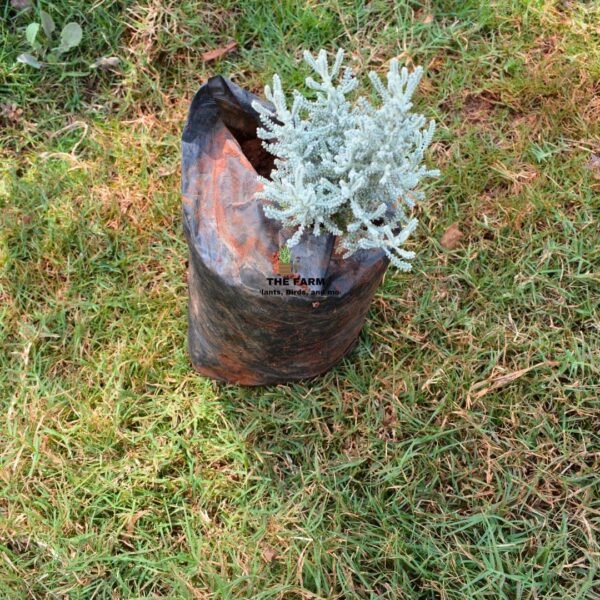

Santolina Chamaecyparissus Seedling in Kenya
Key Features of Santolina Chamaecyparissus Seedlings
- Common Name: Lavender Cotton
- Scientific Name: Santolina Chamaecyparissus
- Growth Habit: Compact, bushy shrub with silver-gray foliage and yellow button-like flowers
- Sunlight: Full sun
- Watering Needs: Regular watering when young; drought-tolerant once established
- Soil Type: Well-drained, sandy, or rocky soils; prefers slightly alkaline conditions
- Maintenance Level: Low; light pruning to maintain shape and promote growth
- Ideal Temperature: 15°C - 30°C
- Uses: Borders, rock gardens, low hedges, herb gardens, and ornamental accents
Use in Kenya
Santolina is ideal for Kenyan landscapes due to its resilience to heat and dry conditions. It is often used in Mediterranean-style gardens, mixed borders, or as a low-maintenance ground cover that adds texture and color contrast. Its aromatic qualities make it a lovely addition to pathways and garden beds where its fragrance can be enjoyed. By planting Santolina Chamaecyparissus seedlings, you bring a touch of elegance and practicality to your garden, enhancing both the aesthetics and functionality of your outdoor space.


Reviews
There are no reviews yet.